Early start for our first full day in Beijing with a 7.45am tour meet up at the Eastgate of the Forbidden City. It’s a real honour to visit this very sacred of places with the daily ticket number of 30,000 often selling out in the first 15mins of opening. Fortunately our Get My Guide tickets were purchased online a couple of weeks ago to avoid disappointment.
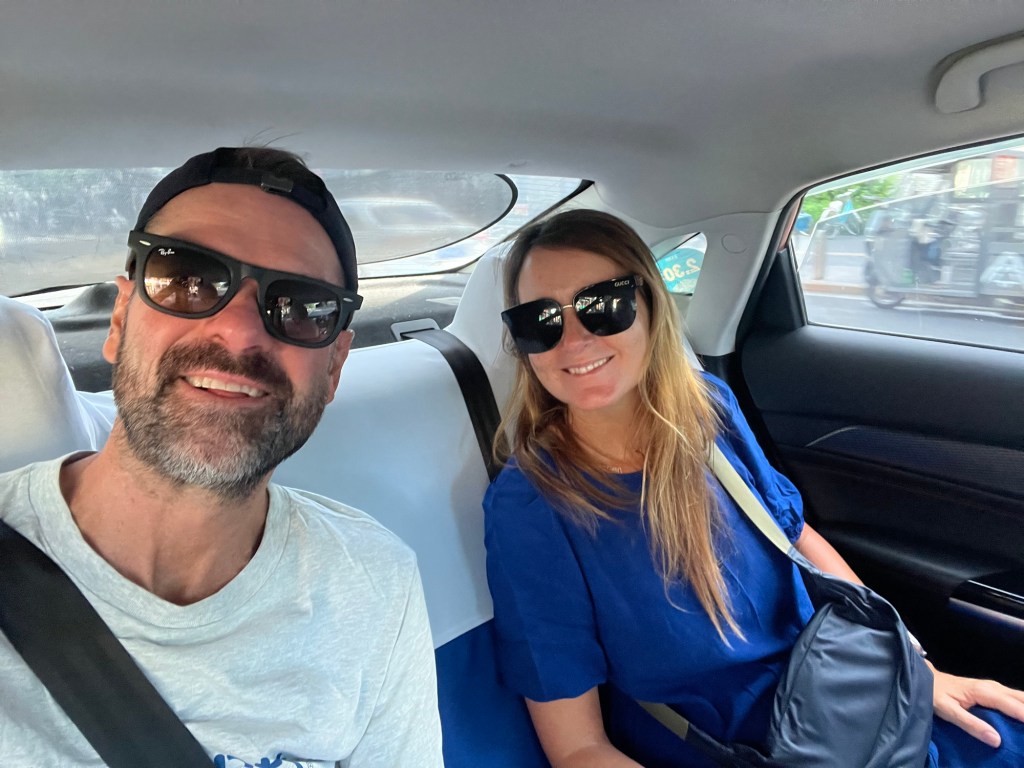
Having woken early we decided to take a cab to the meeting point and we were pleasantly surprised by how quiet the roads were (admittedly it’s a Sunday) and how quiet & respective people are on the road and on the street. Our taxi was an electric vehicle, as are most modern cars in Beijing and within 15mins we were being dropped off close to the East Gate entrance.
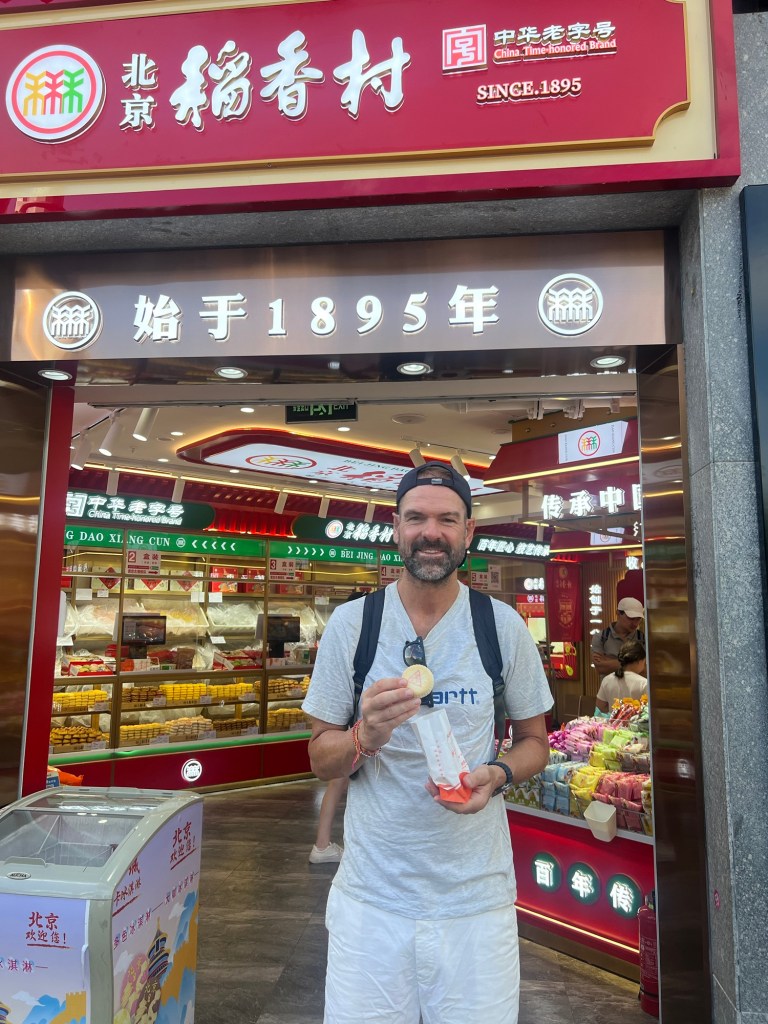
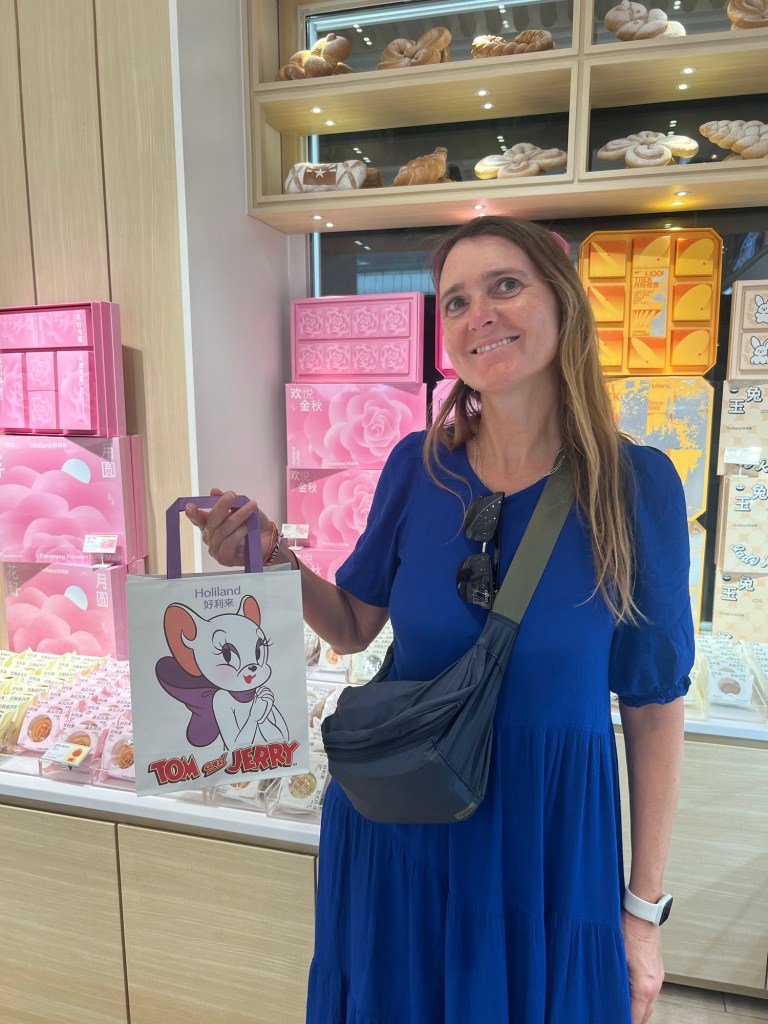
Due to the early hour we had skipped breakfast, so went to a local bakery and purchased a couple of sweets biscuit treats. Thankfully they tasted like shortbread and were consumed without too much hesitation.
The Forbidden City/Imperial Palace is the ancient centre of the Imperial City and was the residence of 24 Ming and Qing dynasty emperors. It was the political power base in China for over 500 years from 1420 to 1924, up to the revolution. The palace is now administered as a palace museum and as an UNESCO world heritage site, is now one of the most popular tourist attractions in the world. It was definitely on our Bucket List to visit!
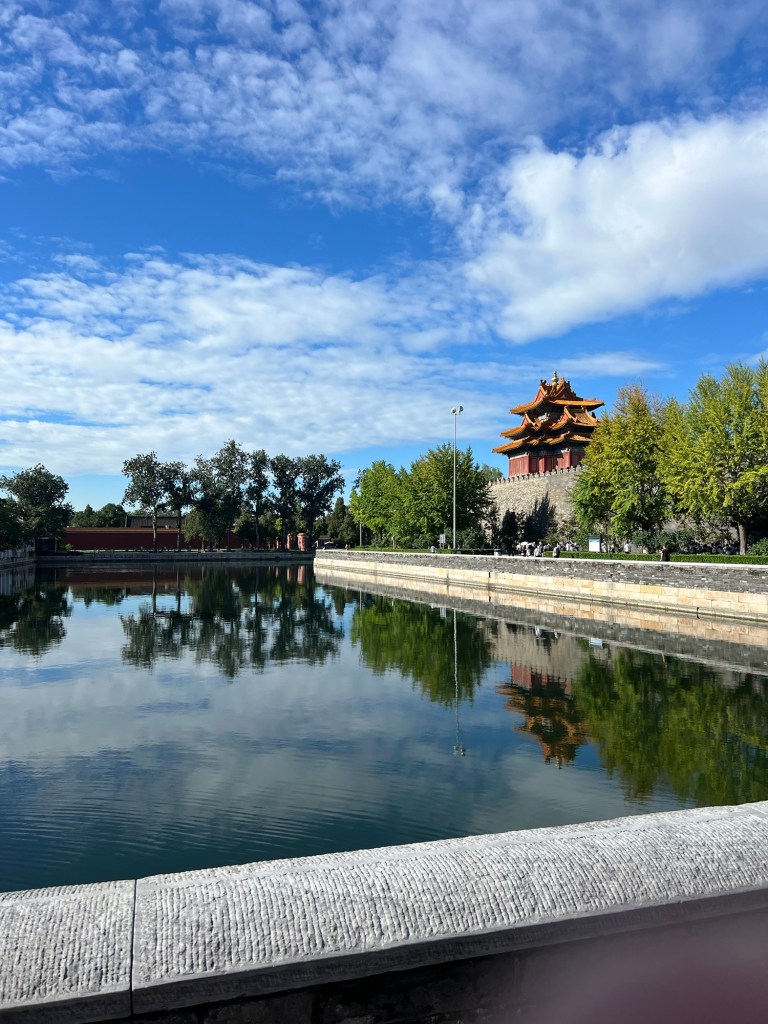
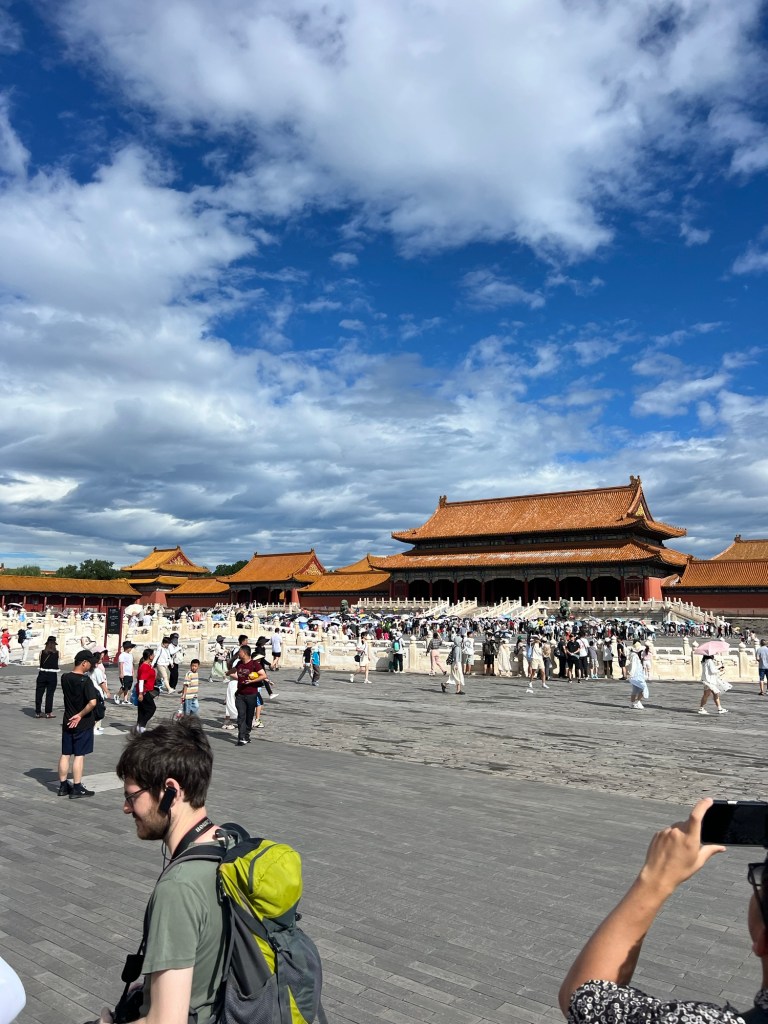
It’s hard to put into words the scale and vast nature of the place, however not surprisingly it’s the largest preserved royal palace complex still standing in the world.

The complex claims to consist of 9,999 and 1/2 rooms and covers 72 ha: The palace exemplifies the opulence of the residences of the Chinese emperor and has influenced cultural and architectural developments in East Asia.
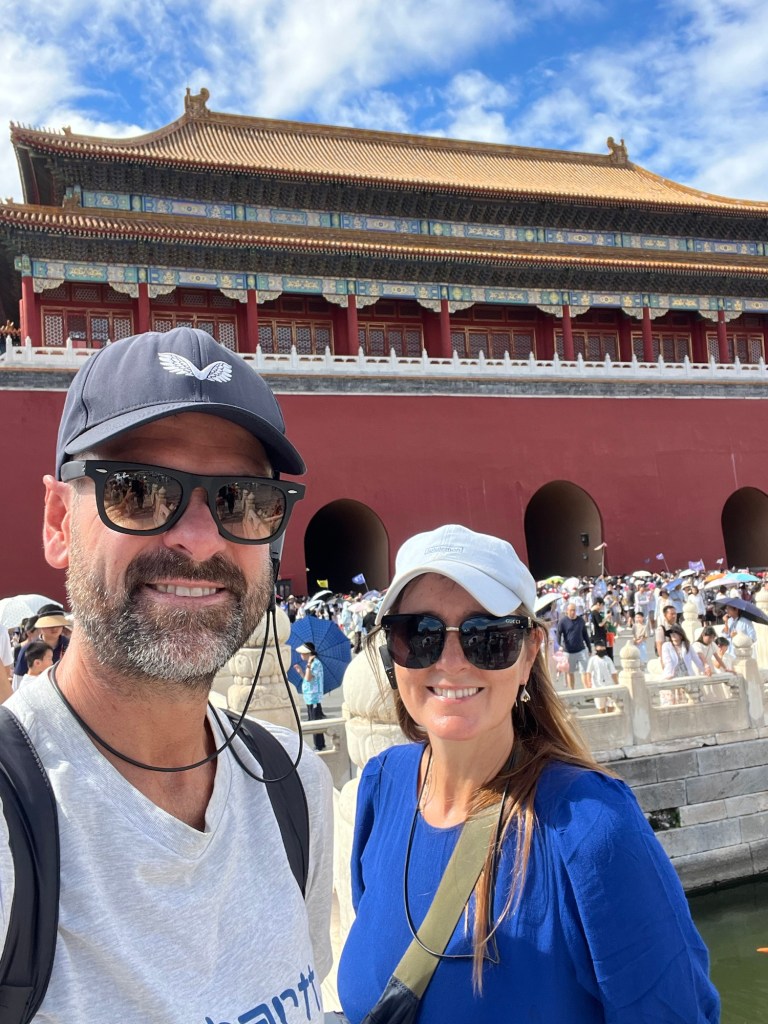
The Forbidden City’s market value was estimated at US$70 billion, making it both the world’s most valuable palace and the most valuable piece of real estate anywhere in the world!
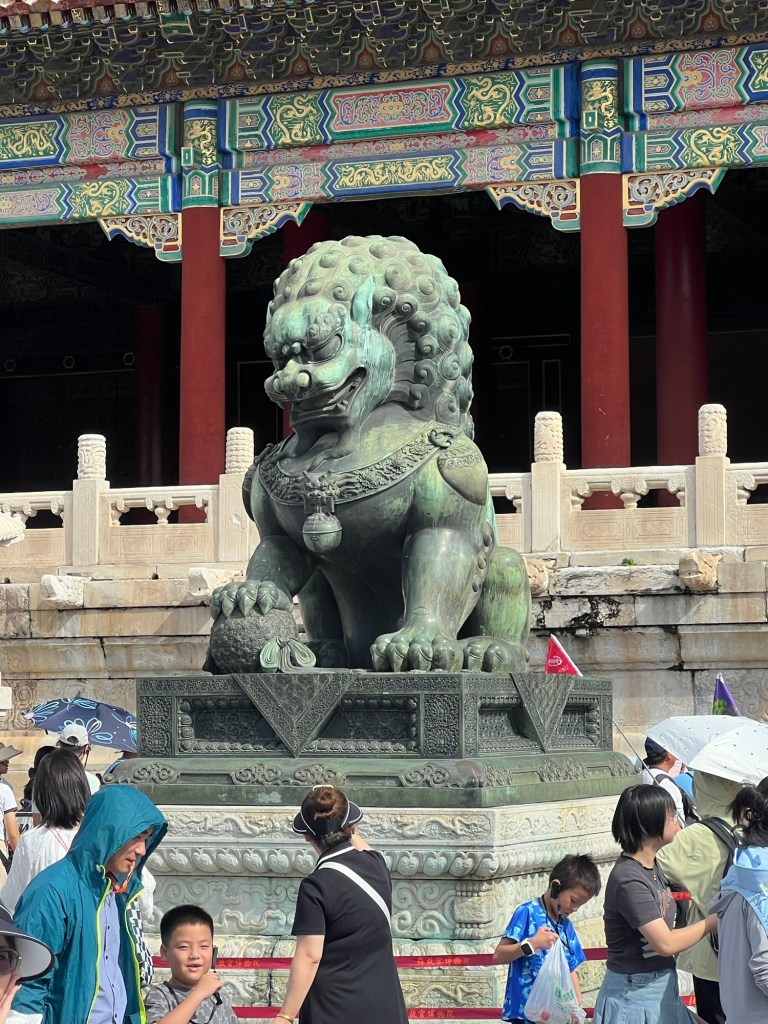
It is also one of the largest and most well-preserved wooden structures in the world.
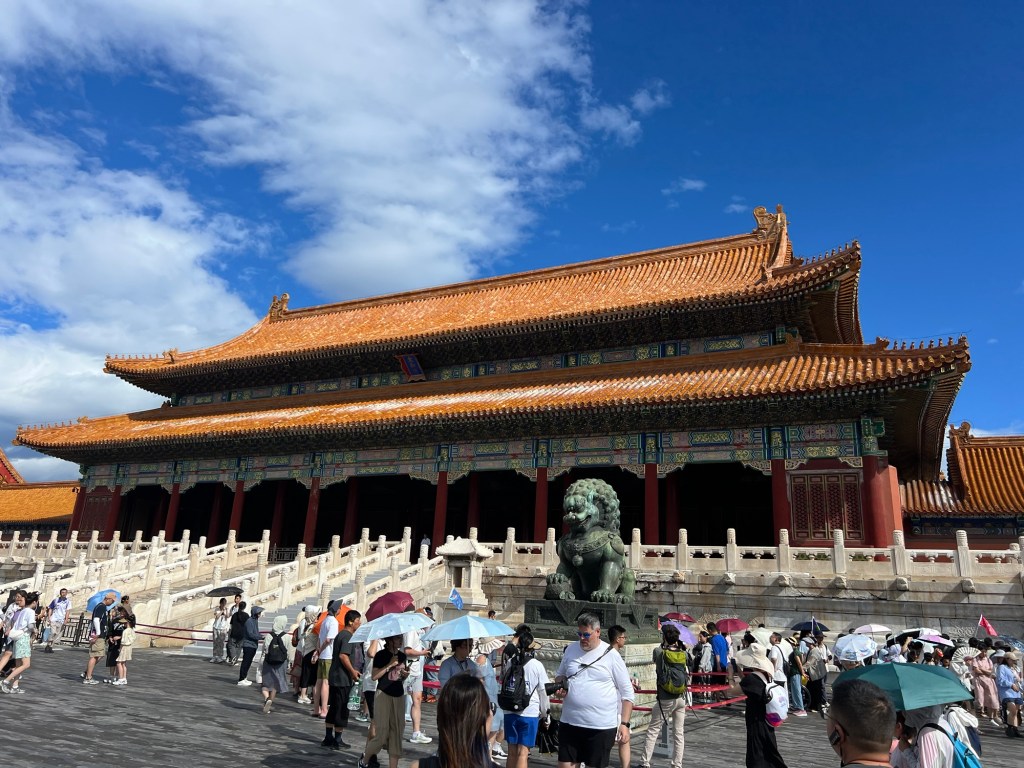
The design of the Forbidden City, from its overall layout to the smallest detail, was meticulously planned to reflect philosophical & religious principles, to symbolize the majesty of Imperial power….
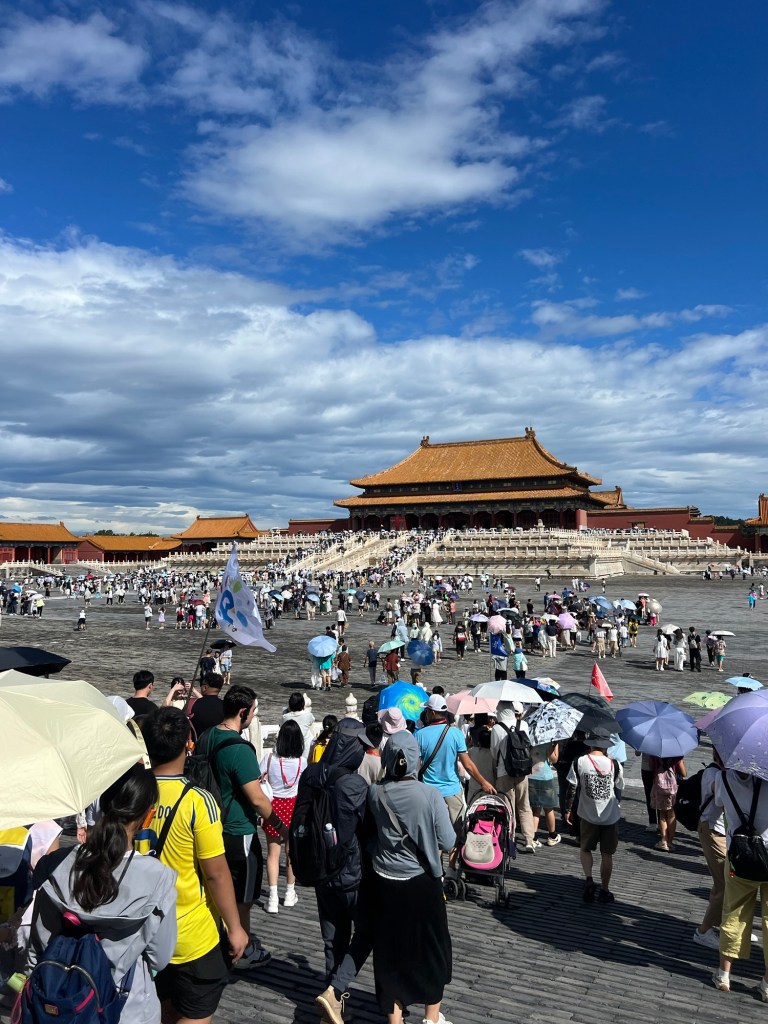
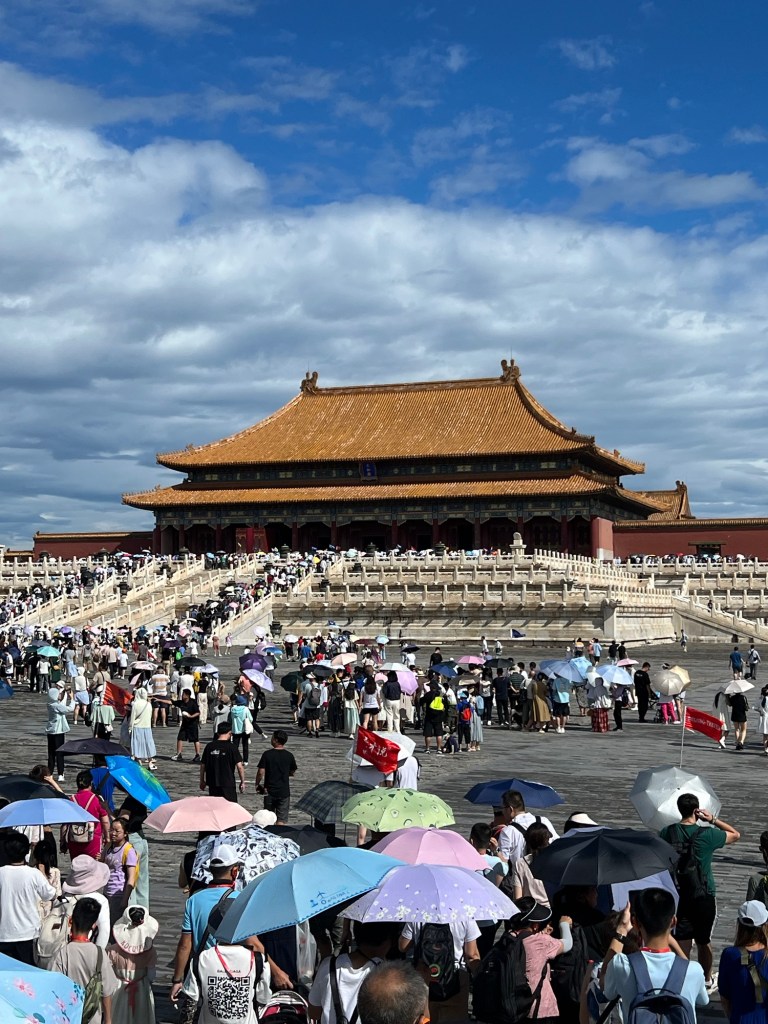
Yellow is the color of the Emperor. Thus almost all roofs in the Forbidden City bear yellow glazed tiles.
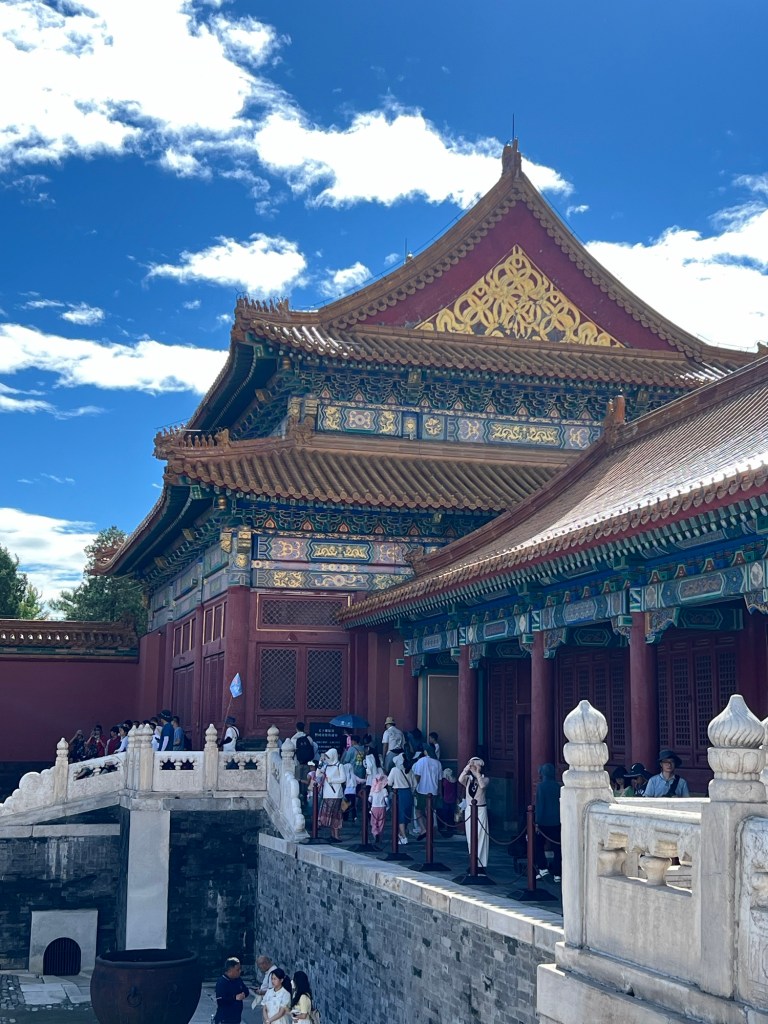
The main halls of the Outer and Inner courts are all arranged in groups of three – the shape of the Qian trigram representing heaven.
The residences of the Inner Court on the other hand are arranged in clusters of six – the shape of the Kun trigram, representing the Earth.
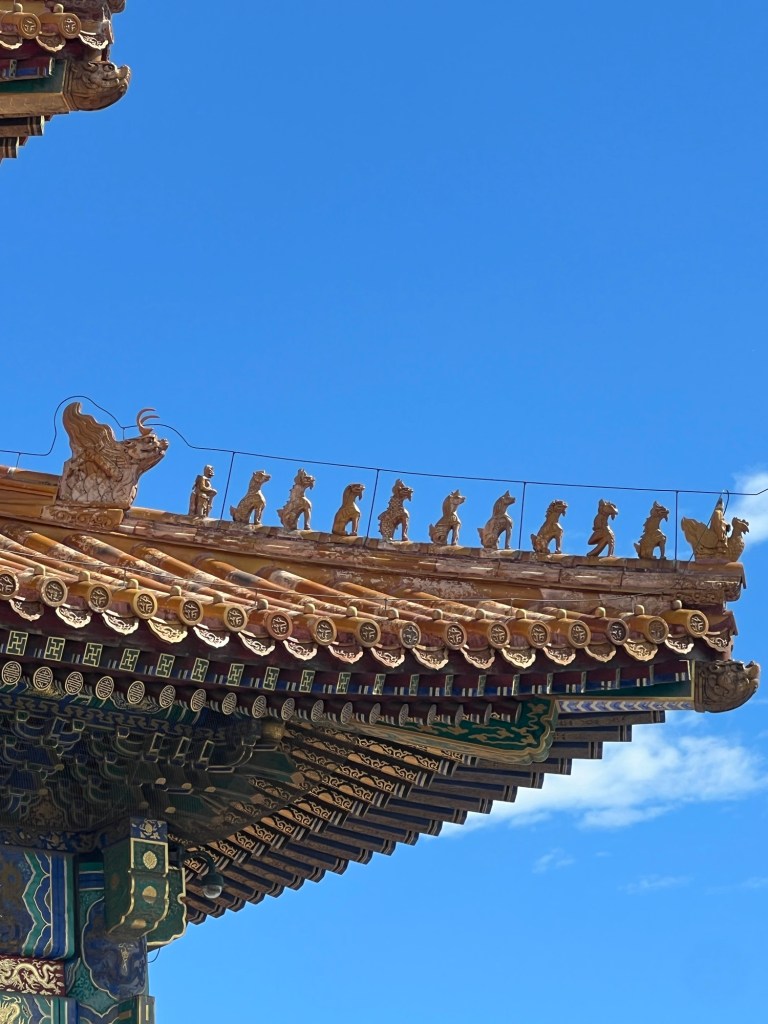
The sloping ridges of building roofs are decorated with a line of statuettes led by a man riding a phoenix and followed by an imperial dragon. The number of statuettes represents the status of the building – a minor building might have three or five. The Hall of Supreme Harmony has ten, the only building in the country to be bestowed this number in Imperial Times.
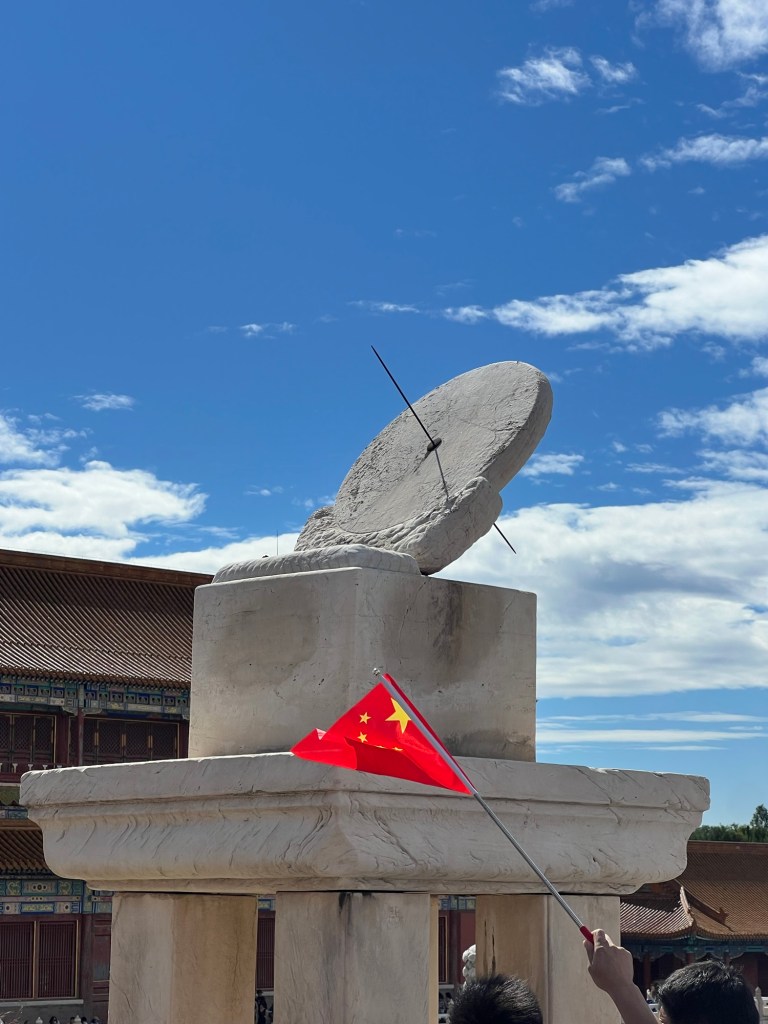
The Forbidden City is a rectangle, measuring 961 m from north to south and 753 m from east to west.
It’s fair to say it’s on an unprecedented scale and makes walking around it a 3-4hr affair.

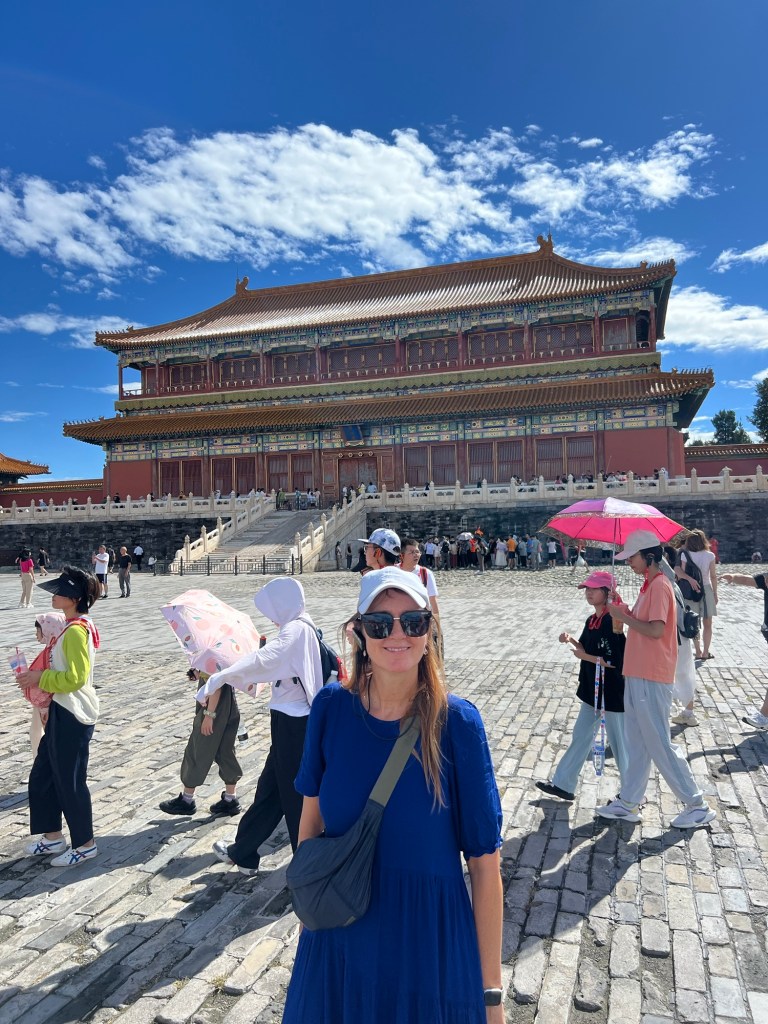
The courtyard was built on a massive, luxurious scale but it has the appearance of an ordinary quadrangle courtyard.

The Forbidden City was designed to be the centre of the ancient, walled city of Beijing. It is enclosed in a larger, walled area effectively creating the Imperial City.
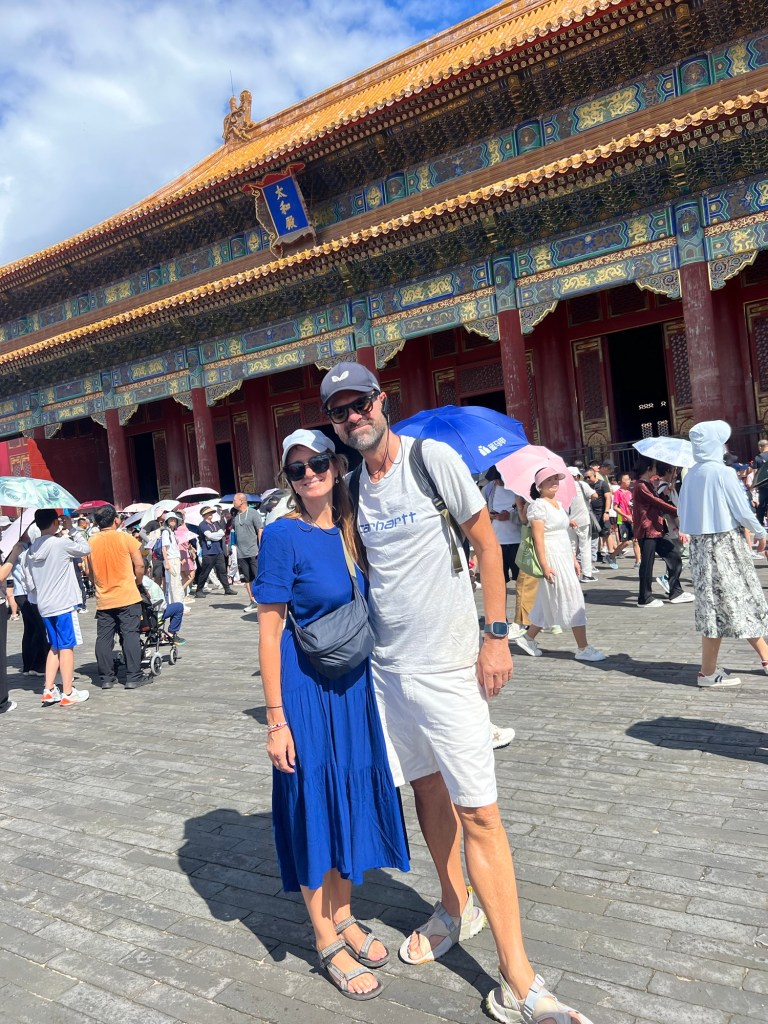
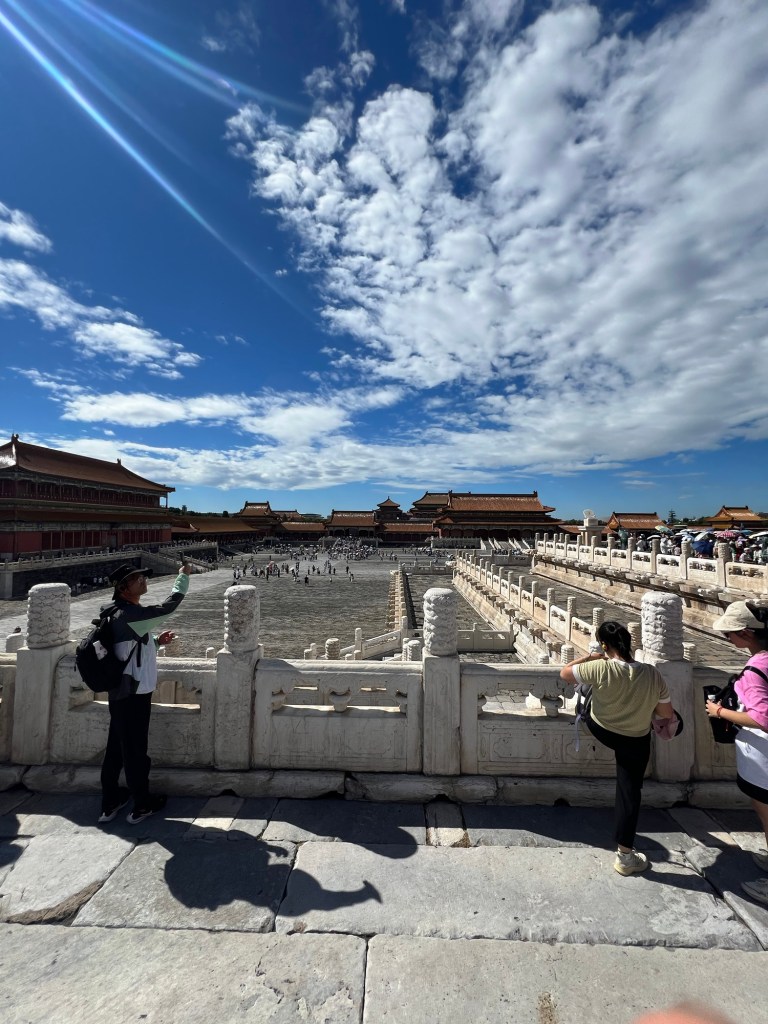
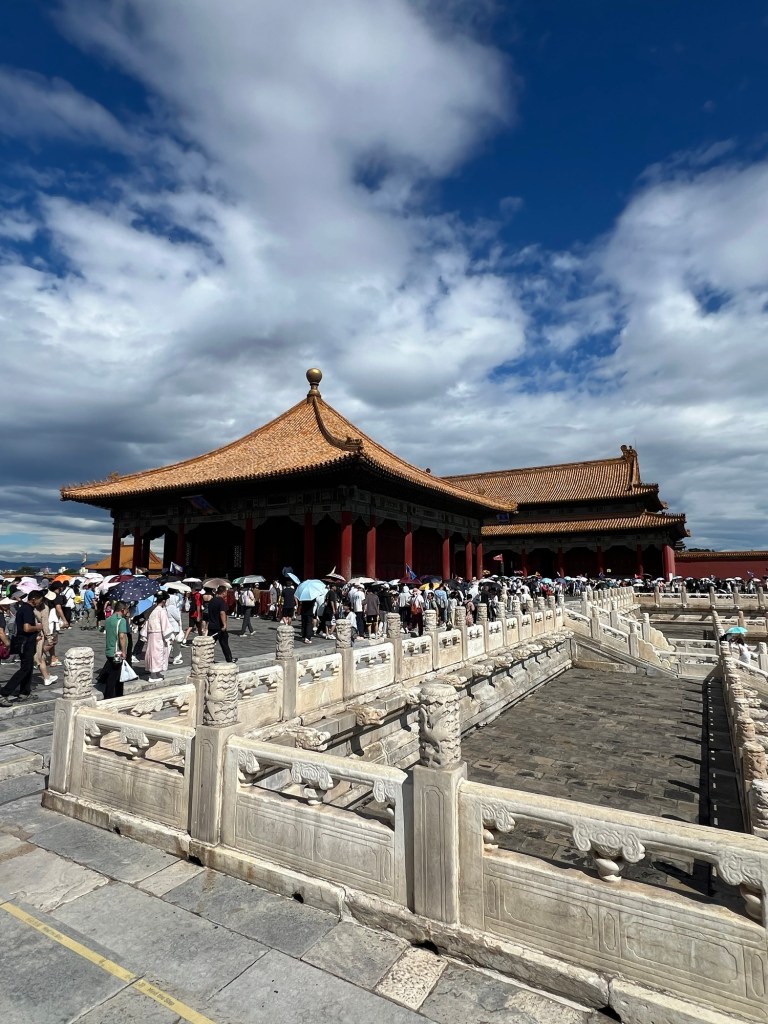
The Hall of Supreme Harmony is the largest, and rises some 30 m above the level of the surrounding square. It is the ceremonial centre of imperial power, and the largest surviving wooden structure in China. It is nine bays wide and five bays deep, the numbers 9 and 5 being symbolically connected to the majesty of the emperor.
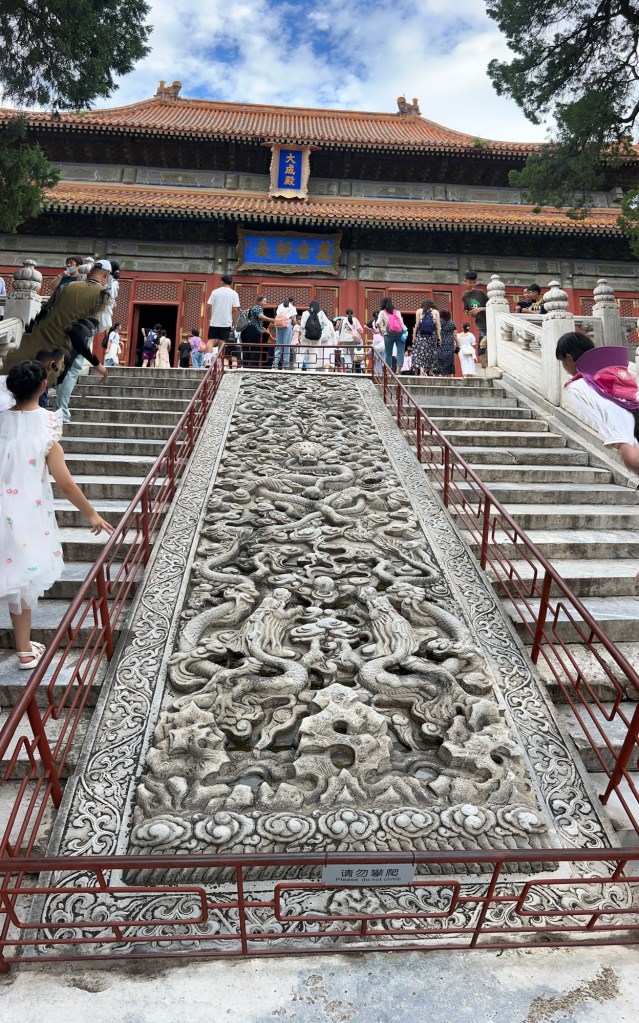
The northern ramp, behind the Hall of Preserving Harmony, is carved from a single piece of stone 16.57 m long, 3.07 m wide, and 1.7 m thick. It weighs some 200 tons and is the largest such carving in China!

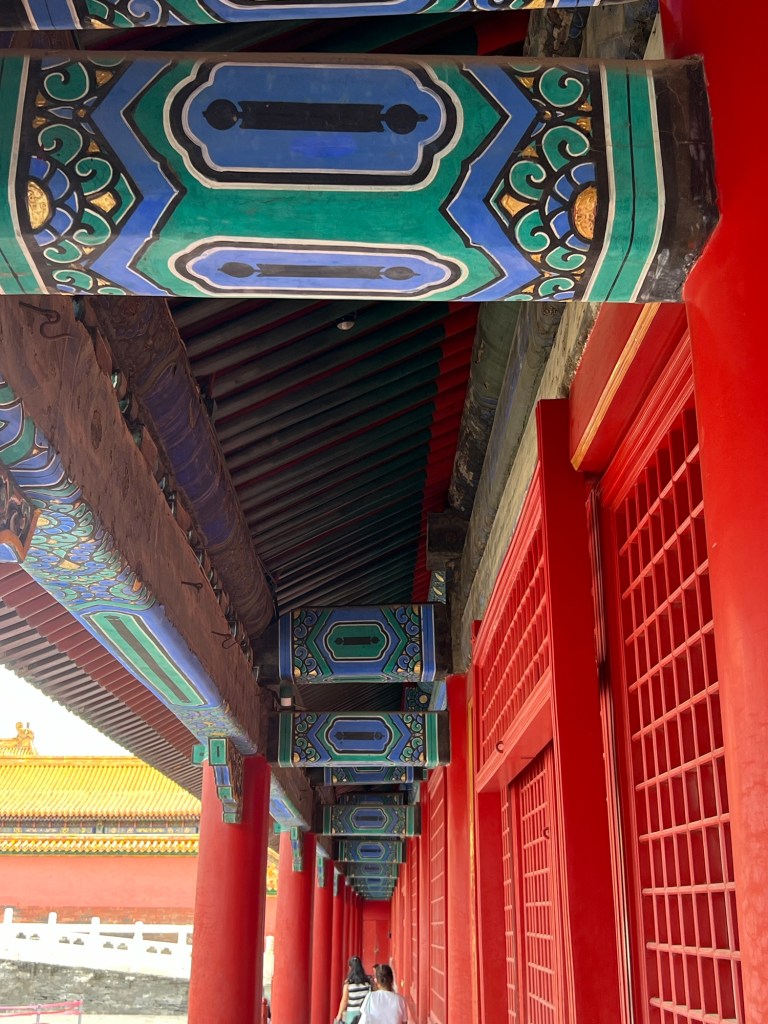
The complex comprises twelve palaces and was the place where many of the Qing emperors were born and grew up, and they formed the daily life of the imperial family.
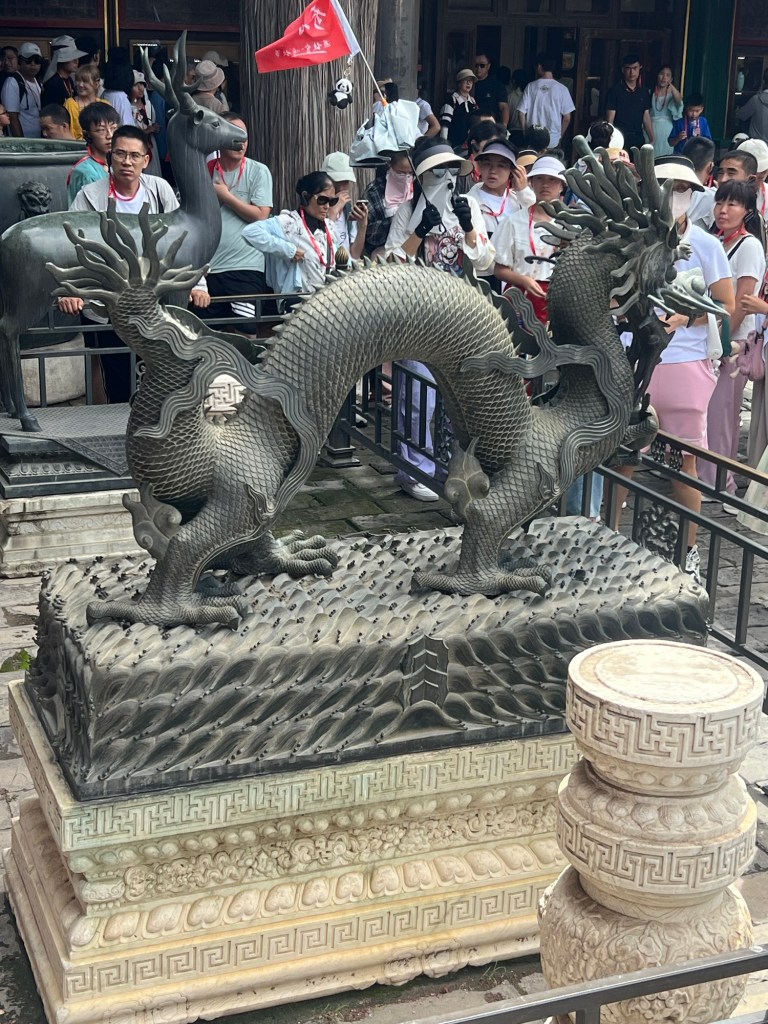
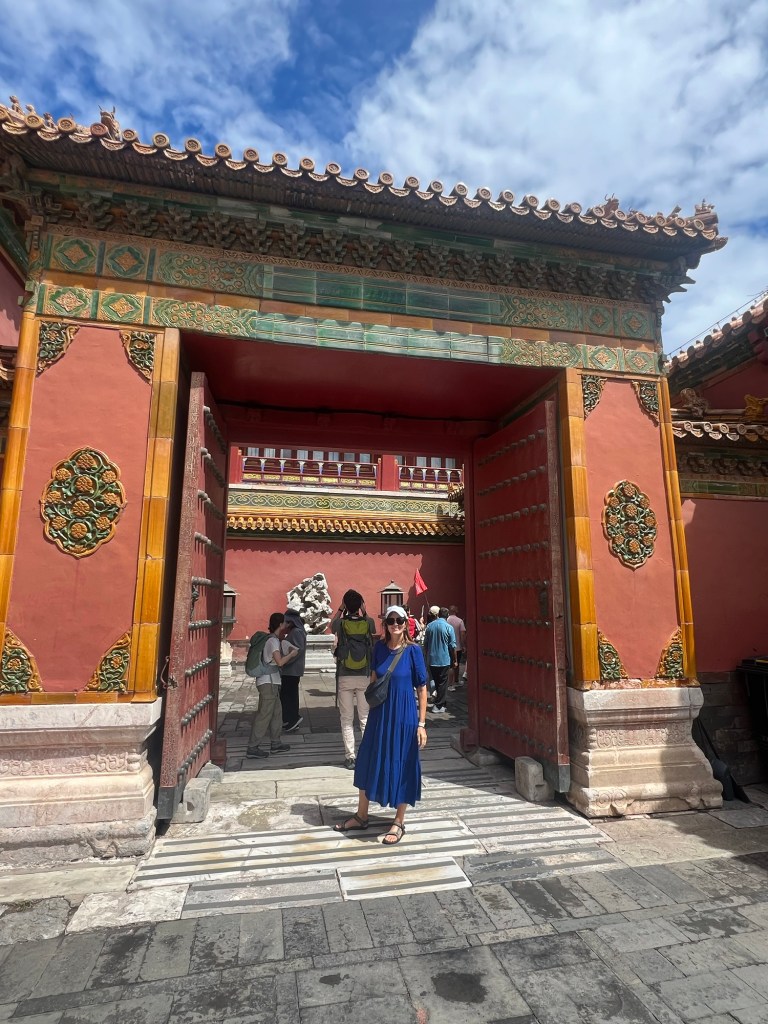
Religion was an important part of life for the imperial court. In the Qing dynasty, the Palace of Earthly Harmony became a place of Manchu Shamanist ceremony.

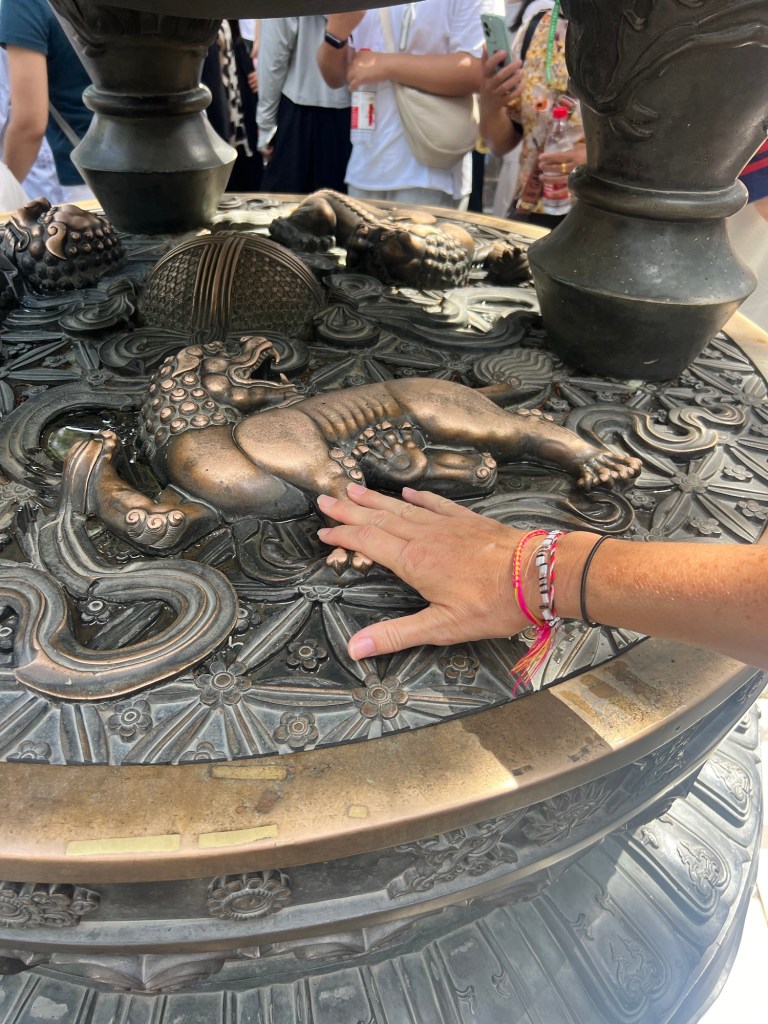
We could go on and on about the many things we observed and of which our Chinese guide was able to explain and provide an insight into the extraordinary life of the emperors that lived in the palaces over the centuries.
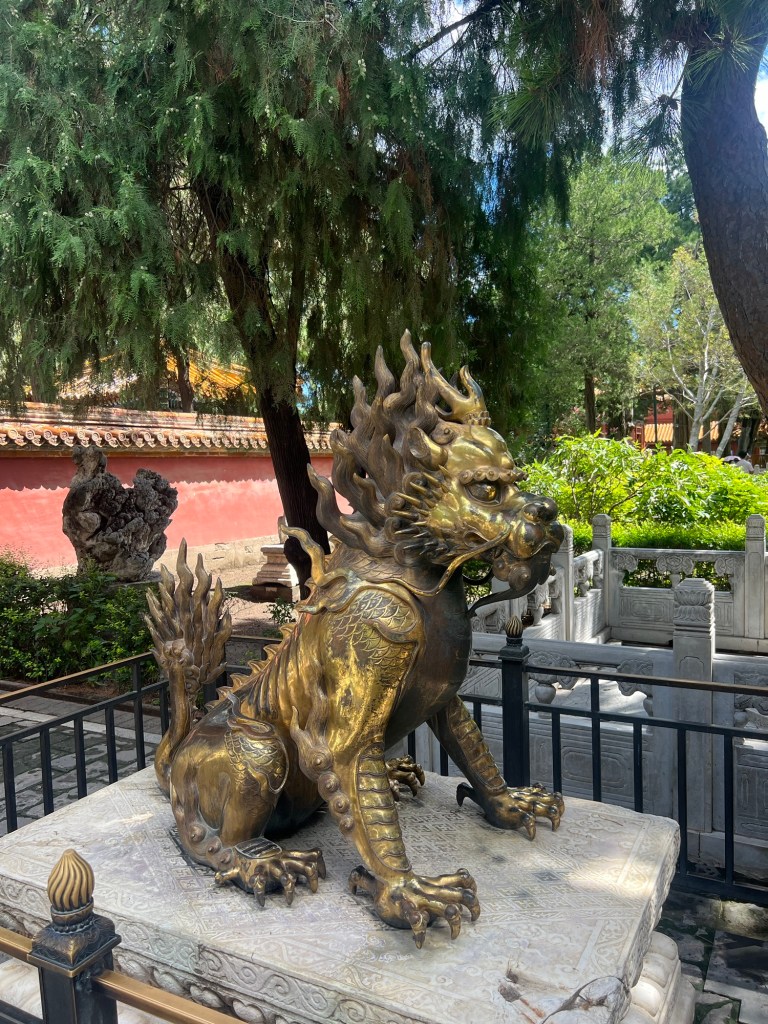
It’s fair to say we don’t remember everything but were blown away by the scale and splendour of what has been preserved and continues to be maintained by the Chinese government at a tremendous cost running into the hundreds of millions of yen each year.
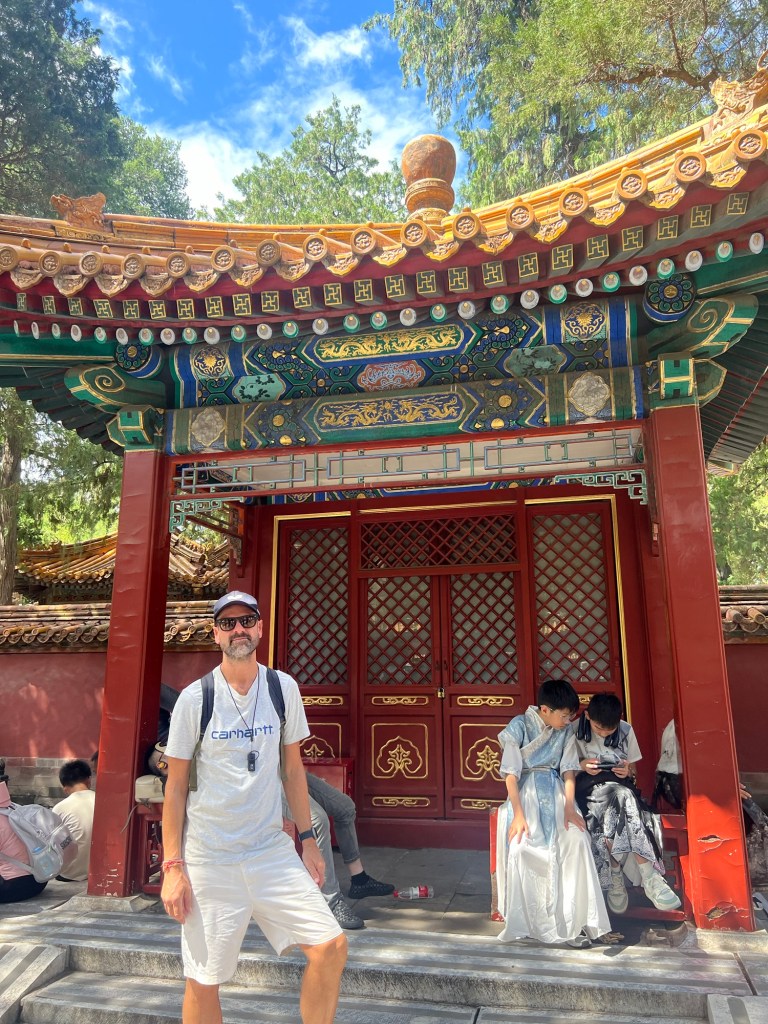
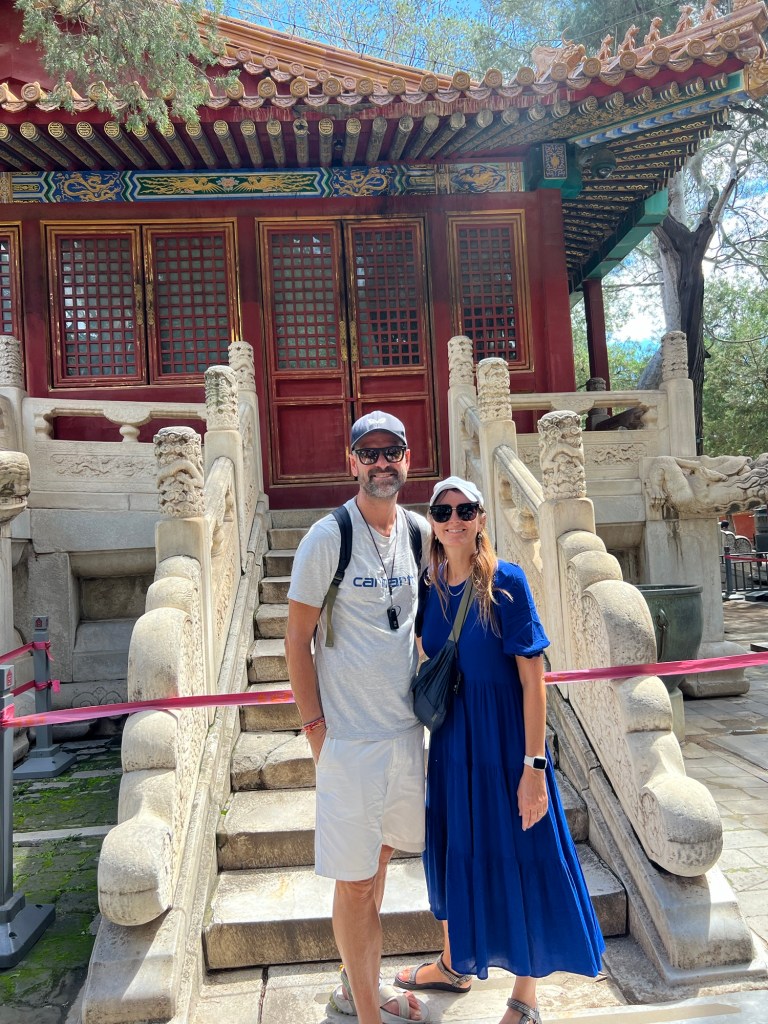
The number of buildings that you could visit was north of a hundred and we were starting to go a little ‘snow blind’ when looking at each temple.
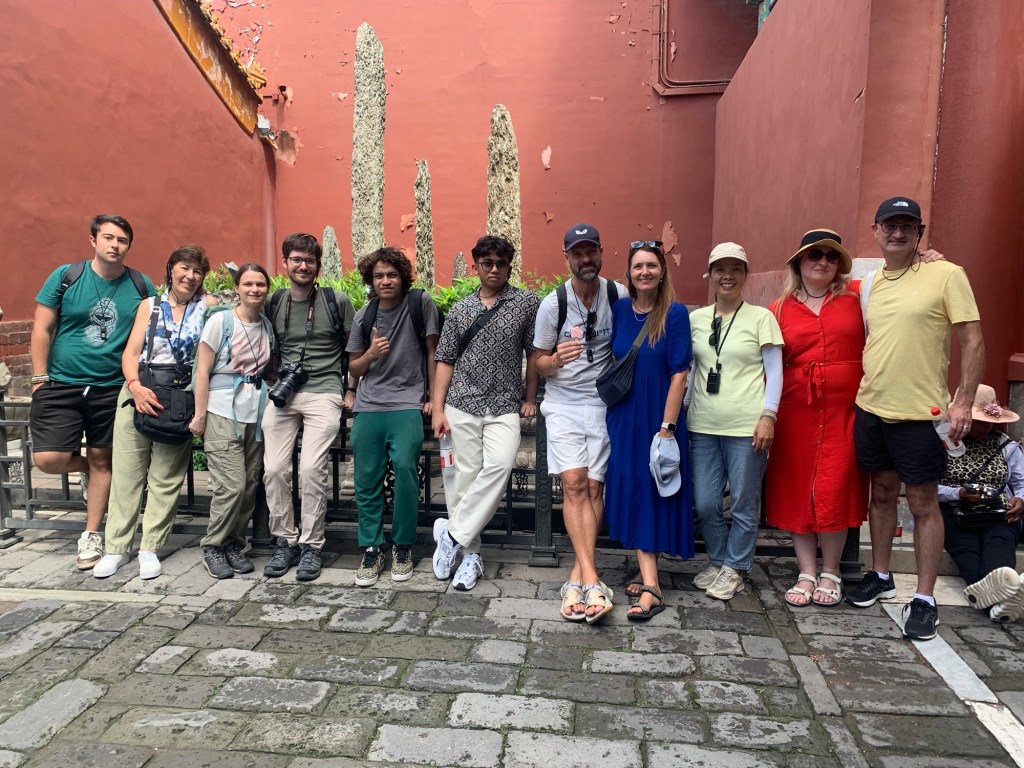
Instead we picked out a few that caught our eye and then enjoyed meeting and speaking to the other people on our tour, who emanated from Mexico, Italy, Spain and England.


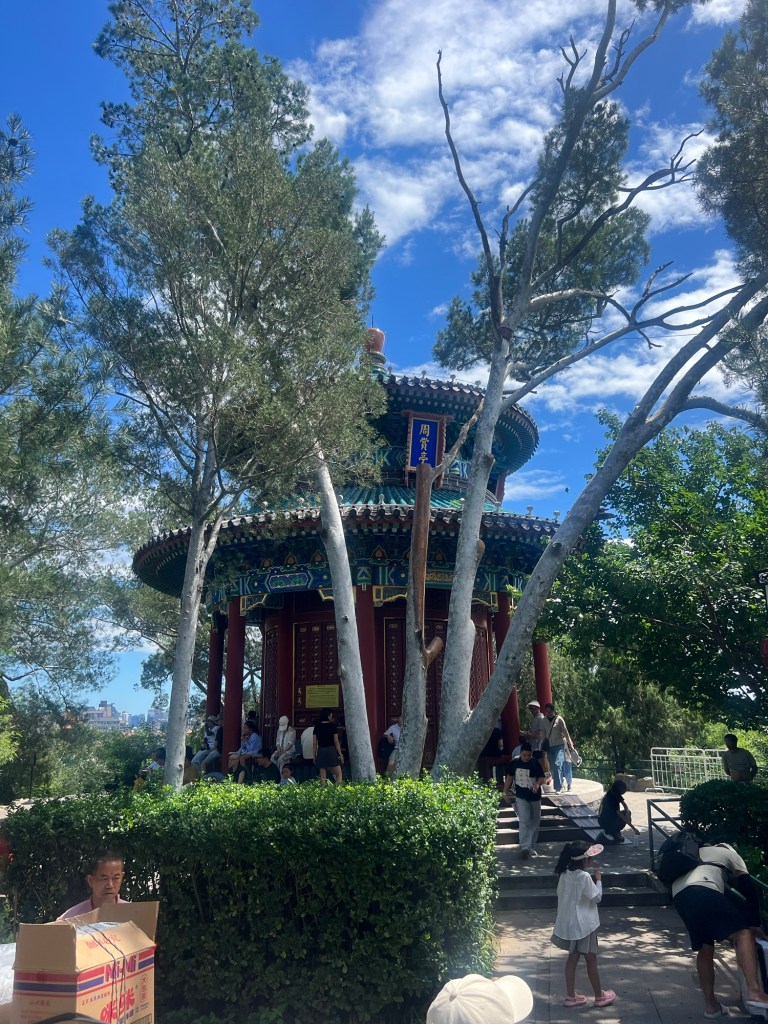
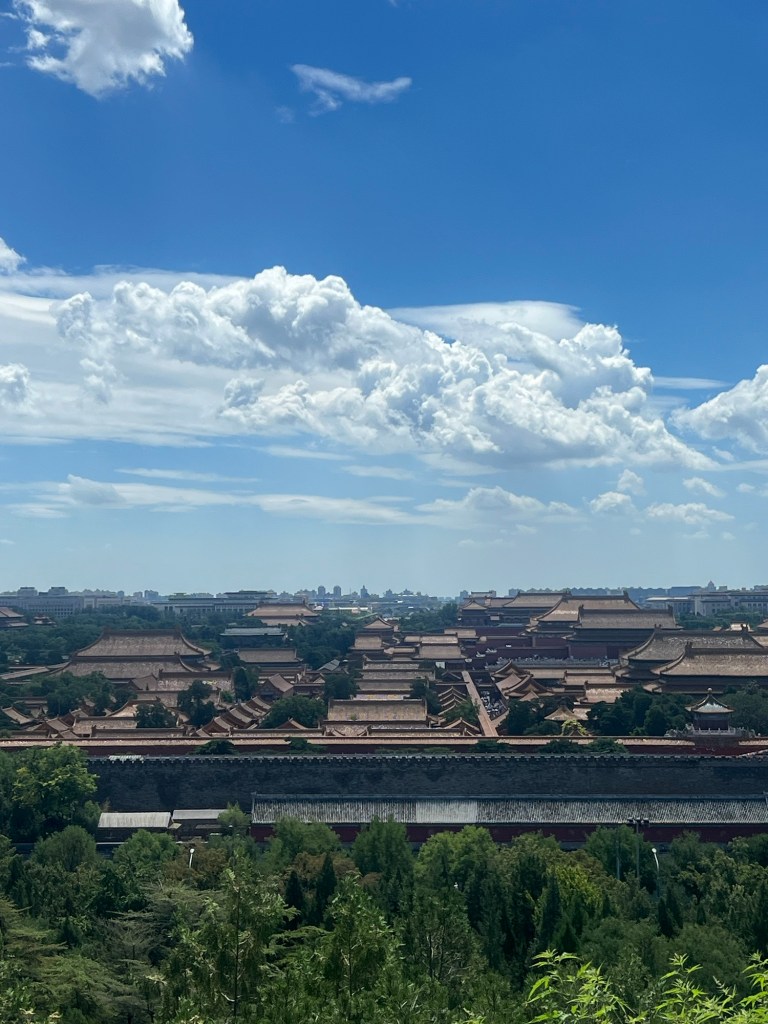
After calling time on the 4hr tour of the Forbidden City, we then walked up the hill in Jingshan Park, a former imperial park covering 23 hectares. The focal point is the artificial hill, formerly private grounds of the Forbidden City, but which was opened to the public in 1928. The views from the hill are spectacular and look down and across the palace and the rest of the city.
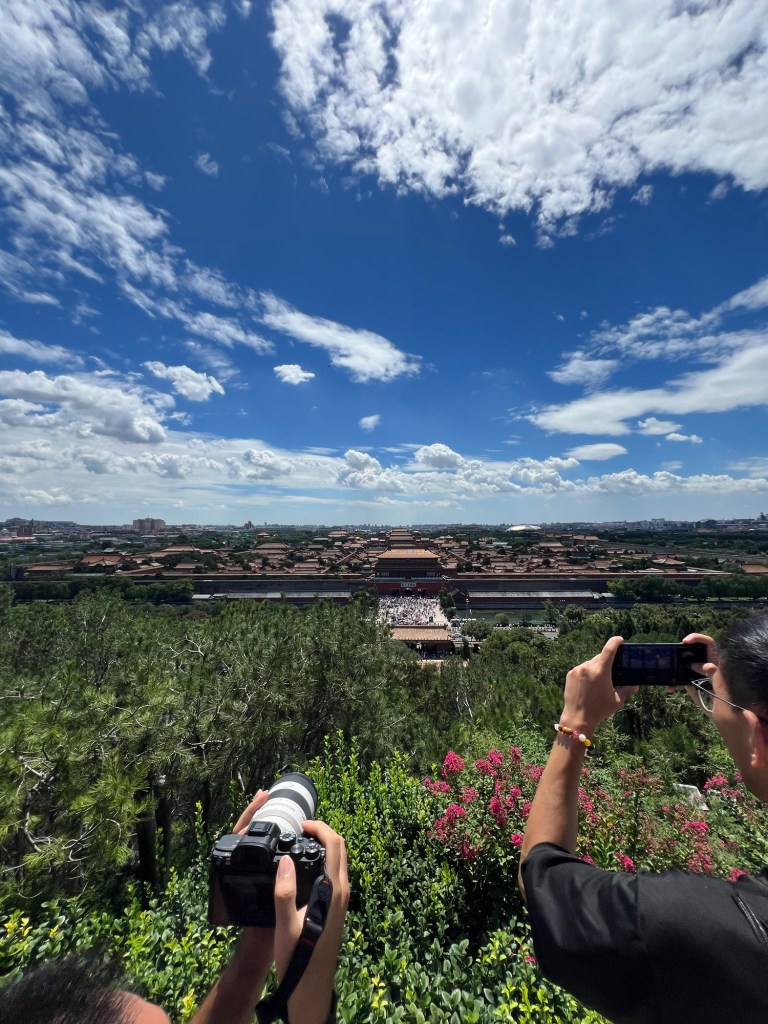
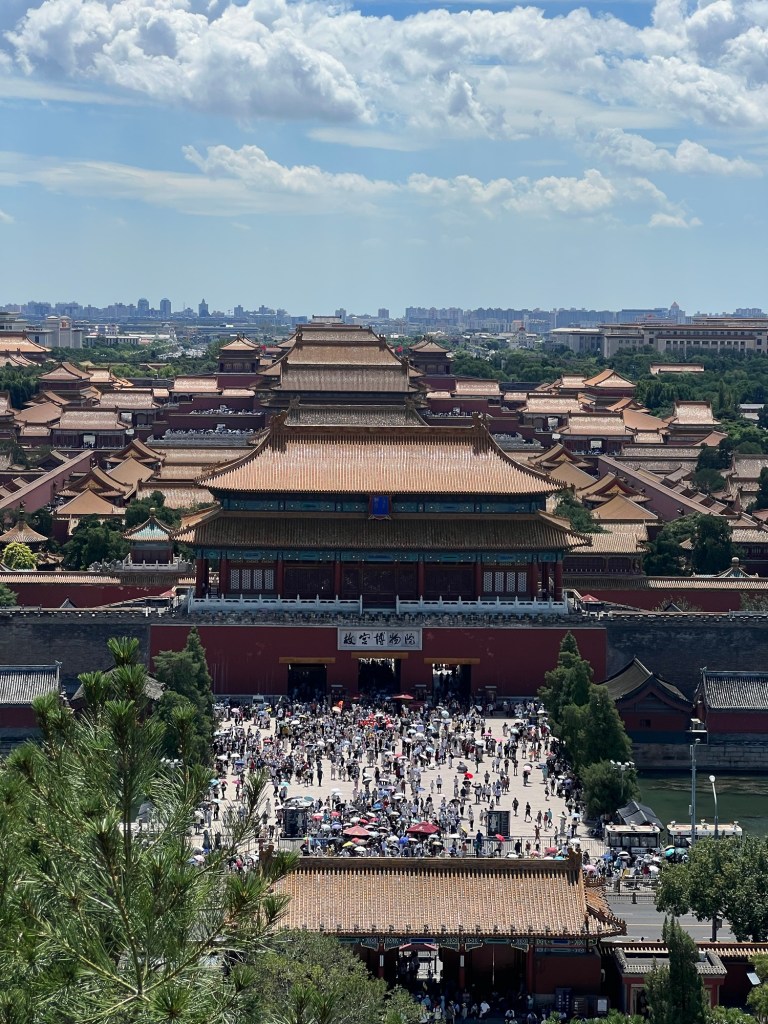

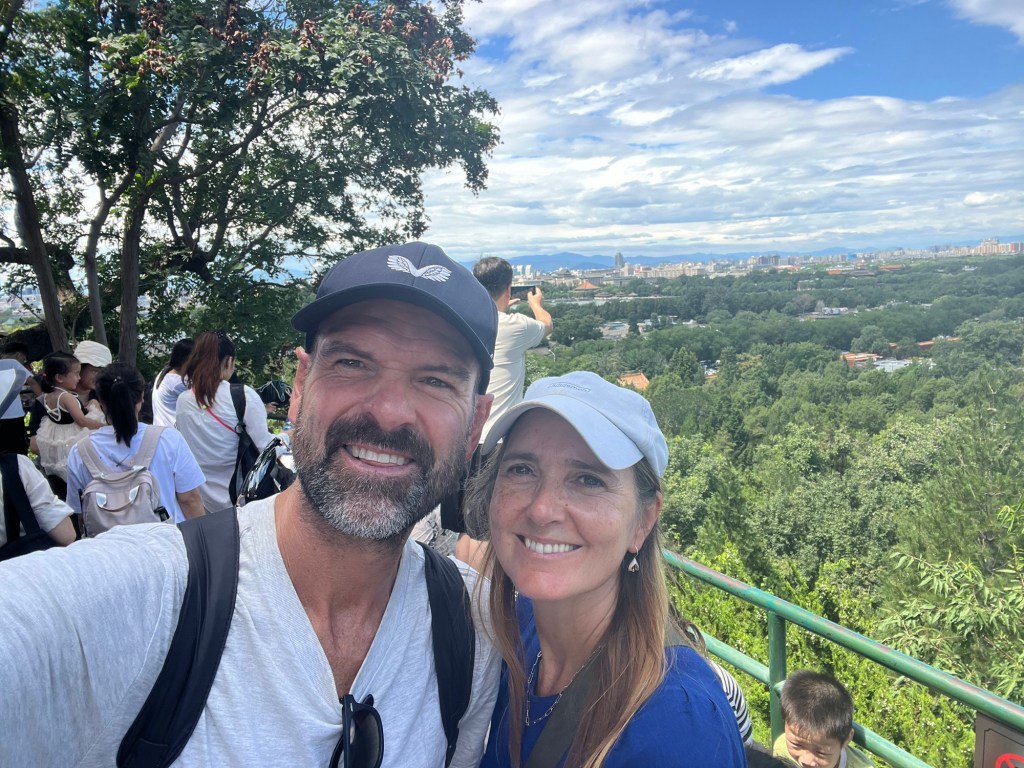
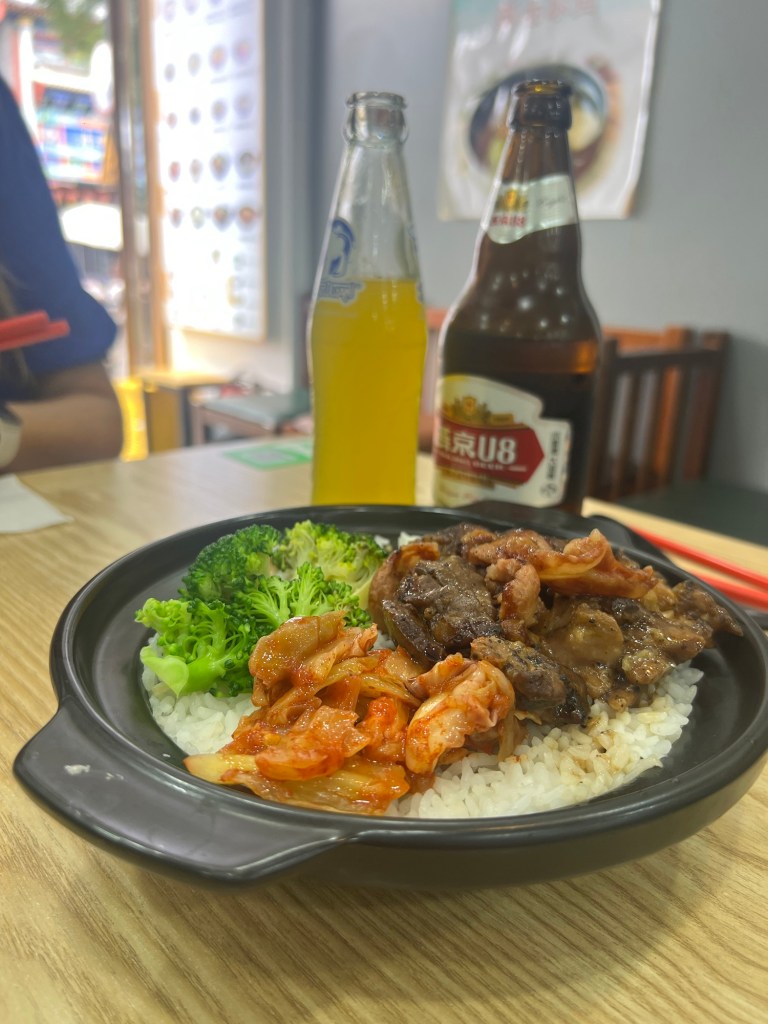
After all that walking, we had worked up an appetite and before visiting the Temple of Confucius we visited a local restaurant for lunch and Andy got stuck in to chicken and sausage with rice and veg, a local delicacy. The local beer played its part and helped to wash it down and we were back on the tourist road within 30mins.
The temple of Confucius in Beijing is one of the largest in China and proved equally spellbinding due to the scale and range of artefacts on display.
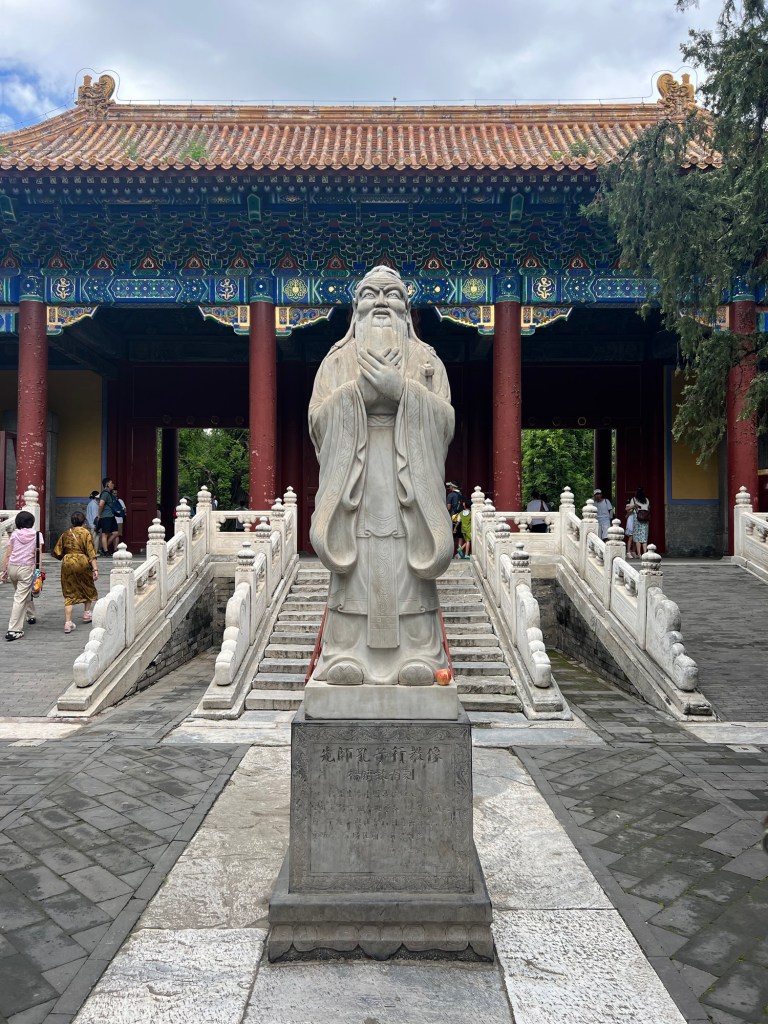
The retention of the religious items and the quality of their condition was truly remarkable.
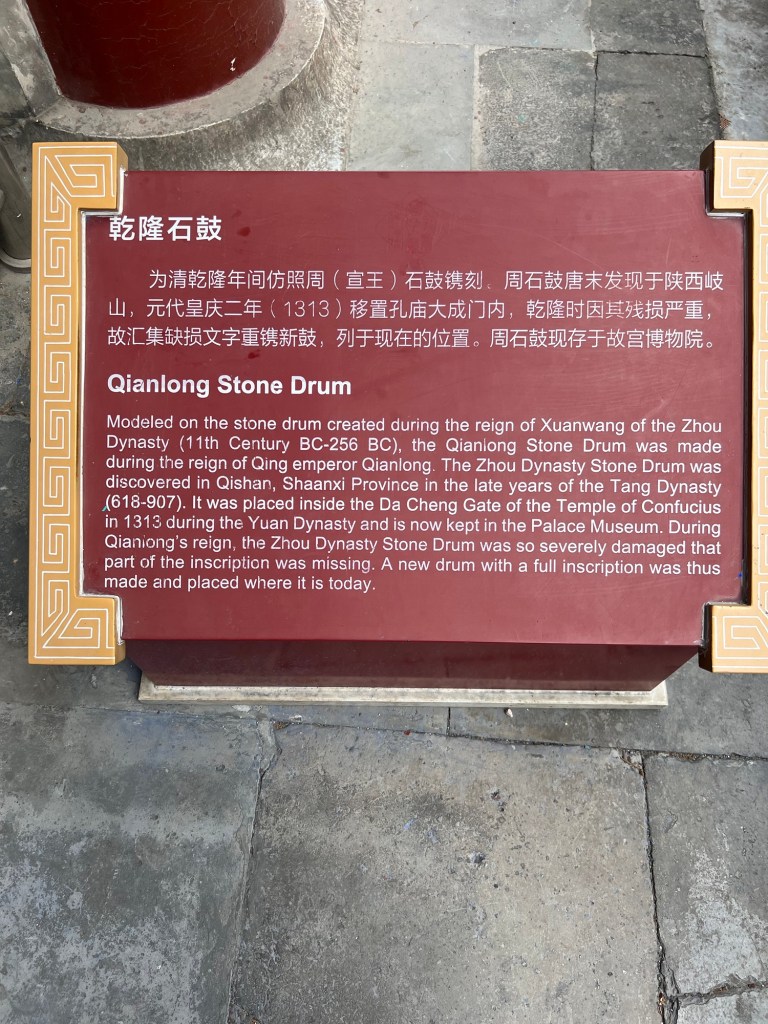

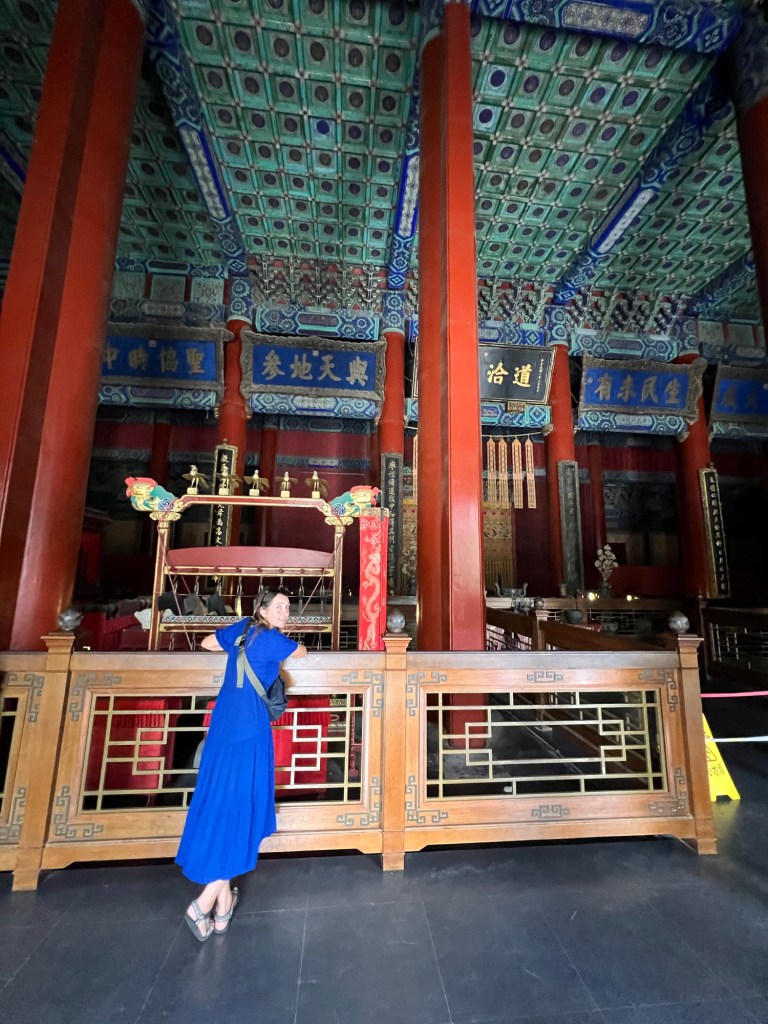
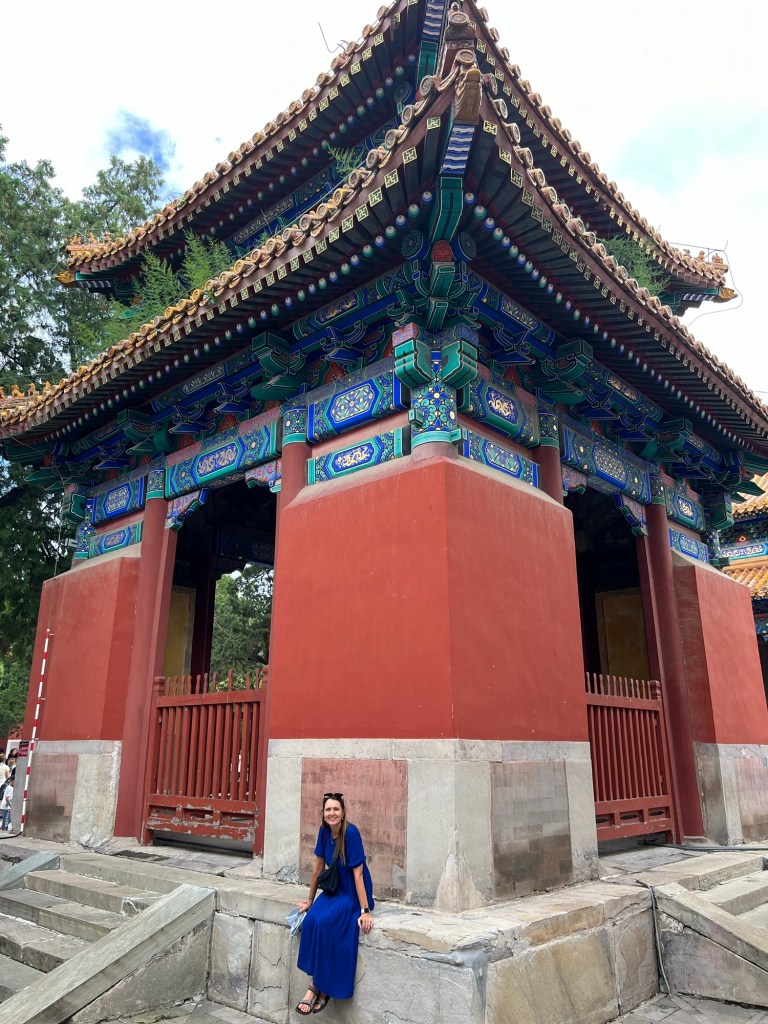
Again we were forced to concentrate on those buildings and artefacts that caught our eye and we were unable to see everything as we would otherwise still be there now!

One odd, but pleasant experience since we arrived has been the number of children who want their photo with European people. Today alone we must have had upwards of a dozen photos with random people!
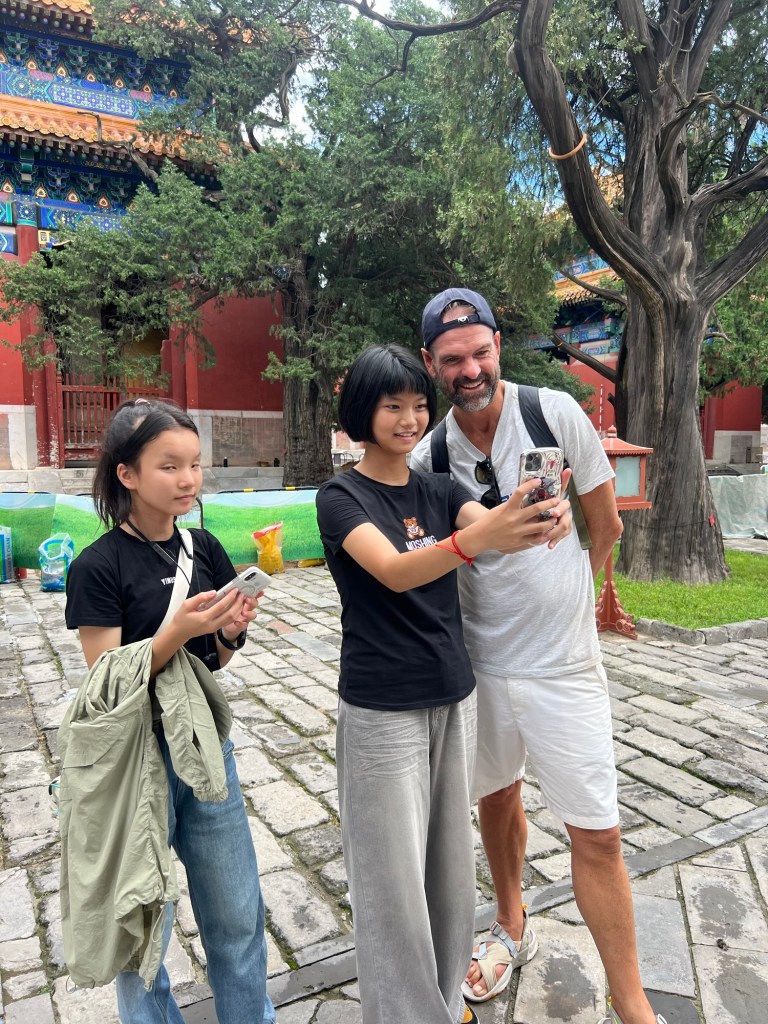
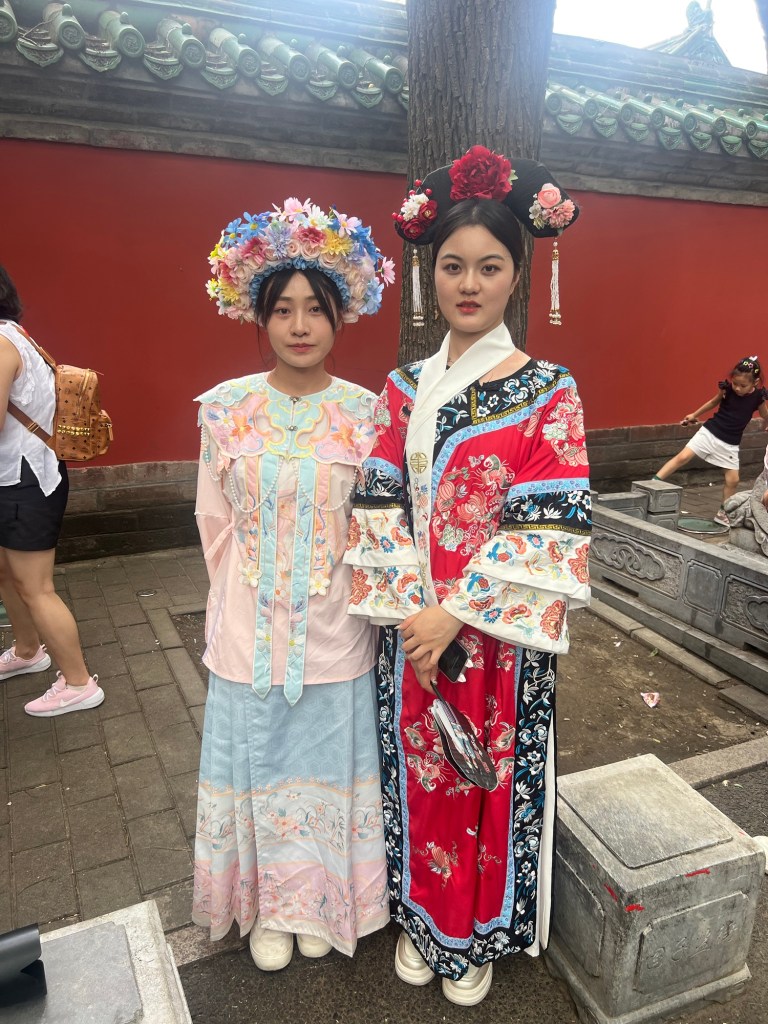
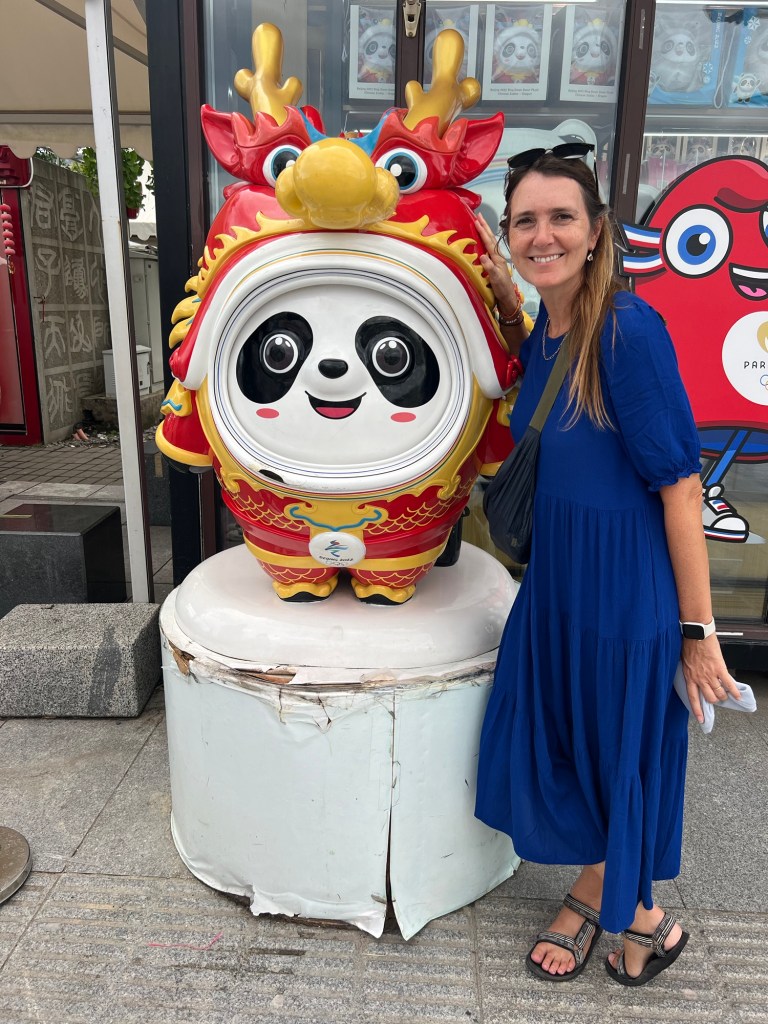
After all that history and culture, we decided late afternoon to go out to the Olympic village from the Beijing 2008 & 2022 games.
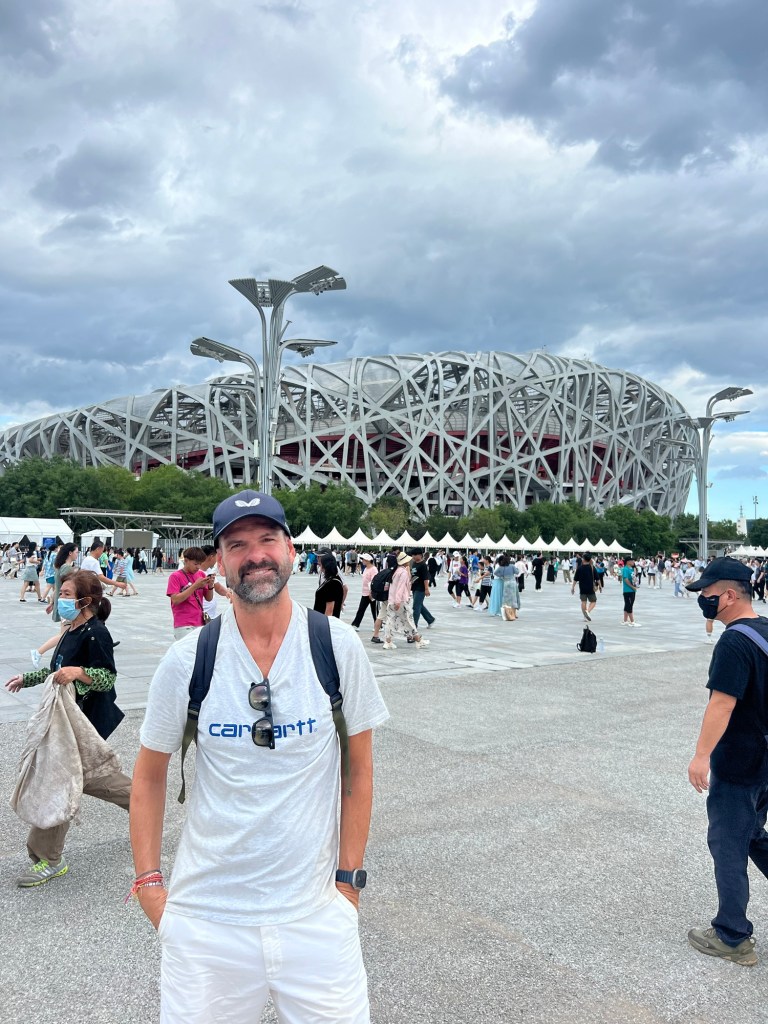
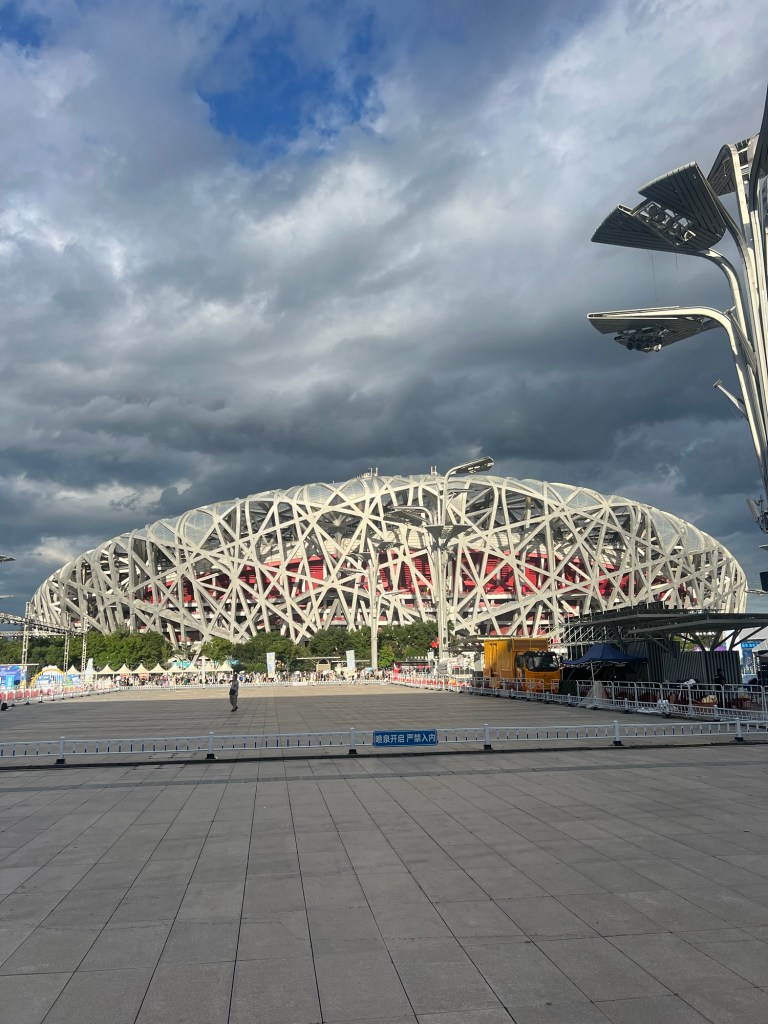
We had been told to check out the ‘Birds Nest’ or better known as the Olympic Stadium. As it turned out there was a concert on with Jason Zhang a Chinese singer who came to fame via a tv series competition. The result was the area was filled with young girls who were dressed to impress!
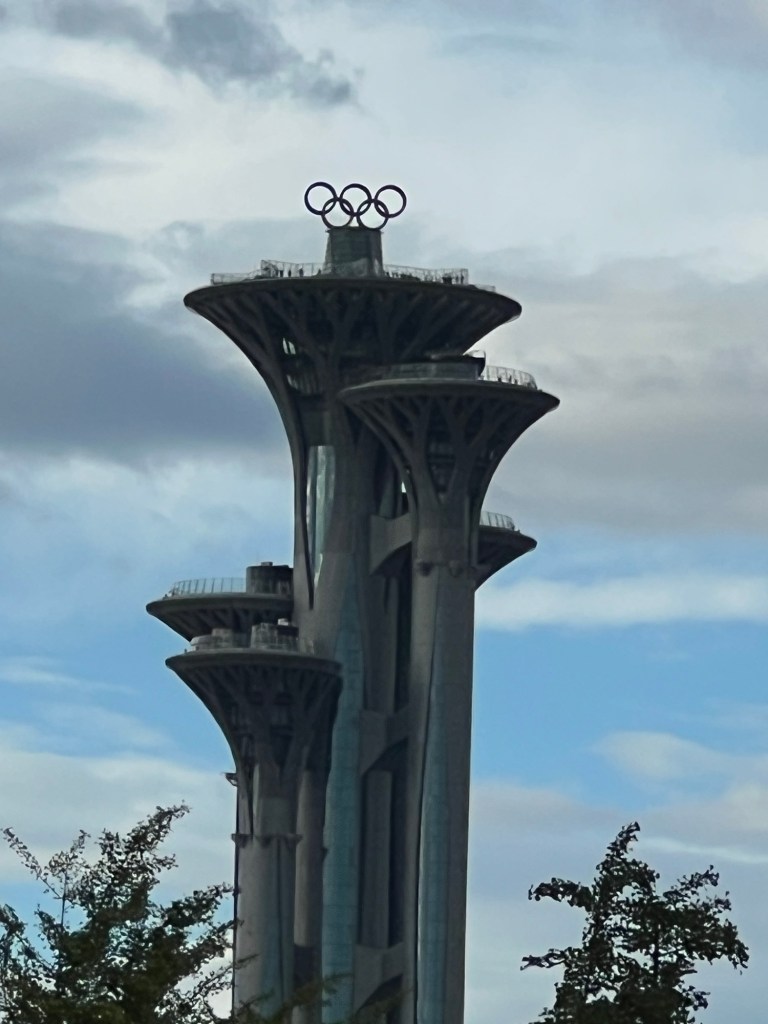
As we walked around the Olympic grounds we must have looked a little out of place with the young concert goers, but we didn’t mind and they seemed keen to get their photo with us too.
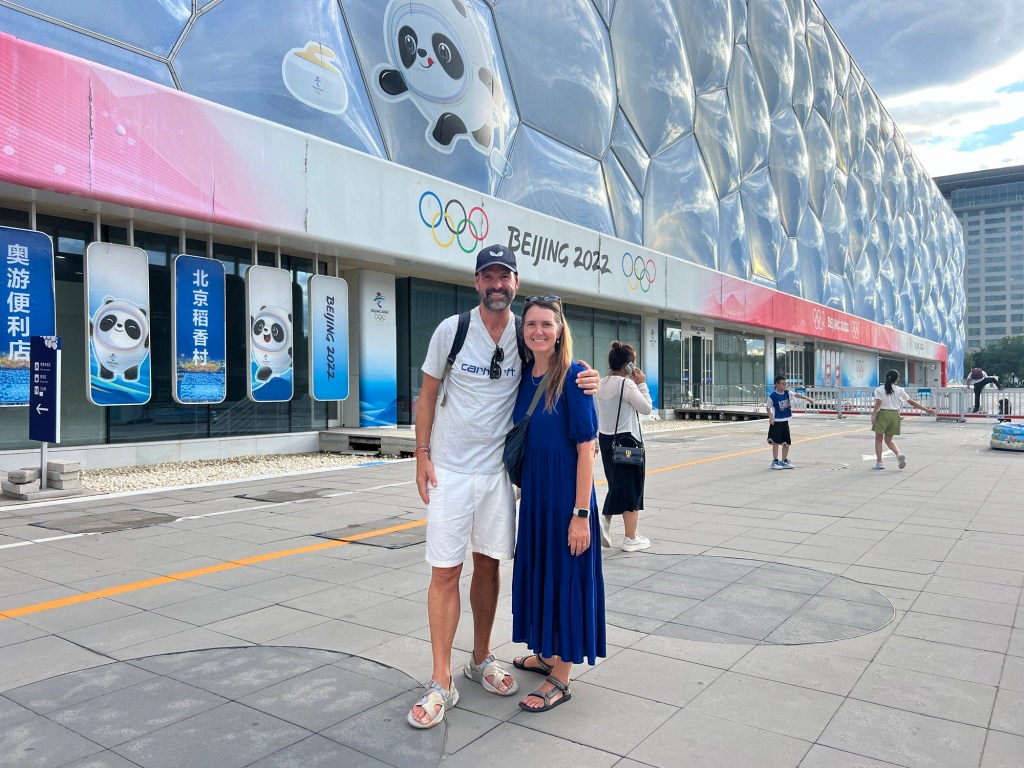
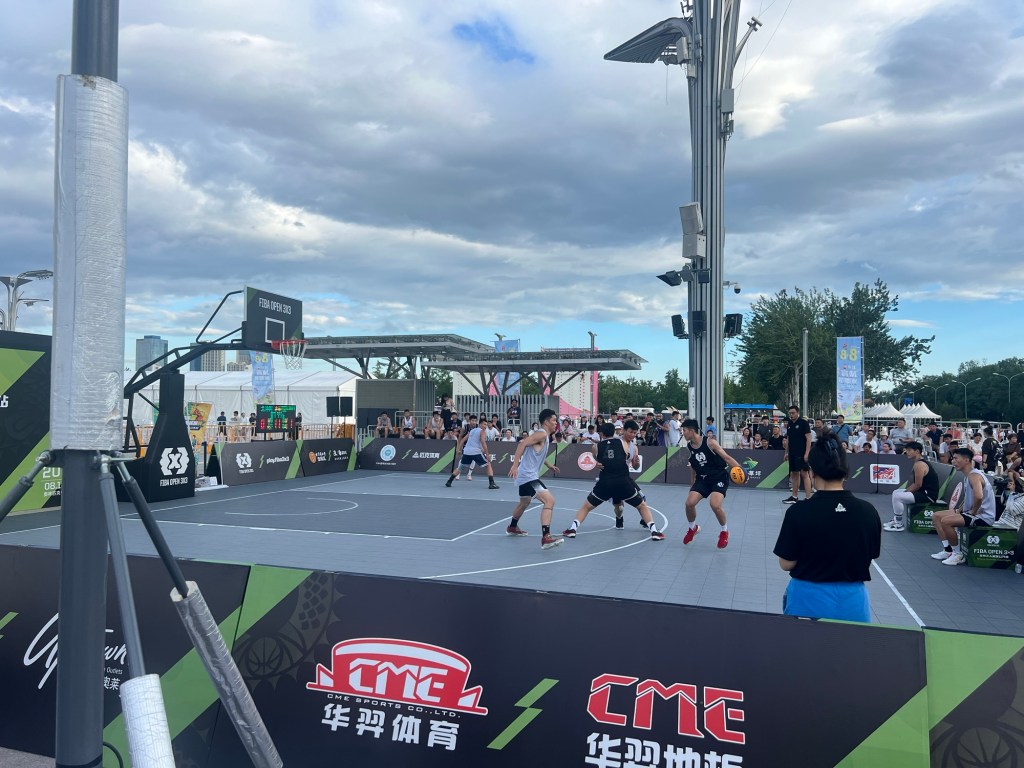
We found the water cube where the aquatic competition was held which is a huge square shaped building on a massive scale.
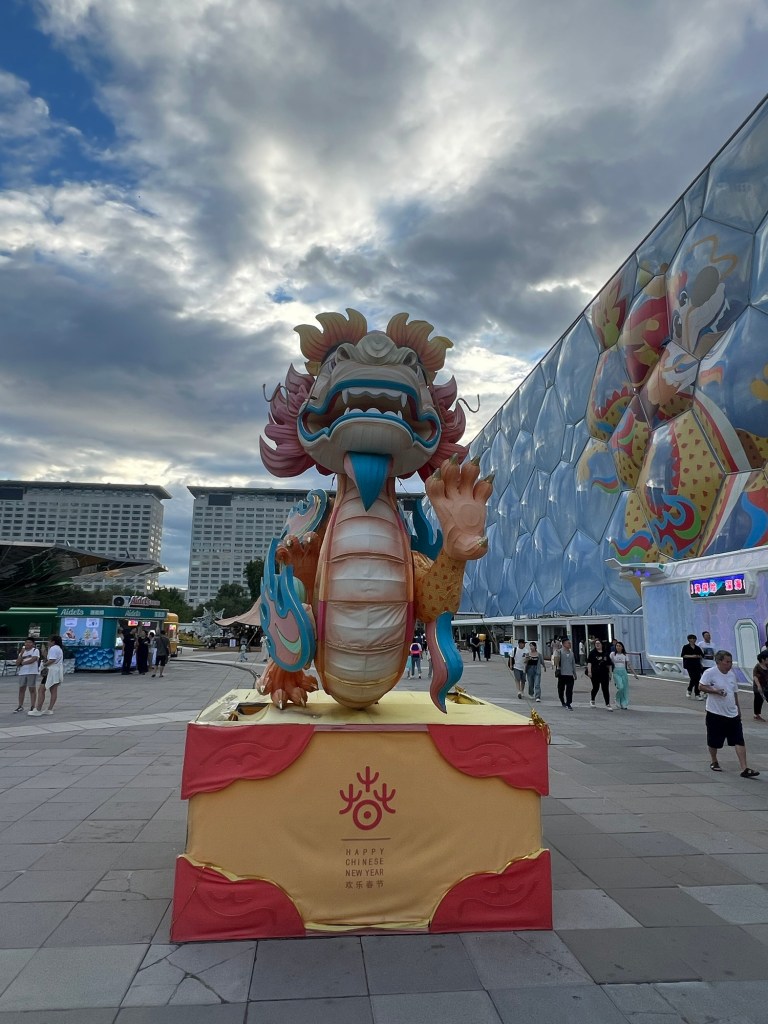
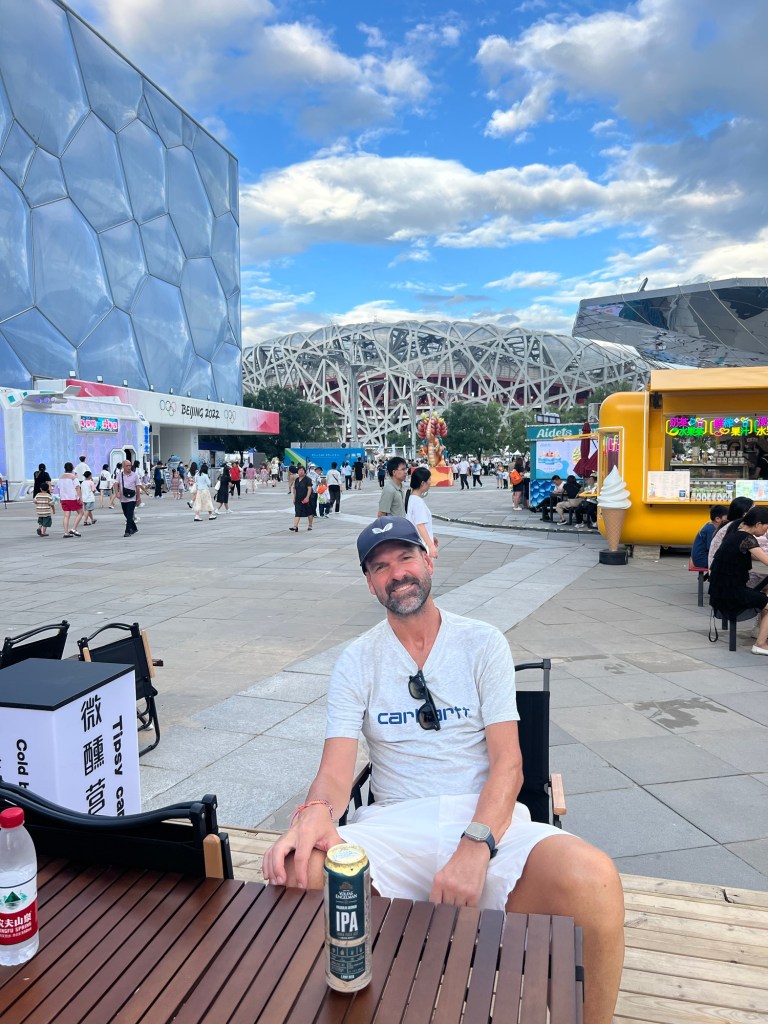


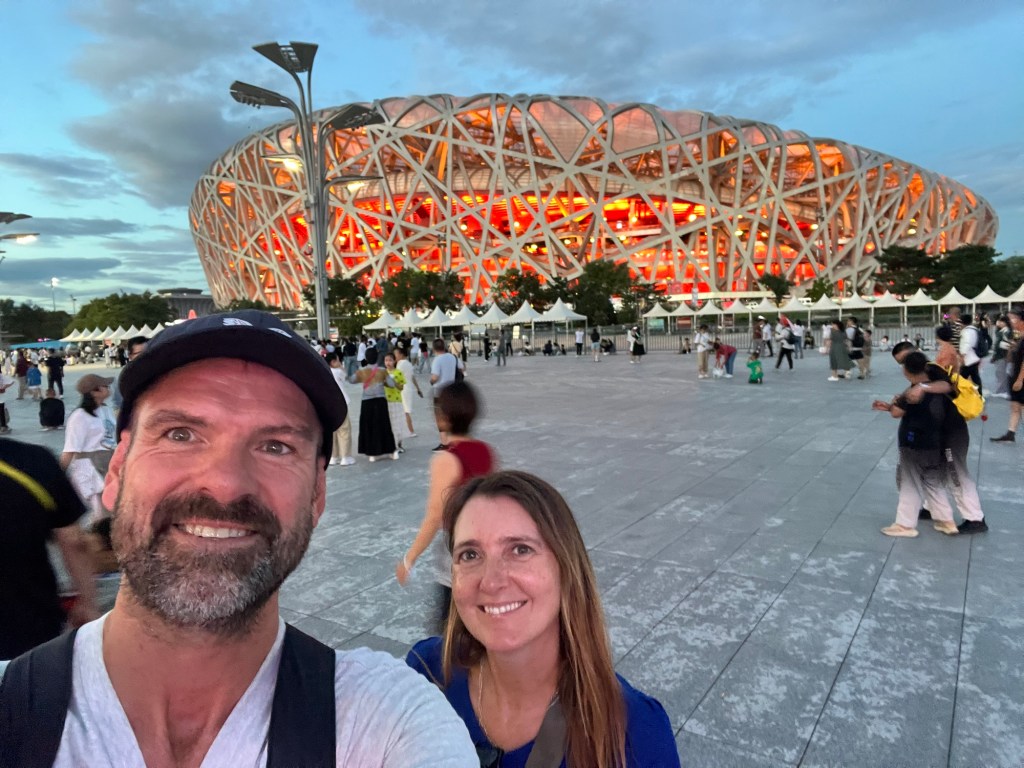
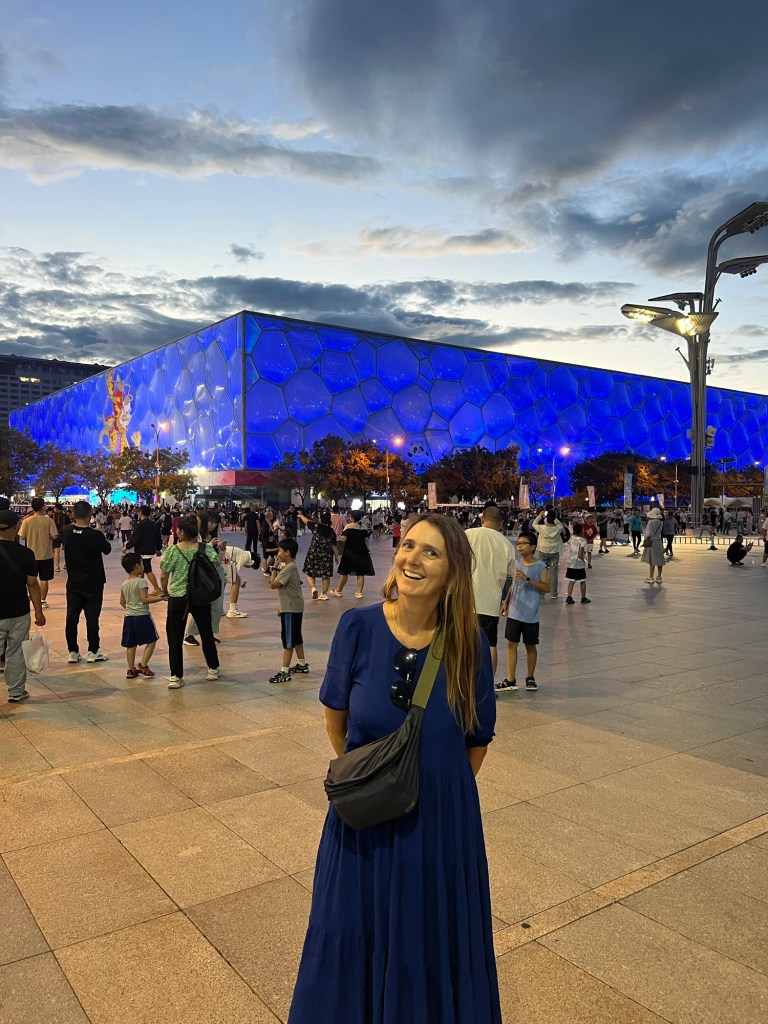
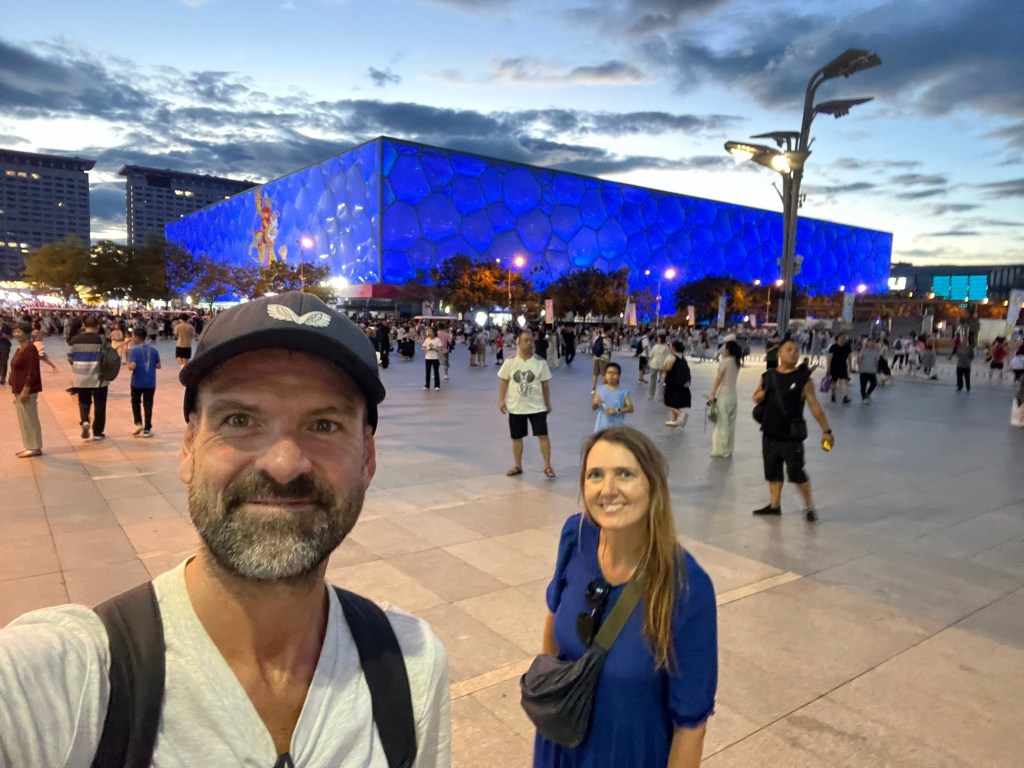
On our walk back to the subway we witnessed some incredible buildings all lit up creating a mesmerising view.

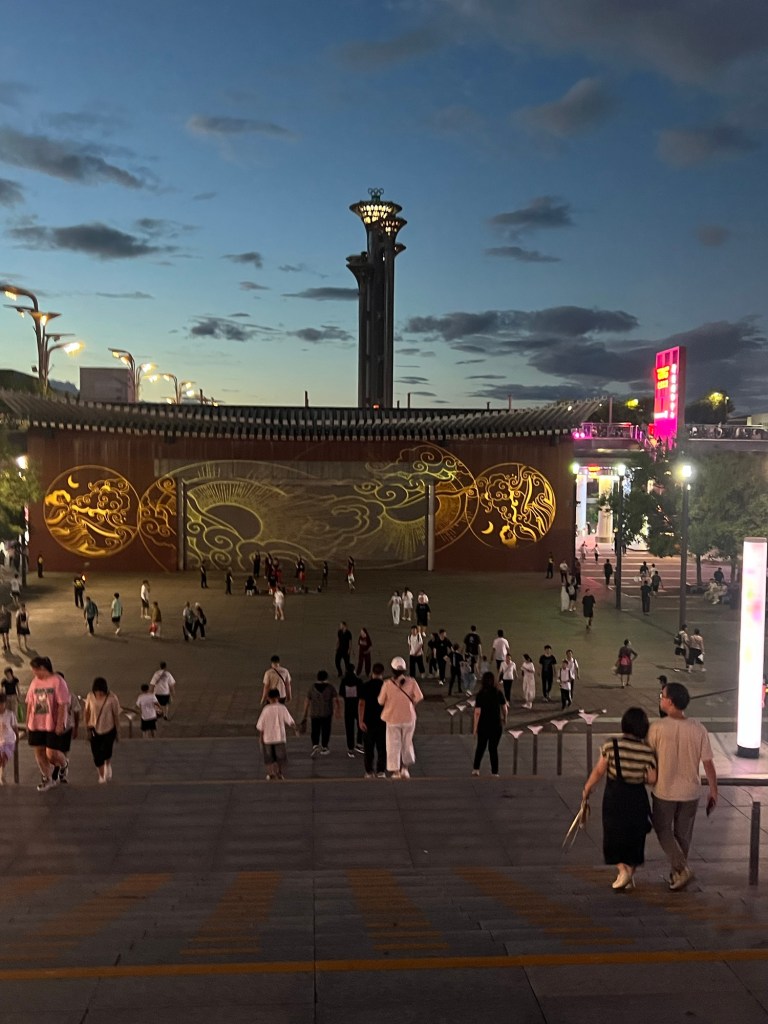
After leaving our hotel at 7.20am, we returned this evening at 8.45pm after a very full day. Tomorrow offers a similar theme, with a morning trip to Tian’anmen Square and an afternoon at the Summer Palace so we need to rest up and go again on Monday!
 @travellingwiththeateam