Another full day on the tourist trail around Beijing.
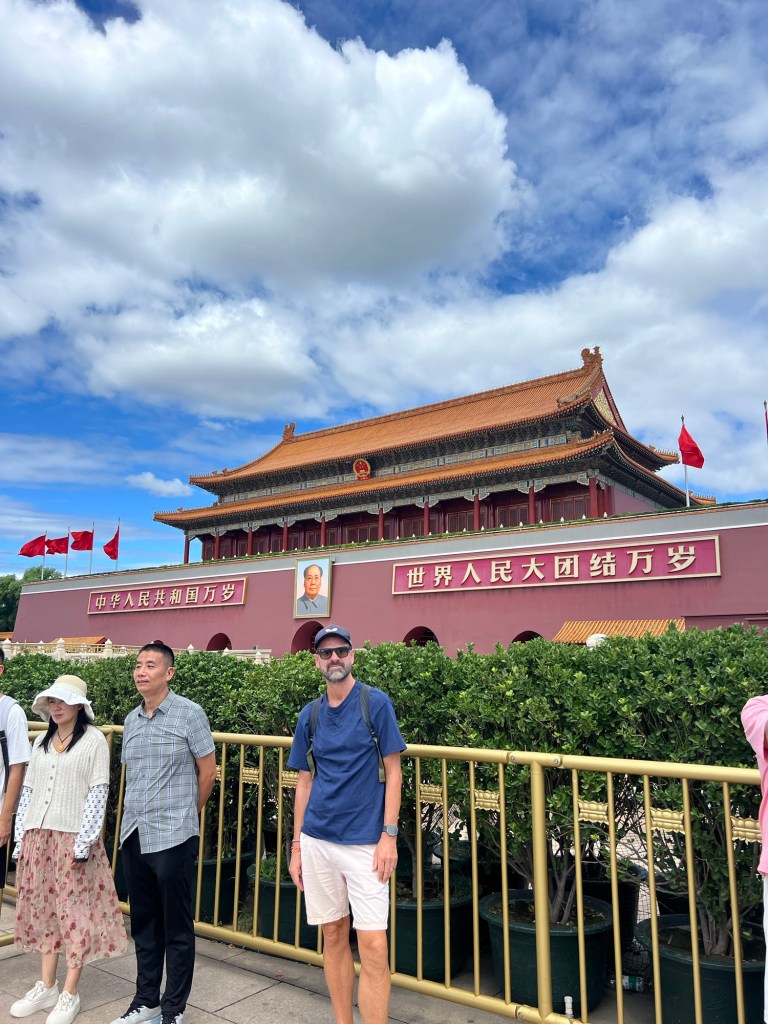
Again we got ahead of the crowds and made our way to the infamous Tian’anmen Square, named after the eponymous Tiananmen (Gate of Heavenly Peace) located to the north, which separates it from the Forbidden City.
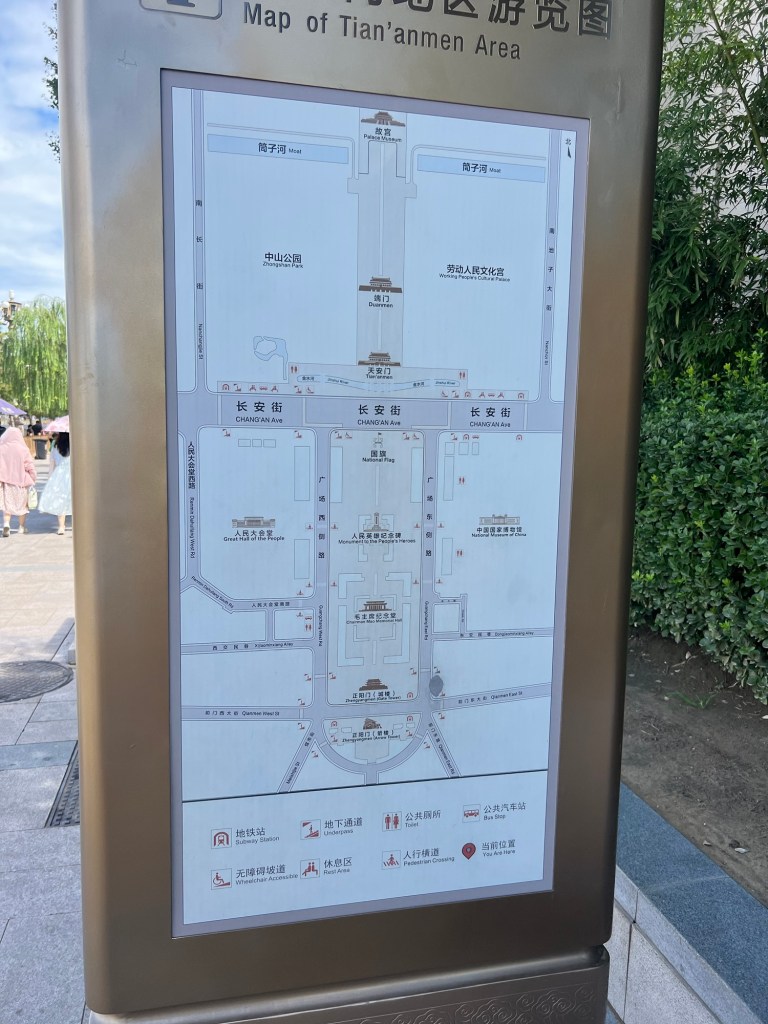
We managed to get entry tickets the day before, as we were advised that you can’t just turn up and walk around, despite it being free to enter. Needless to say the security around the area is significant and we were asked to show our passports on two separate occasions before we gained entry to the large square area.
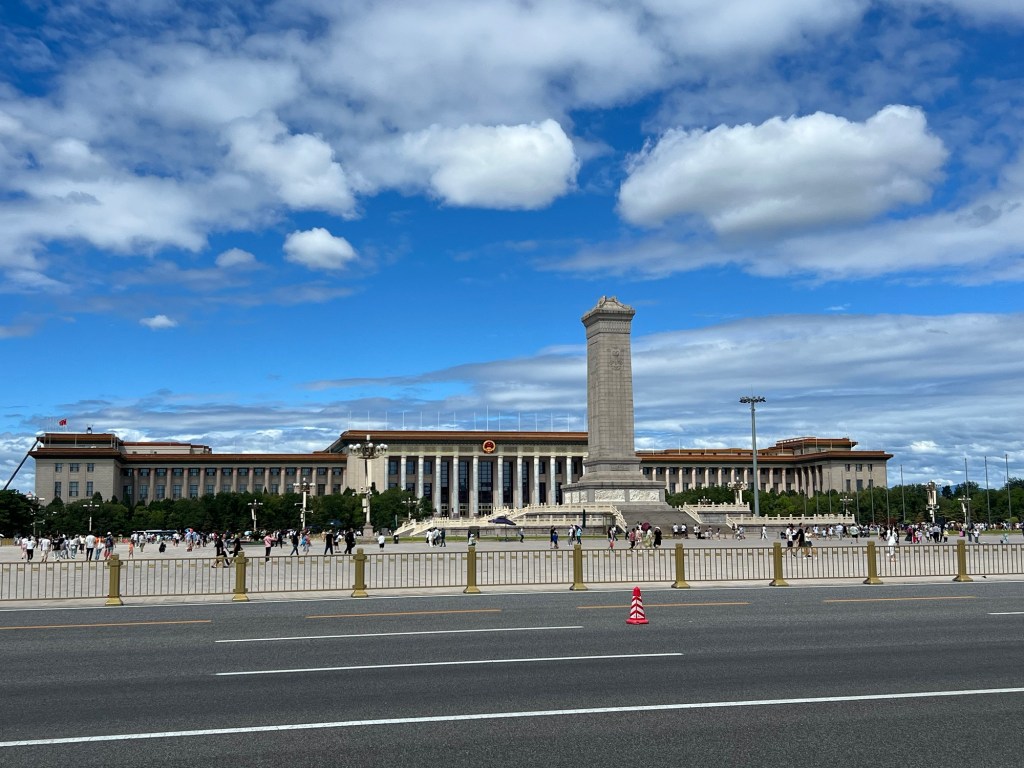
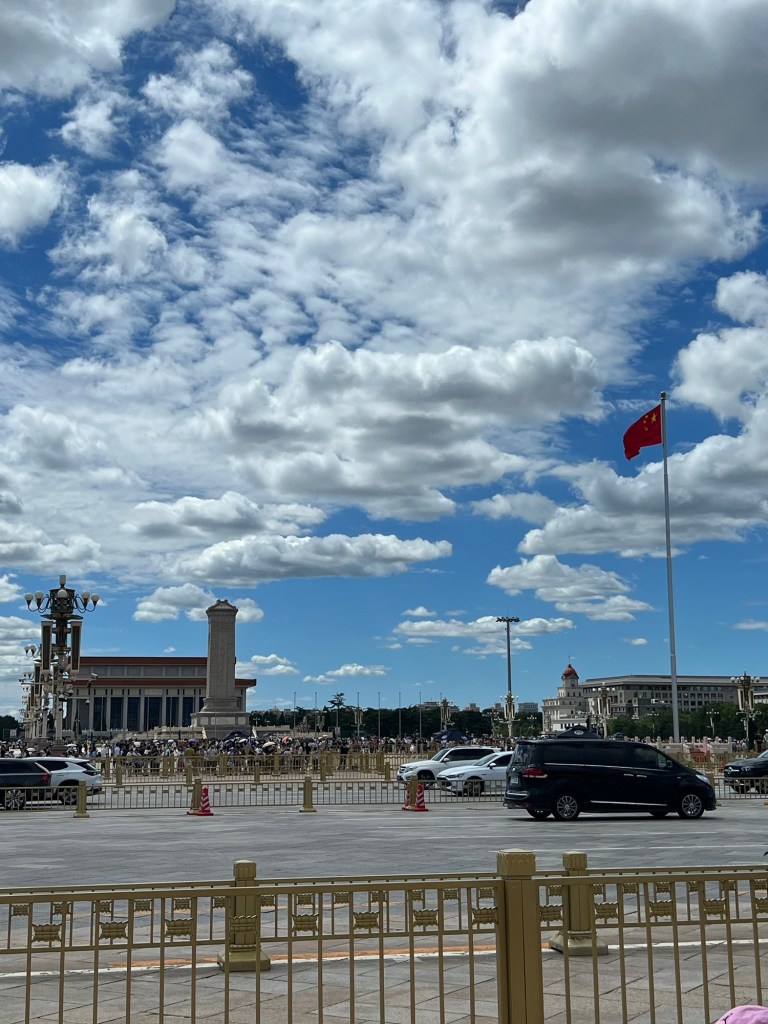
The square contains the Monument to the Peoples Heroes, the Great Hall of the People, the National Museum of China and the and the Mausoleum of Chairman Mao.
Outside China, the square is best known for the 1989 protests and massacre that ended with a military crackdown due to international media coverage, internet global connectivity and the political implications. Within China, little, if anything about the massacre is known by most Chinese due to strict censorship.
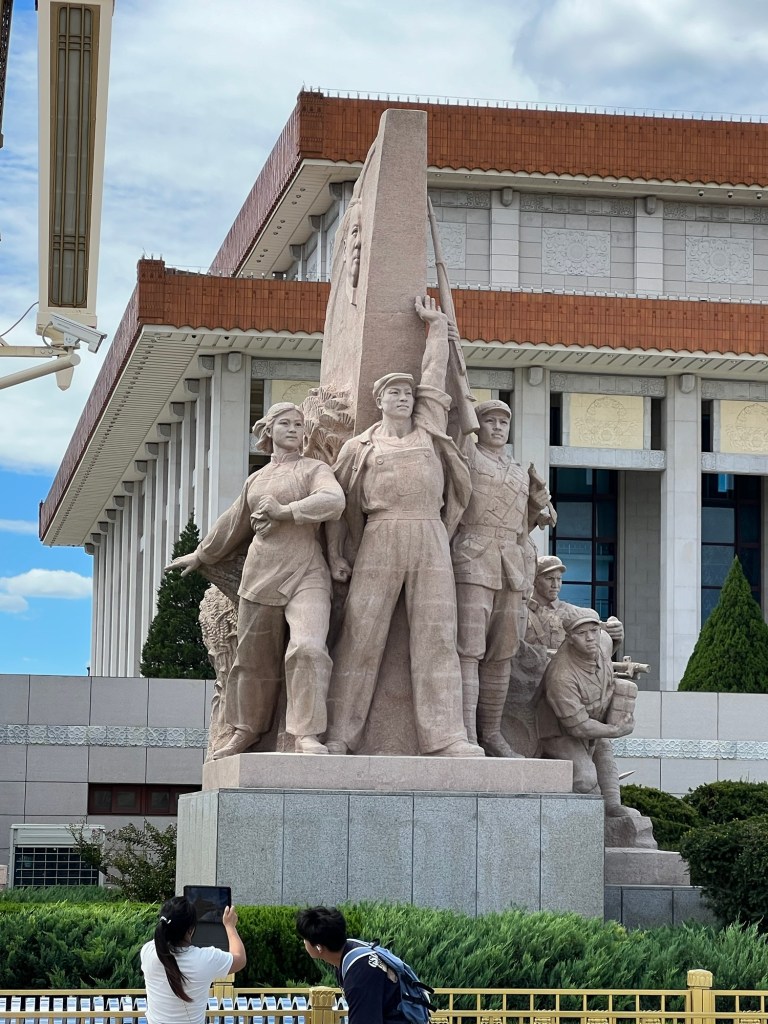
In Beijing, Tiananmen was re-developed from an insular imperial quarter to a larger public space viewed as socialist political statement during the 1950s and the square was quadrupled in size.
This followed the vision of Mao to make the square the largest and most spectacular in the world and intended to hold over 500,000 people. It truly is one of the largest open spaces we have ever seen and is testament to the importance that China places to the heart of the country.
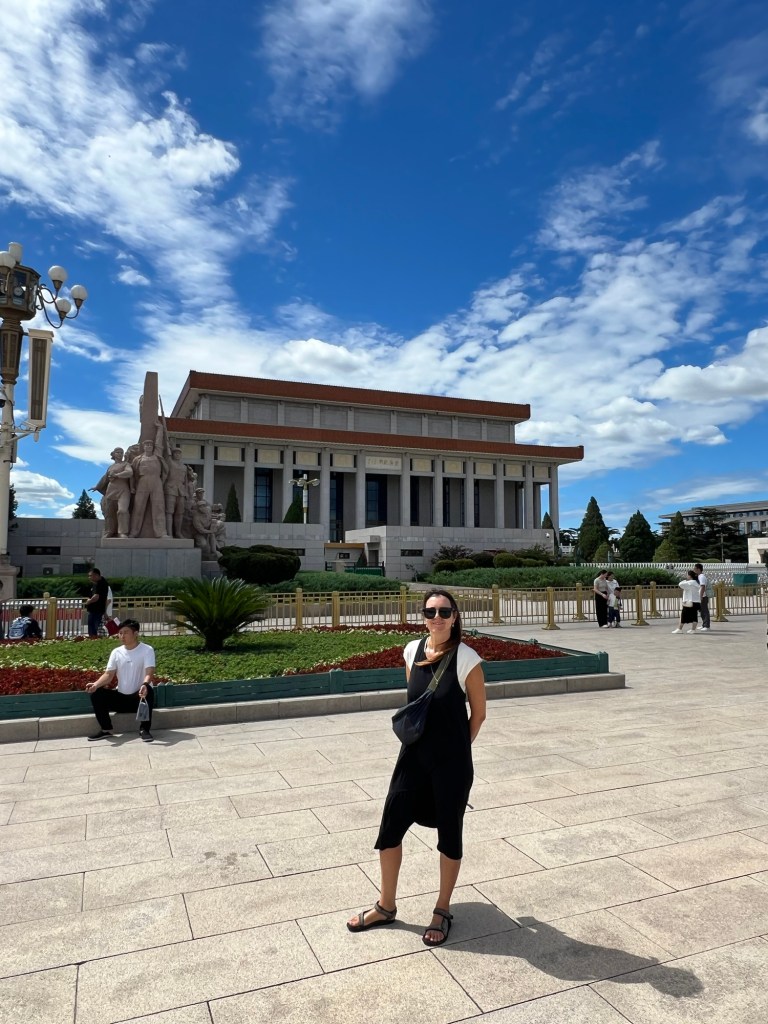
On its southern edge, the Monument to the Peoples Heroes has been erected. This formed part of the Ten Great Buildings constructed between 1958 and 1959 to commemorate the ten-year anniversary of the People’s Republic of China (PRC), the Great Hall of the People and the Revolutionary History Museum were erected on the western and eastern sides of the square.
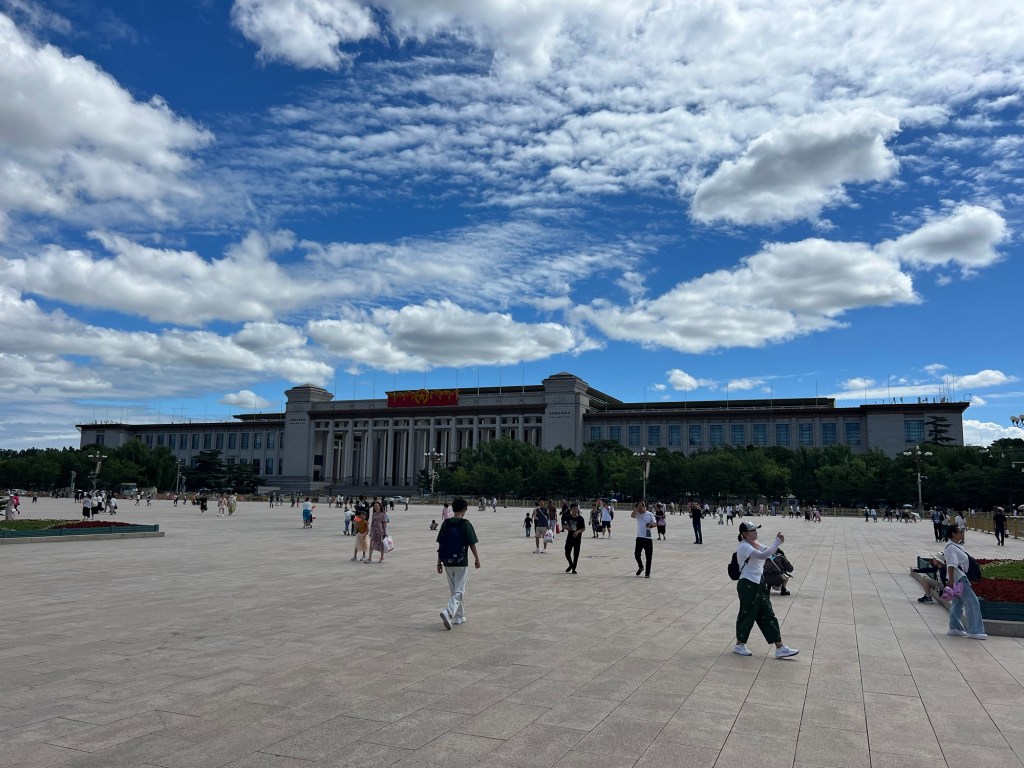
All of the buildings are about scale and dominate the various sides of the lengthy square.
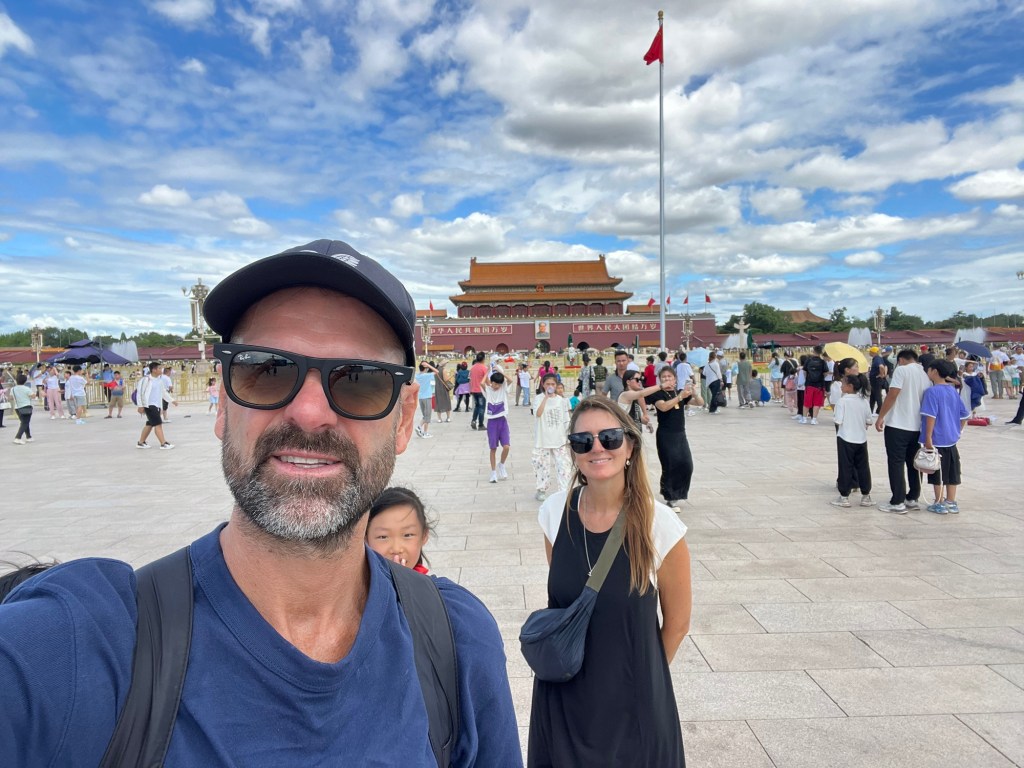
However your eye is of course drawn to the photo of Chairman Mao and his mausoleum which sits in front of the Forbidden City which is very symbolic and places him in a god like status, both geographically and figuratively.
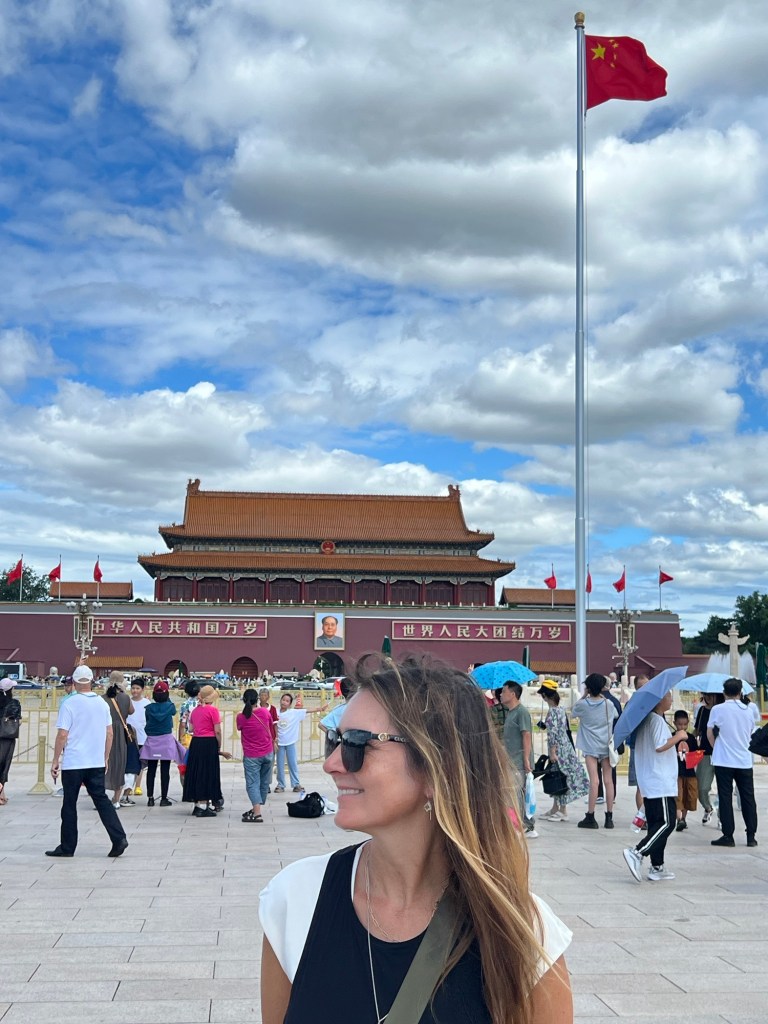
We spent a good hour walking to the various sides of the square and it was interesting to watch the people and their reaction to the various buildings, notably Mao which naturally steels the show.
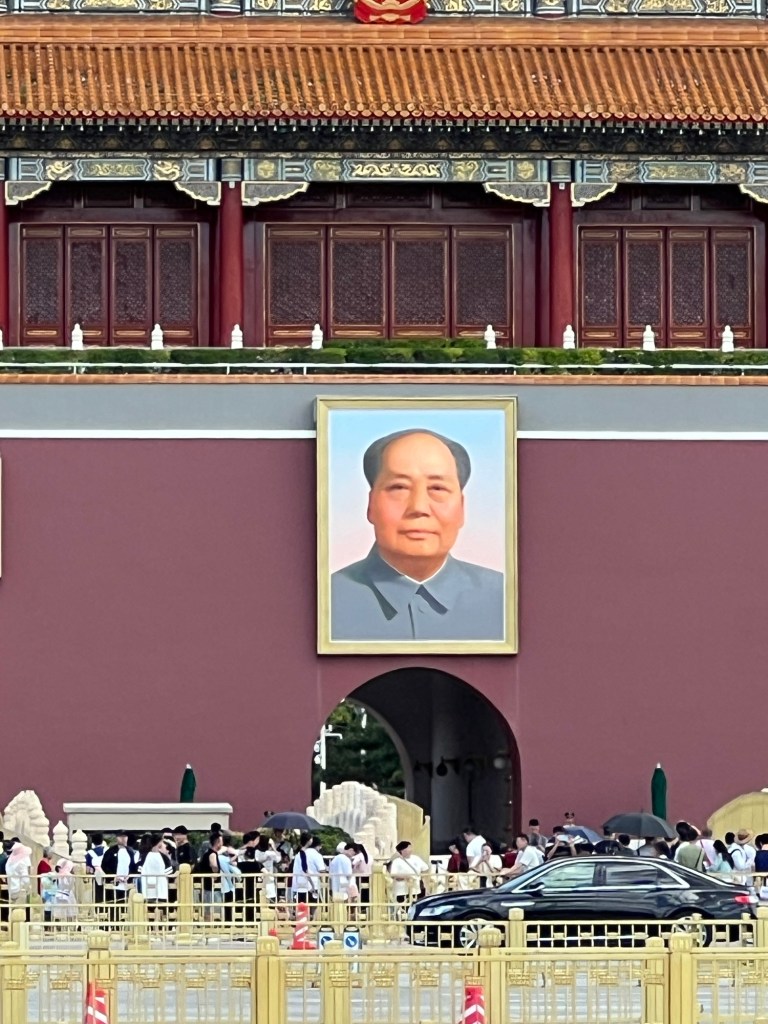
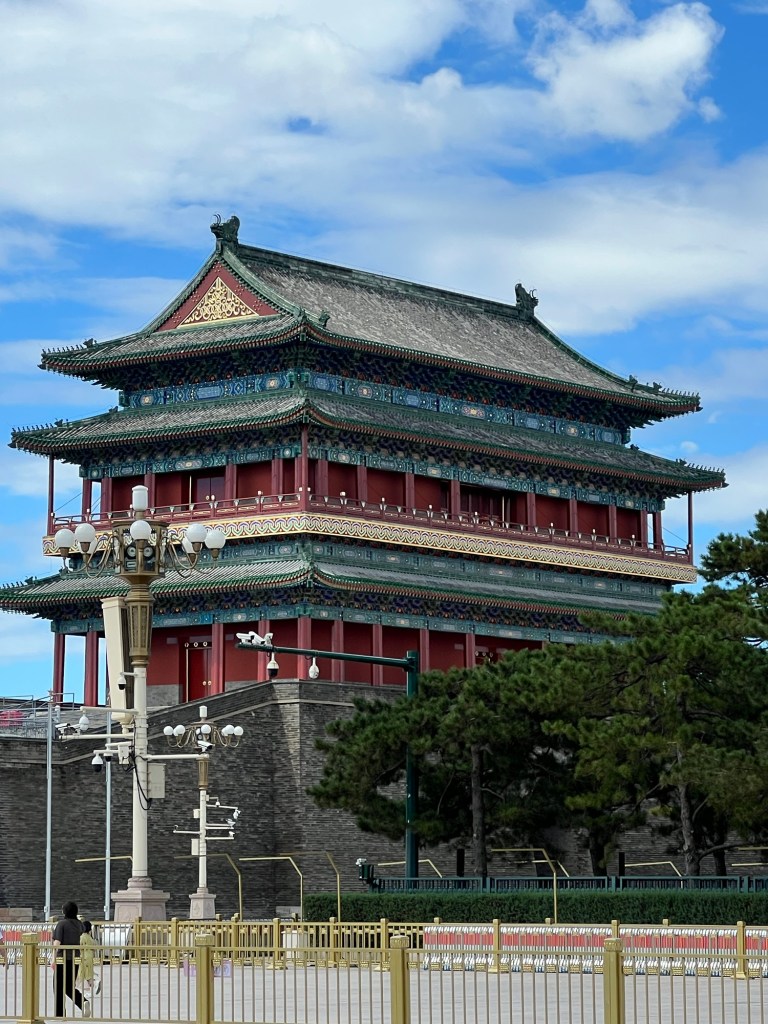
The square is still used for mass gatherings, with the the 38m high ‘Monument to the People’s Heroes’ in central position with two ancient, massive gates at either end, the Tiananmen to the north and the Zhengyangmen, known as Qianmen, to the south.
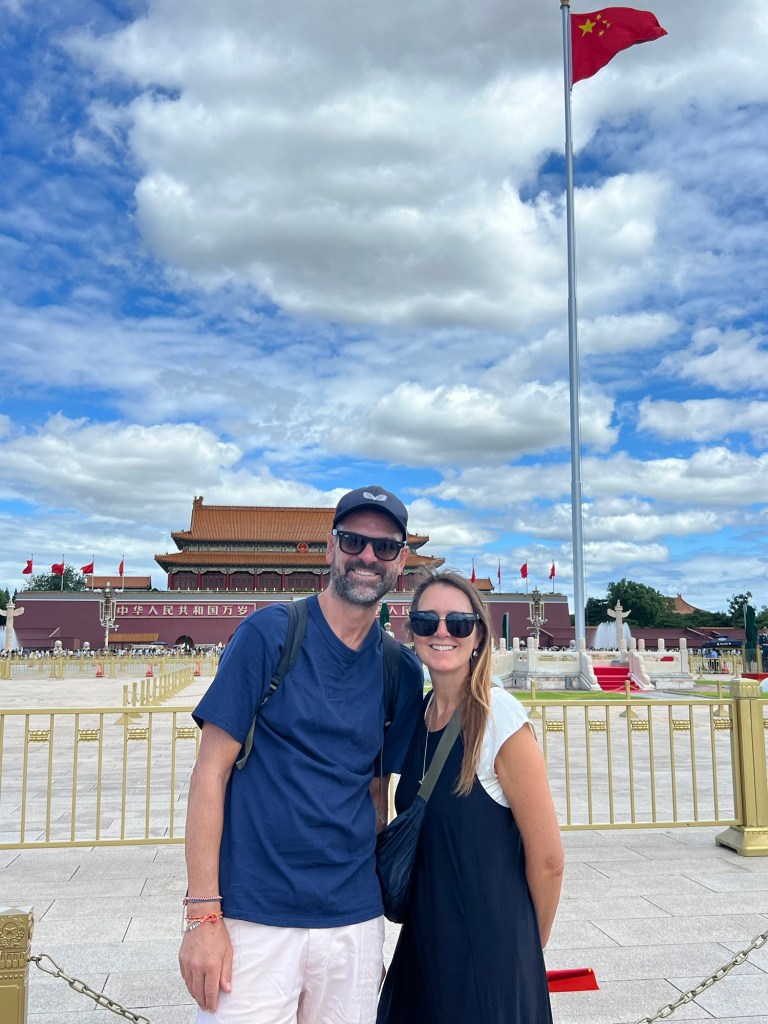
Having got to the square relatively early we were able to get up close to the buildings and get some decent photos without to many people blocking our view.
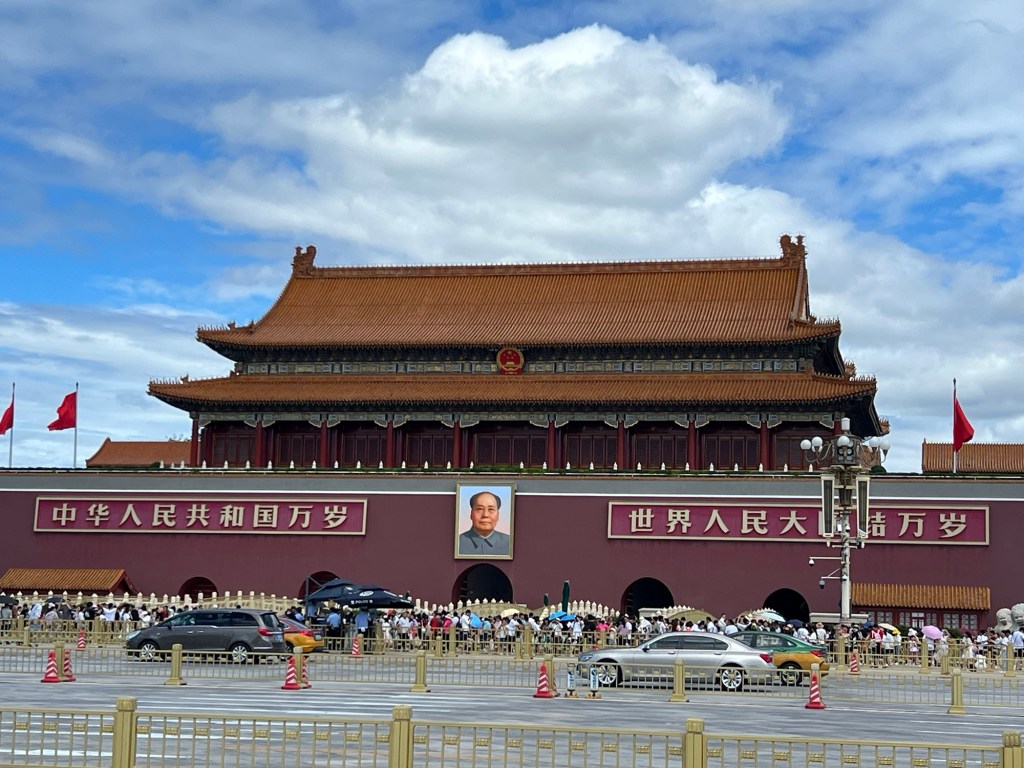
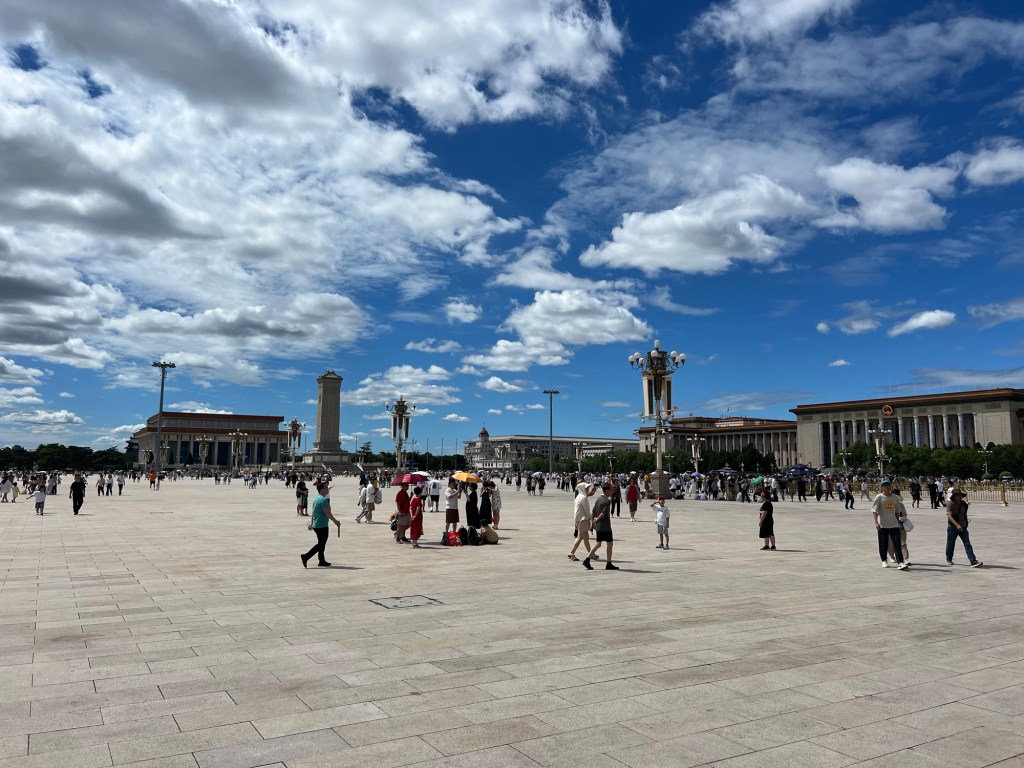
As the heat started to rise we exited the square and made our way to the underground subway to head north to the Summer Palace.
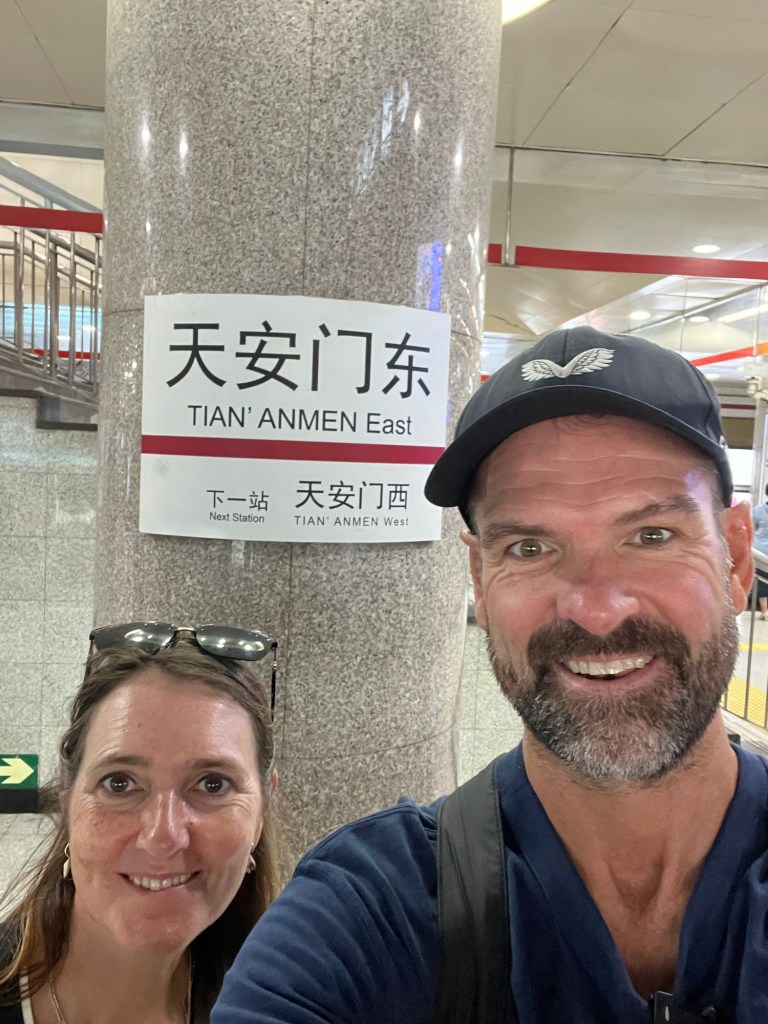
It’s worth noting at this point how straightforward the Beijing subway system is, helped by a numbering system and most directions being shown in English alongside the Chinese explanation. If even more appealing is how incredibly cheap it is to travel around. We went 14 stops out to the Summer Palace, a journey of 45mins at a cost of £1.20 for the both of us, and what a clean and reliable service it is. Puts the London Underground to shame!!
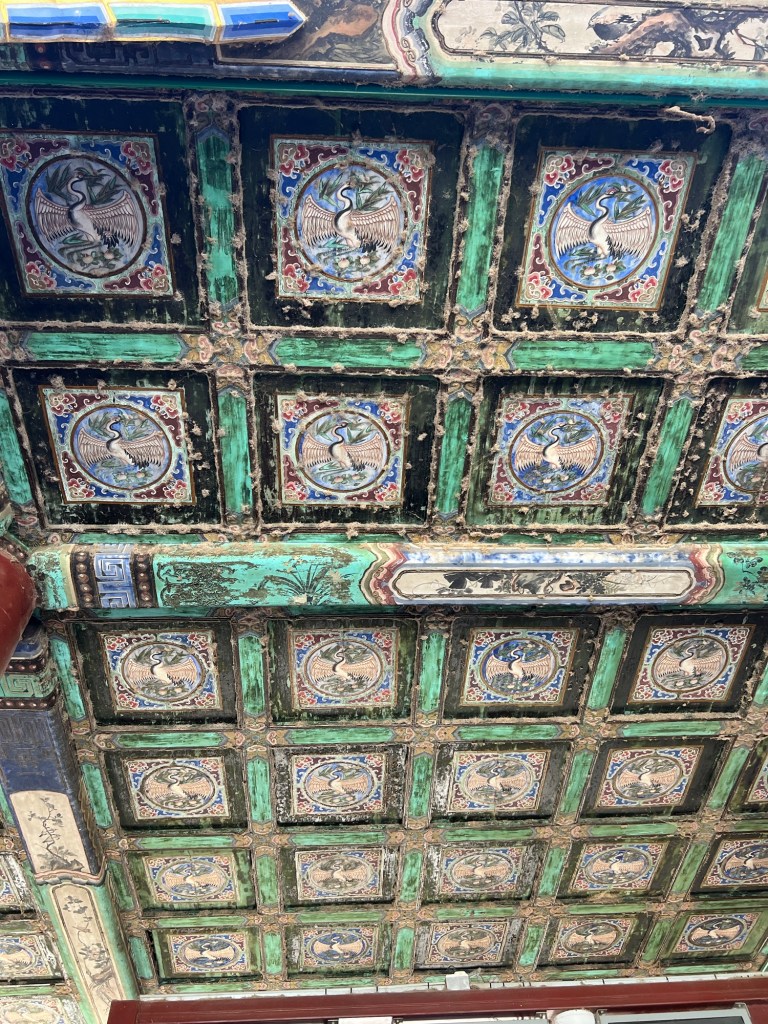
Arriving at the Summer Palace in the North West of Beijing we were surprised to learn that it’s a vast ensemble of lakes, gardens and palaces.
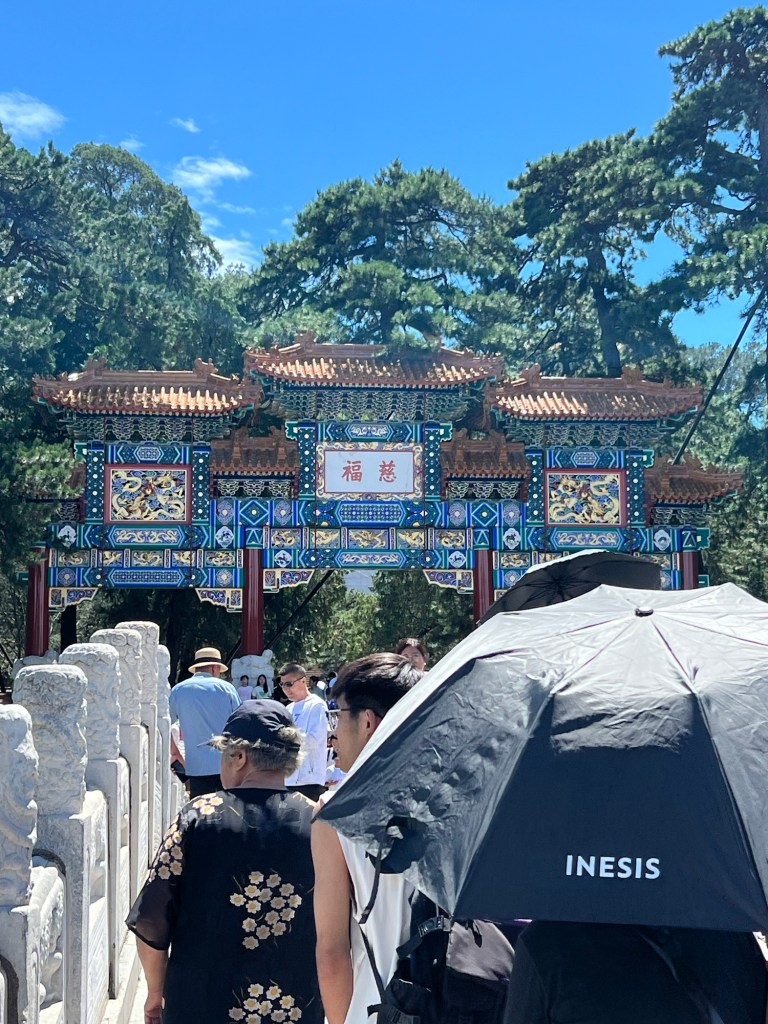
It was an imperial garden during the Qing dynasty and includes Longevity Hill, Kunming Lake and Seventeen Hole Bridge. We saw this as a challenge to see all three and started a trek around the nigh on 300ha of grounds. Despite it being a week day, the place was packed and is a major draw to locals and visitors from outside of Beijing.
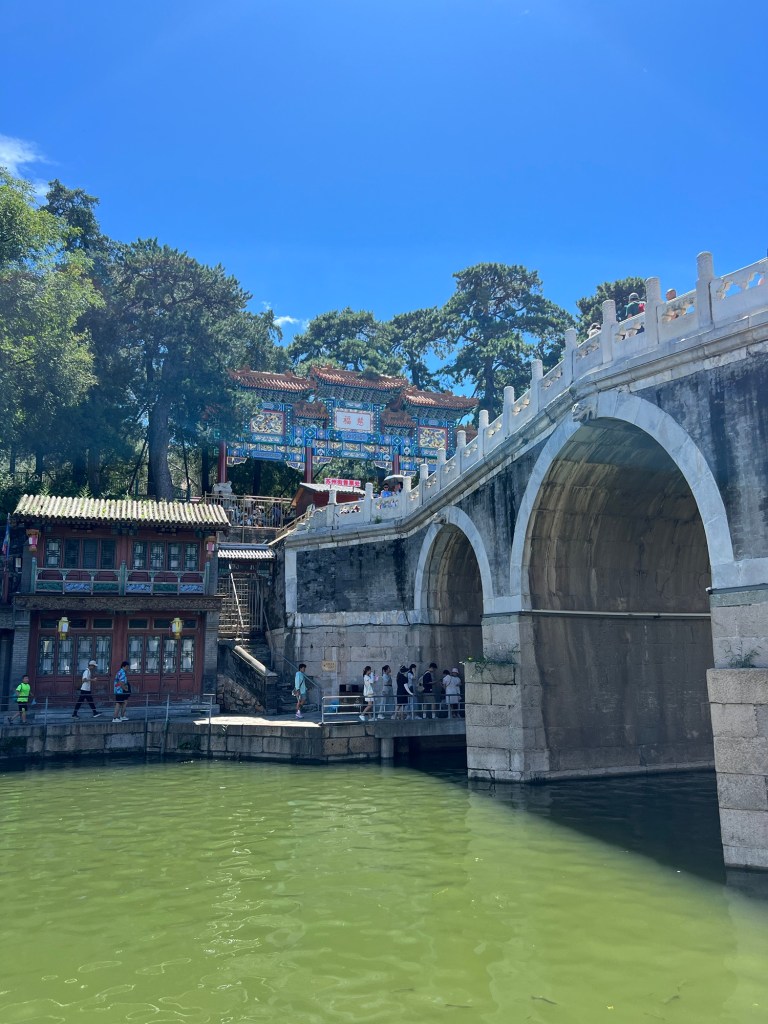
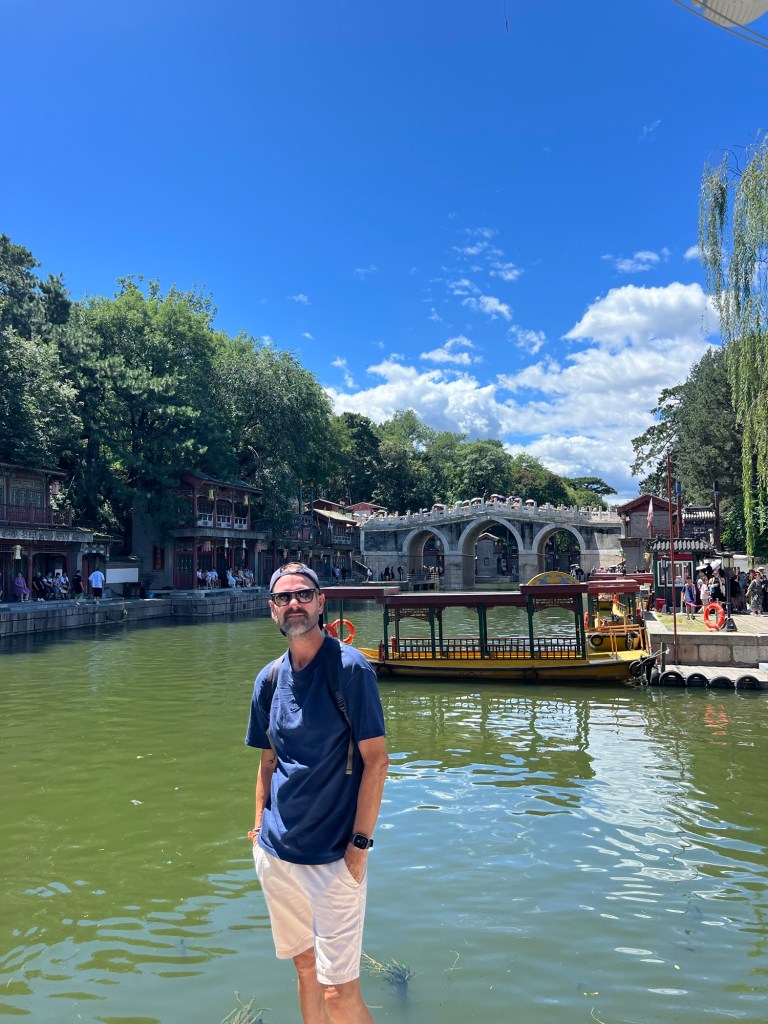
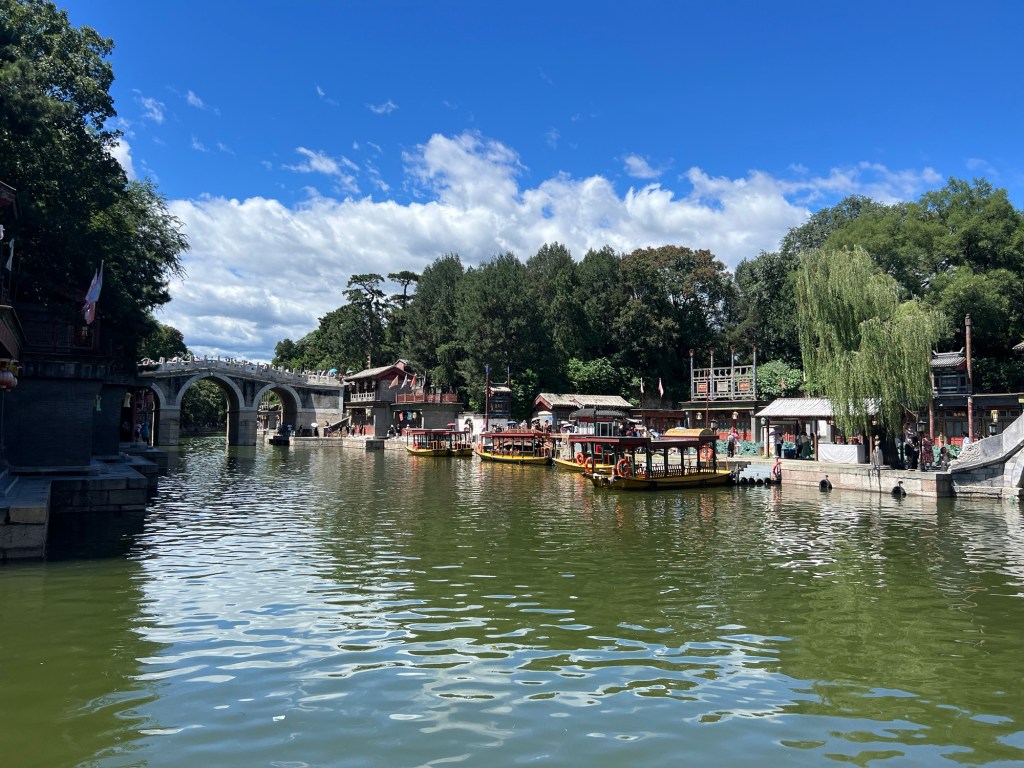
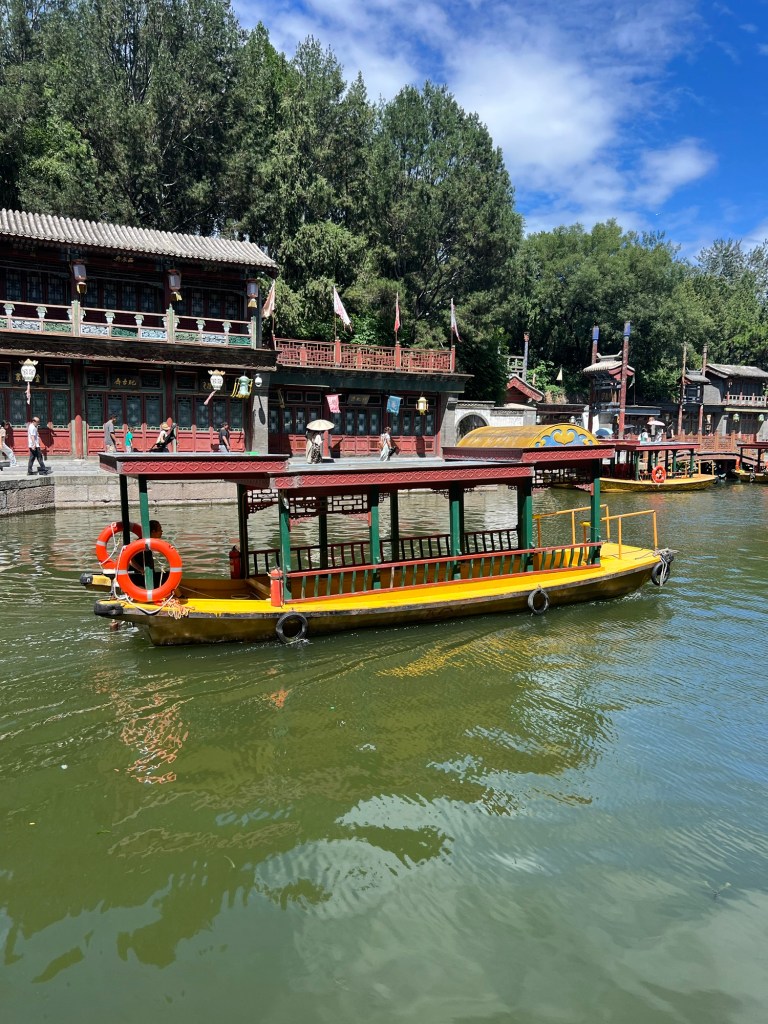
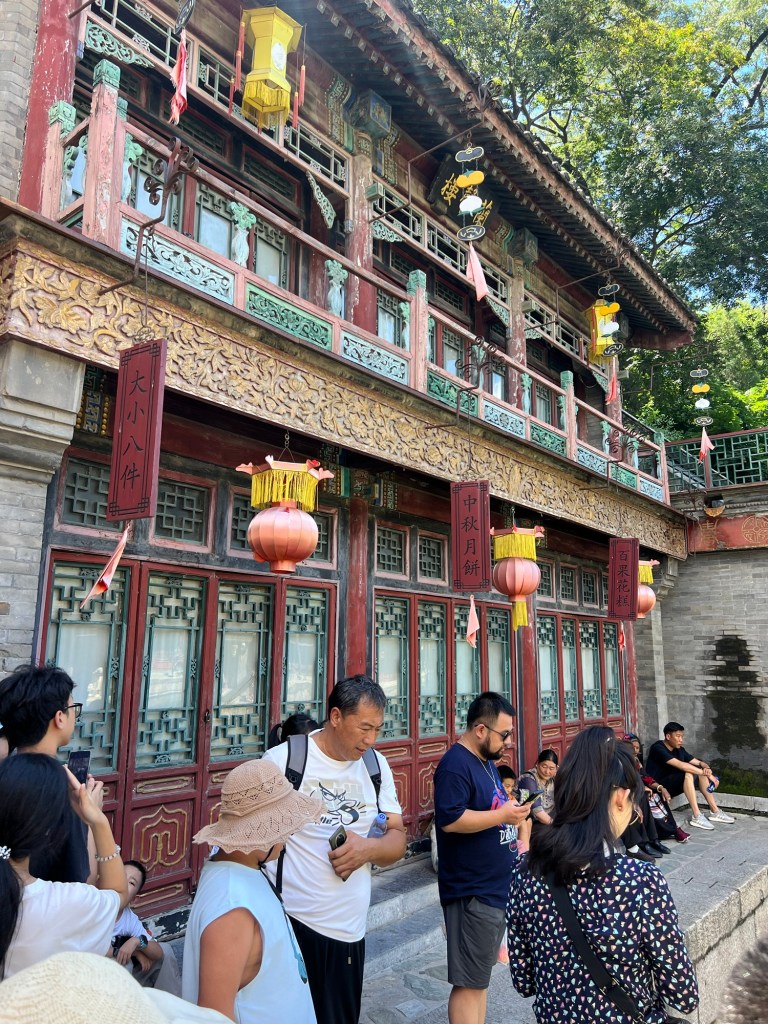
At the East Gate entrance we came across Suzhou Street. In 1762, after returning from touring the Jiangnan region, the then Emperor ordered the construction of a shopping street resembling Shanta h St in Suzhou. The street was destroyed by the British and French in 1860 and was restored in 1988 and sits along an internal canal. It’s a major tourist draw, although the path snaking along the canal was a ‘death trap’, and we were amazed no one fell in whilst we were there!
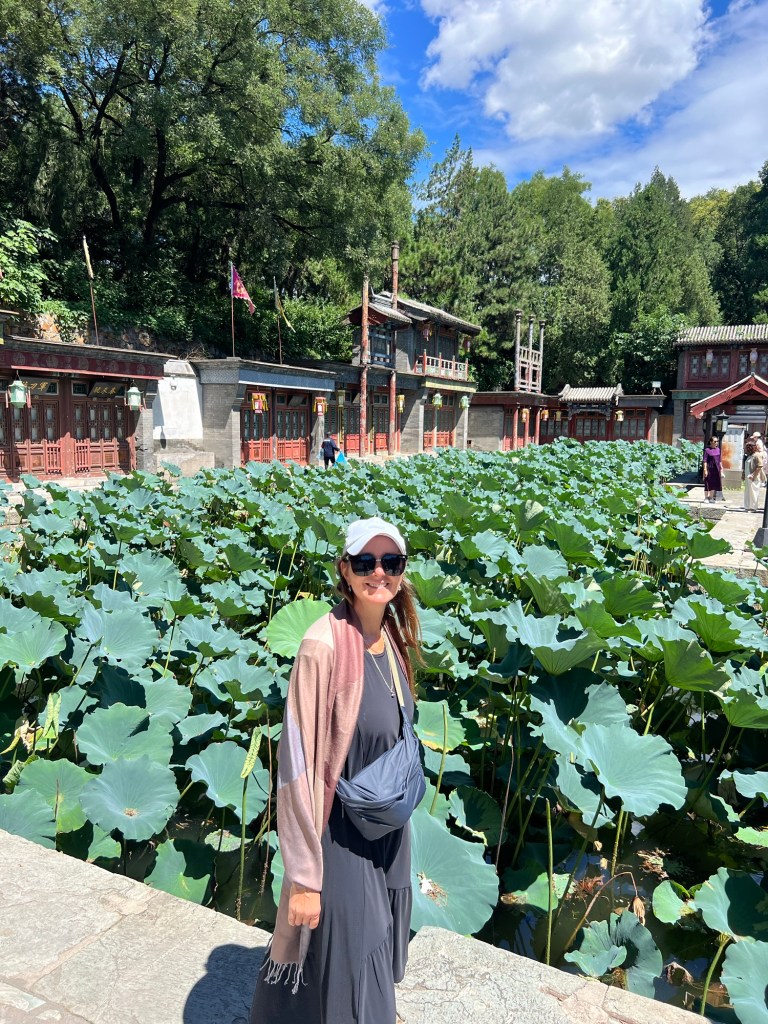
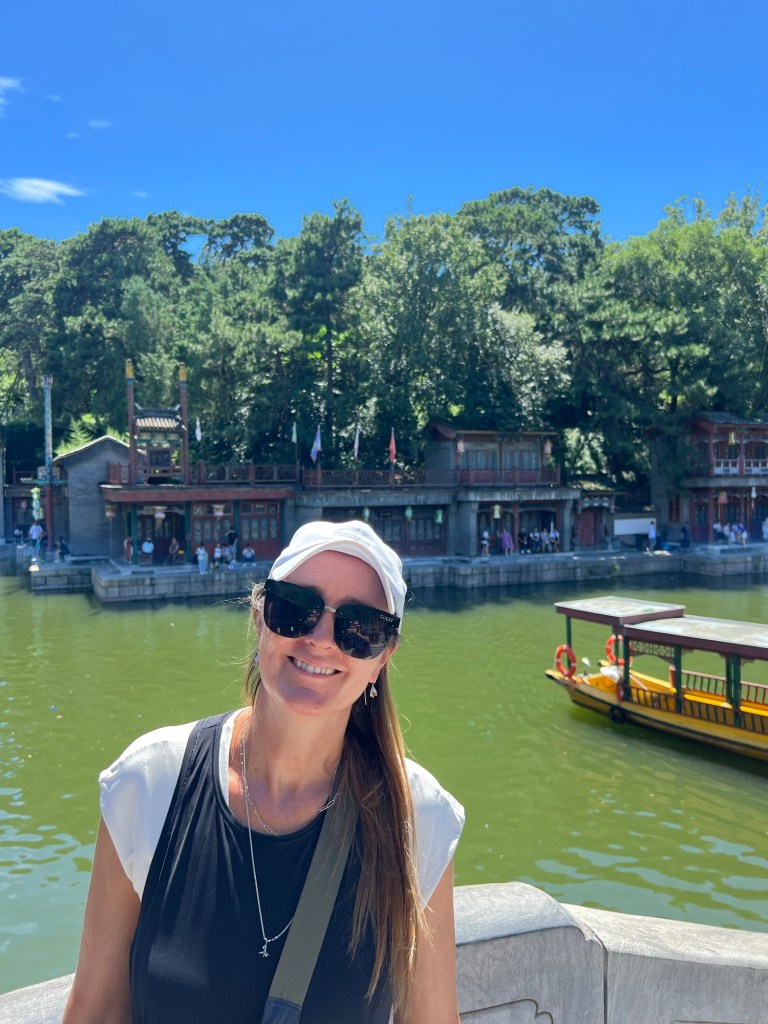
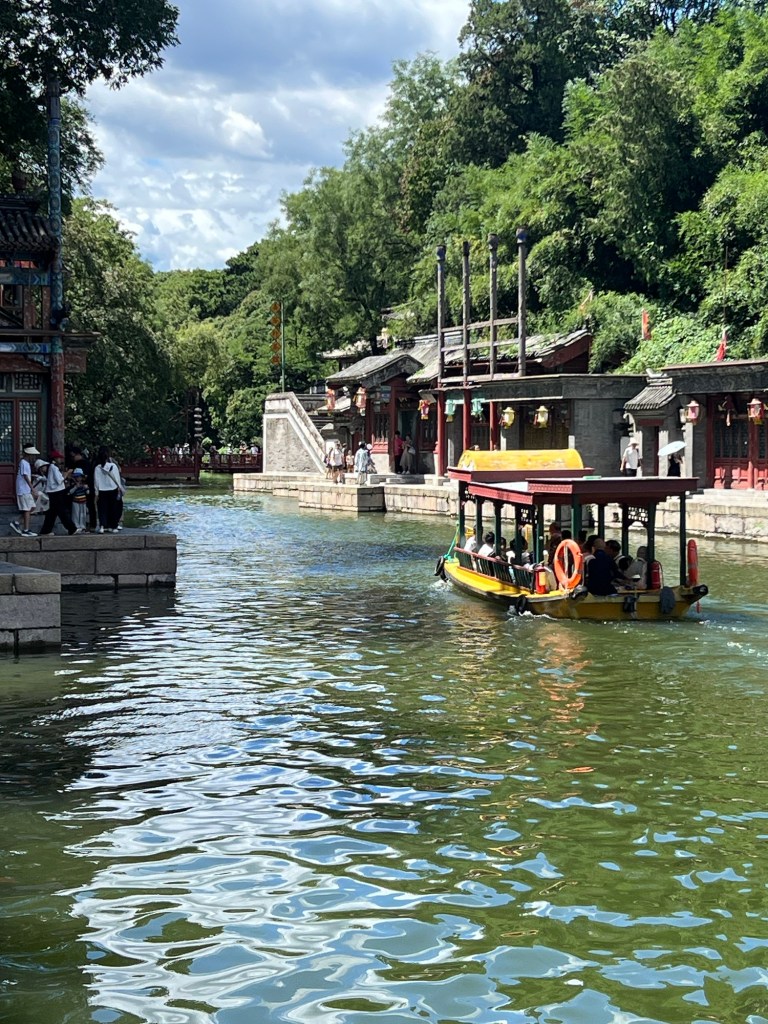
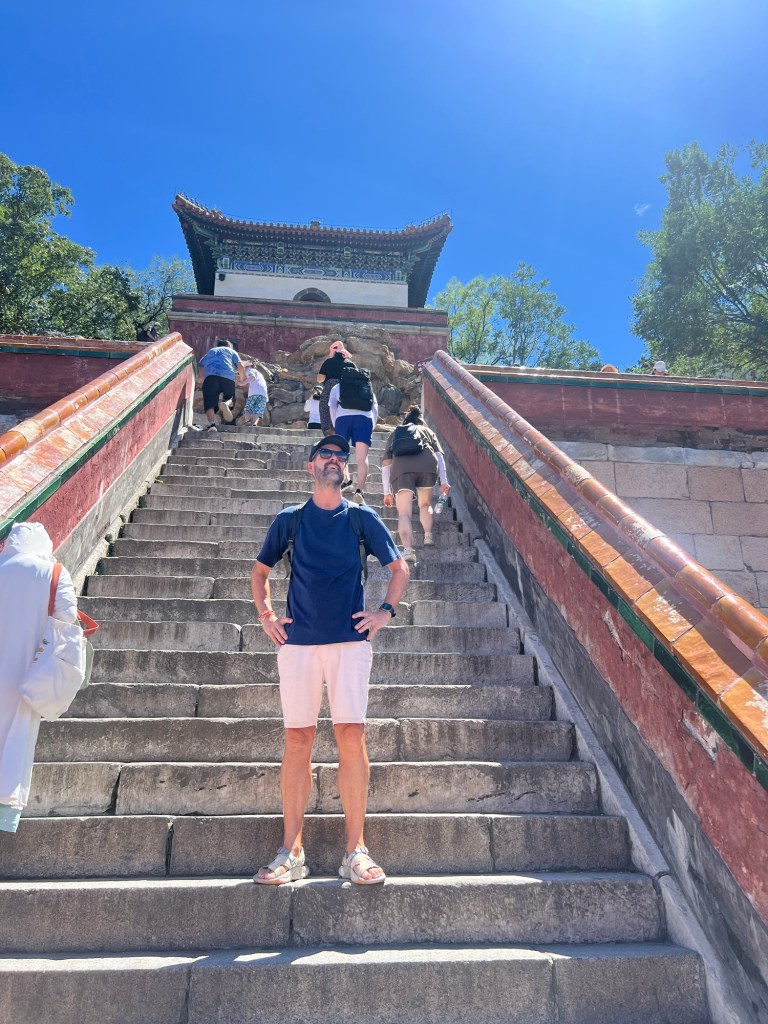
We then moved on to Longevity Hill is about 60 metres high and has many buildings positioned in sequence. The front hill is the site of splendid halls and pavilions, while the back hill, in sharp contrast, is quiet and focuses in on the natural beauty.
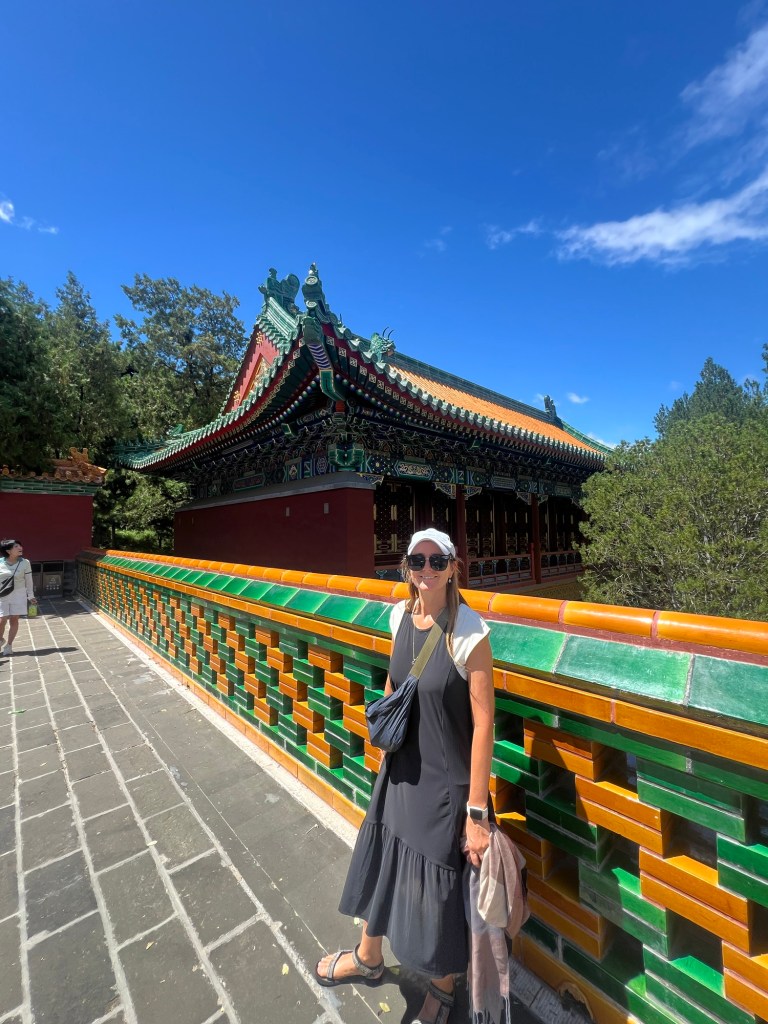
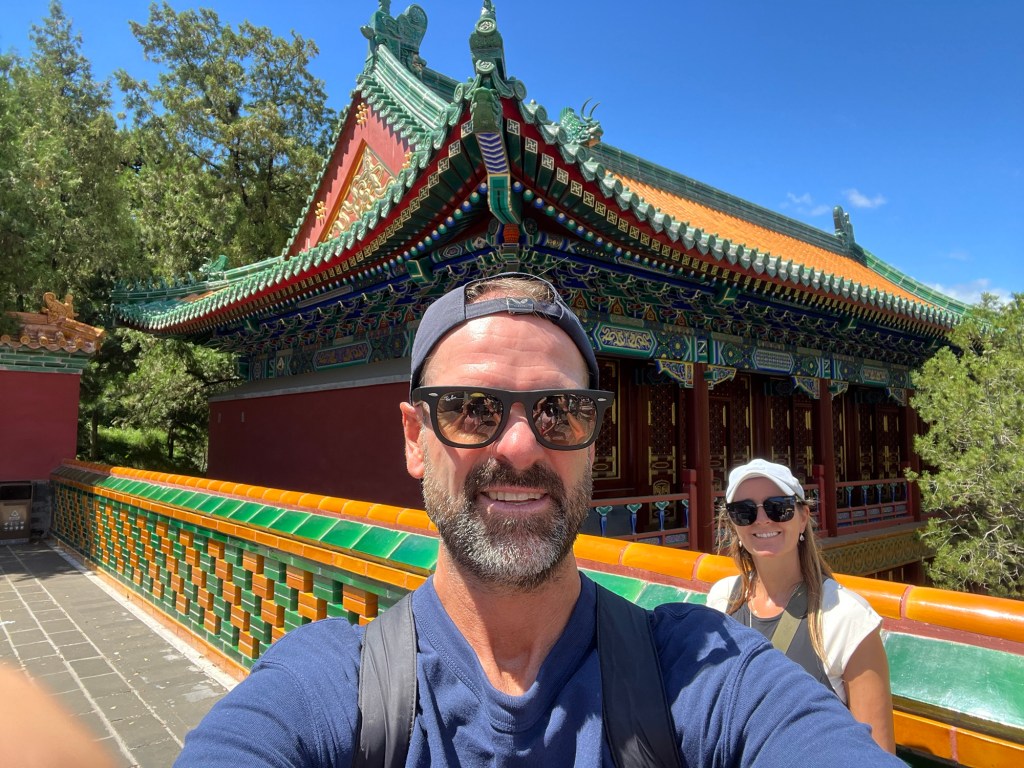

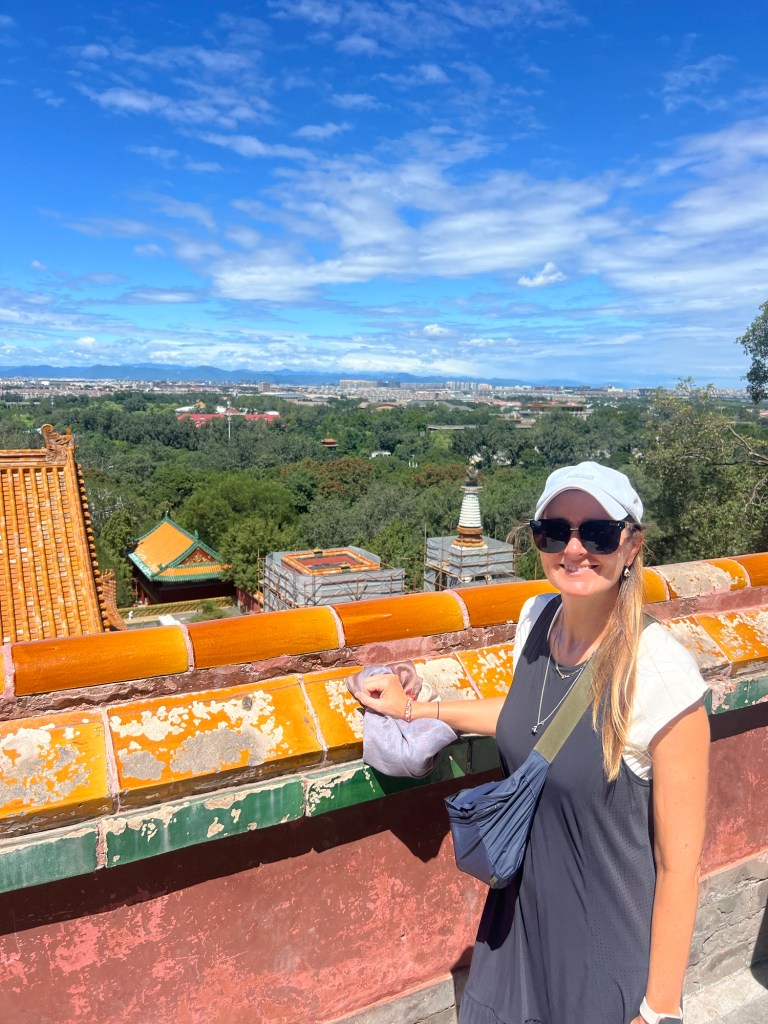
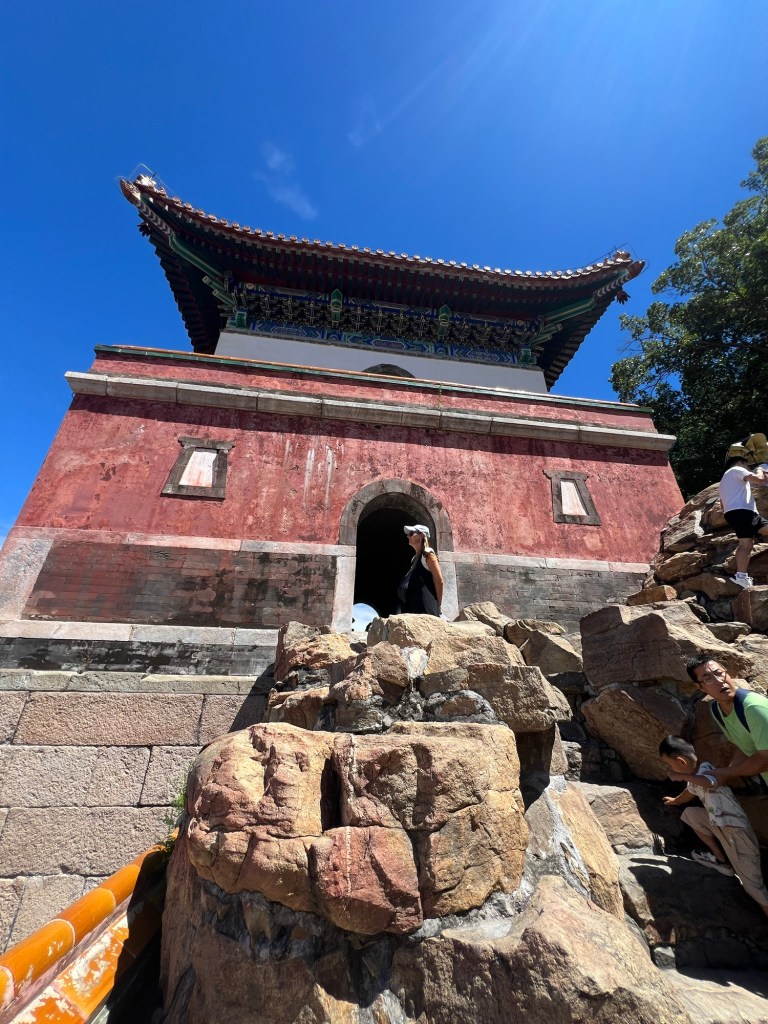
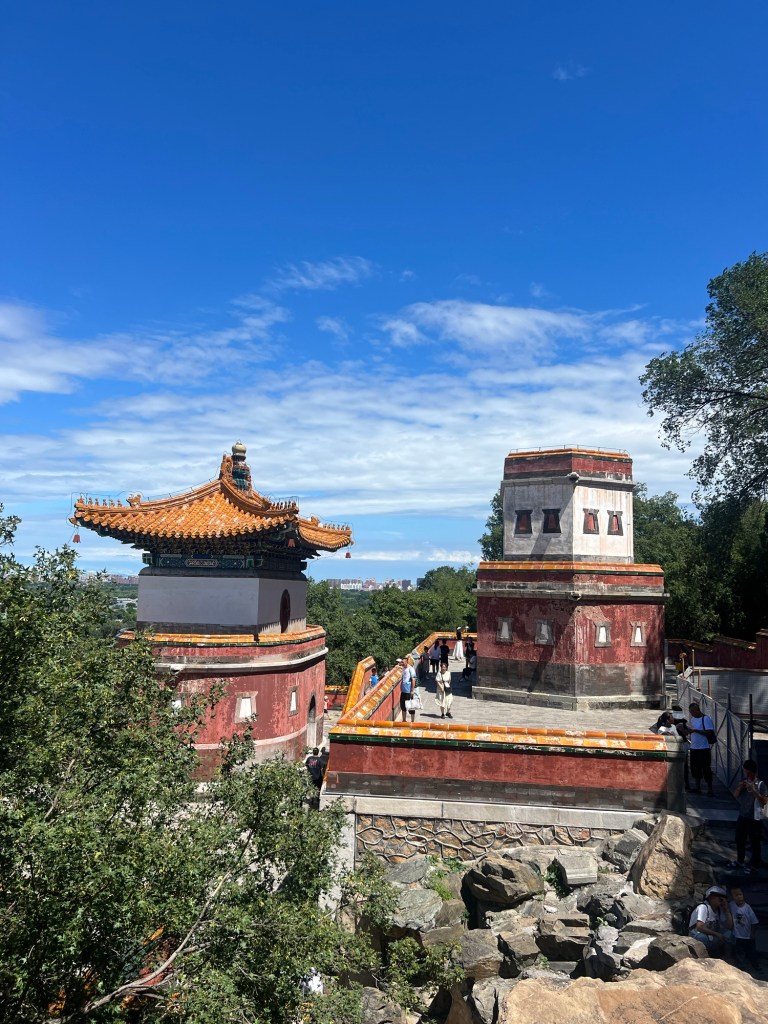
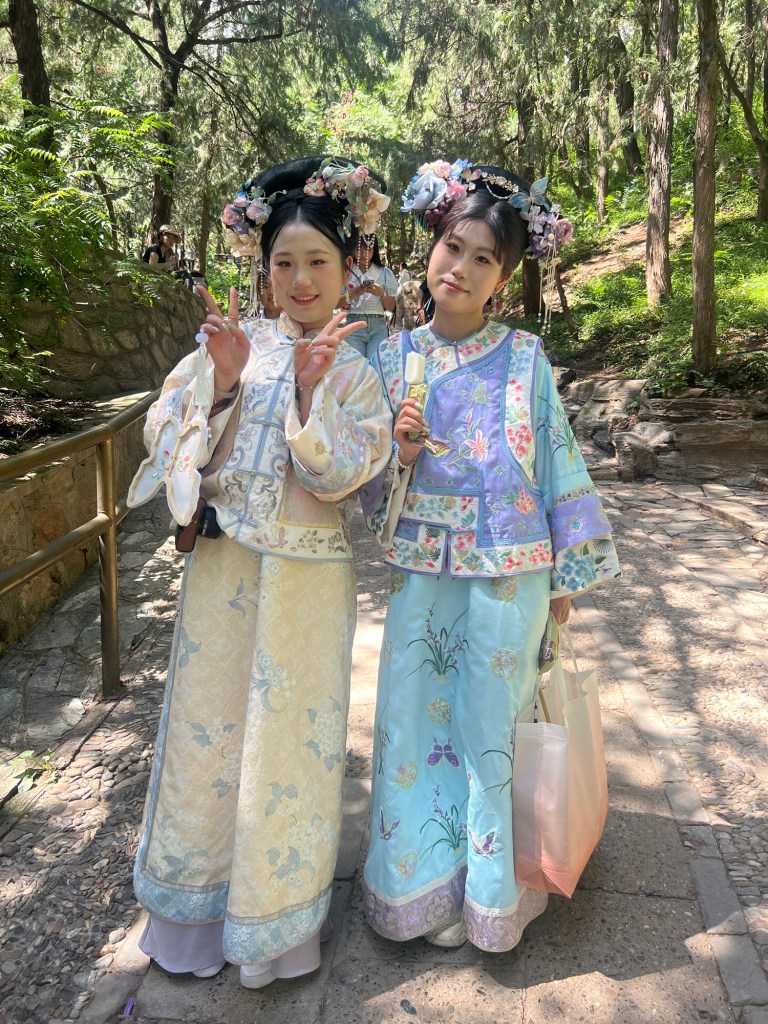
The central Kunming Lake, covering 2.2 square kilometres and was entirely man-made and the excavated soil was used to build Longevity Hill.
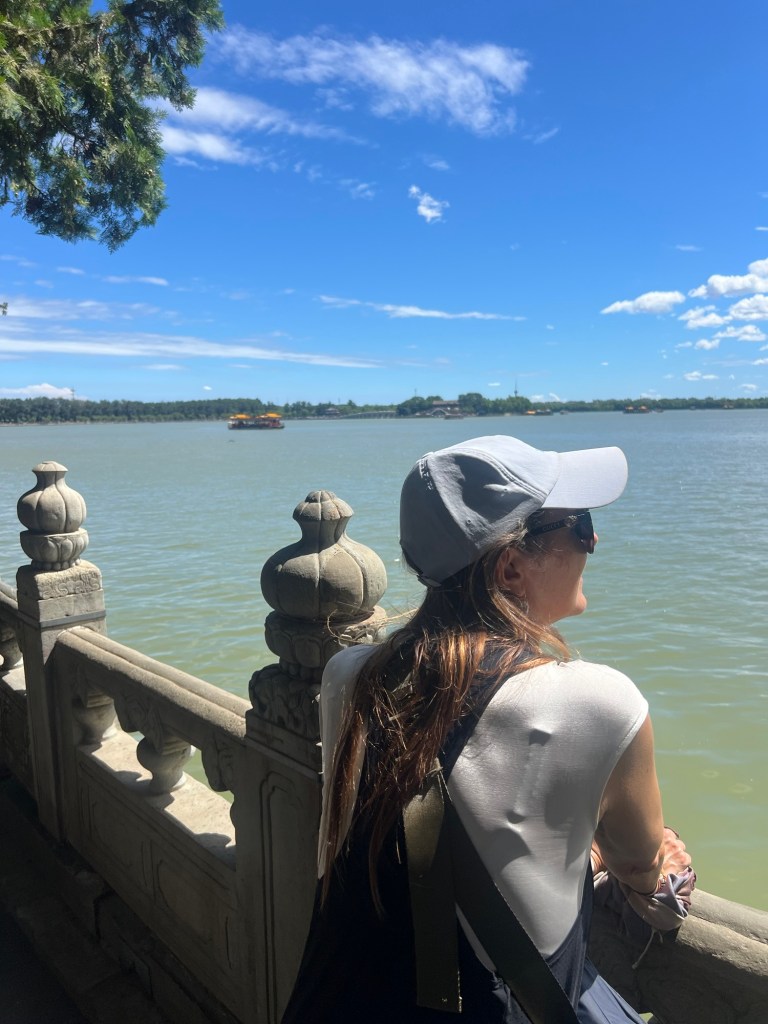
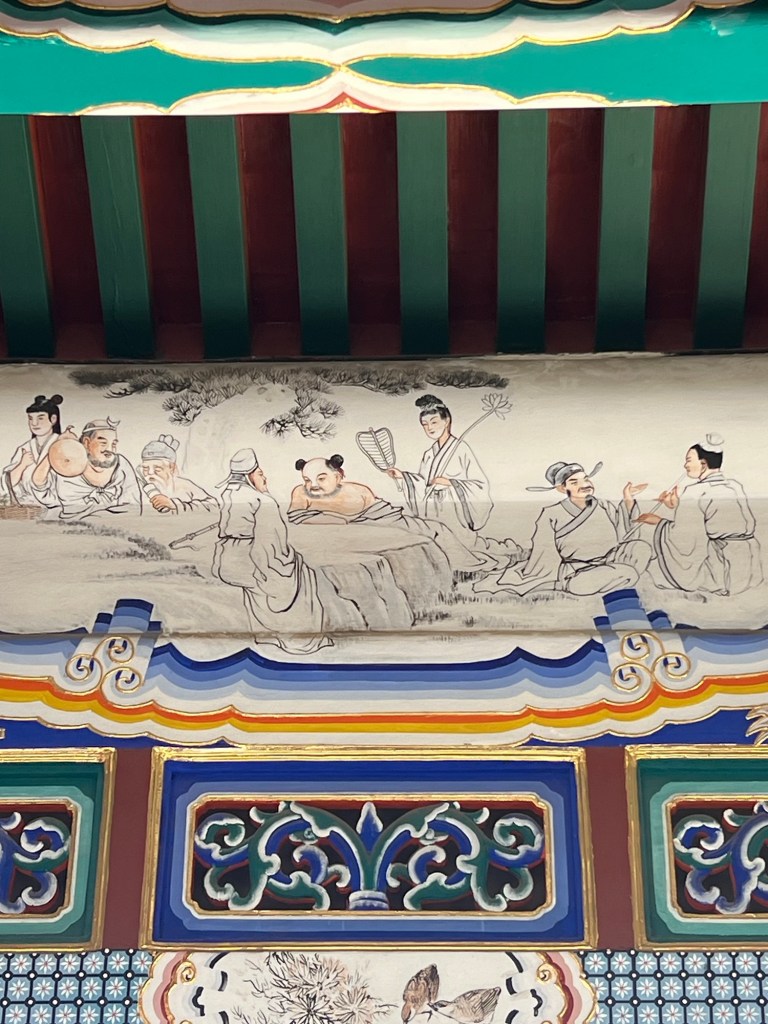
The Summer Palace, which is inspired by the gardens of South China, contains over 3,000 Chinese ancient buildings that house a collection of over 40,000 valuable historical relics from various dynasties.
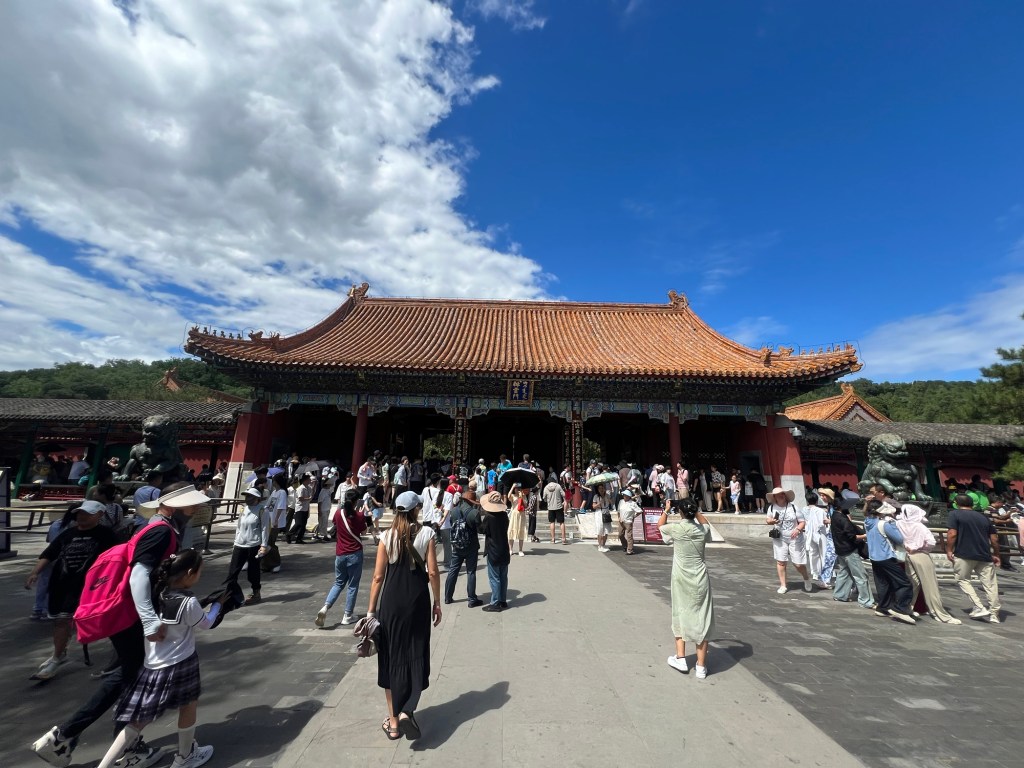
The Summer Palace is among the most-visited destinations in China, ranking in the top five, and attracts about 10 million tourists annually. In truth it felt like there was around 9 million there when we walked round, such were the crowds.
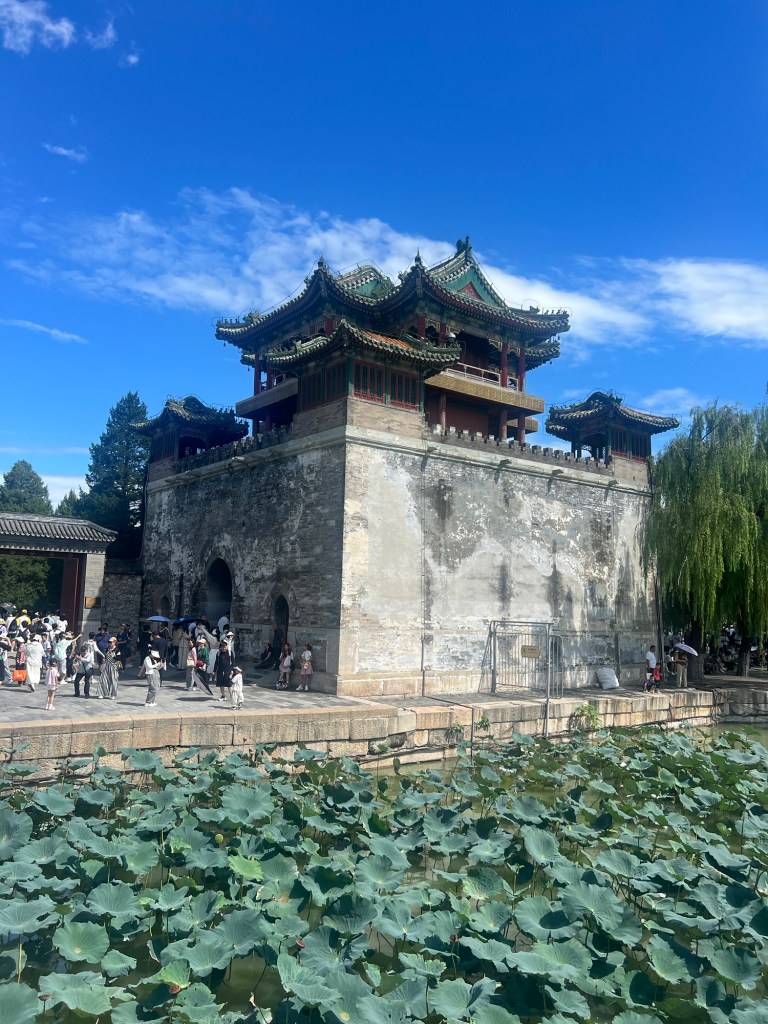
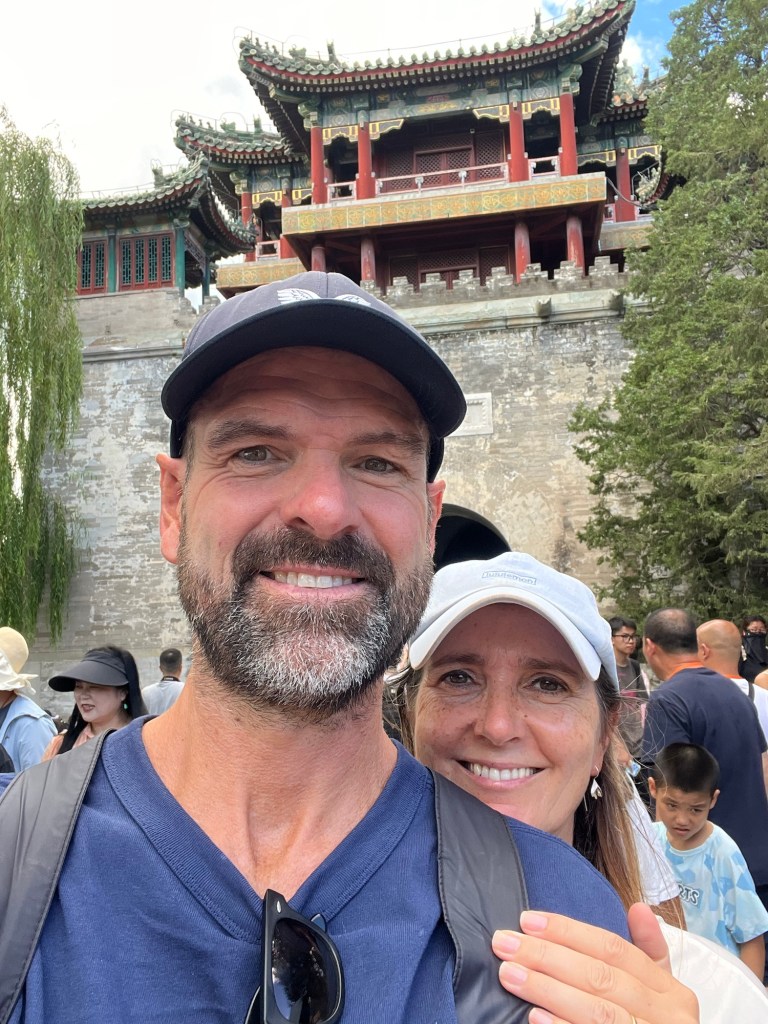
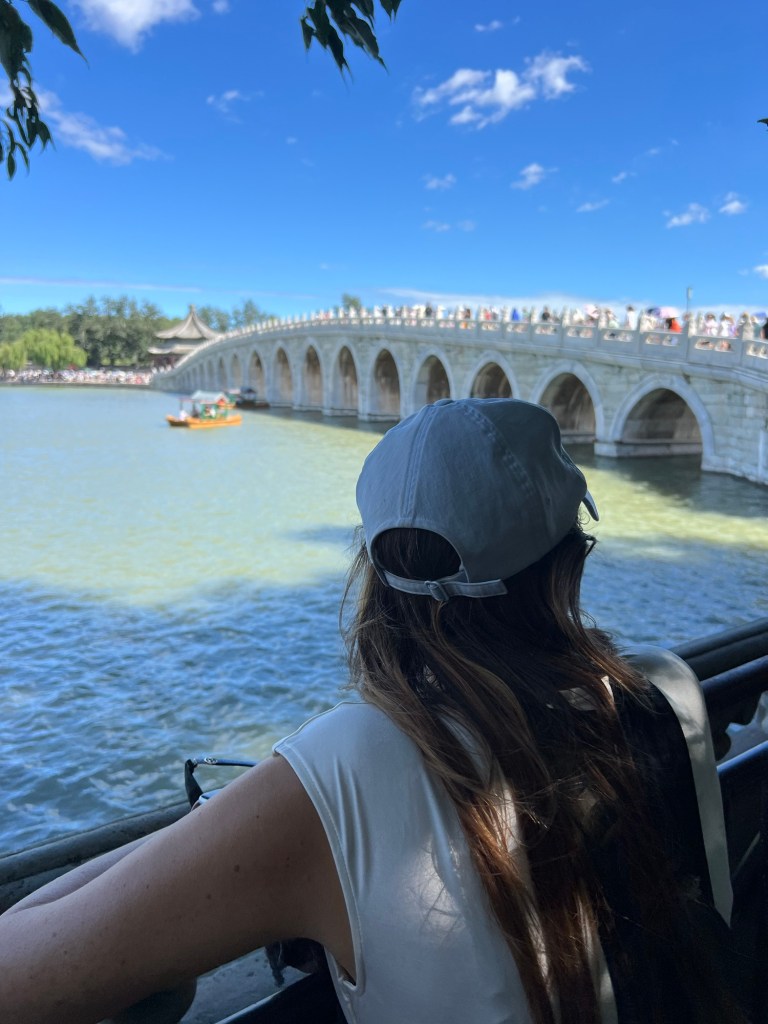
We then took a walk across 17-Arch Bridge, which is so named as it has 17 different types of arches on it. The entire bridge is 150 metres long.
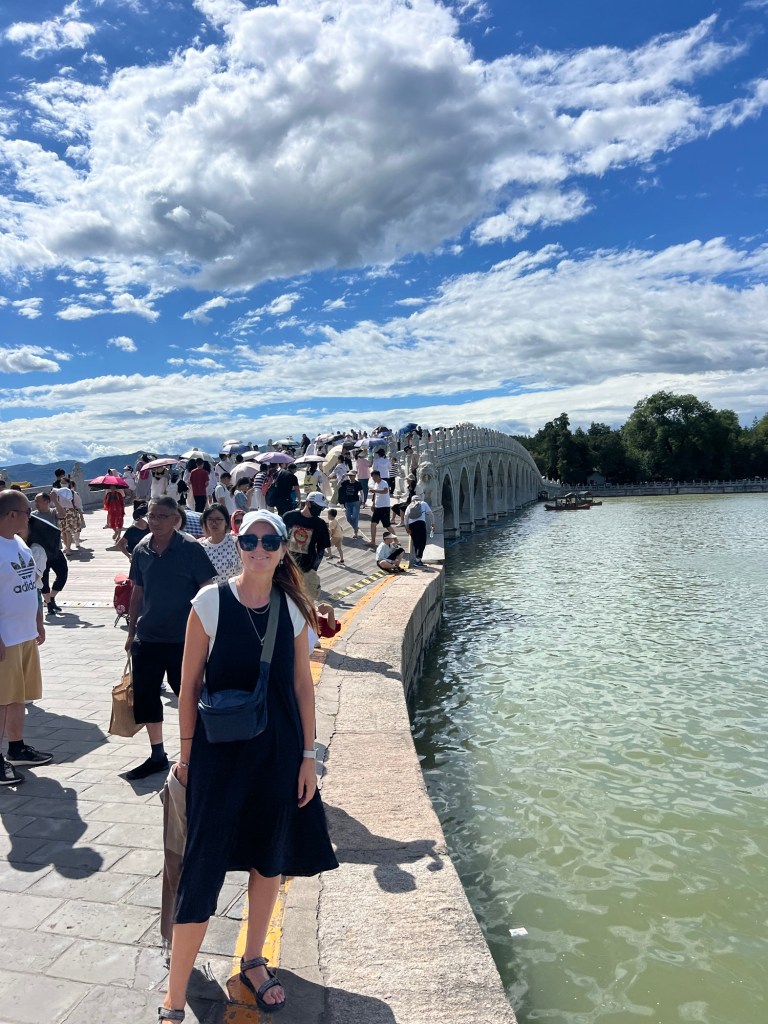
Walking across to the island we visited Dragon King Temple, built to worship the dragon king and Hanxu Hall. Each are located on the north of Nanhu Island, directly facing the Tower of Buddhist Incense on the north bank.
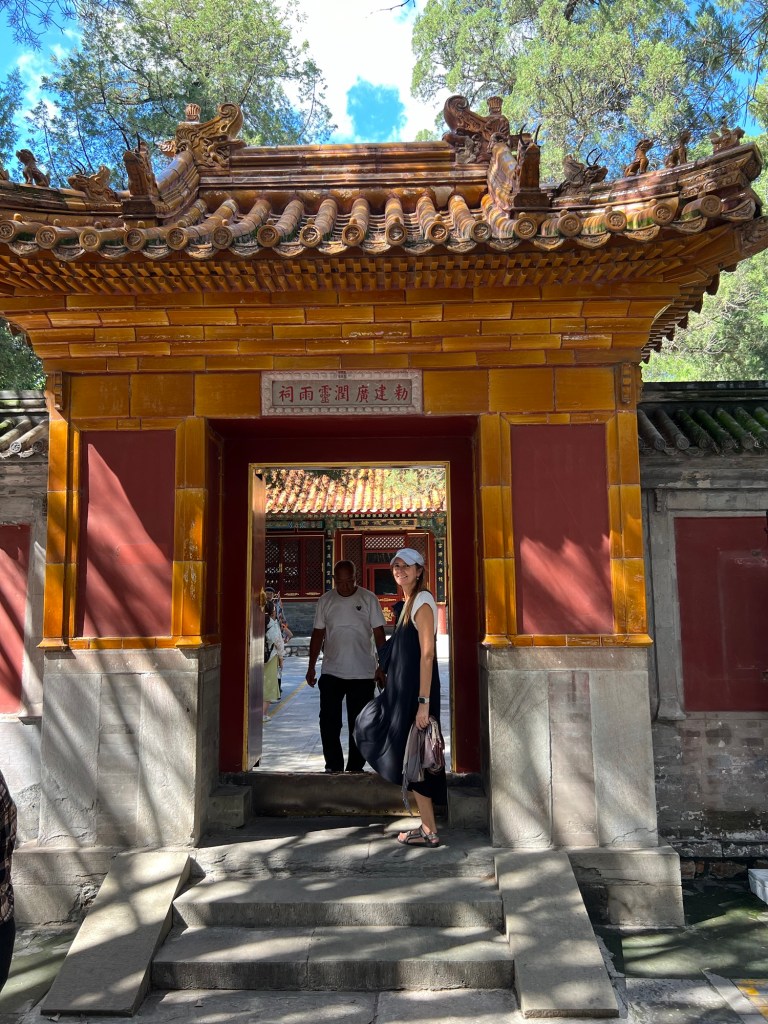
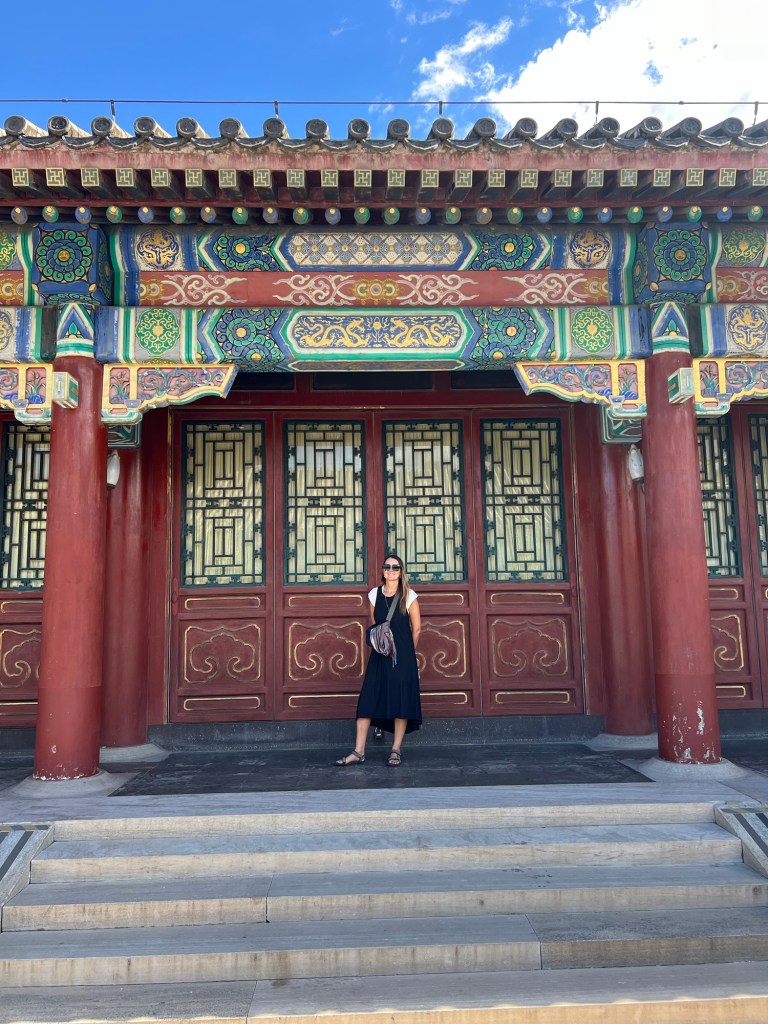
We also found our way to the Garden of Harmonious Pleasures, the Flower Pavilion, Glass Tower and Wenchang Tower. All were equally impressive and beautiful, but incredibly busy with people everywhere!
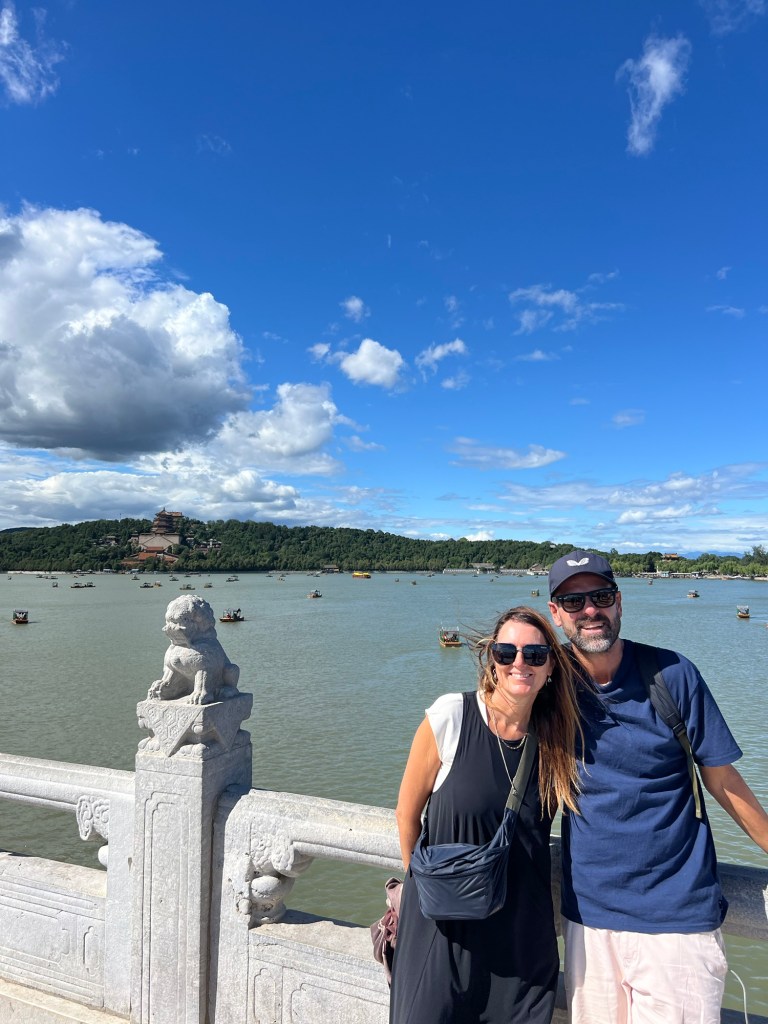
By 4pm we were starting to flag and started our way back to the subway for the 45min journey back into the city.
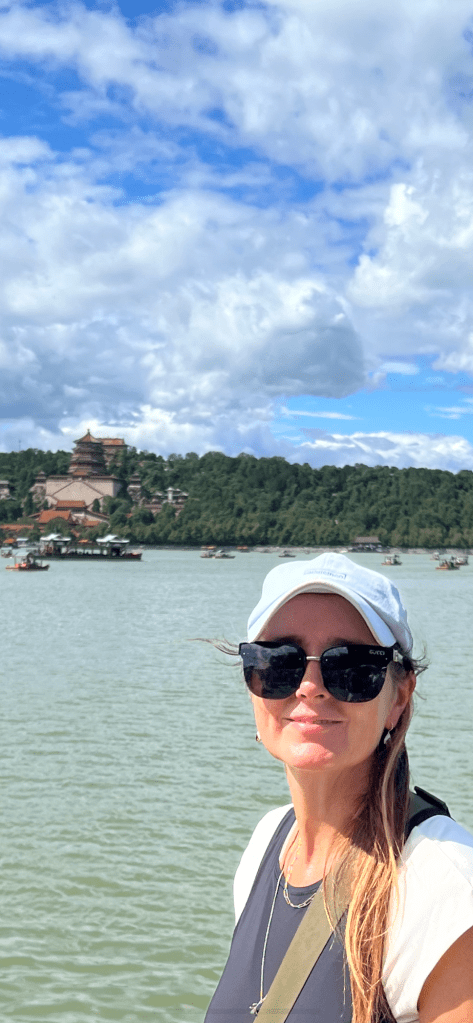
We managed to take a few more photos of the key sights and temples before we were all done in and in need of a cultural rest.
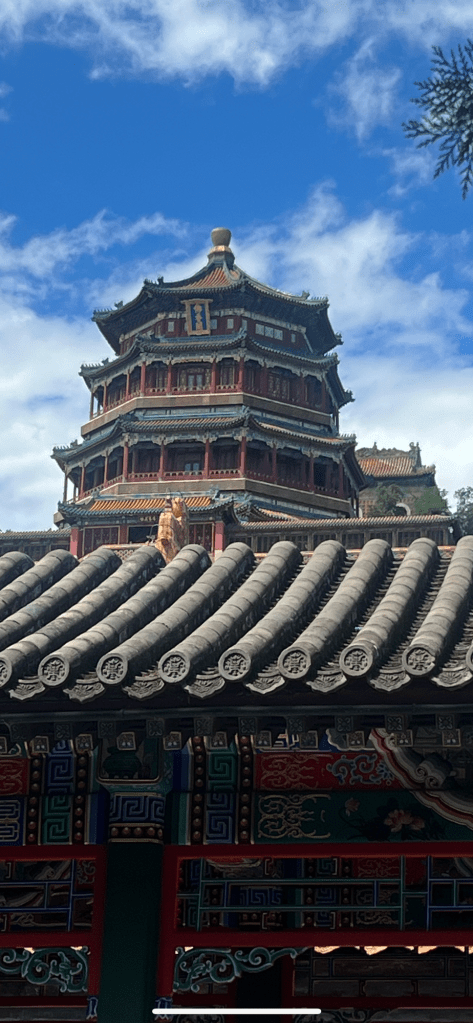
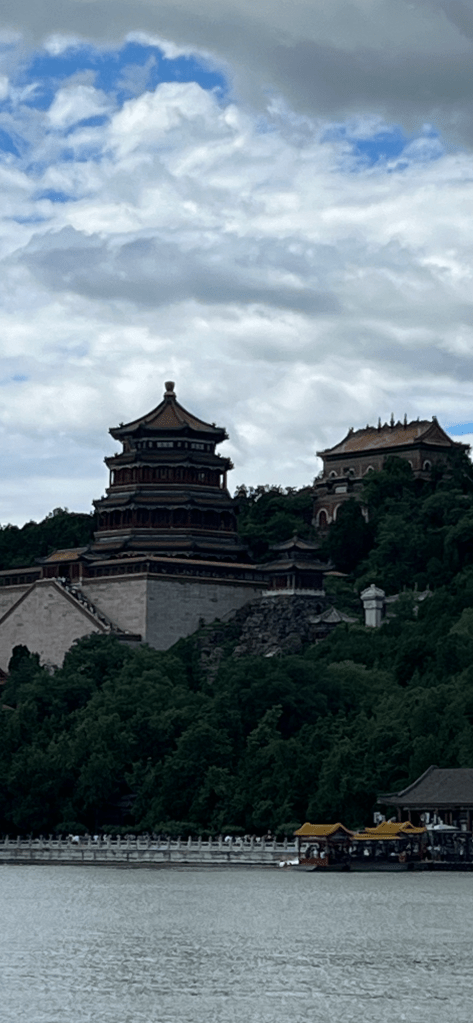
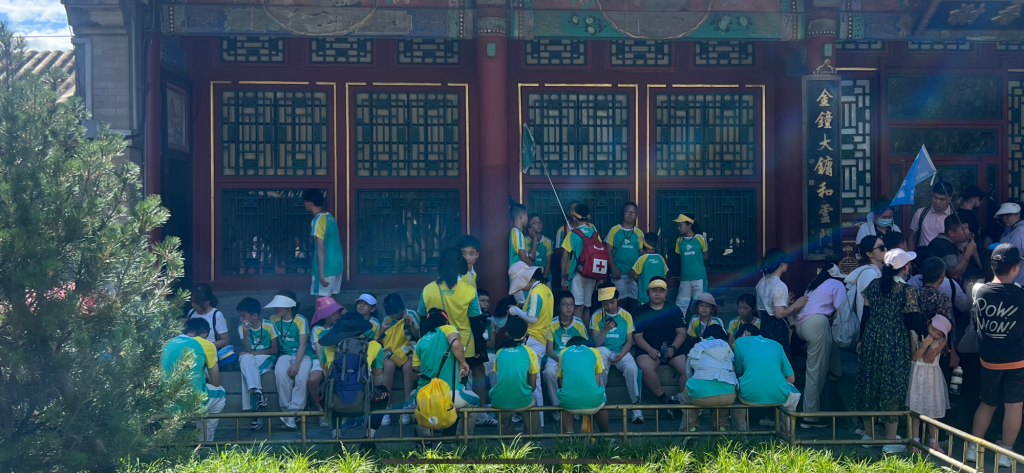

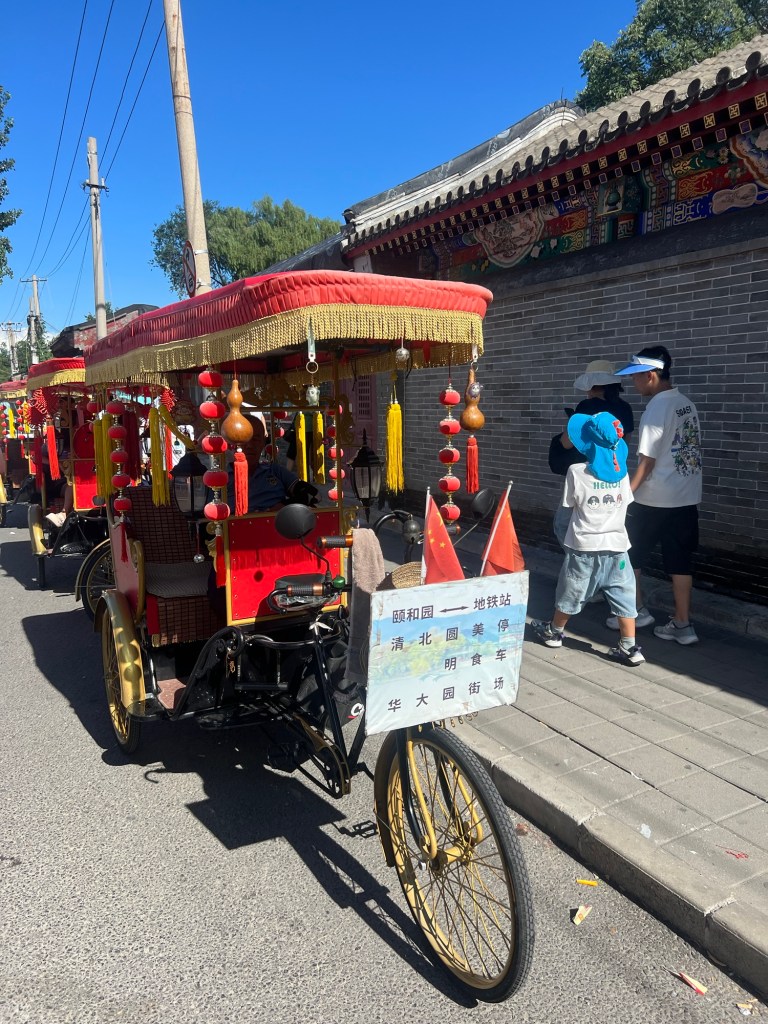
Back at the subway and after another long day on the tourist trail we decided to pass on our prior plans for a meal out at the night market in Wangfujing and instead opted for a Seven Eleven quick affair.

Tomorrow we are off to the Temple of Heaven before meeting up with our new tour group for the start of the 19 day Intrepid Tour down to Hong Kong.
 @travellingwiththeateam