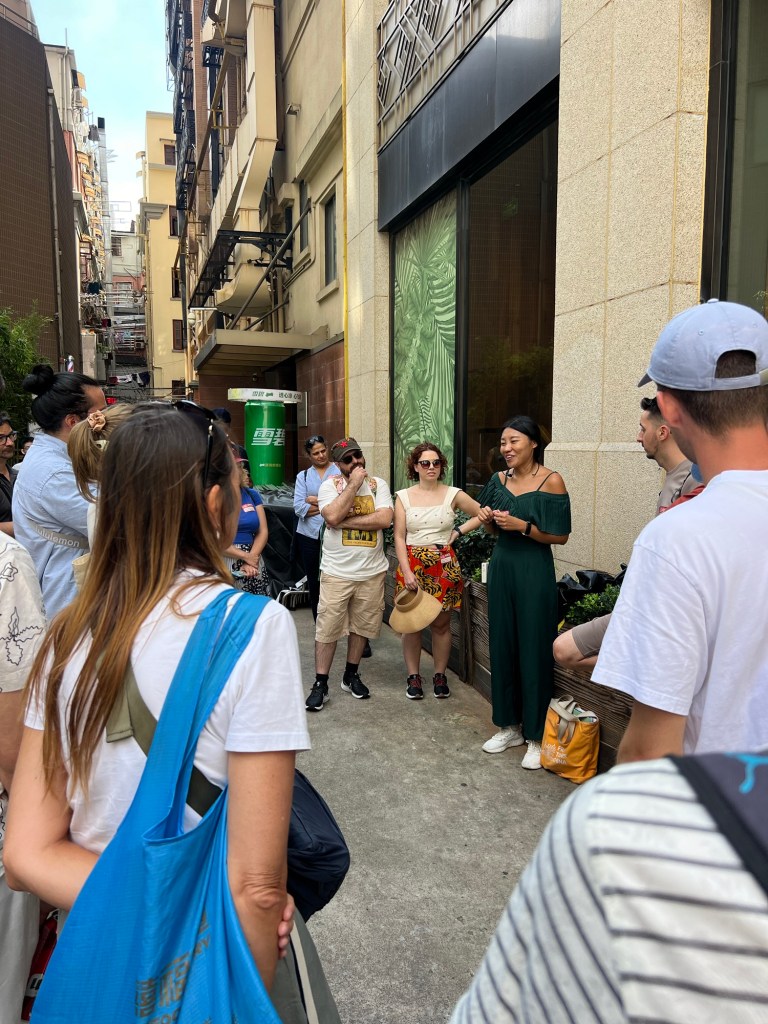
Round 2/ day 2 of the Shanghai experience and today we are off on a 4hr mega walking tour with a local Chinese guide, Dinna who proved to be a fruit of knowledge when it came to the city and places to see and things to do.
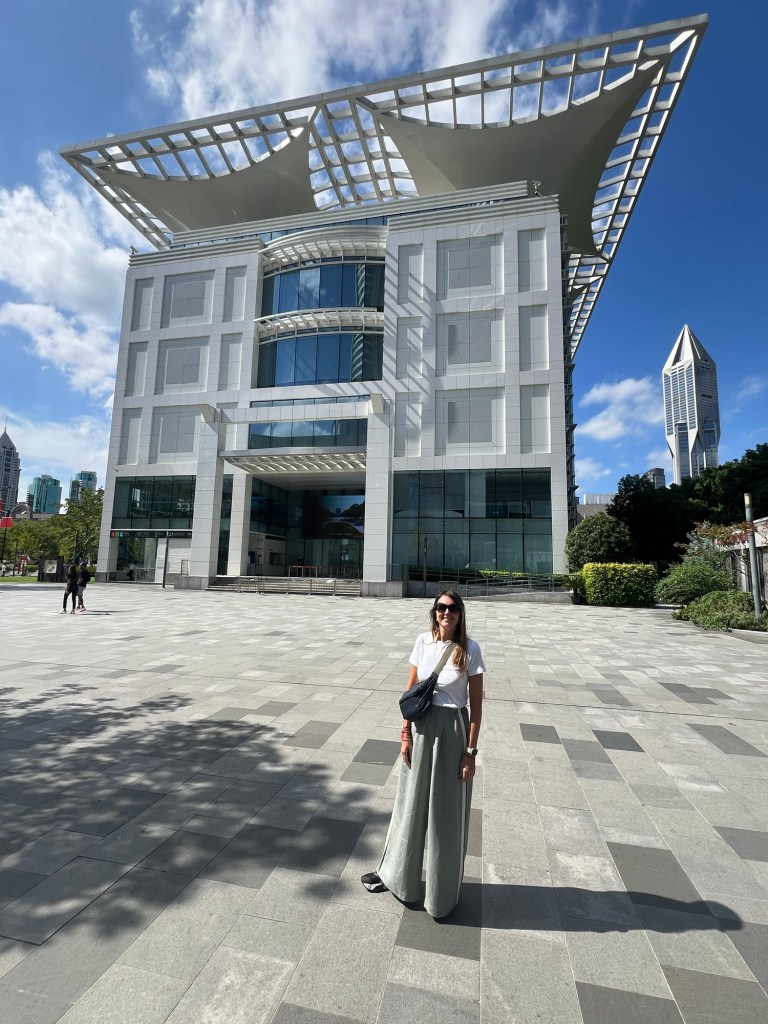
We started the walk opposite the Shanghai Museum in People’s Square, which was rebuilt in 1996 and is famous for its large collection of rare cultural pieces. We intend to visit tomorrow assuming we can secure a reservation which can be hard to obtain such is the demand.
People’s Square is the site of Shanghai’s municipal government headquarters building, including the mayors office which sits opposite the museum.
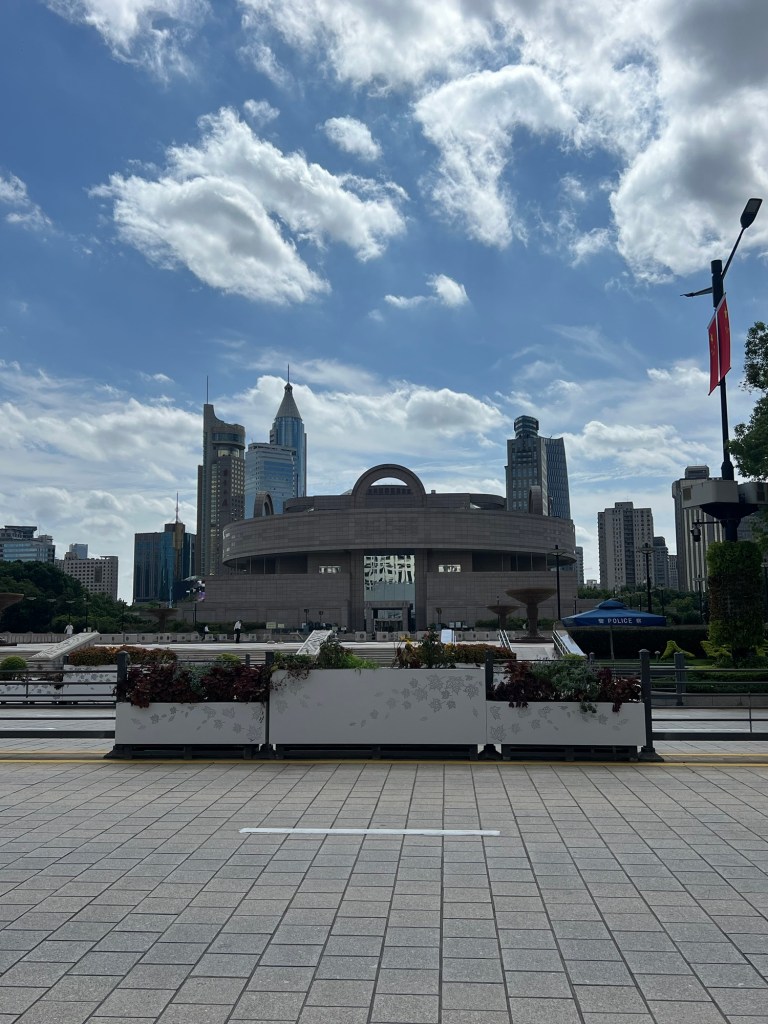
Prior to 1949 and the establishment of the Peoples Republic of China, what is now People’s Square was a course for horse racing owned by the British Shanghai Race Club.
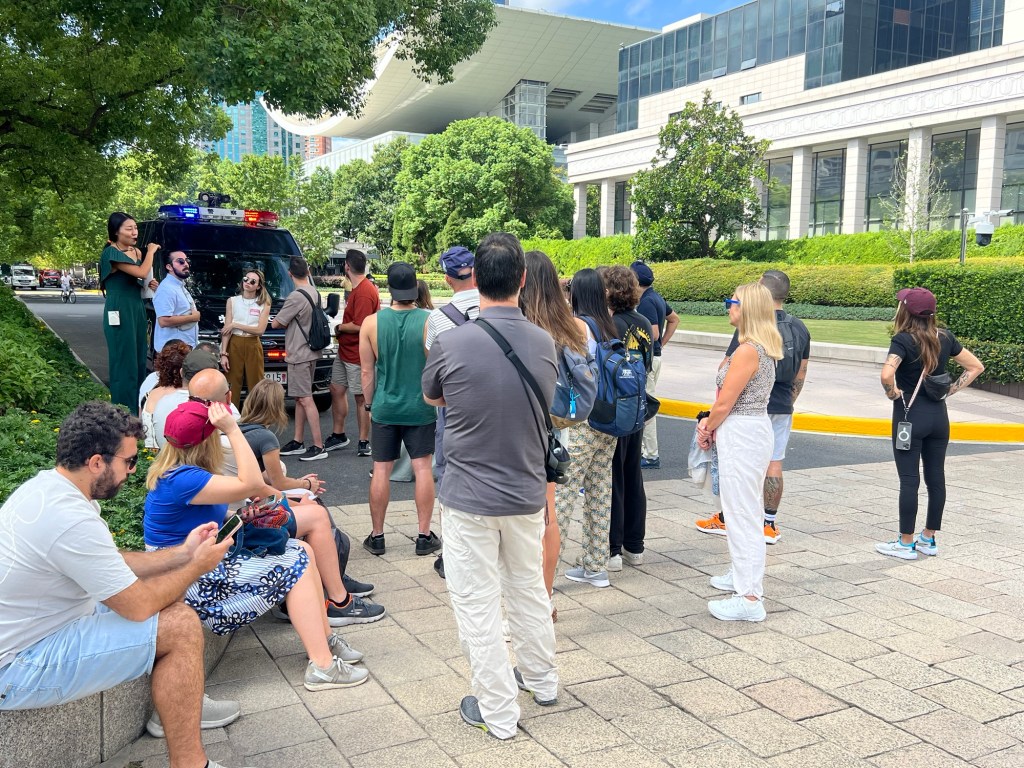
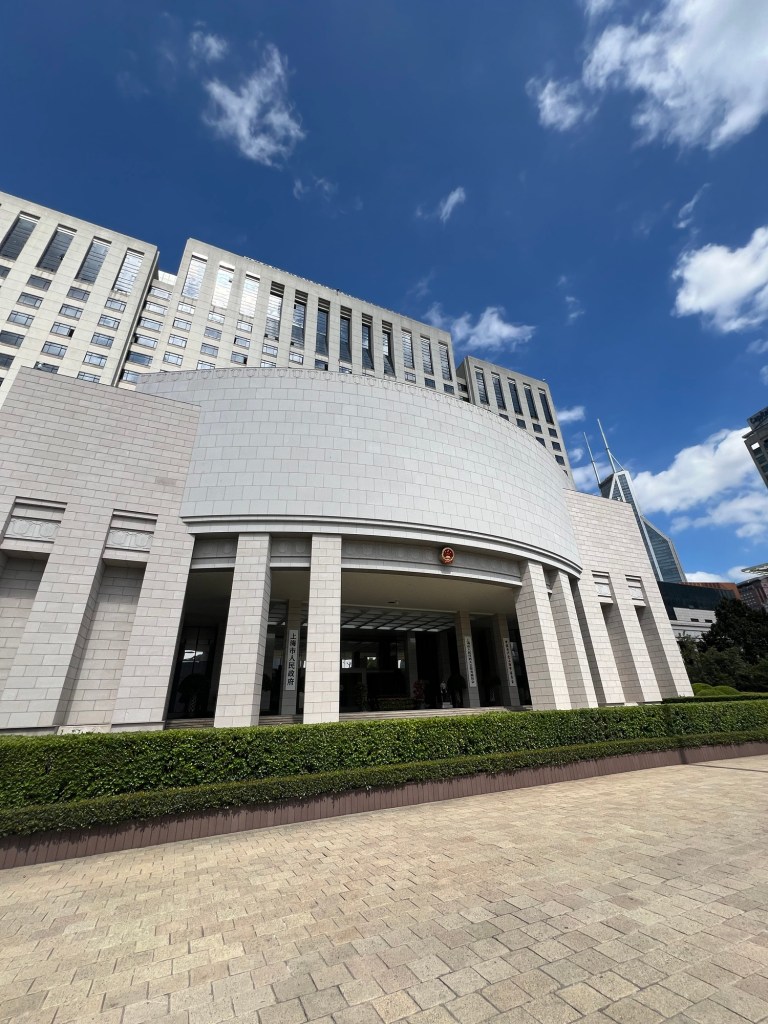
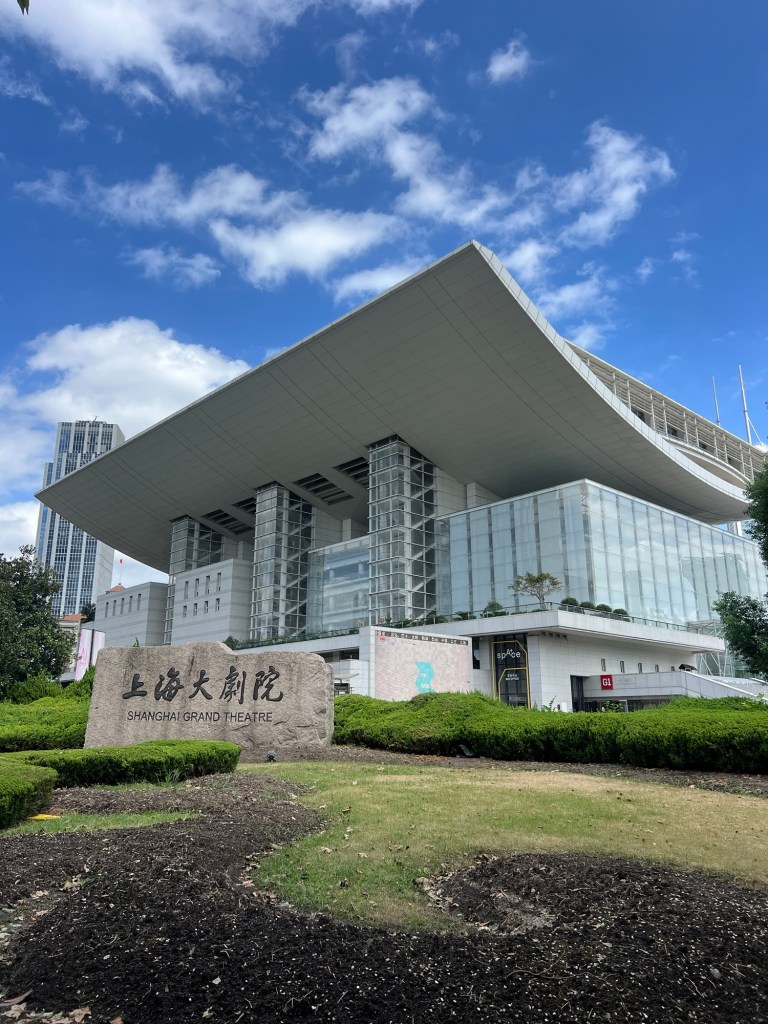
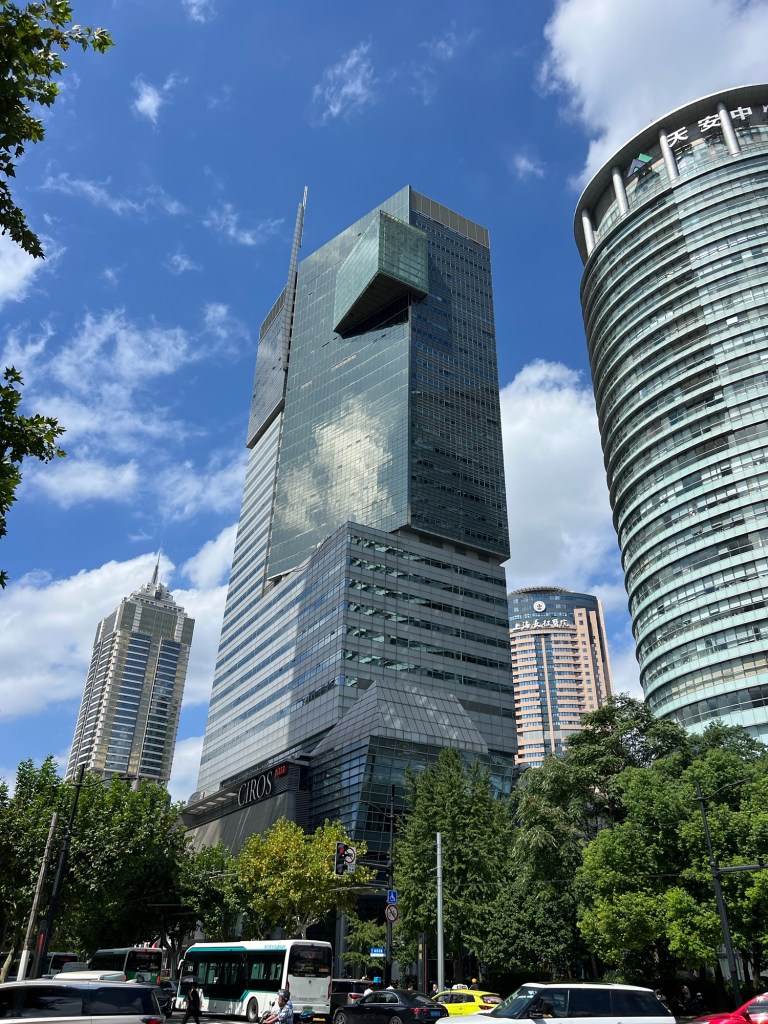
Around People’s Square are a deluge of modern high rise buildings which were all designed and built within the last 30yrs.
The scale and magnitude of the city is immense and to achieve all of this in such a short period of time demonstrates the ultimate power and focus of the Chinese government and their thriving economy.
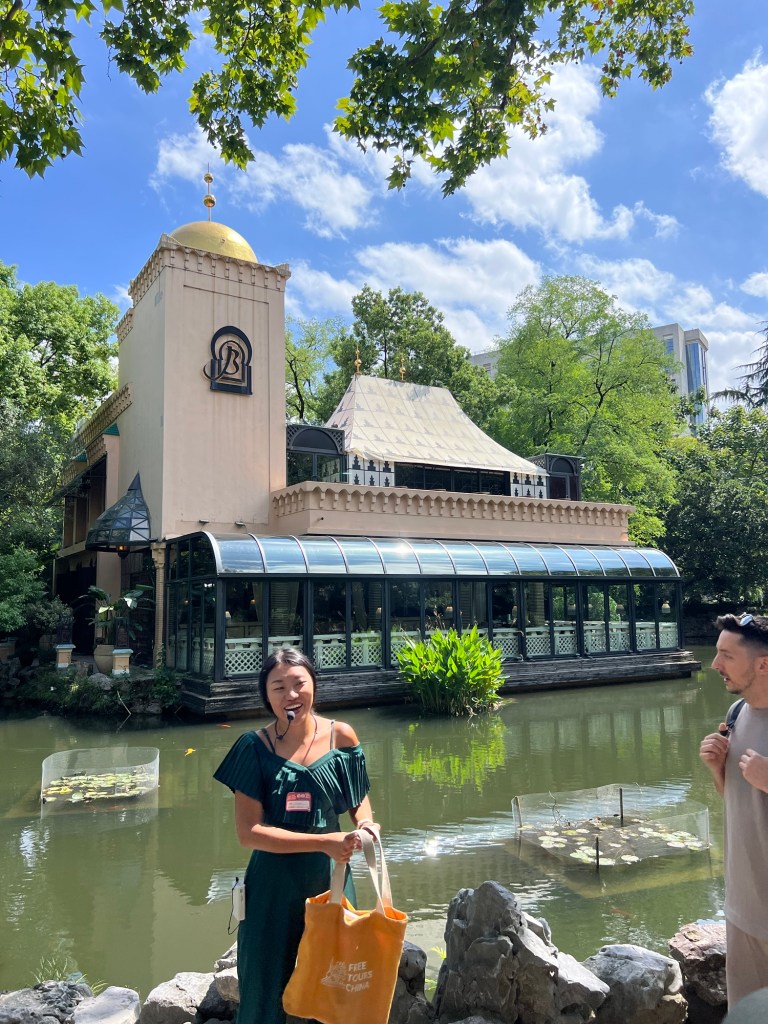
As we walked through the lush city park, it was noticeable that the majority of the visitors were older Chinese with their grandkids, the reason being that they retire early often between 50-55yrs and then have little to do other than help with child care!
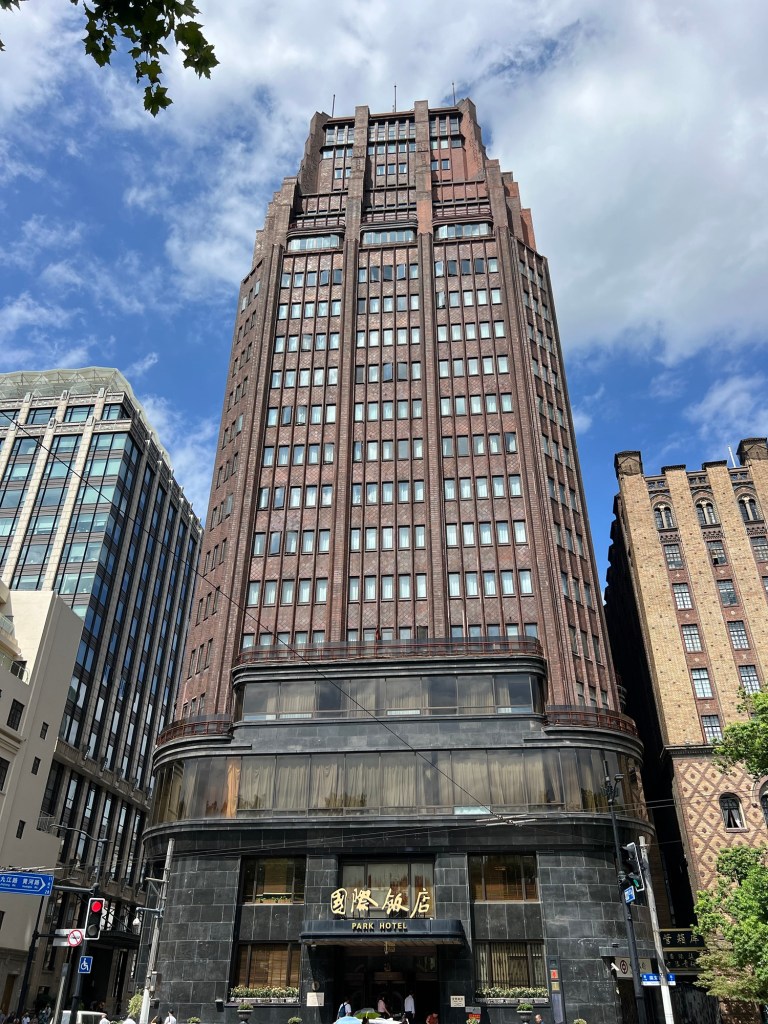
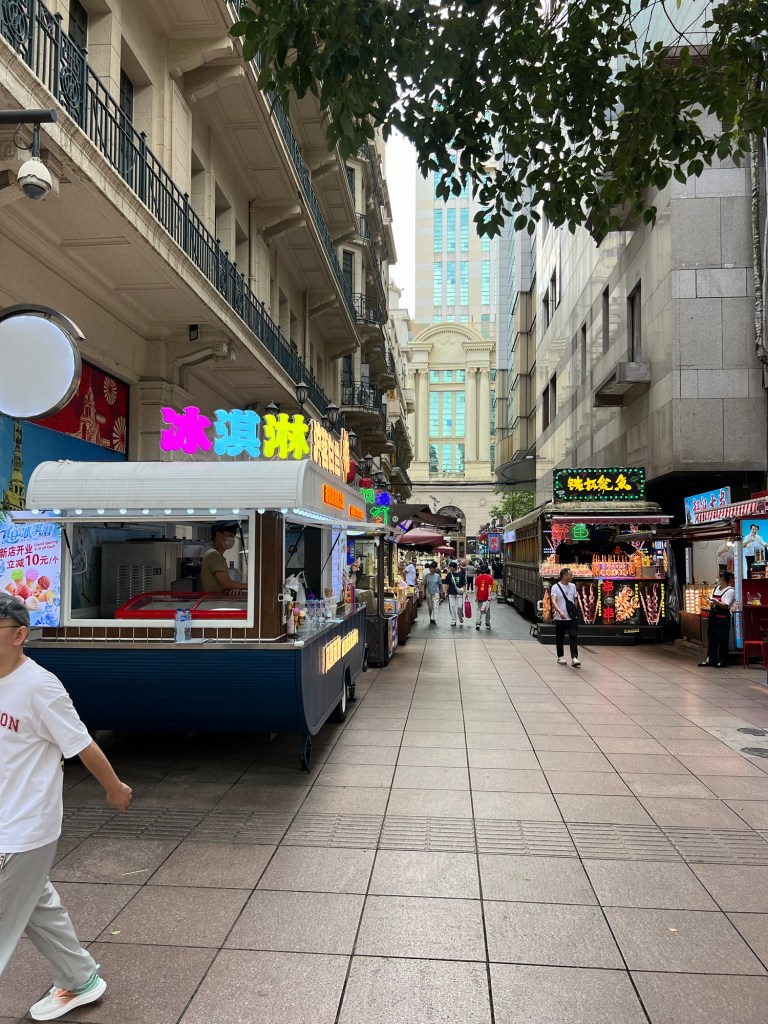
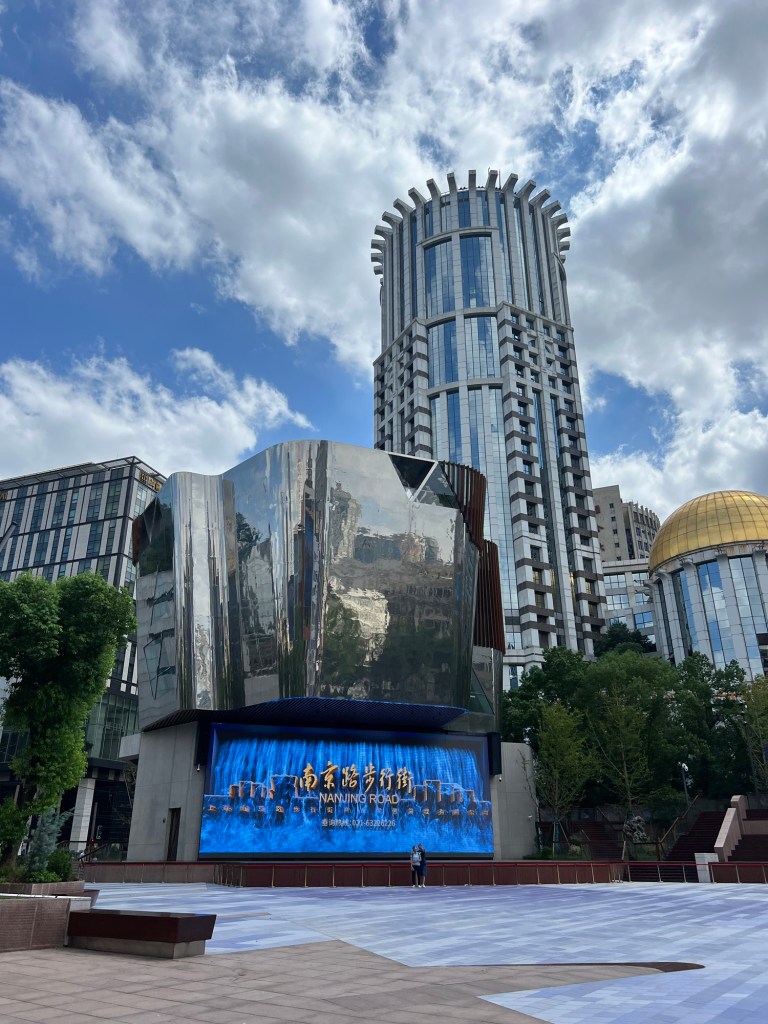
After leaving the calm of Peoples Square we moved to the main walking street called Nanjing Road, the eastern part of which is the main shopping district of Shanghai.
It is one of the world’s busiest shopping streets, along with Fifth Avenue, Oxford Street, Orchard Road and the Champs-Elysees. The street is named after Nanjing, capital of Jiangsu province and the former capital of the China.
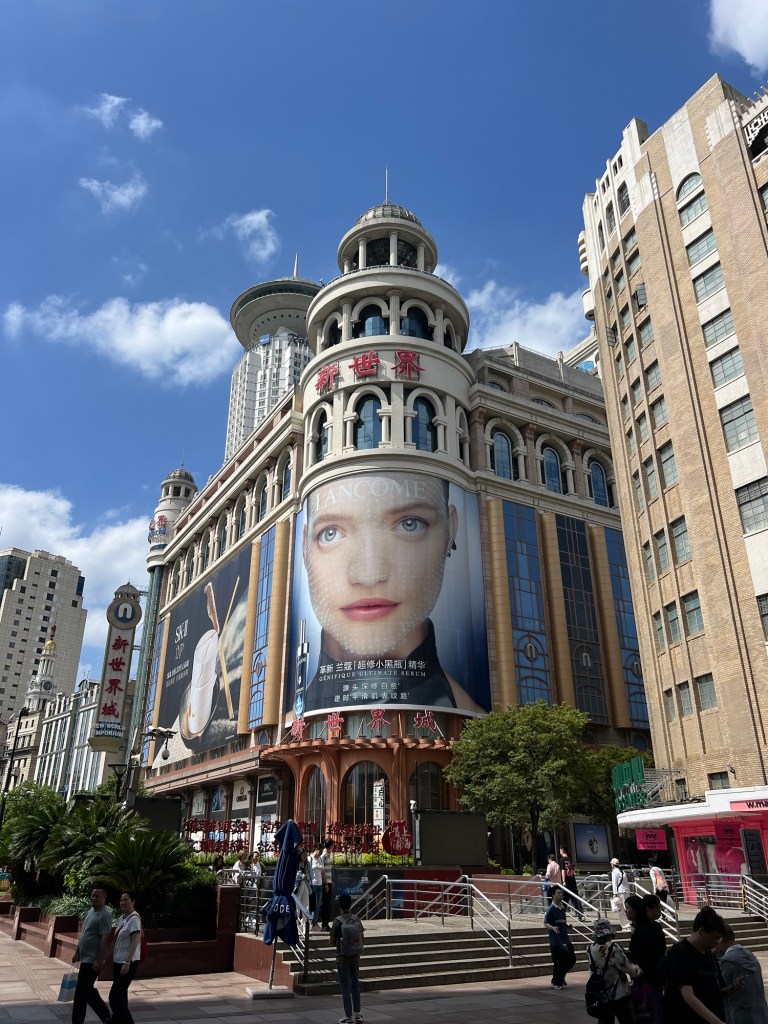
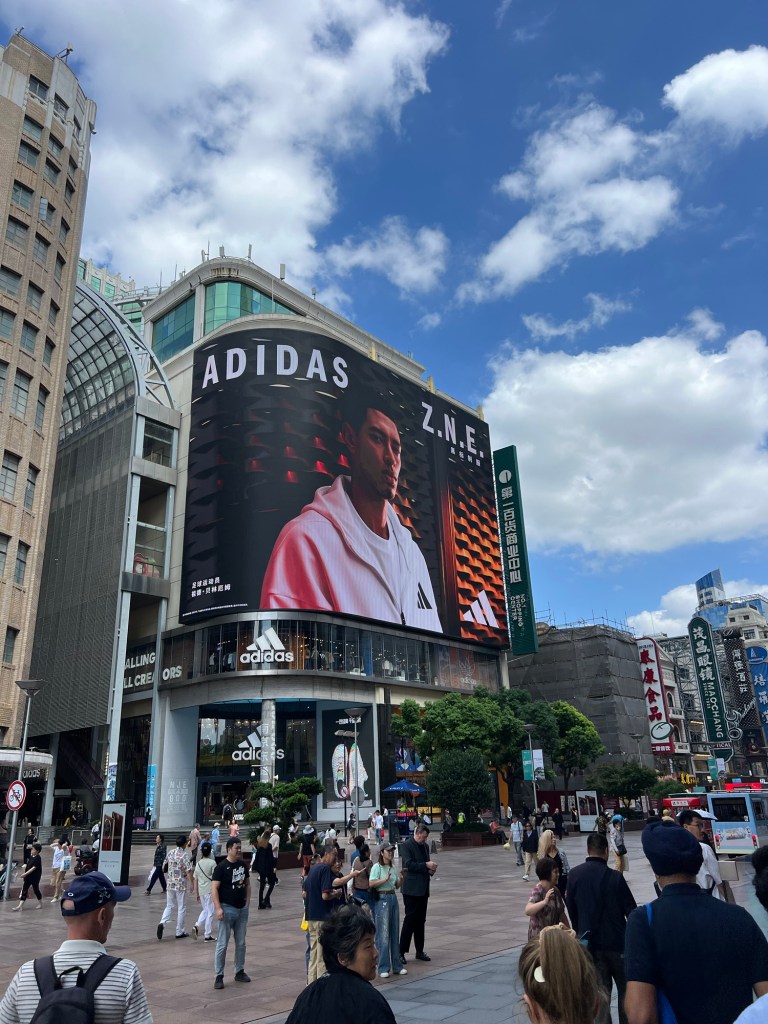
It’s definitely one of the busiest streets we’ve walked along in SE Asia and as Europeans we were regularly approached about whether we’d like to buy any fake bags, watches and accessories!
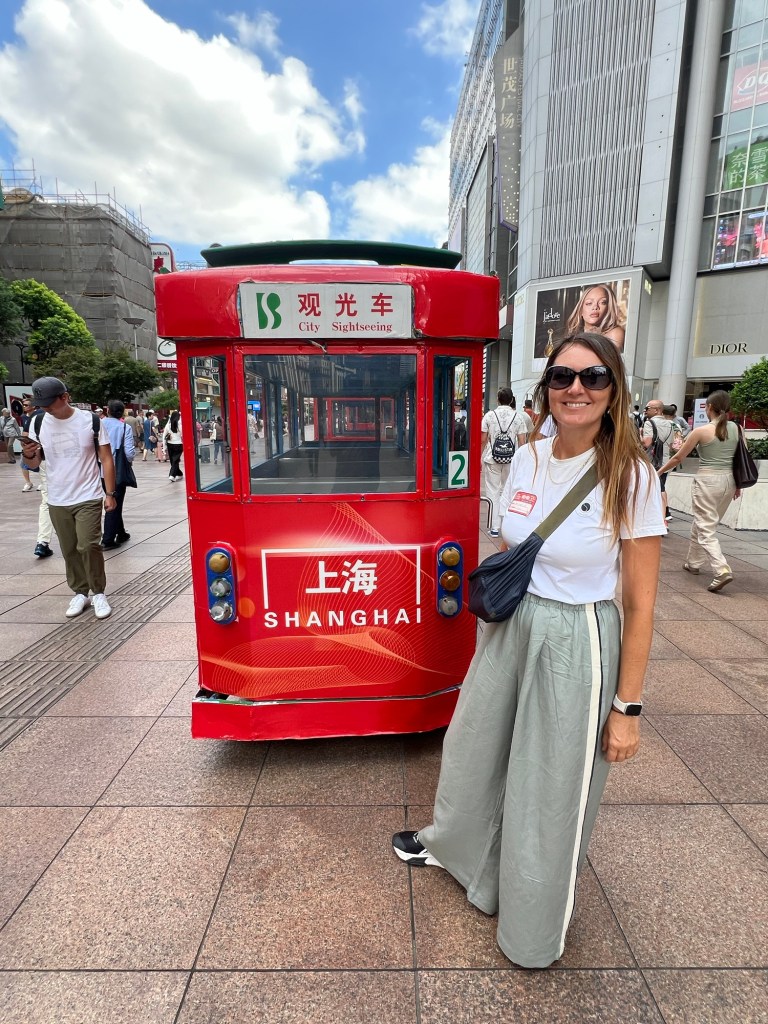
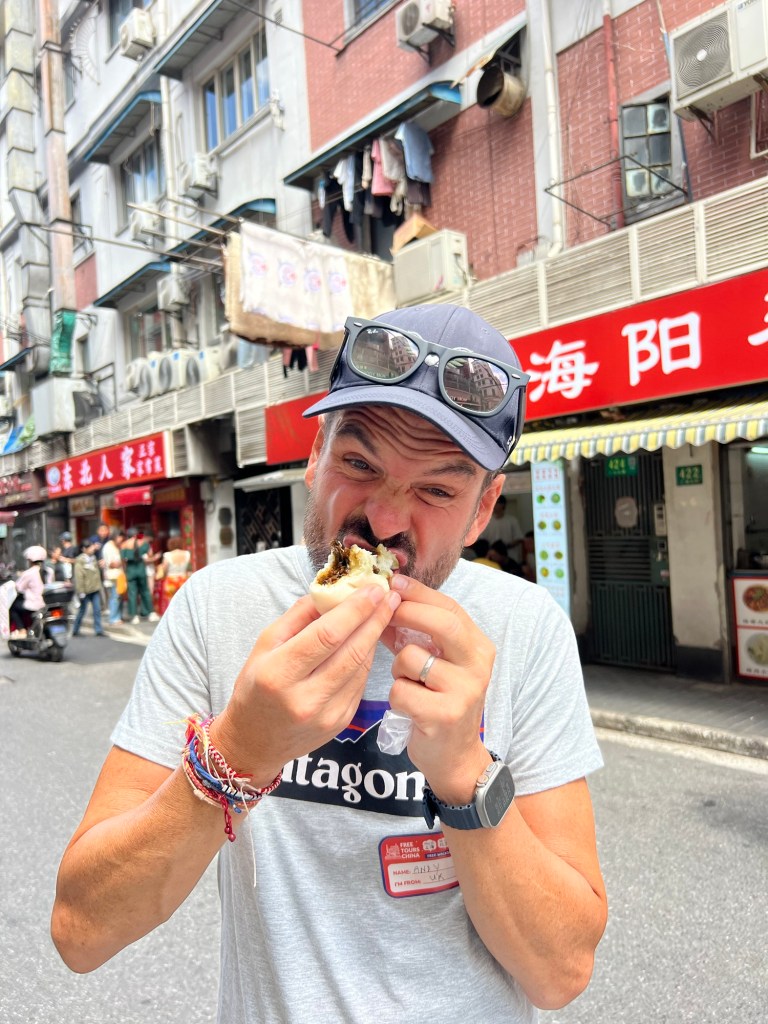
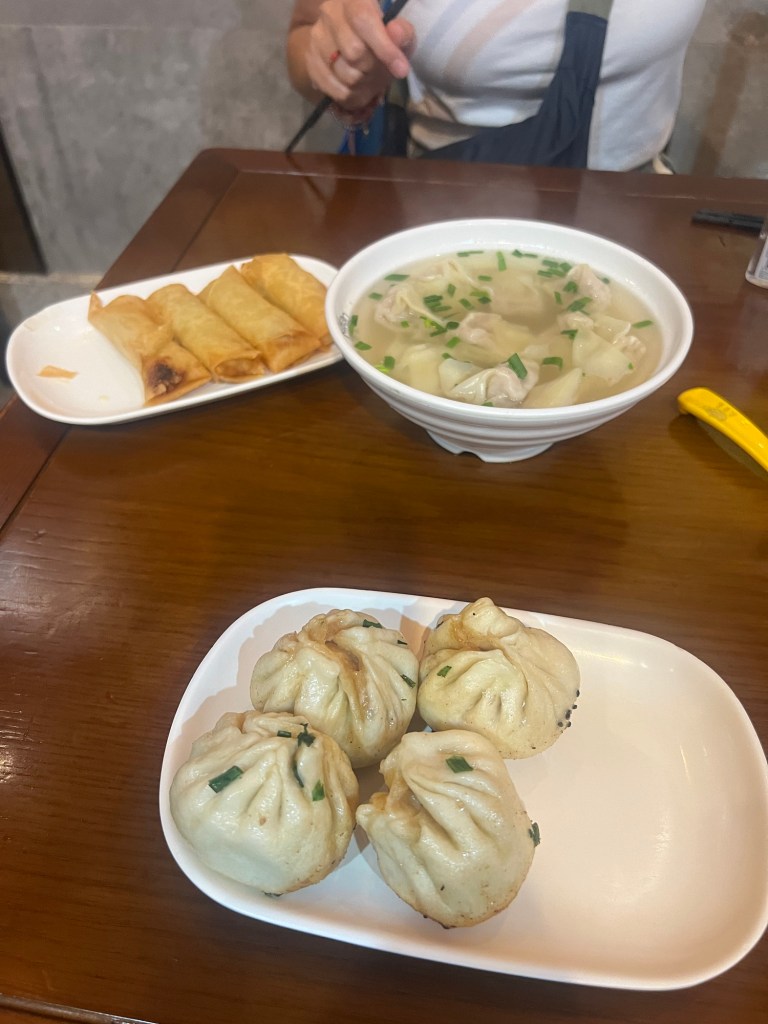
Leaving the shopping area we went in search of some Shanghai street food. We tried Steam bun and a Soup bun, as meat Wonton soup, each being for less than £1. Great value and so very tasty.
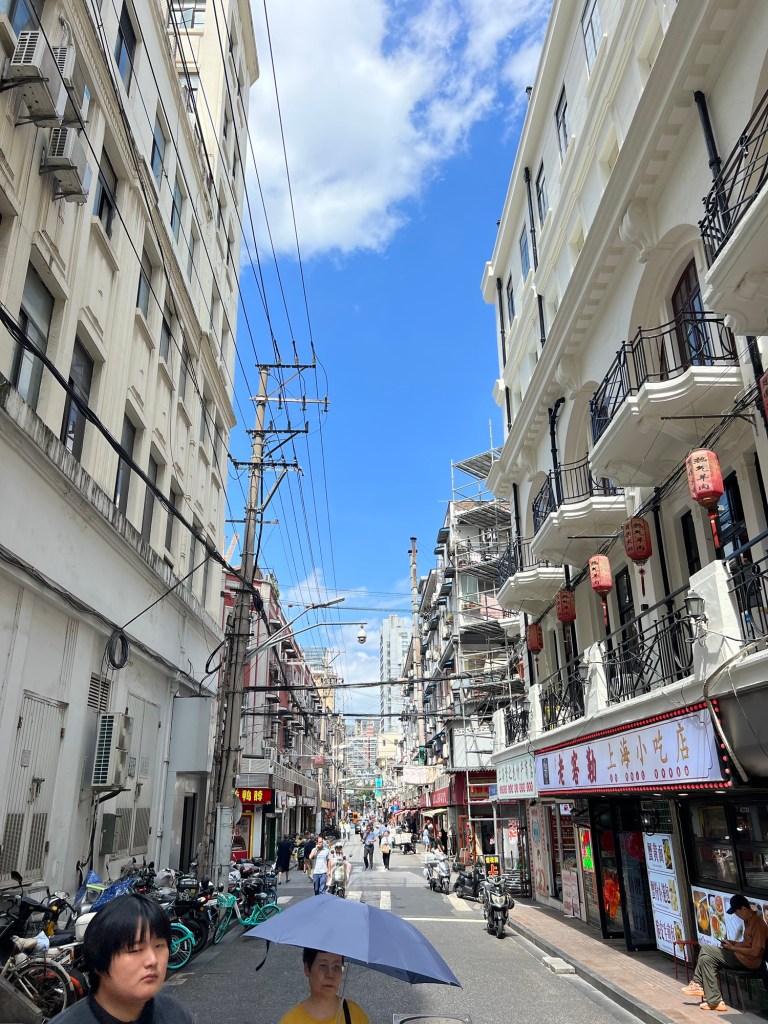
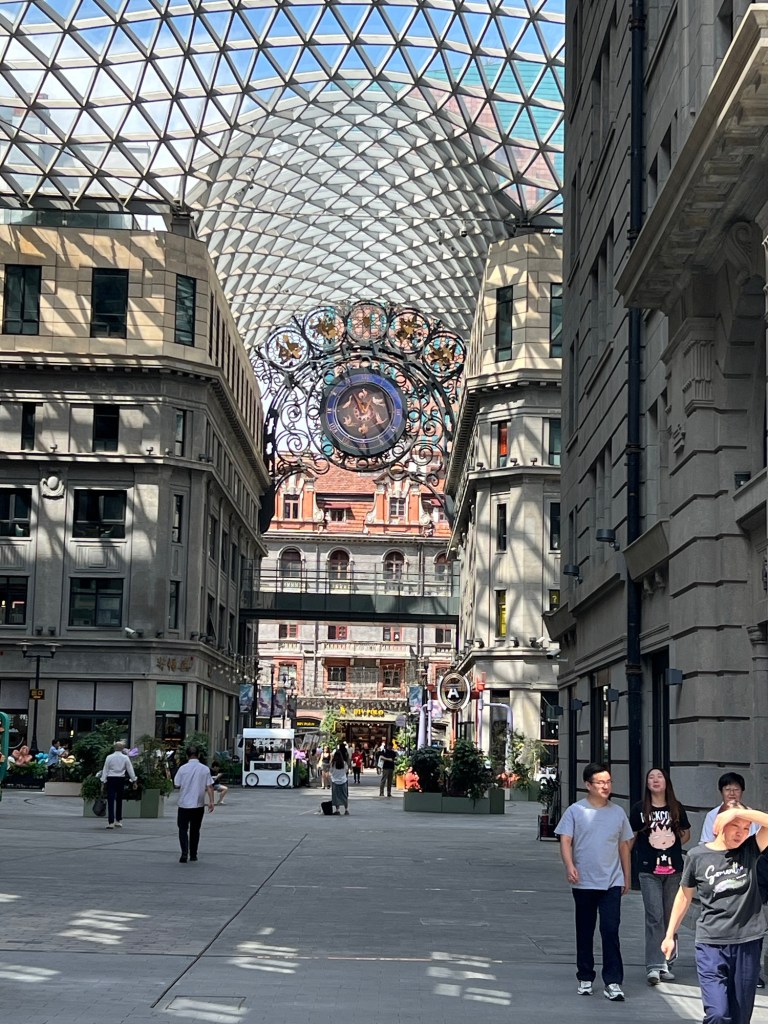
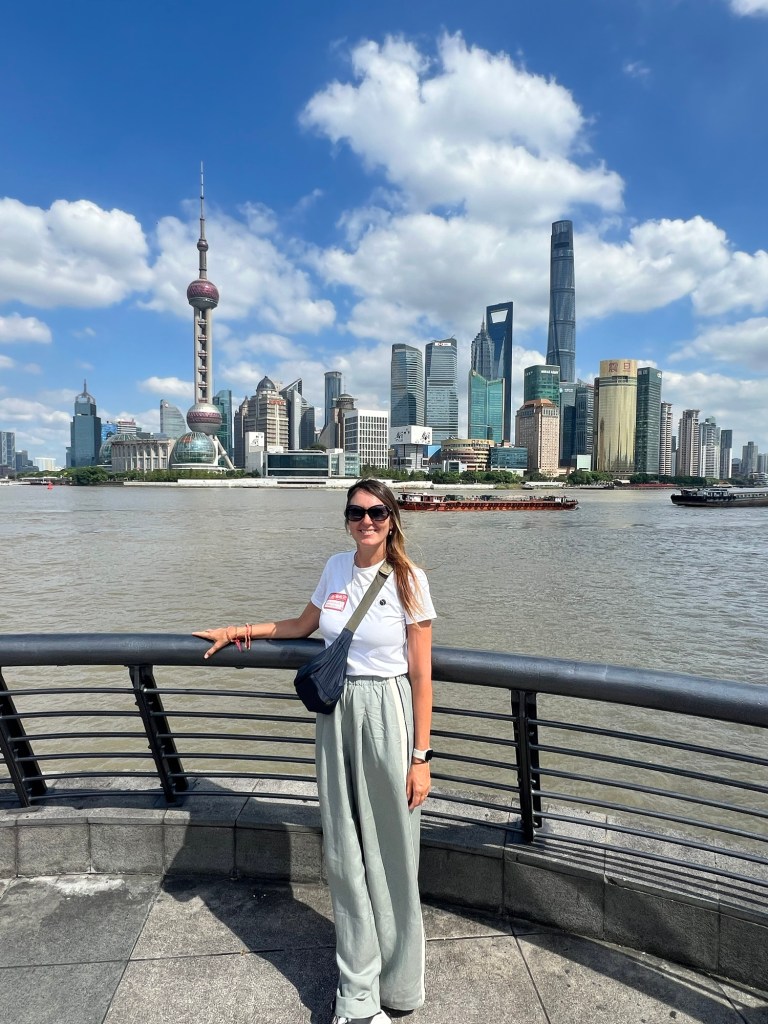
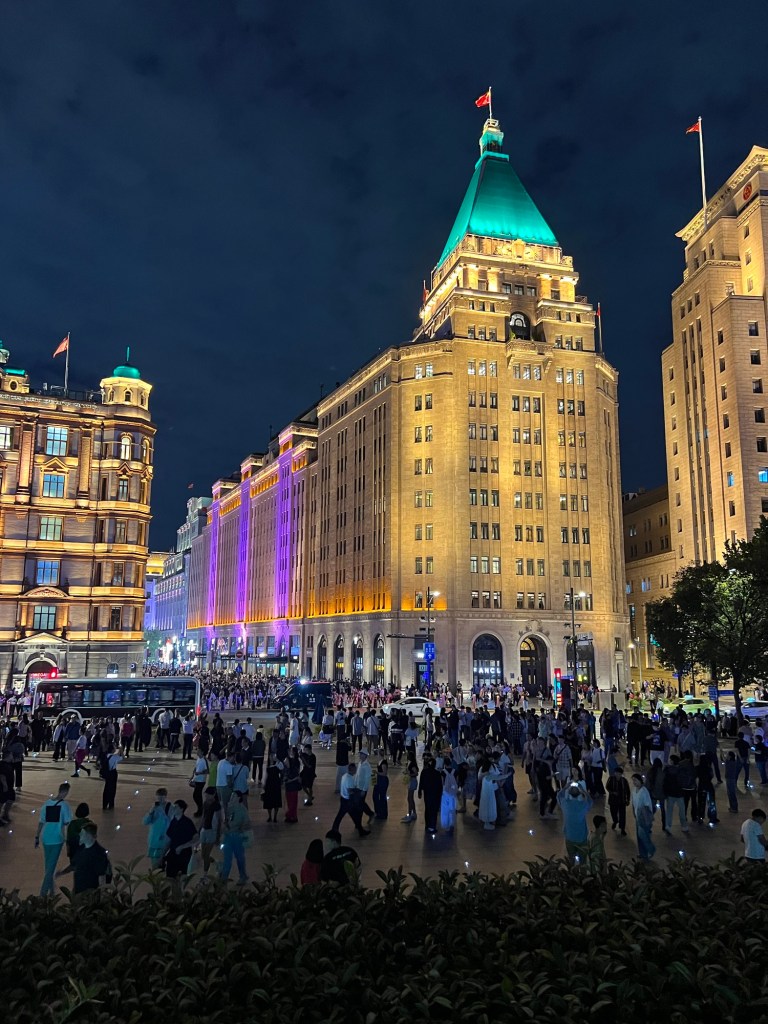
Next we moved to The Bund, the waterfront area and a protected historical district in the centre. The area centres on a section of Zhongshan Road within the former Shanghai International Settlement.
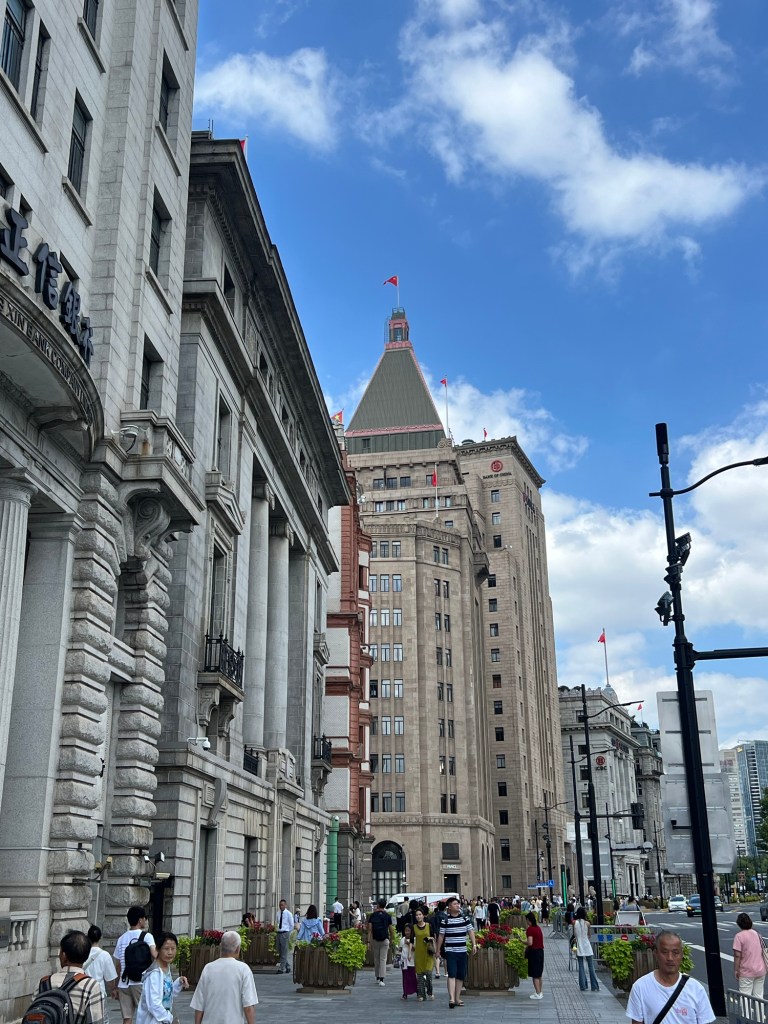
The Bund refers to the buildings and wharves on this section of the road, as well as some adjacent areas. This region has a significant European influence, with the style of many structures most comparable to that of European cities, particularly Gothic, Baroque, Neoclassical, Art Deco and Renaissance architecture.
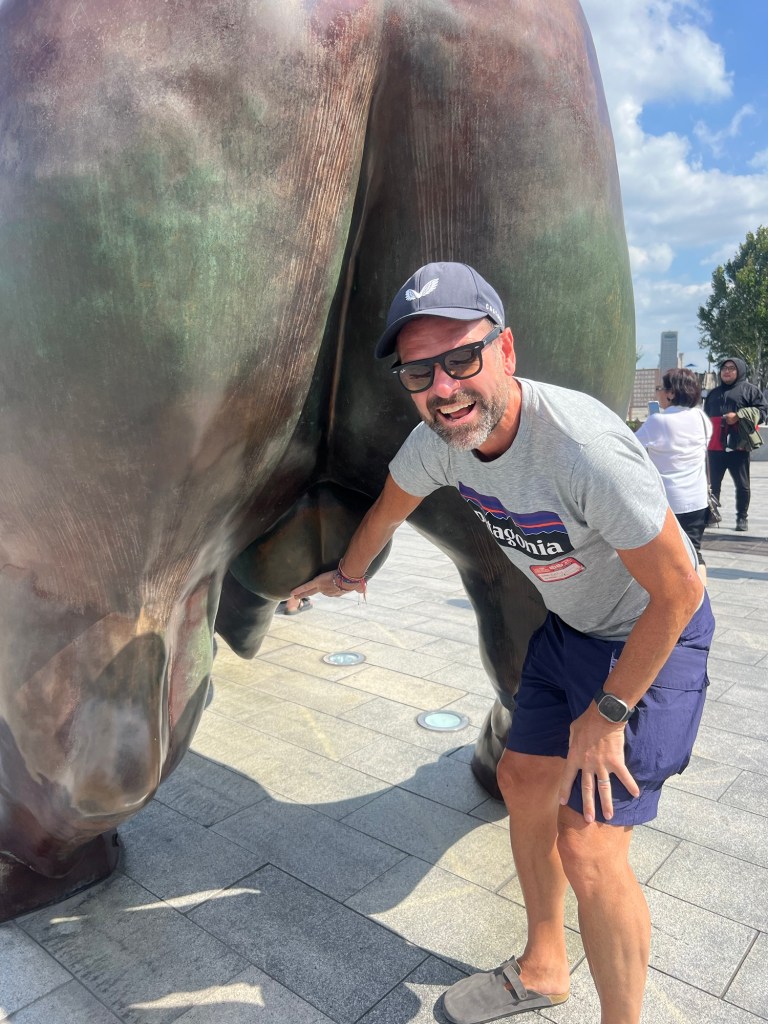
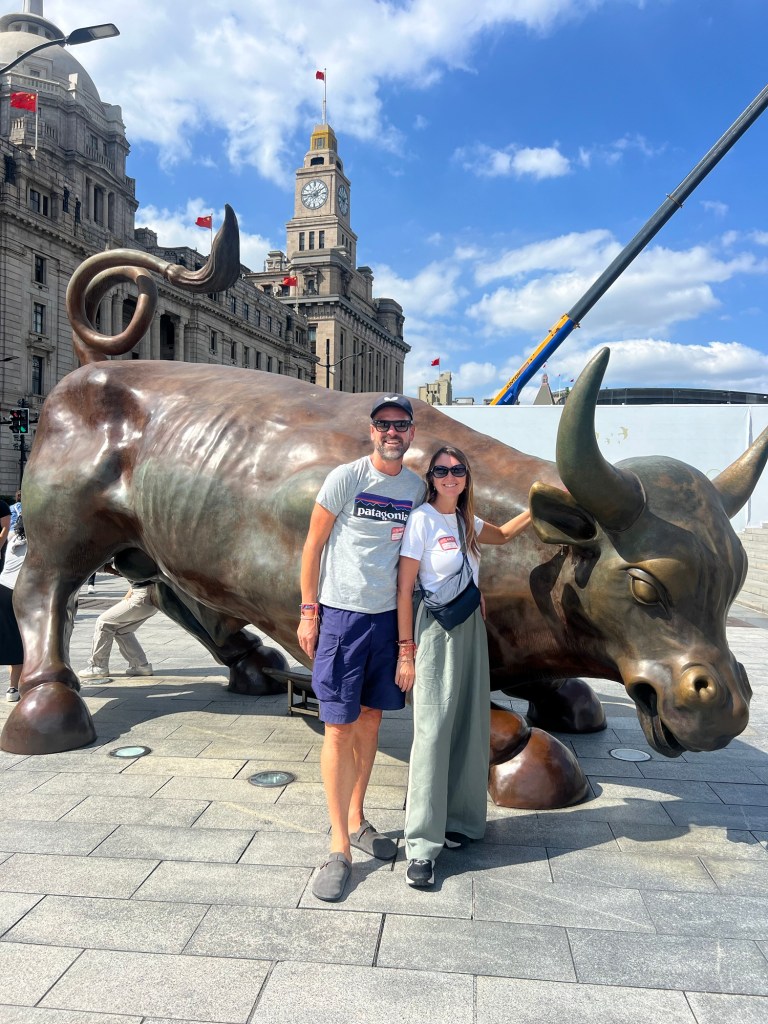
The Shanghai Bull, the Bund Financial Bull or the Bund Bull are monikers associated with Arturo Di Monica’s Charging Bull installed in 2010. Although the 6,000kg work of art is said to have the same height, length and weight as the New York City version, actually it is 17foot long and 10foot tall. The bull is reddish, as a tribute to the country that commissioned the work. It leans to right instead of the left like Charging Bull and has a more menacing tail. The Bull’s popularity has been a problem for local authorities.
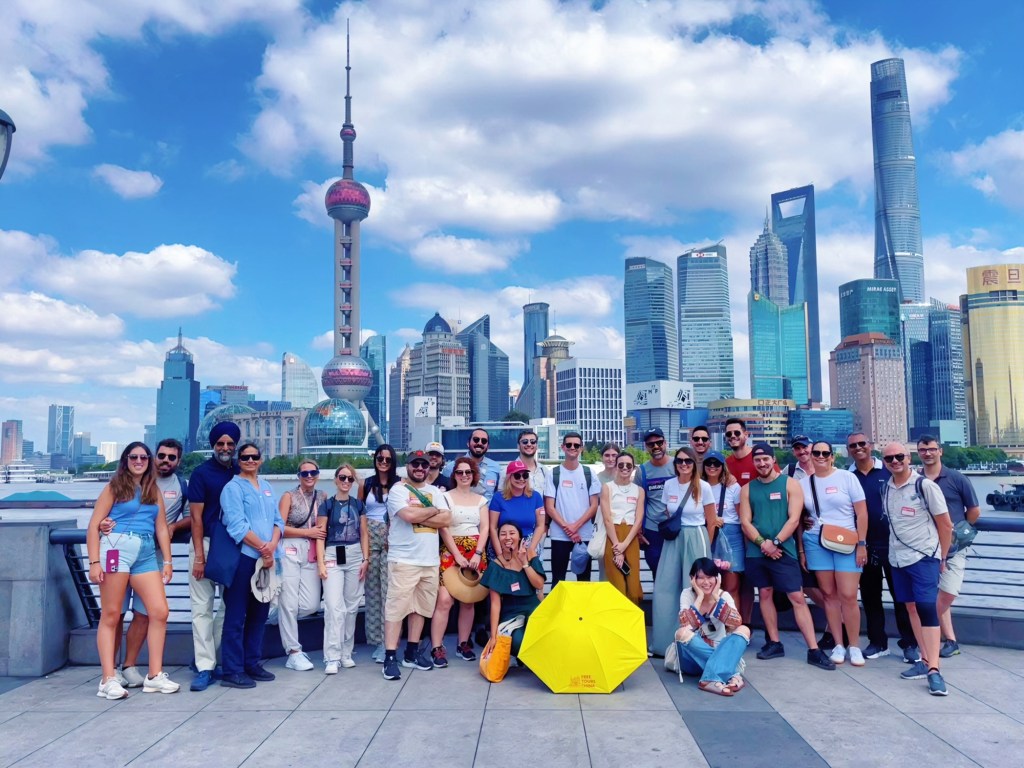
We ended our tour around 2.30pm in Yu Garden, the entry point to the mock China town, that’s been created to help sell crafts, souvenirs and local street foods to tourists.
We enjoyed the tour and met some lovely people from across the world. We plan to meet our guide again on Wednesday to do another tour of the French Concession area of the city, know for its European style architecture and leafy streets with cafes and bars.
We then jumped in a cab and headed a couple of miles south to Tianzifang, an arts and crafts enclave close to the French Concession.

The area was beautiful with its narrow alleyways filled with boutiques, galleries and cafes.
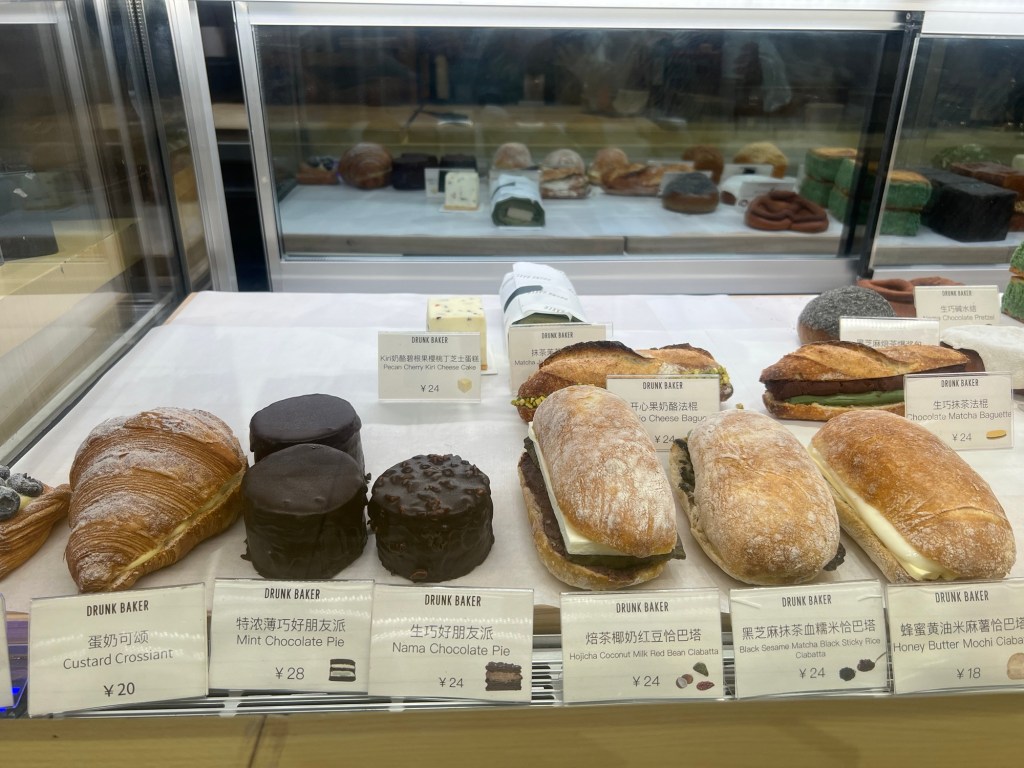
We loved this part of old Shanghai and quickly found ourselves looking at the beautiful stores.
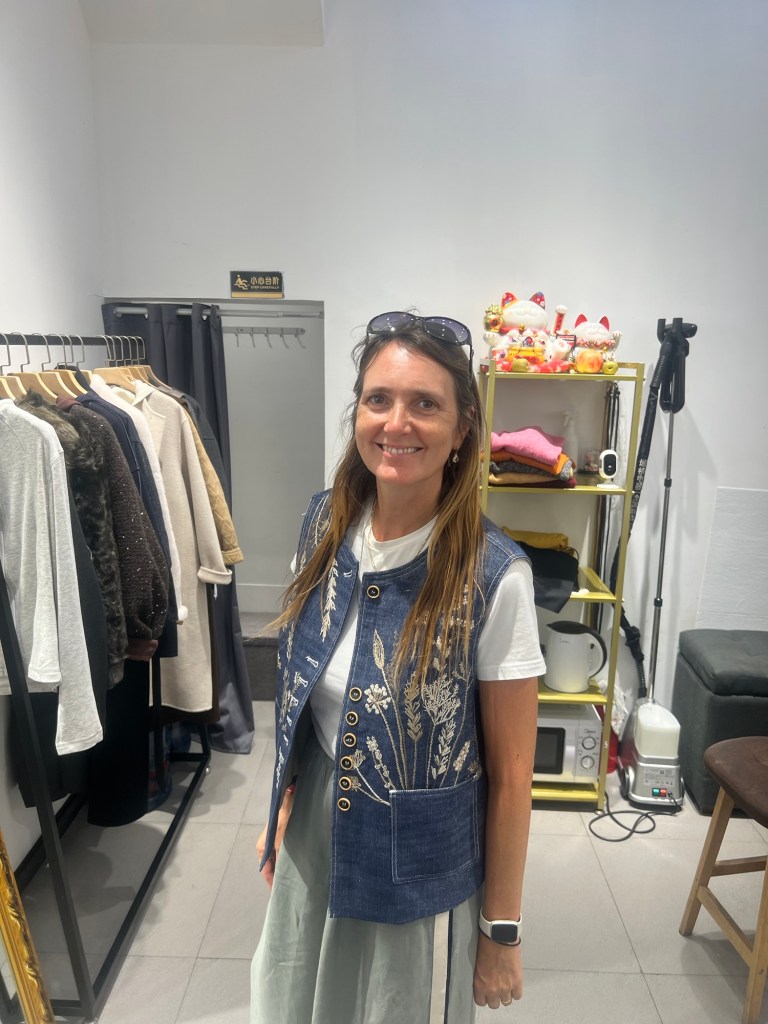
The district comprises a neighbourhood of labyrinthine alleyways off Taikang Road, a short street which is today mostly known only for Tianzi Fang.
Tianzi Fang is known for small craft stores, coffee shops, trendy art studios and narrow alleys. It has become a popular tourist destination in Shanghai, and an example of preservation of local Shikumen architecture.
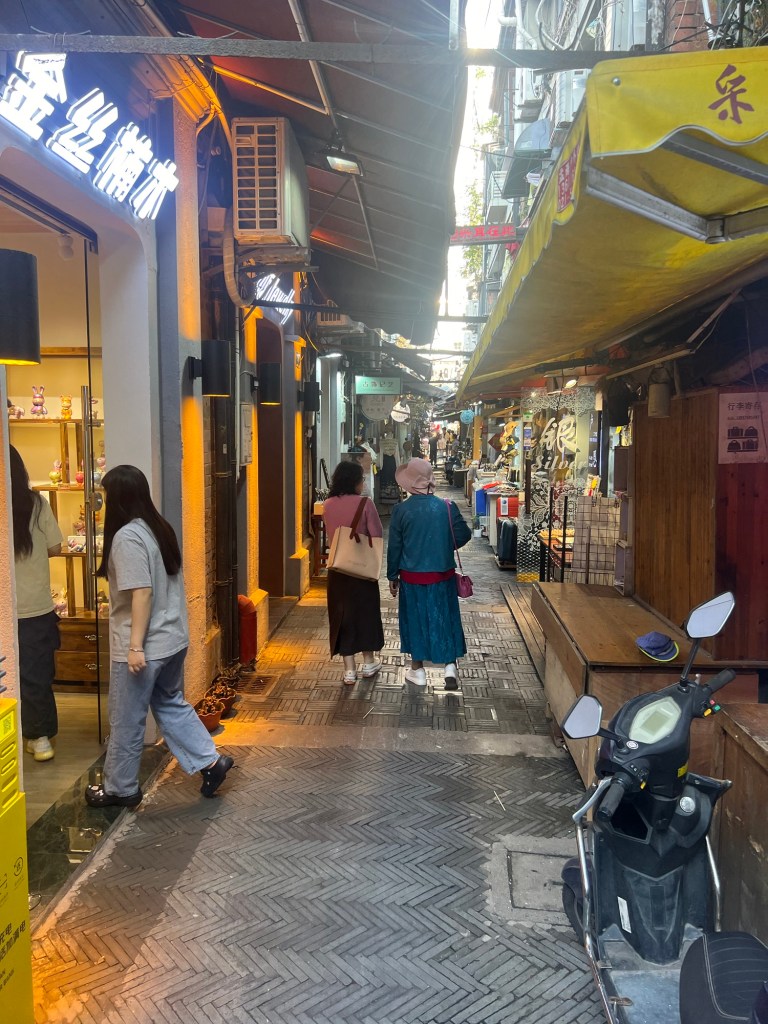
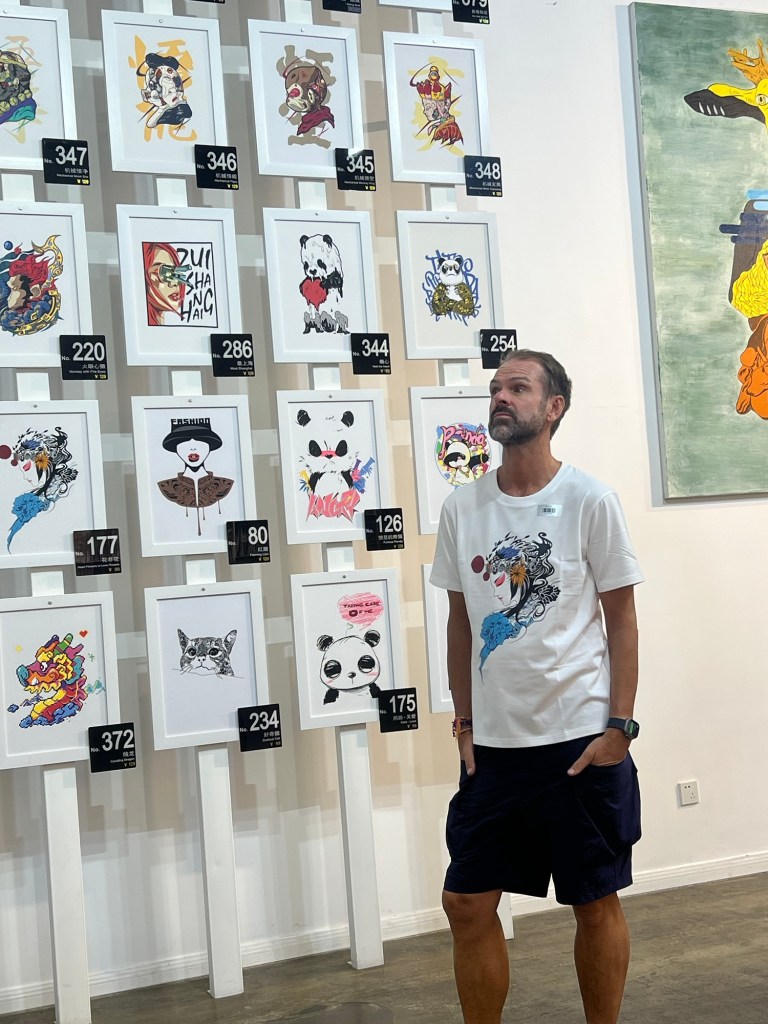
We found ourselves wandering around for a couple of hours with Michelle buying a beautiful dress ring and Andy a T-shirt with a Shanghai designed figure on the front.
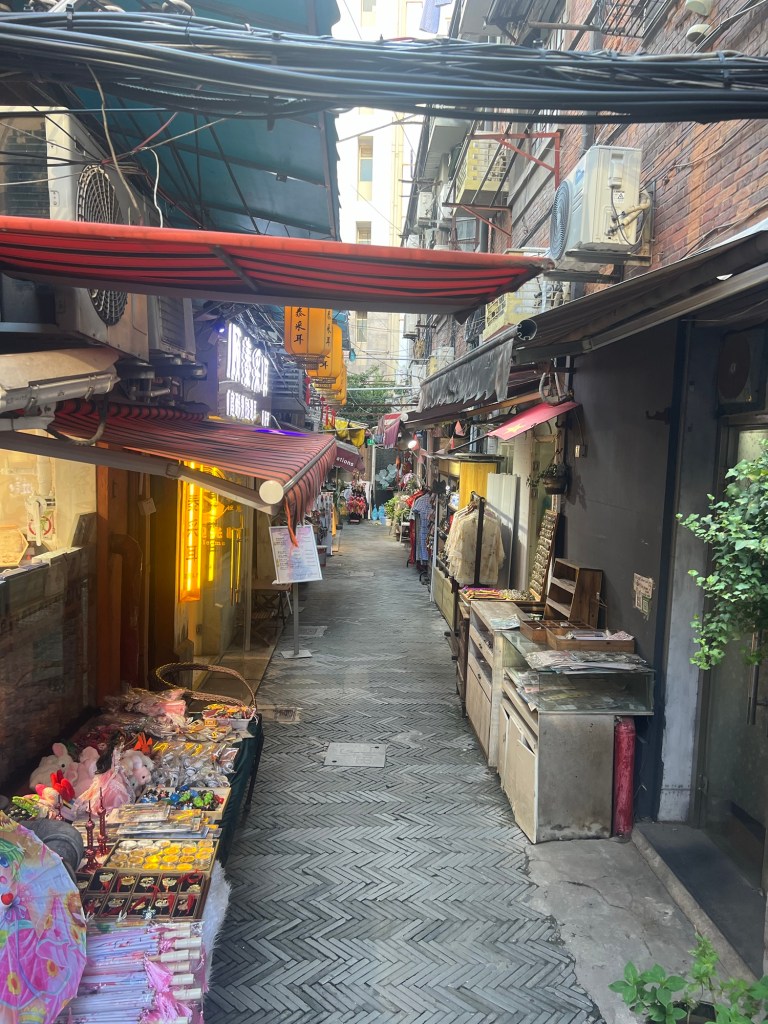
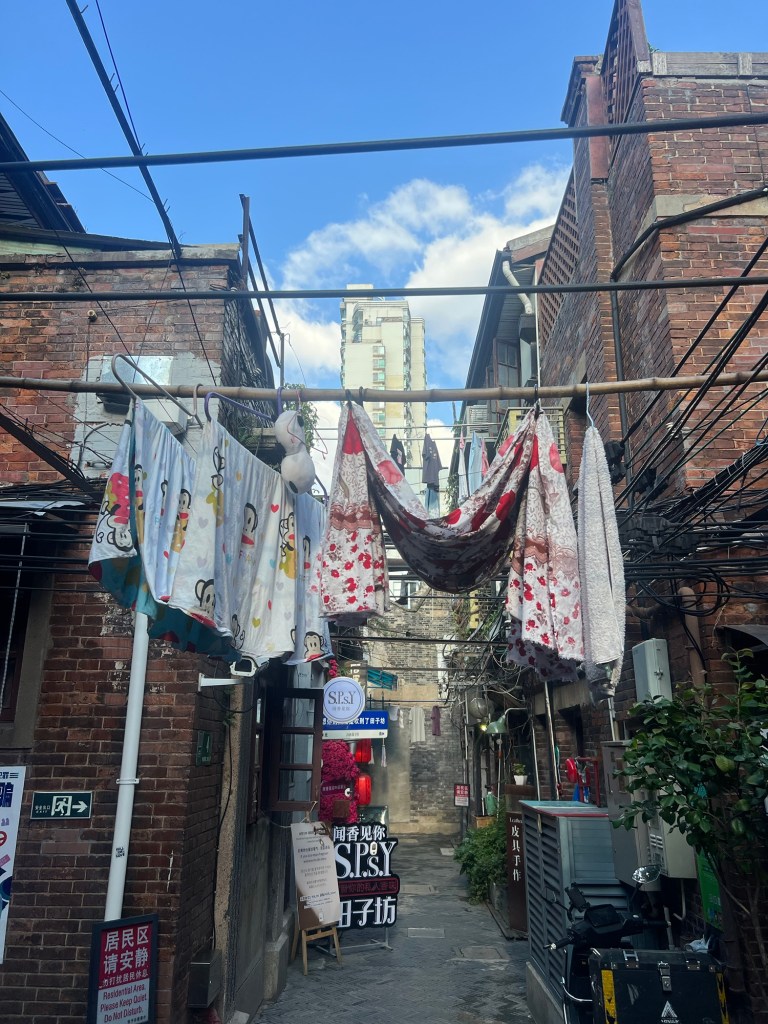
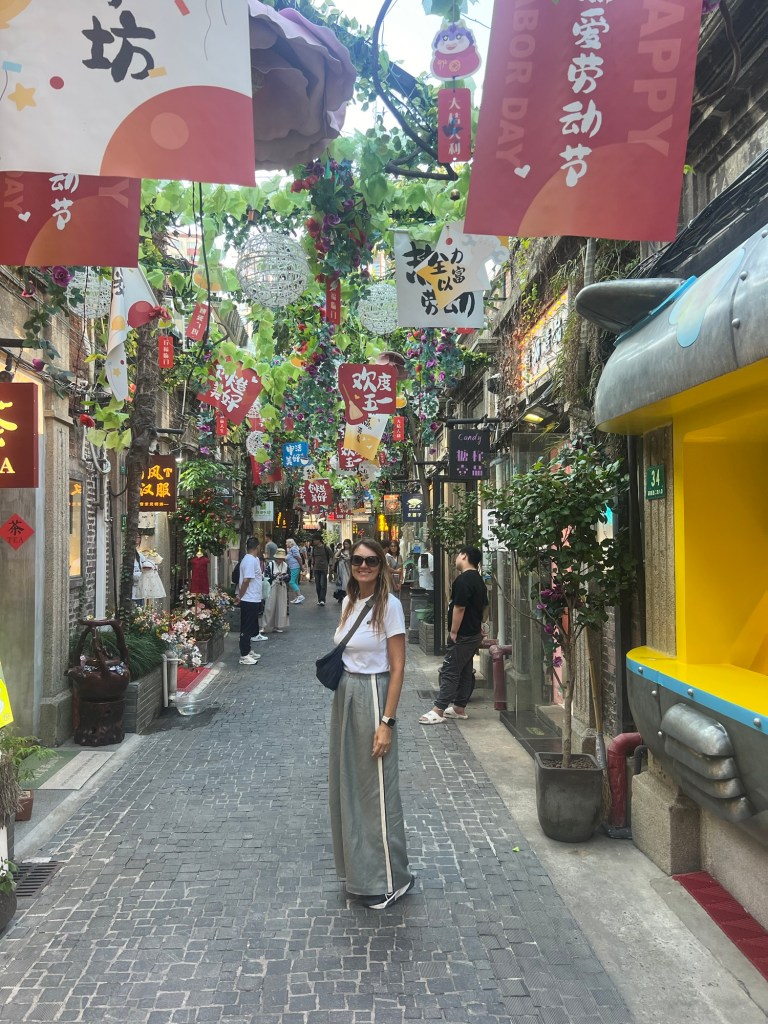
We could easily have spent the whole afternoon in the area and plan to return for a walking tour of the French Concession before we leave.
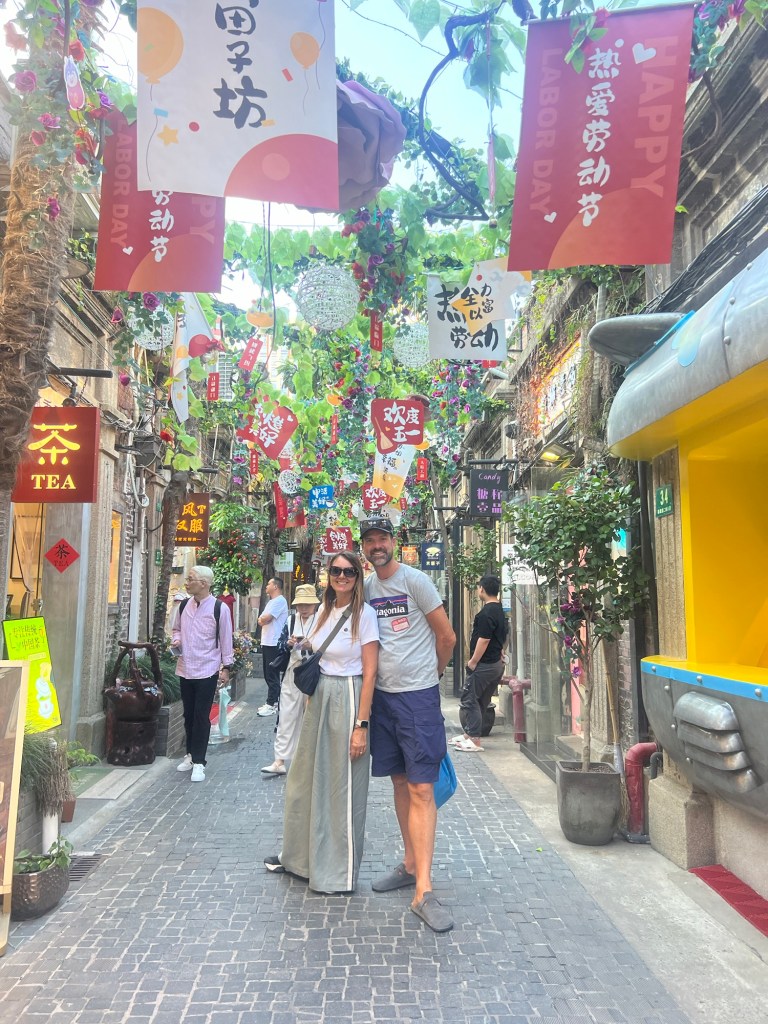
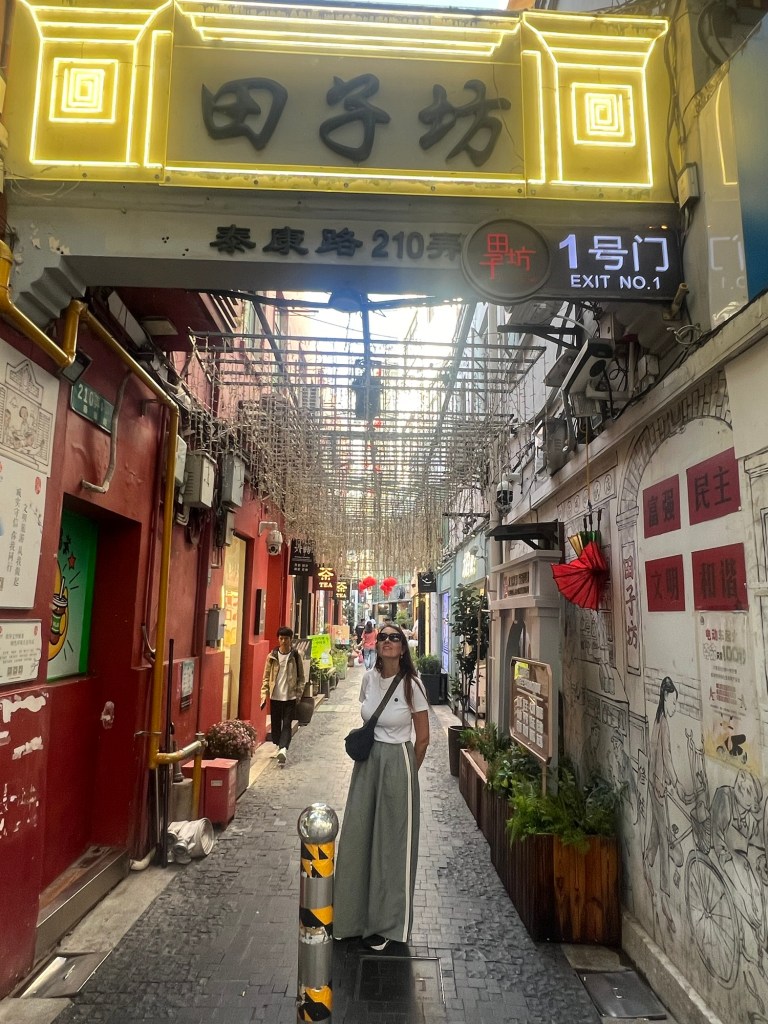
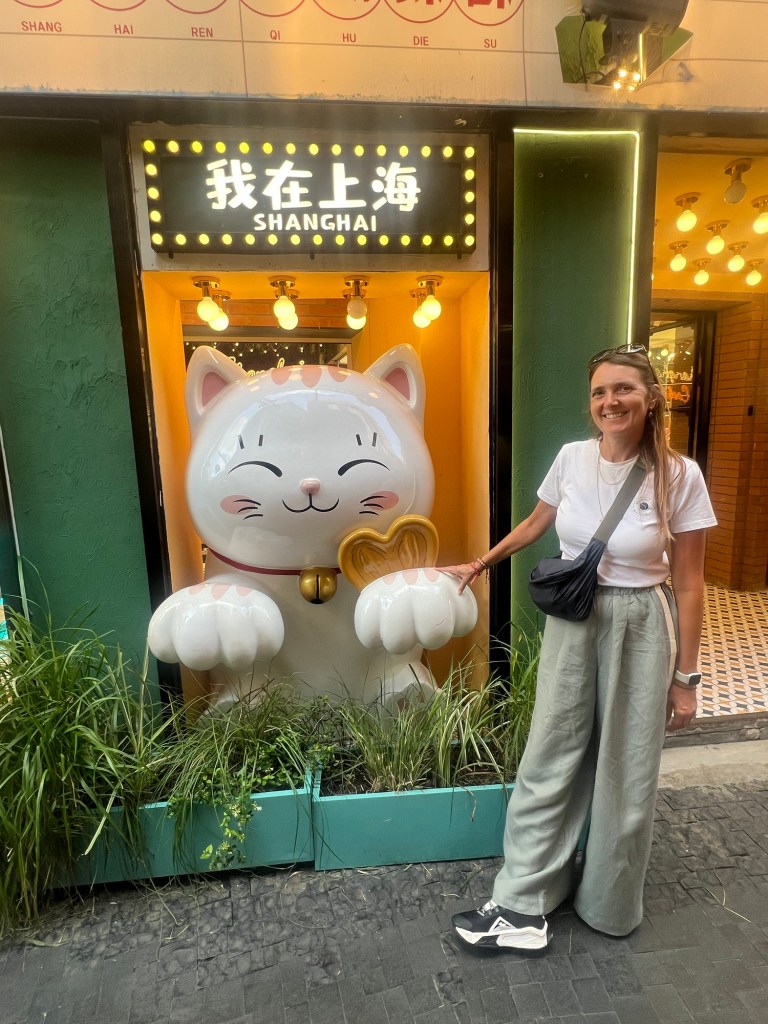
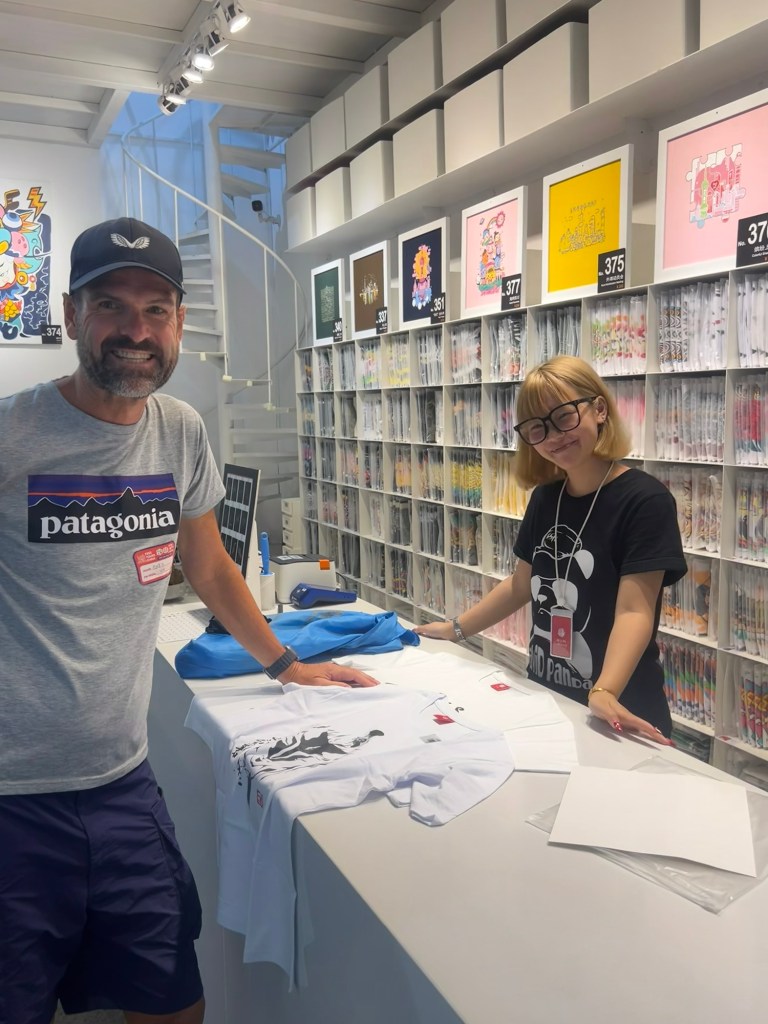
So many amazing designs and images inspired by young designers in Shanghai.
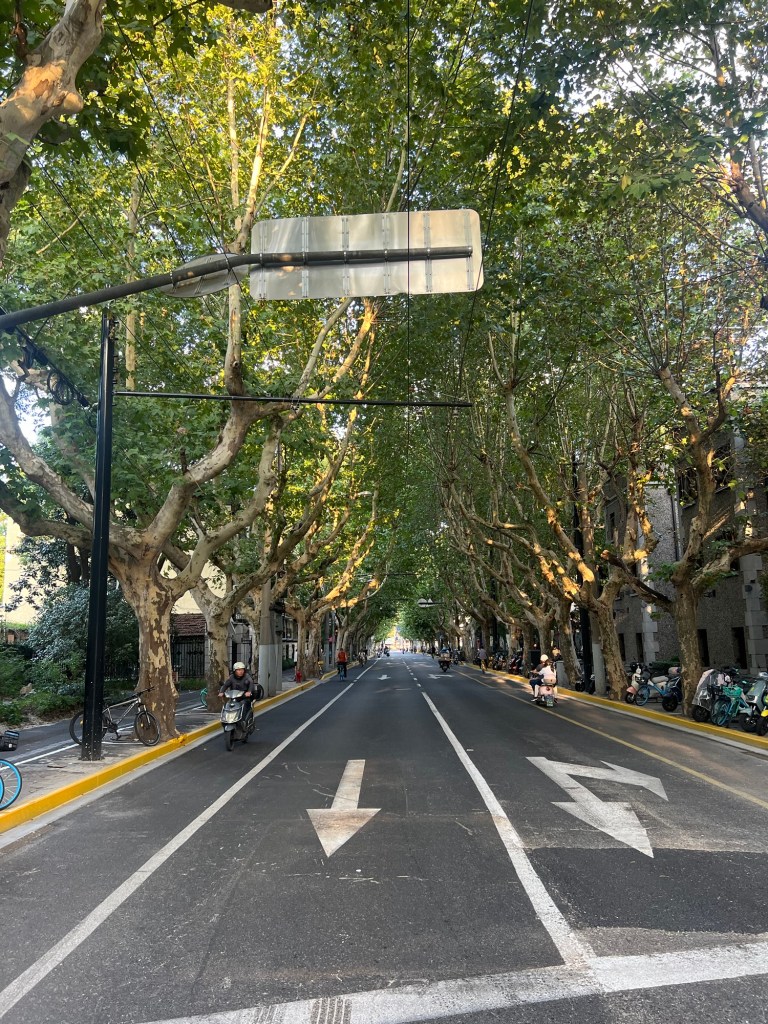
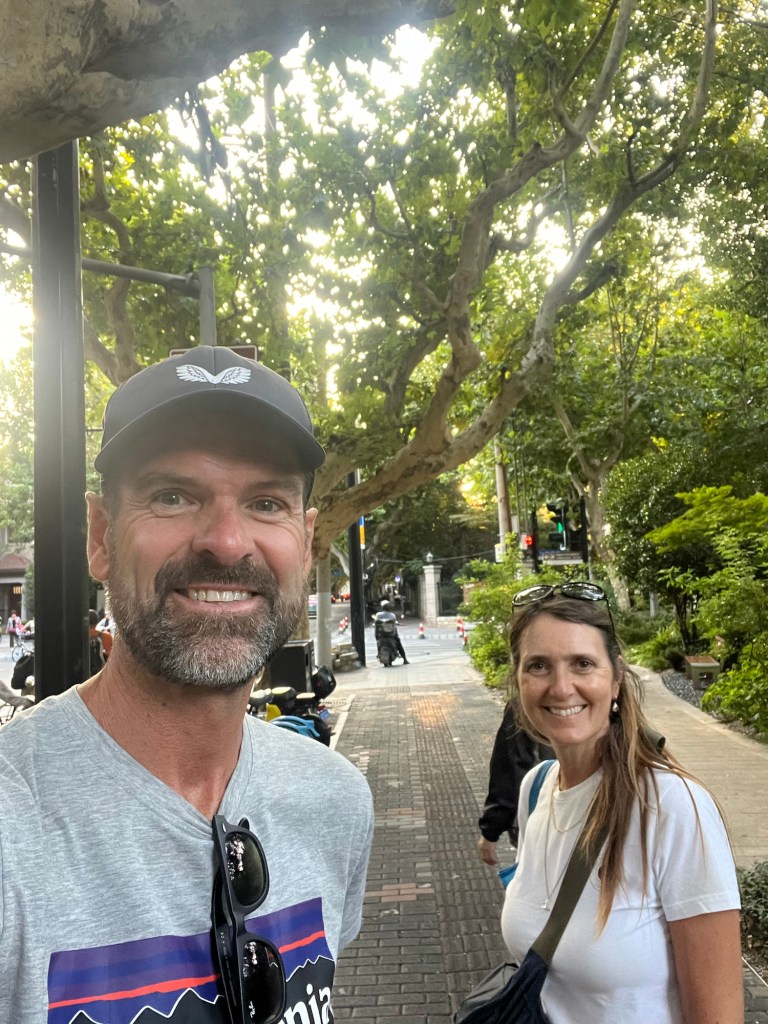
We then decided to walk up to Fuxing Park and found ourselves in a wonderful part of the city full of tree lined streets & gardens with preserved low rise colonial architecture all around us.
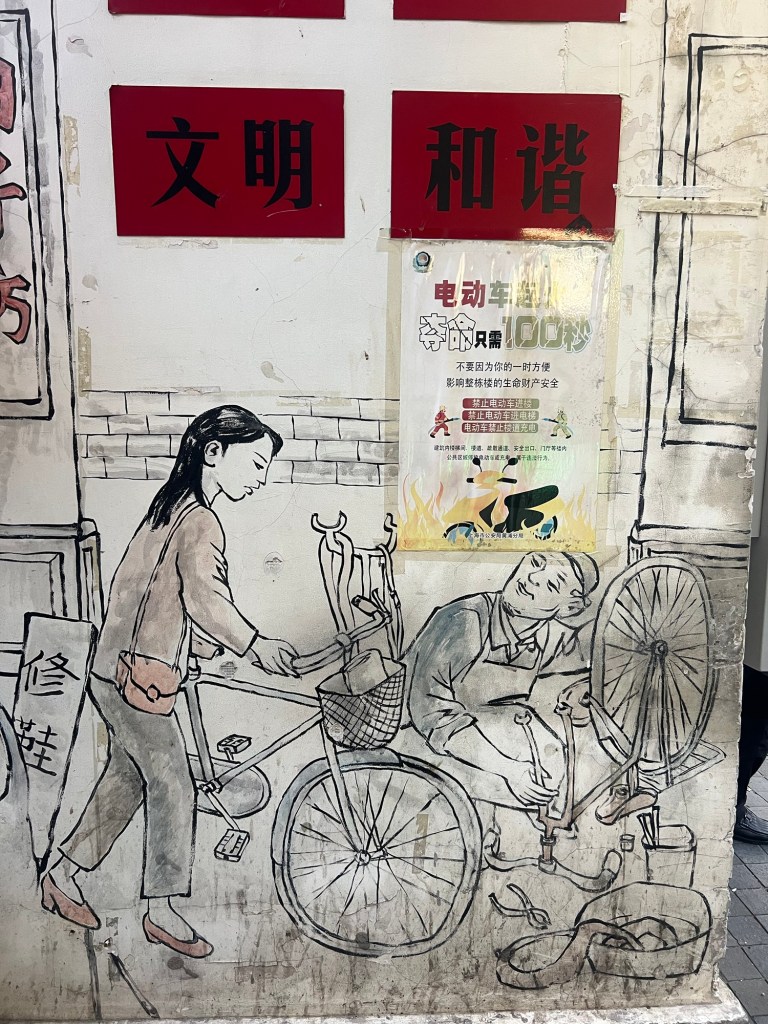
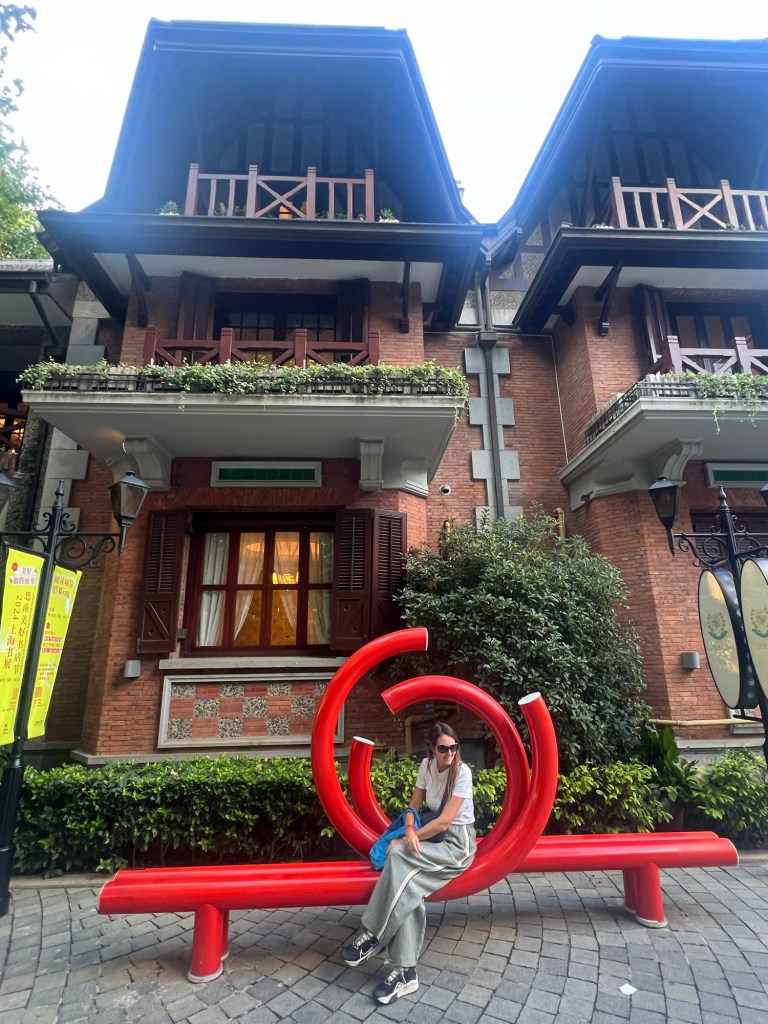
We eventually arrived in the calm of Fuxing Park, where there are a few things you shouldn’t do. Helpfully these were listed at the entrance – quite a lengthy number!
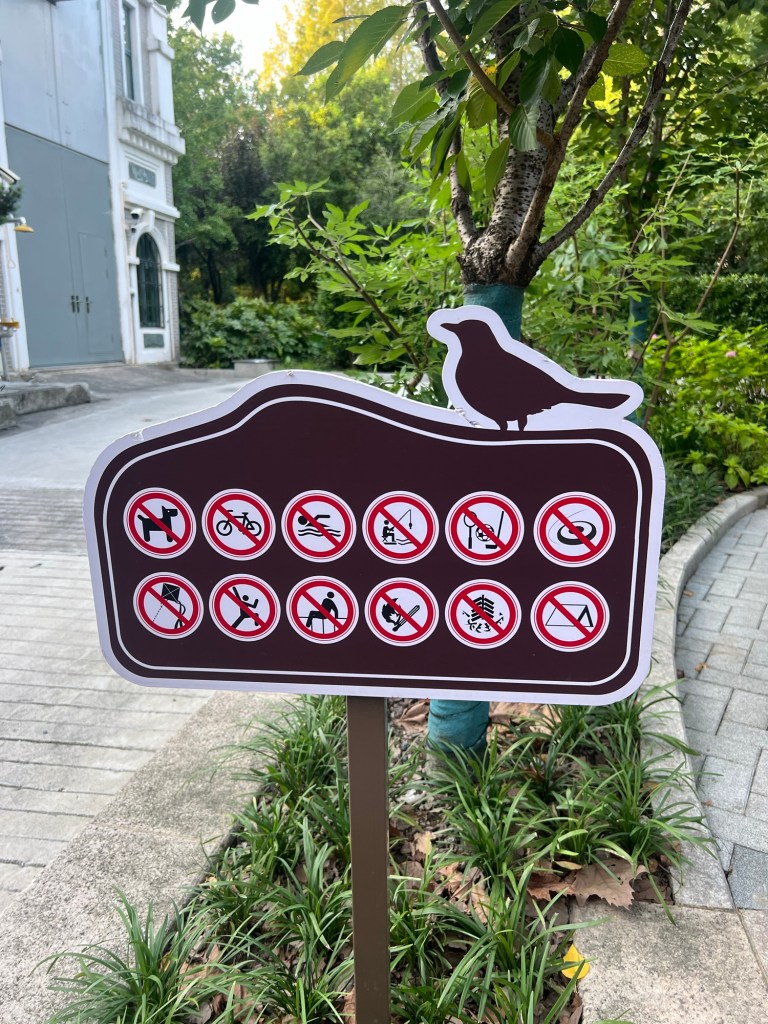
The park was a beacon of calm with young families playing and older people dancing and keeping fit.
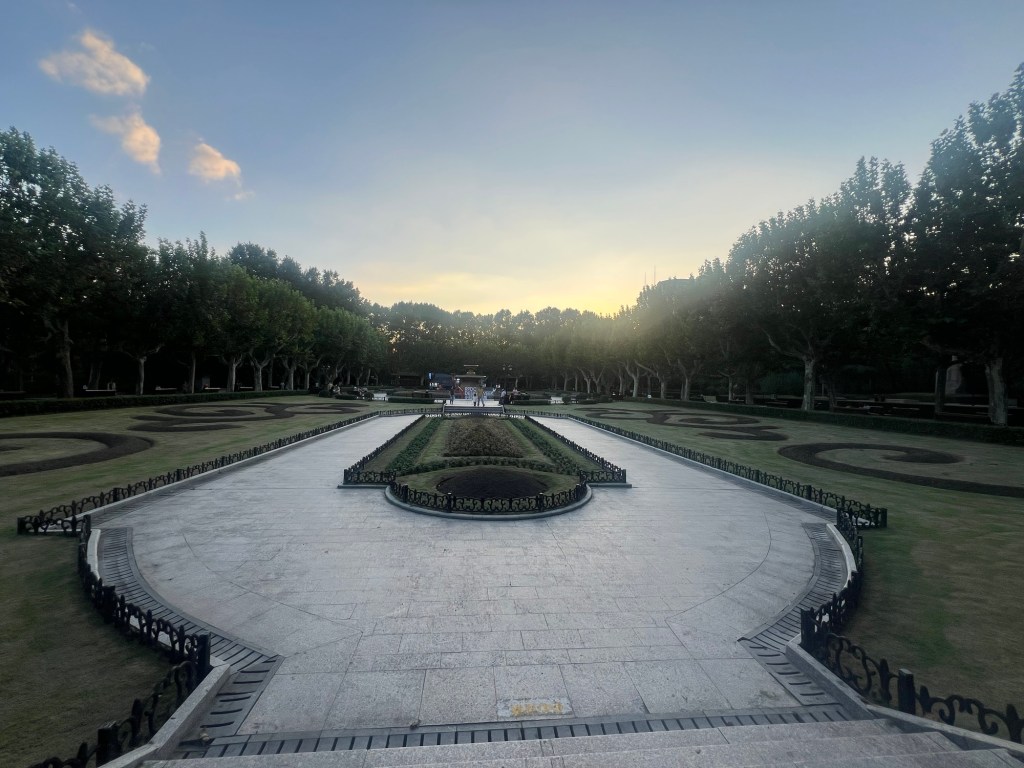
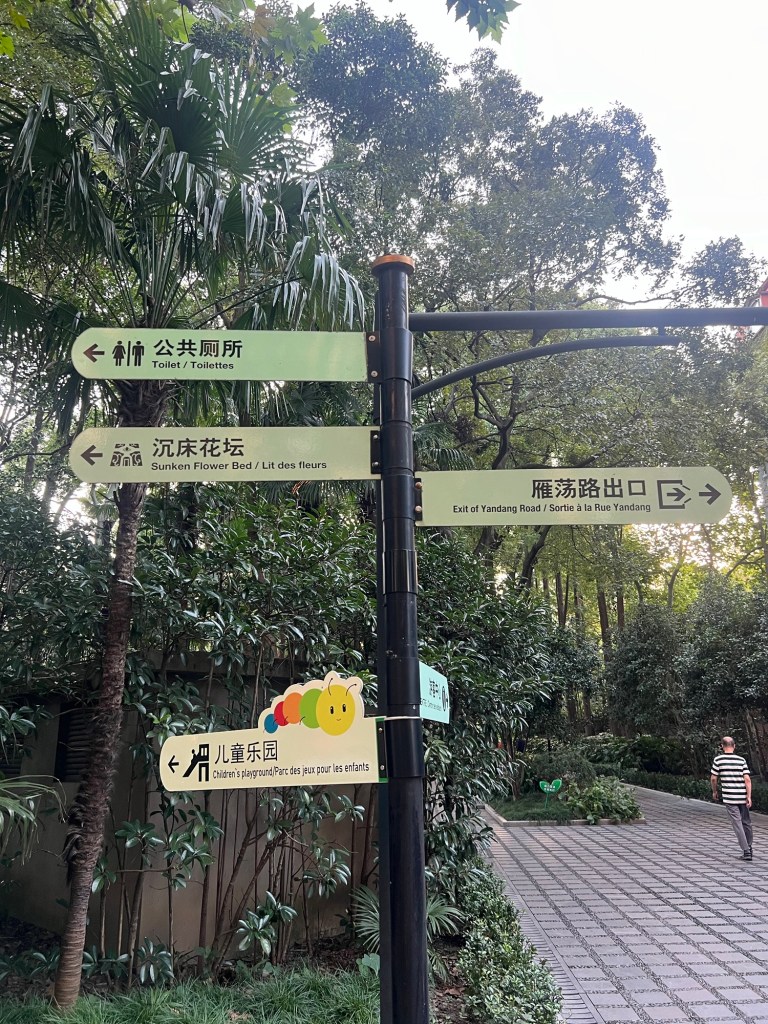
As we made our way back north we entered into the Xintiandi, a trendy pedestrianised area with upscale restaurants, cafes and boutiques. There is a real blend of modern and historical architecture and it had a welcoming feel.
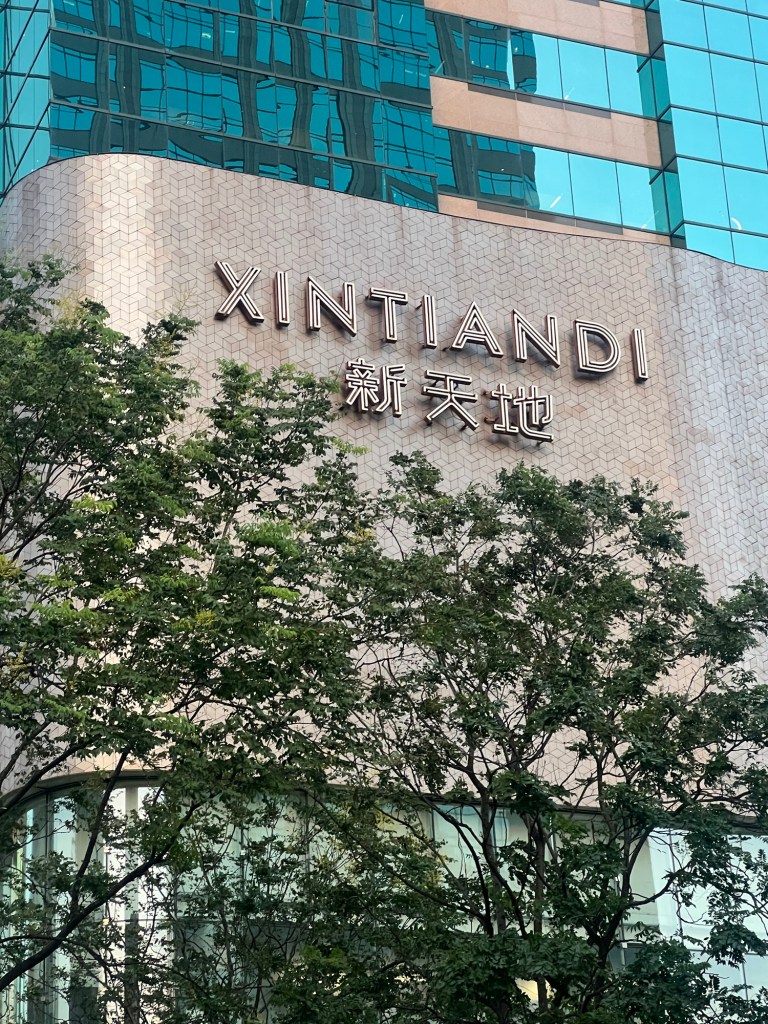
We headed into one of the newly opened shopping malls where the stores were all high end and aimed at the fashionable and wealthy young.
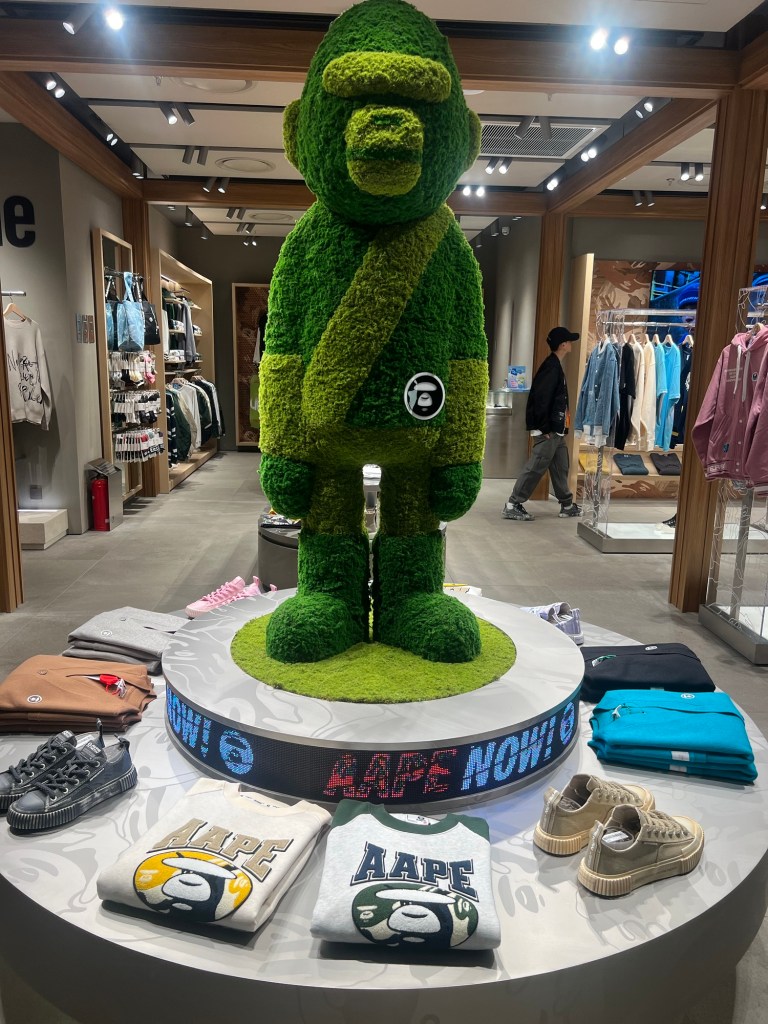
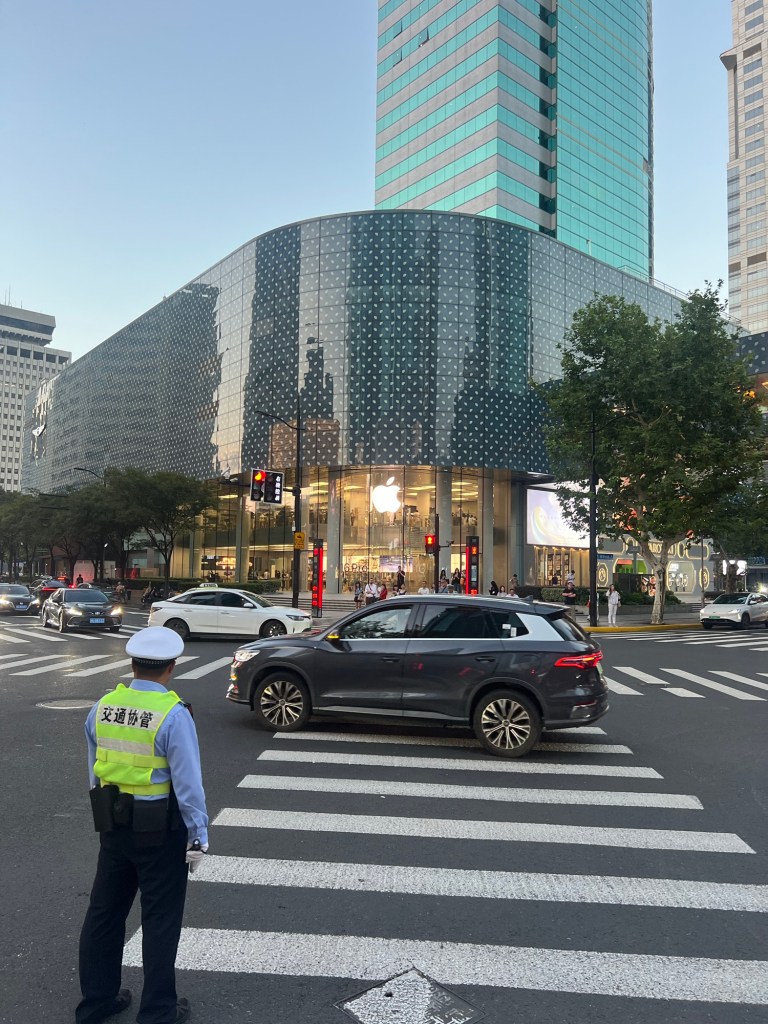
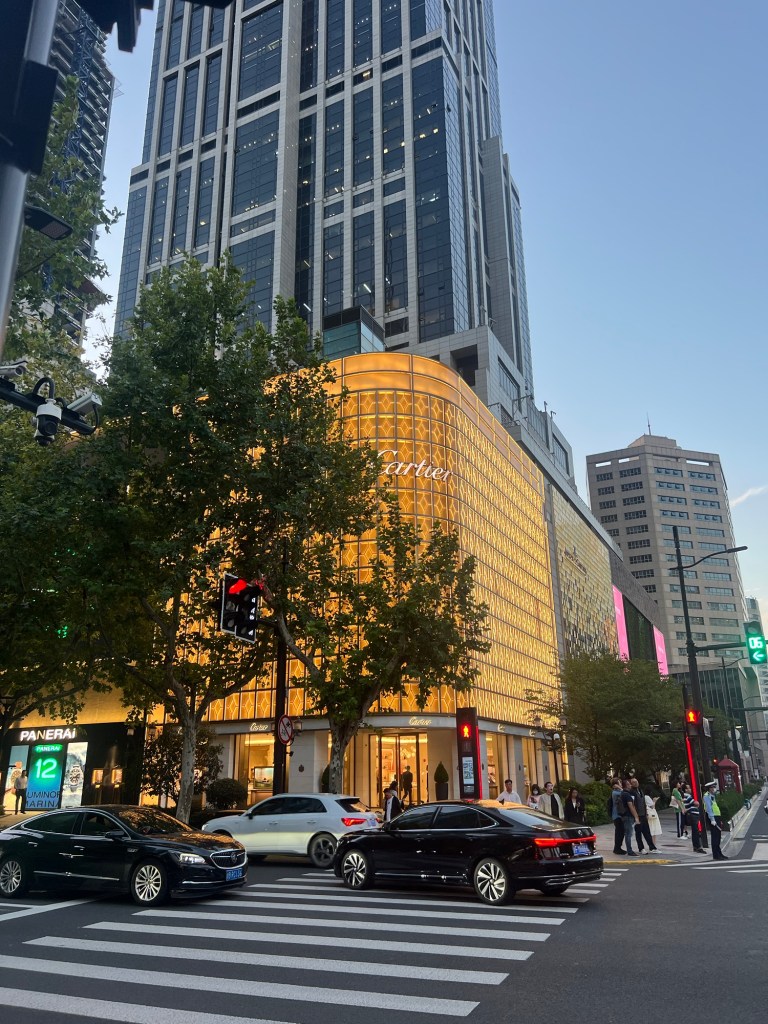
On every block there were flagship stores for companies including Hermes, Cartier, Yves San Laurent and Chanel. This is a wealthy city that loves its brands and likes to flaunt its success.
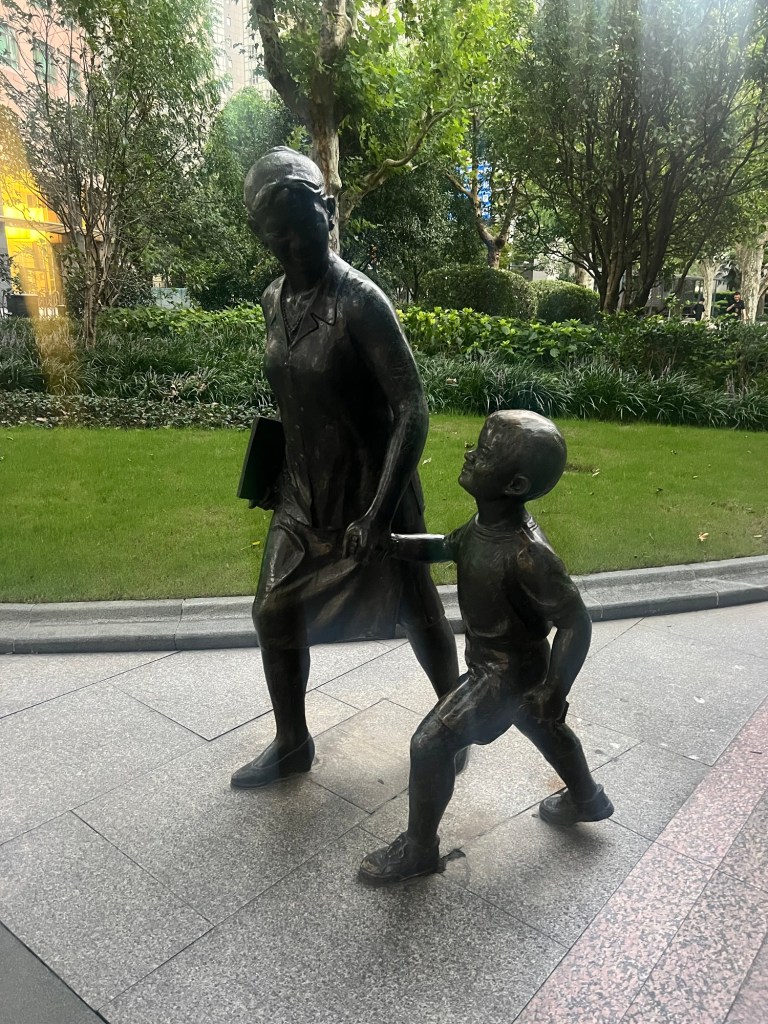
At the other end of the spectrum there are still images from the communist days of the 1980/1990’s noticeably the one child policy, with statues showing a mother and one child. It’s more subtle, but there are dozens of these images across the streets of the downtown area.
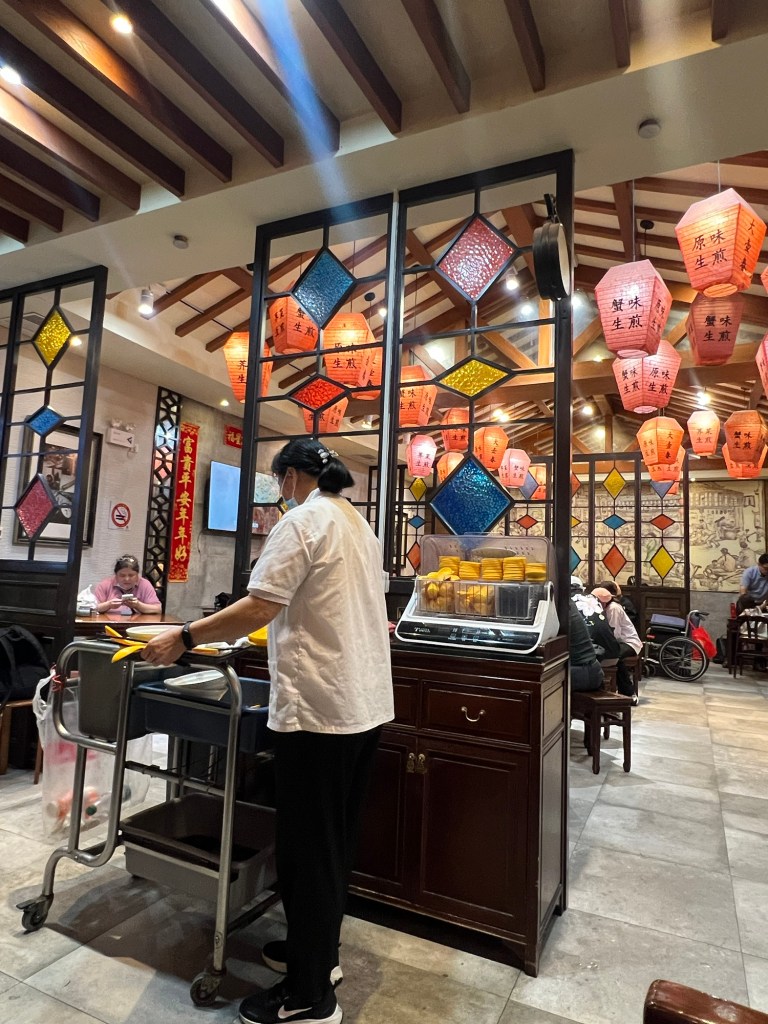
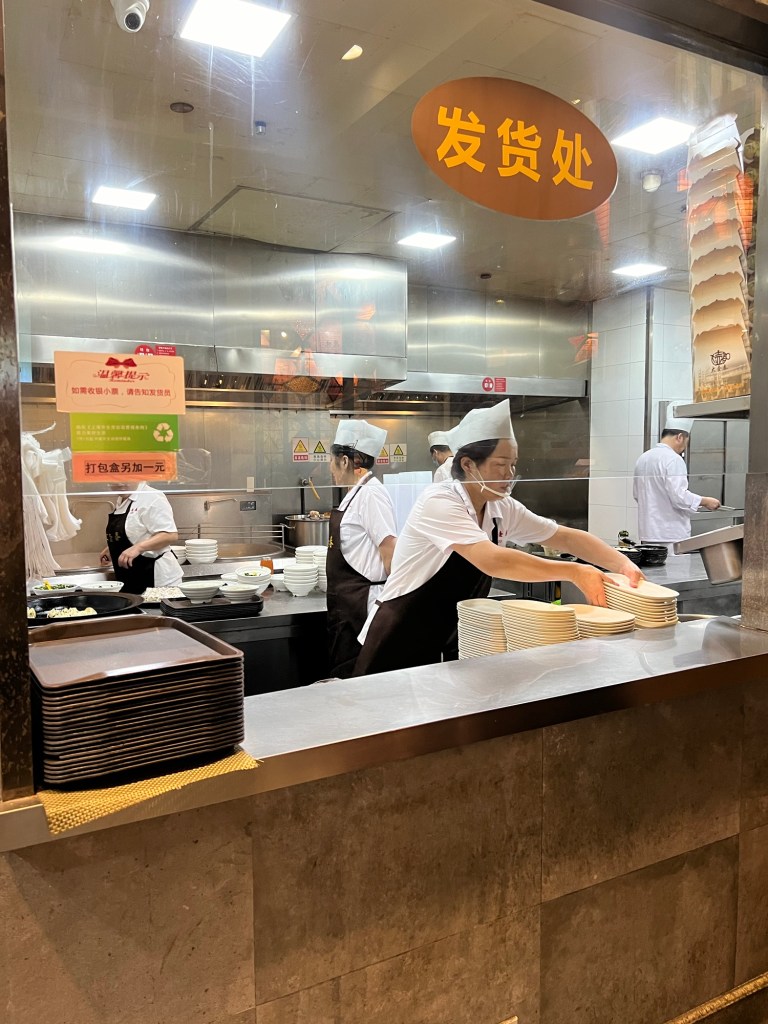
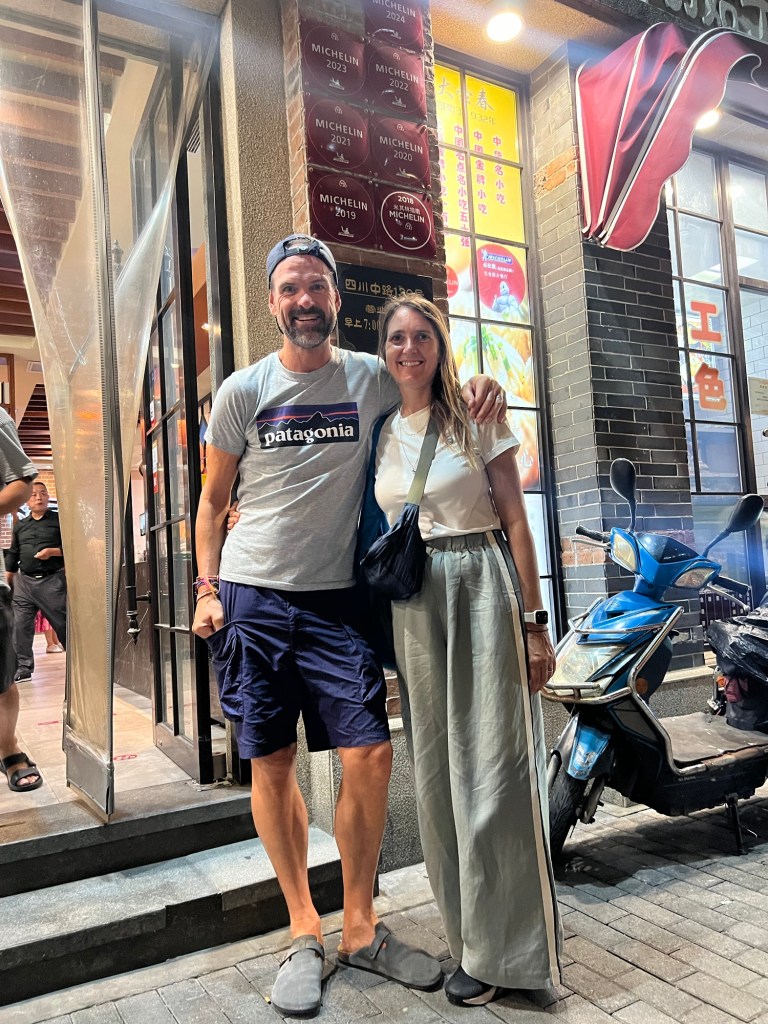
As we neared our hotel we decided to try a local restaurant with its own Michelin star, called Dahuchun. The menu is simple and keeps to local dishes including pan-fried bun stuffed with pork, Chinese steamed buns, Pot stickers and Spring Rolls. So very good and again very reasonably priced.
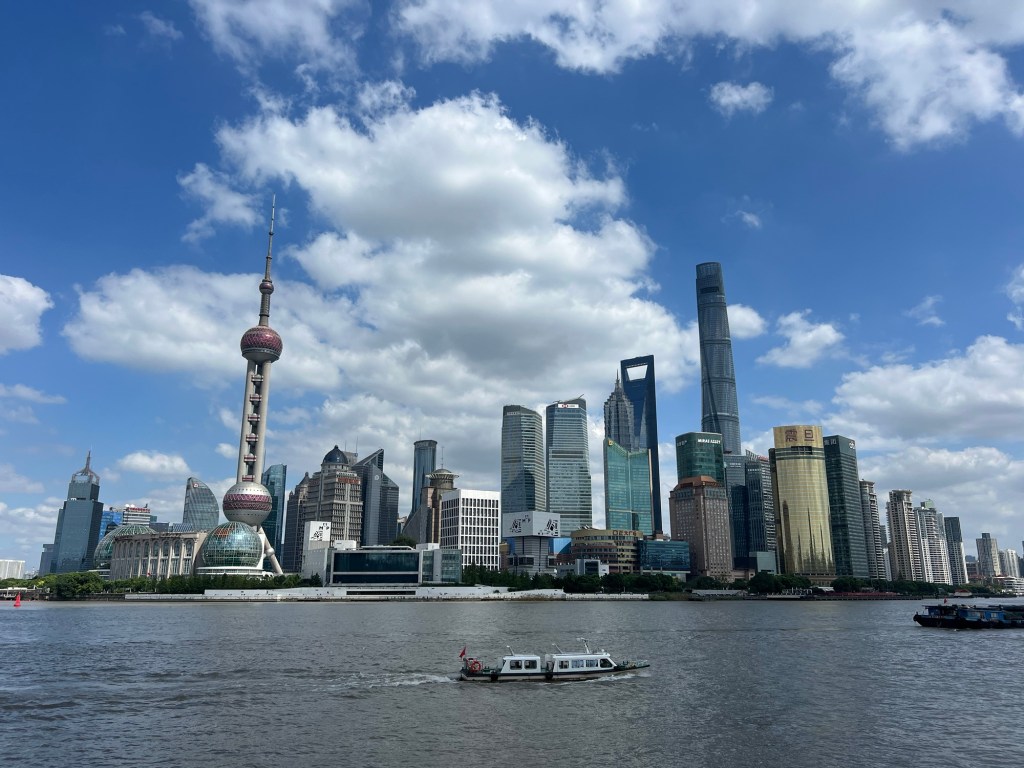
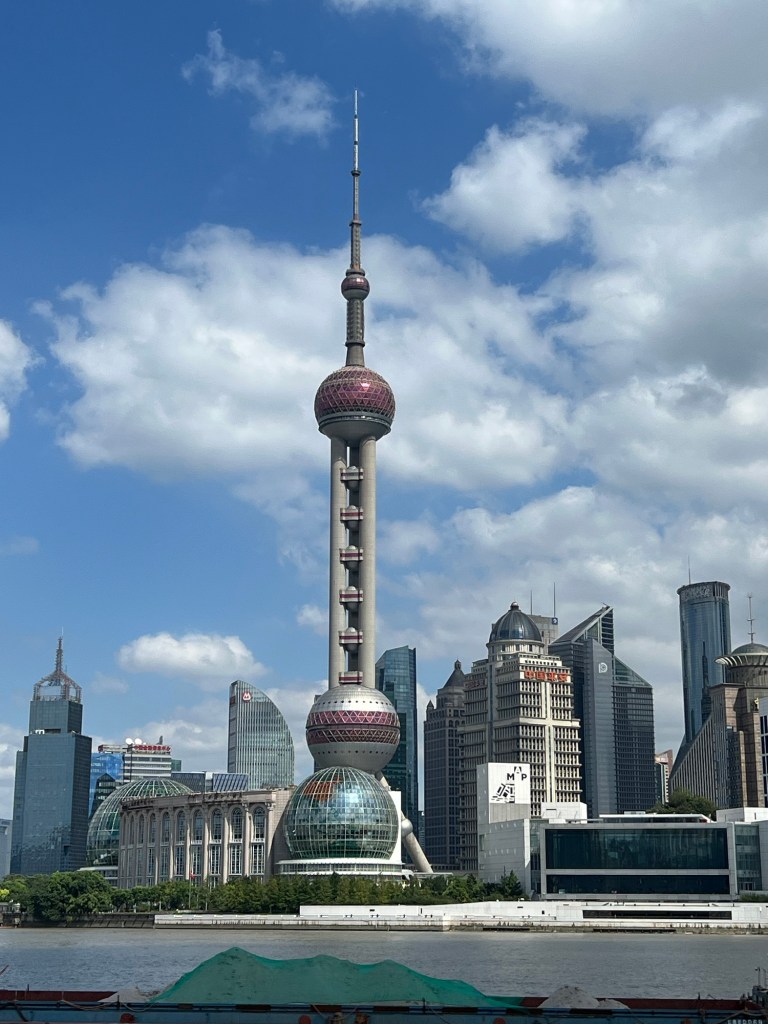
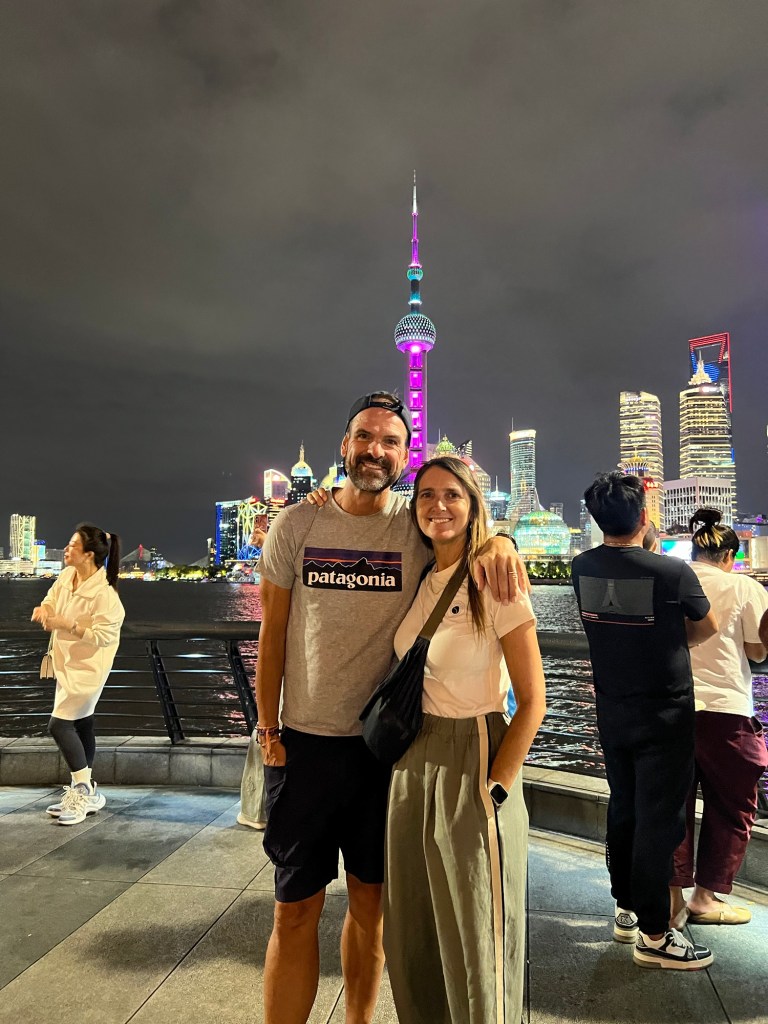
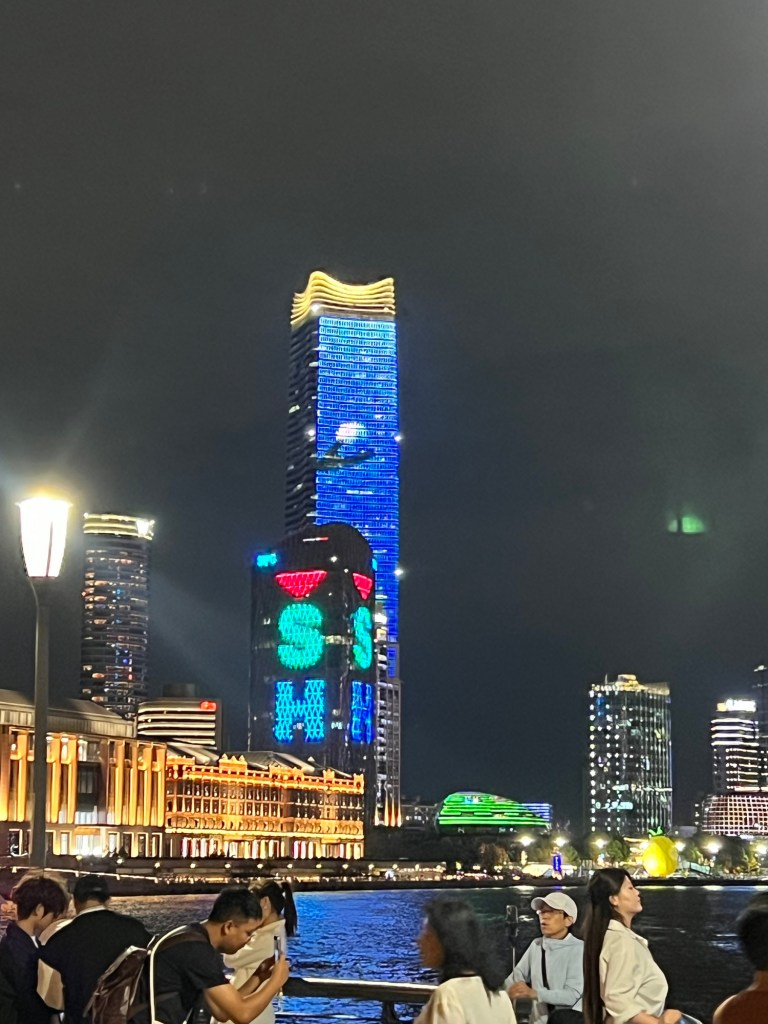
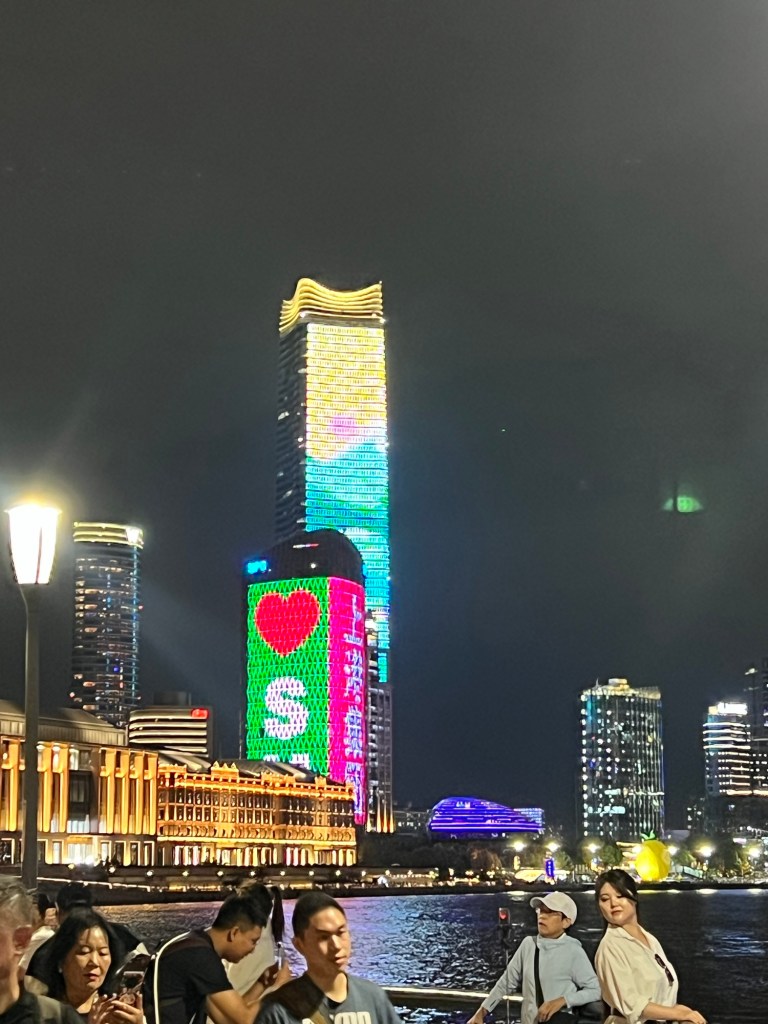
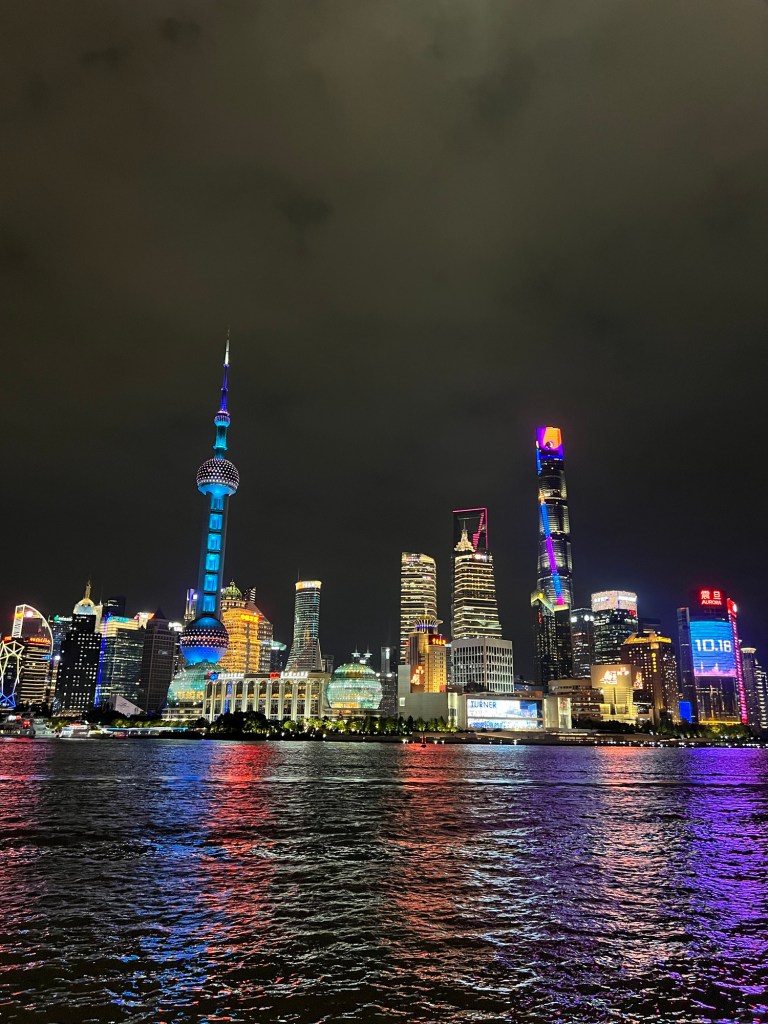
As it went dark we headed back to the Bund for the light display from the buildings within the financial district in Lujiazui, Pudong.
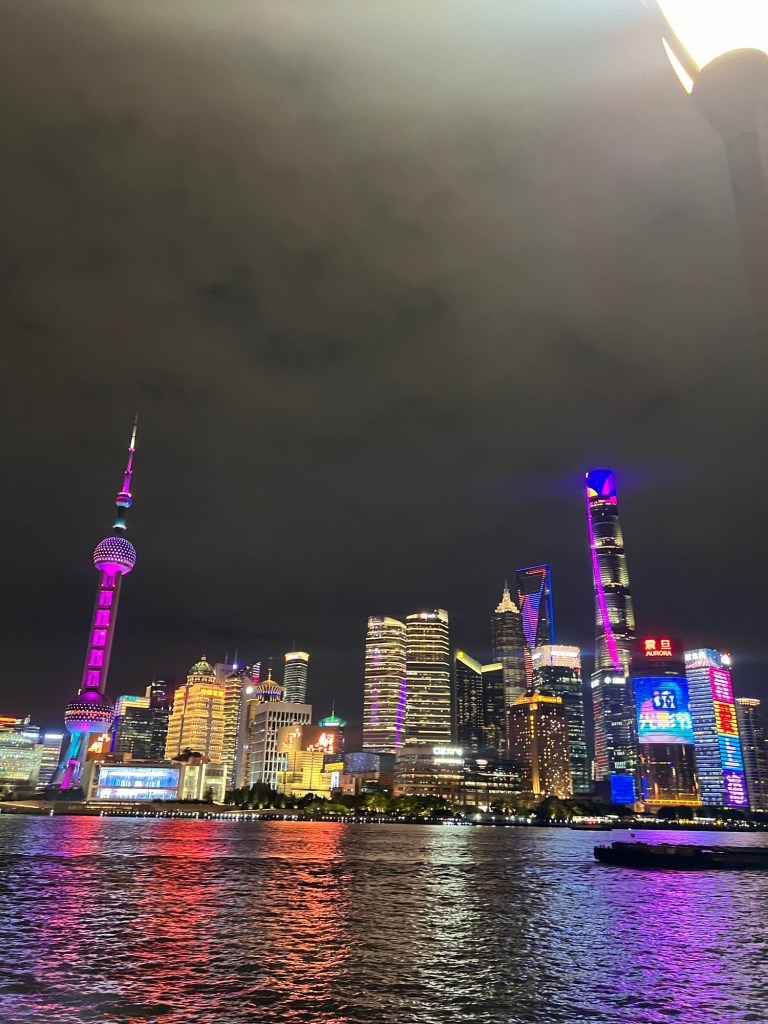
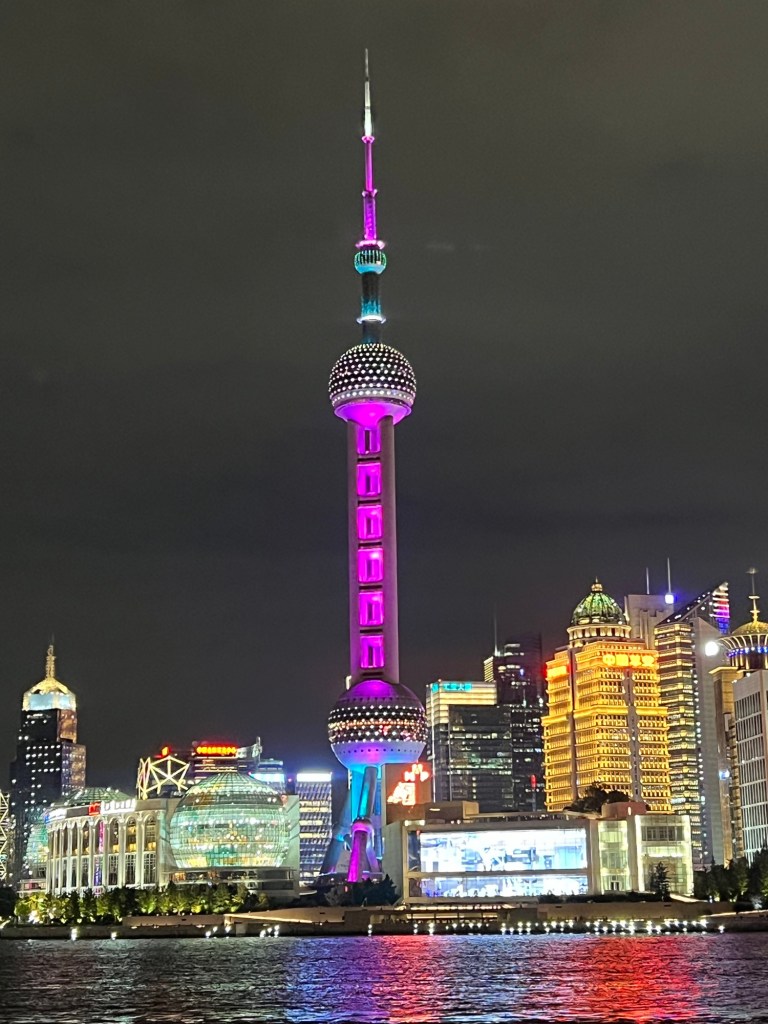
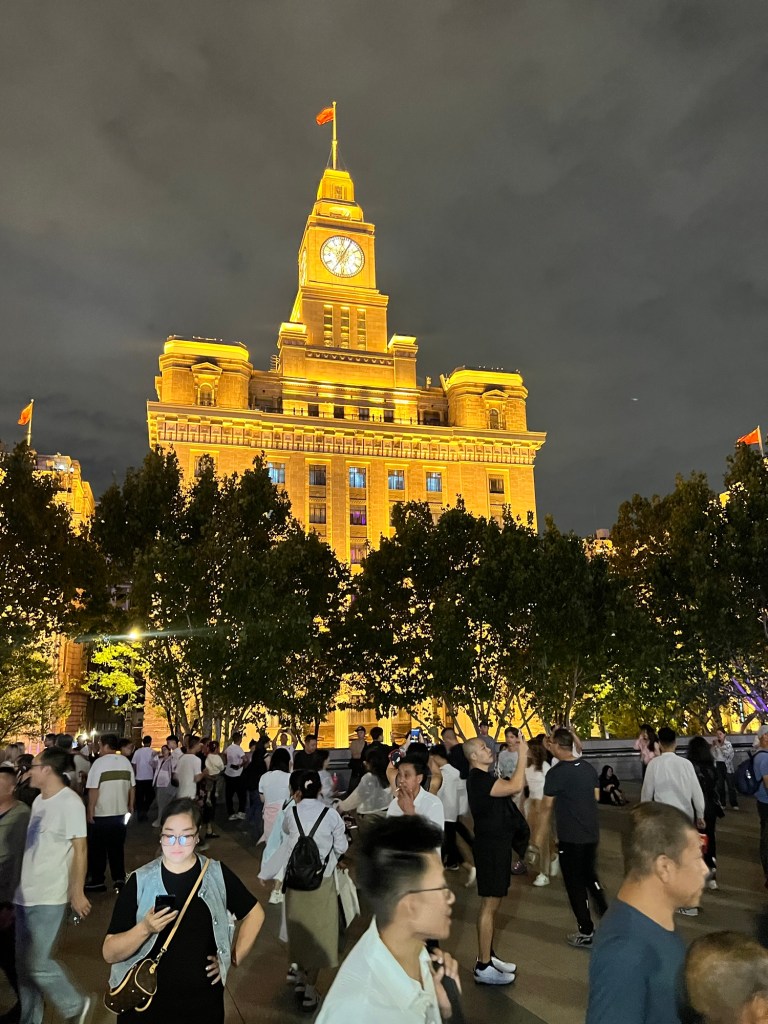
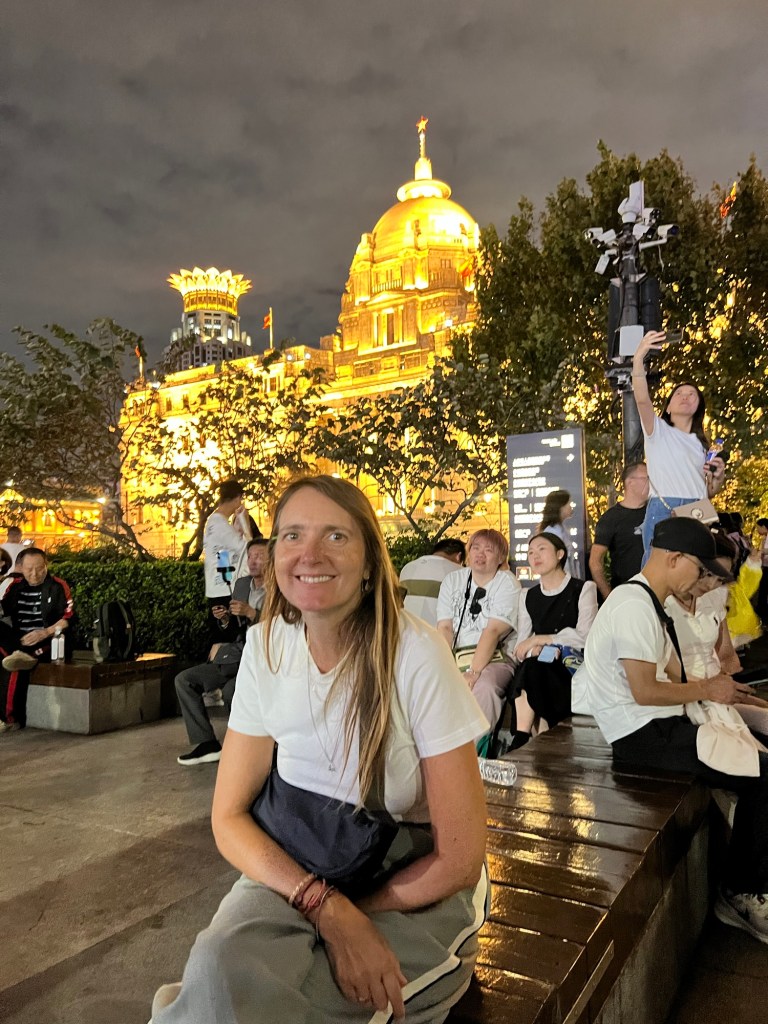
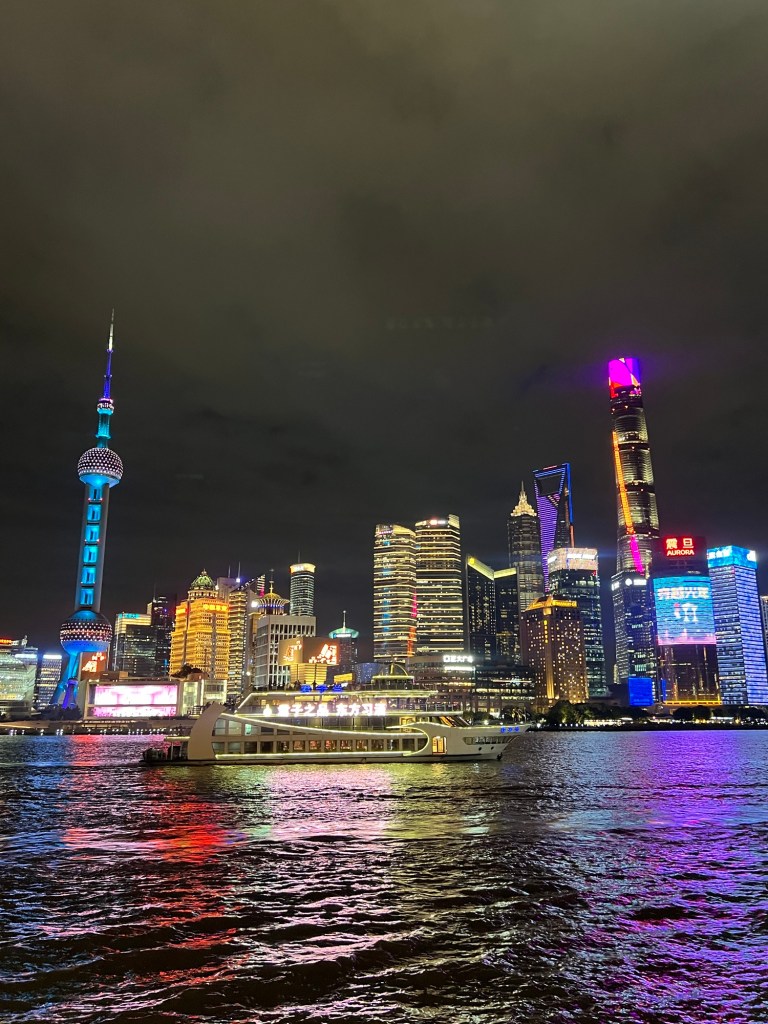
This view in our opinion surpasses any other we have seen elsewhere in China, even Hong Kong. It’s stunning and so great to witness it with the locals watching from The Bund walkway.
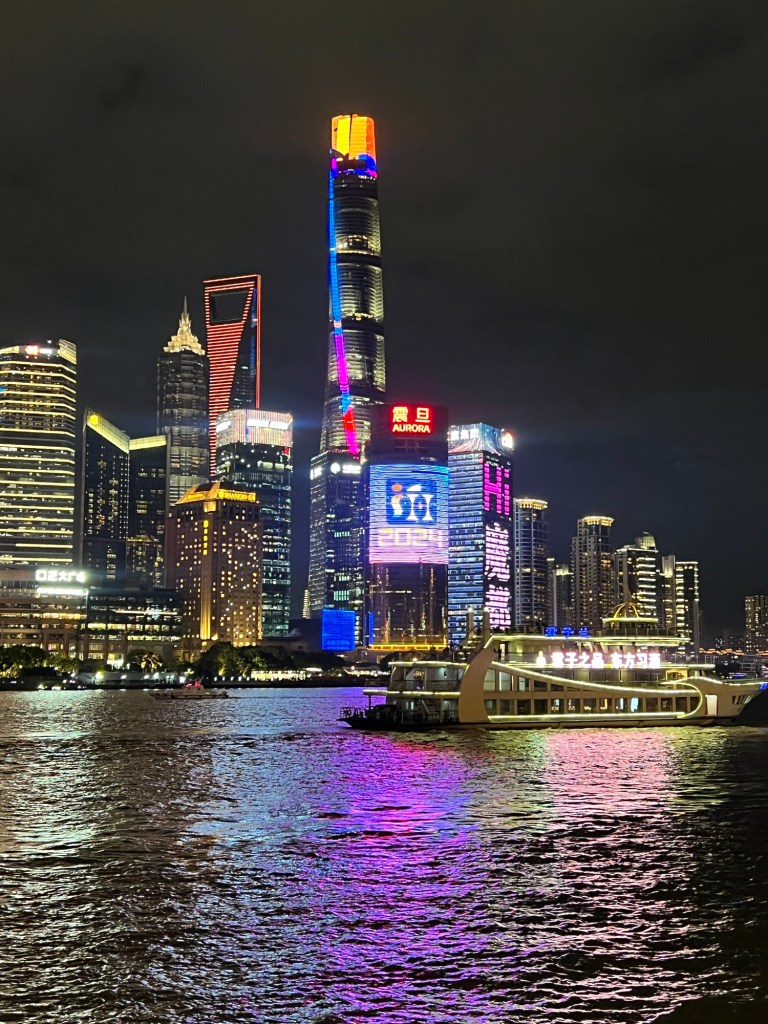
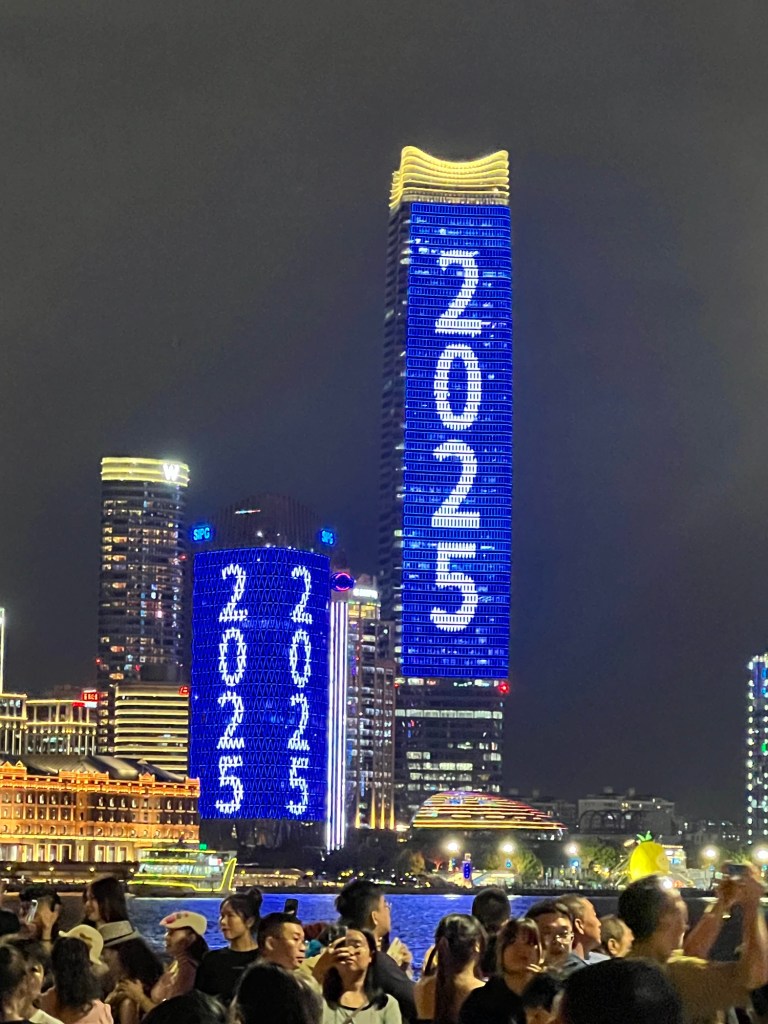
Leaving The Bund we walked down Nanjing Road which was over flowing with people. It felt like NYE, but is like this in Shanghai every night!
What a day, so pleased we got to see as much as we did. Tomorrow we head to Shanghai Museum, Jade Buddha Temple, we have a recommended river walk, a trip to Pudong Art Gallery and a visit to the famous IFC Mall and all the amazing stores and restaurants.
 @travellingwiththeateam