Back on the early starts, with a 5.30am alarm call in readiness for our tour meet up at Myeongdong Station for 6.20am and the start of the DMZ day trip.
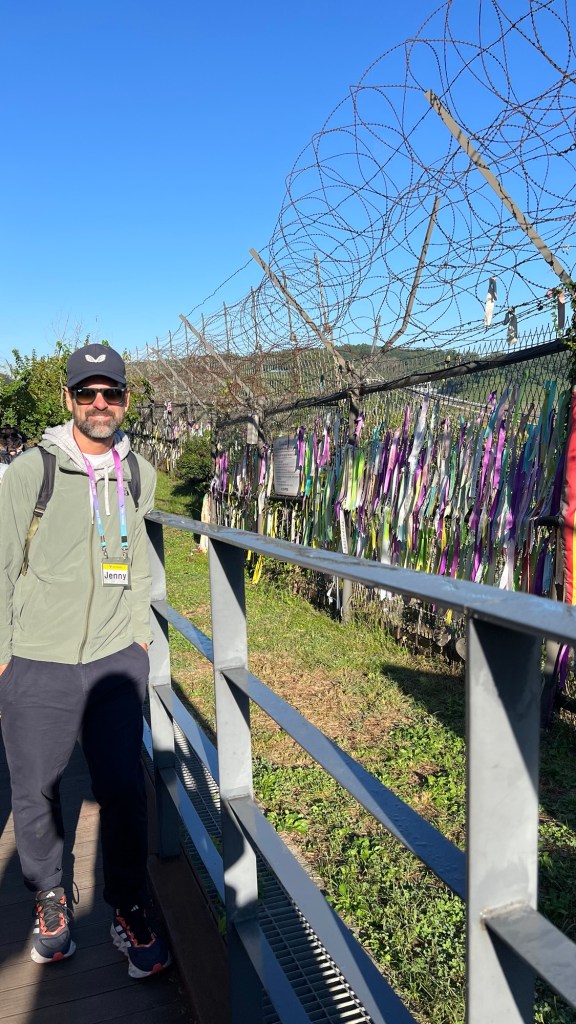
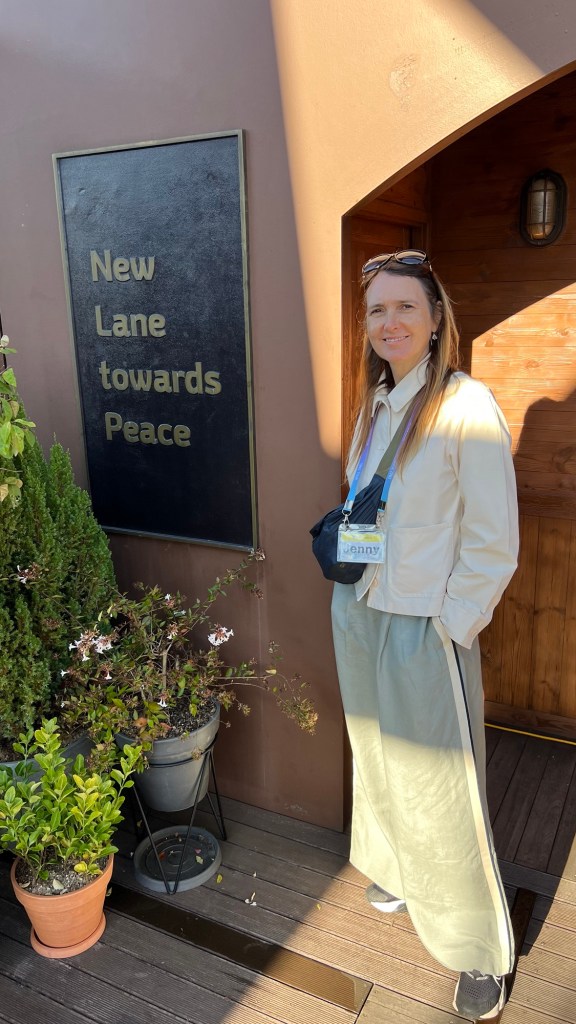
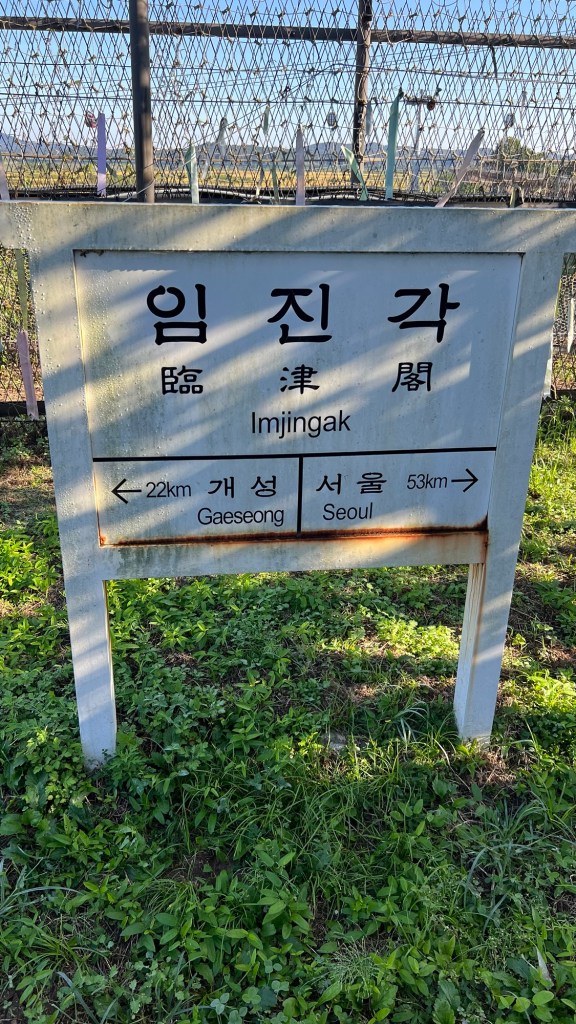
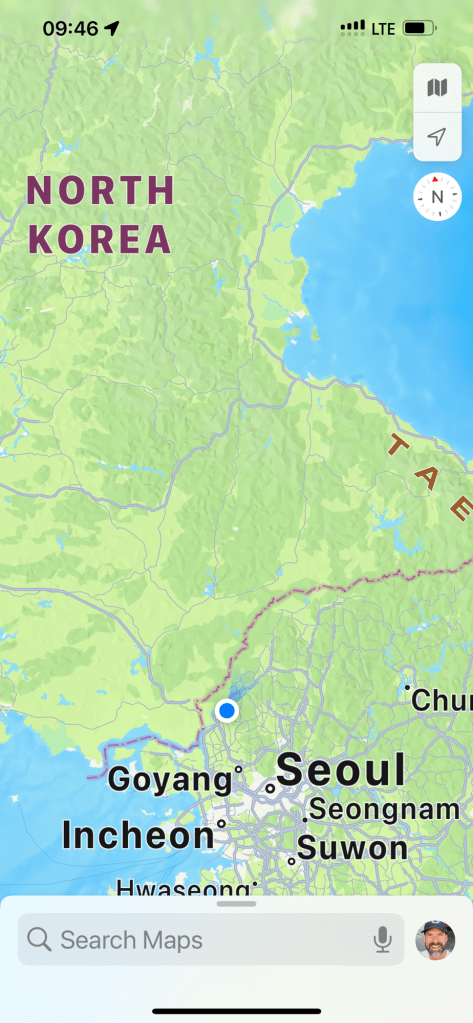
After a 1hr drive north we arrived at our first stop Imjingak Pyeonghwa-Nuri Park and The Bridge of Freedom. Here for the first time we were able to see across into the Demilitarised Military Zone which is surrounded by high barbed wire fencing and a mass of land mine’s dropped by the Americans post the ceasefire of the Korean War in 1953.
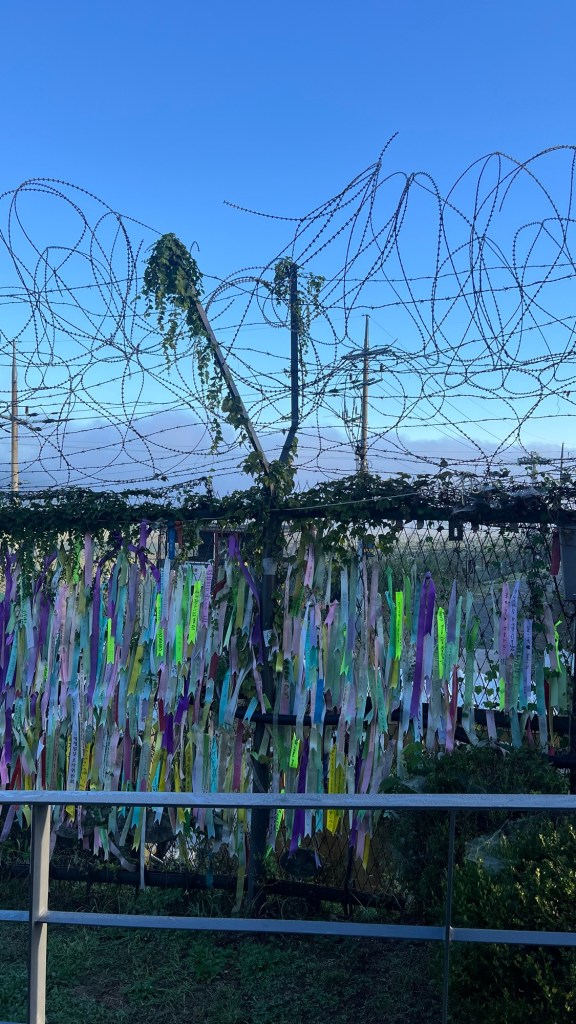
This area witnessed a significant amount of fighting during the Korean War between the communist forces in the North, supported by the then USSR and the South who were assisted by the UN led by the Americans, English and another 15 countries.
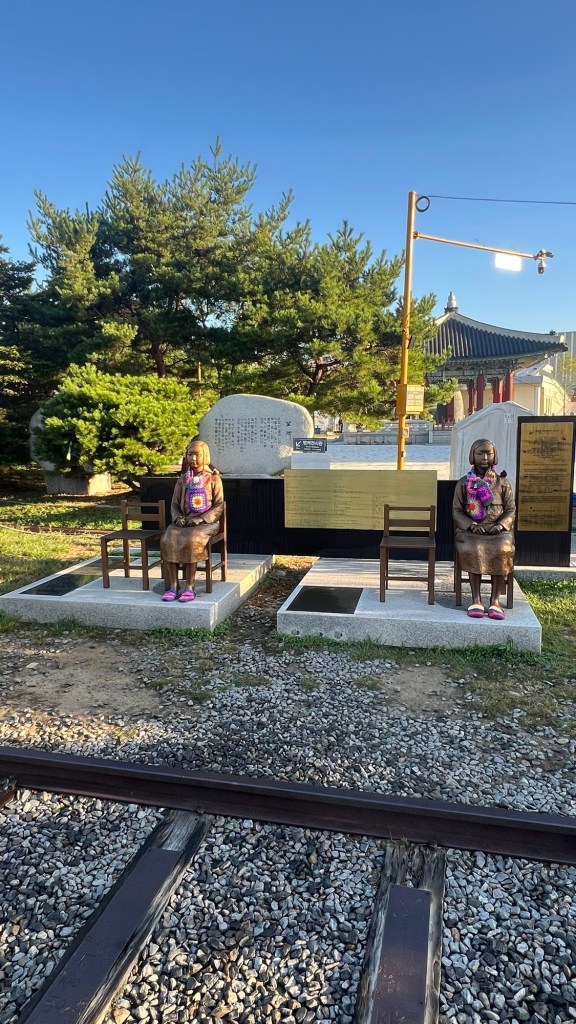
Prior to the Korean War, Korea was annexed by the Japanese who committed a number of atrocities, notably the prostitution of young Korean women, who are honoured by the statues below.
After the end of WWII, despite becoming independent of Japan, the invasion by the North in 1950 and the subsequent peace treaty in 1953 meant the country was divided into North and South, with no ability to cross from one part to the other.
There are a number of monuments and statues that commemorate those Korean people who lost their lives in the civil war and the assistance given to the South by America and the UN nations to help preserve South Korea as an independent nation. Strictly speaking the two countries still remain at war, with no peace treaty ever having been agreed, despite the fighting ending over 70yrs ago.
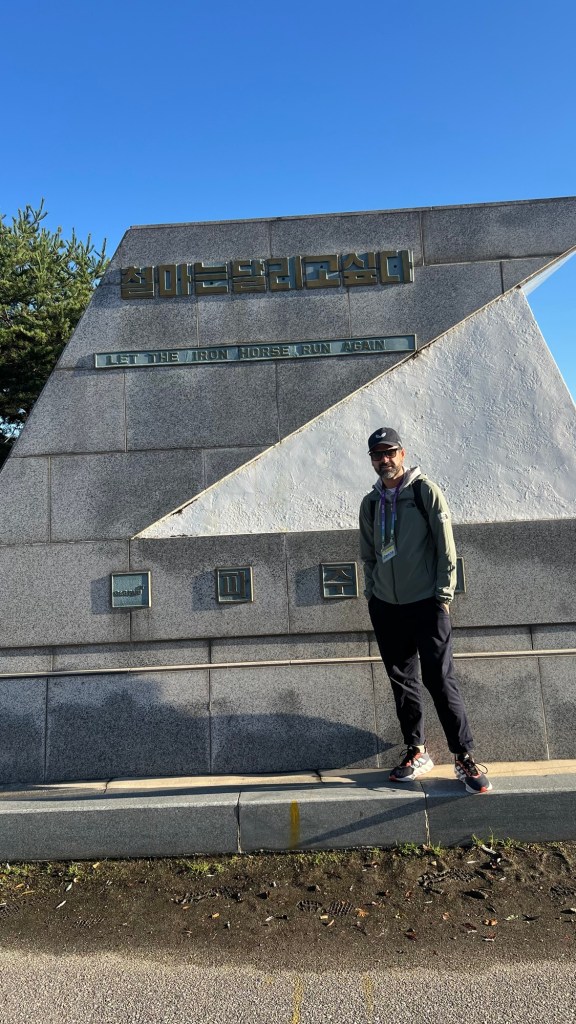

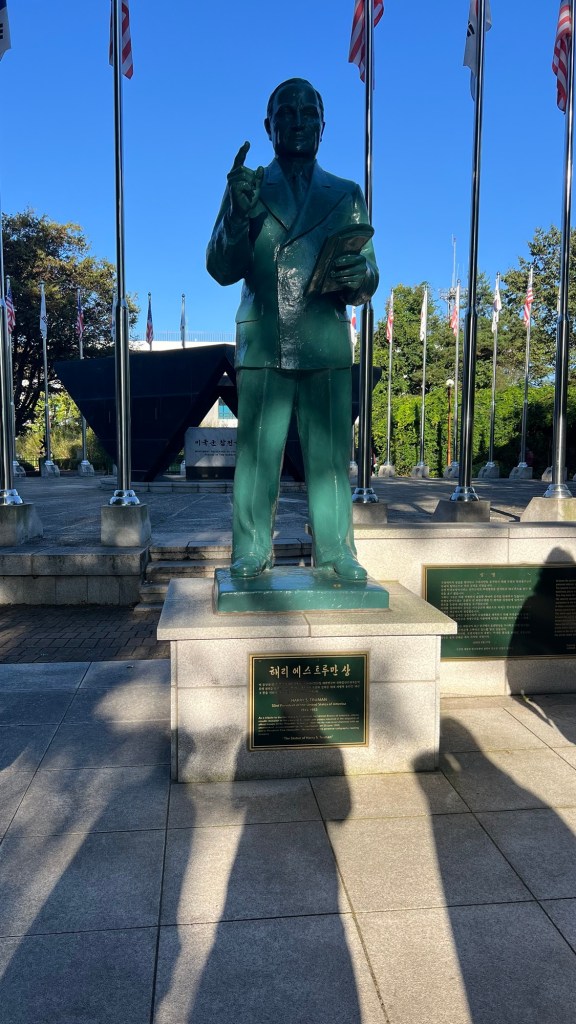
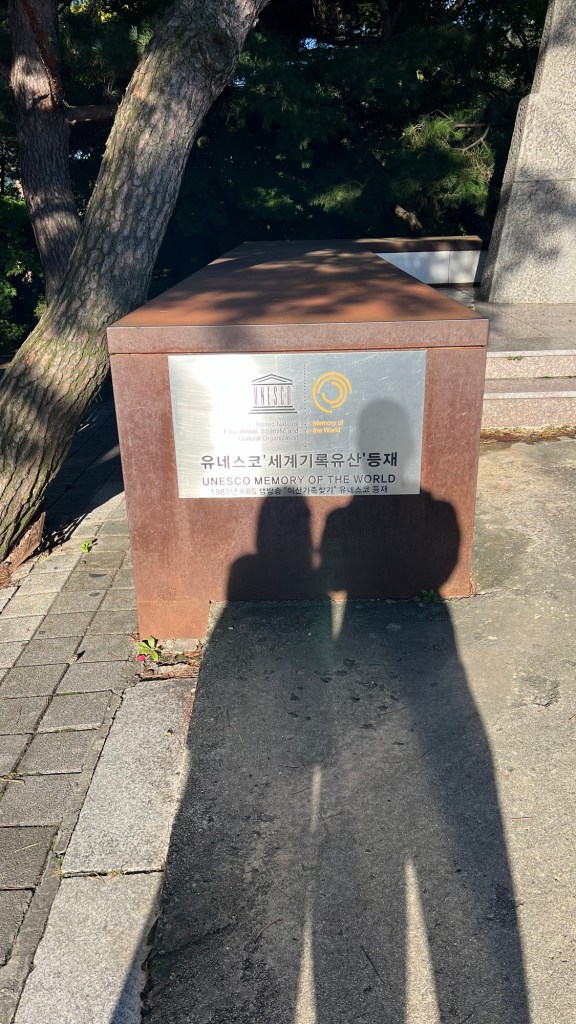
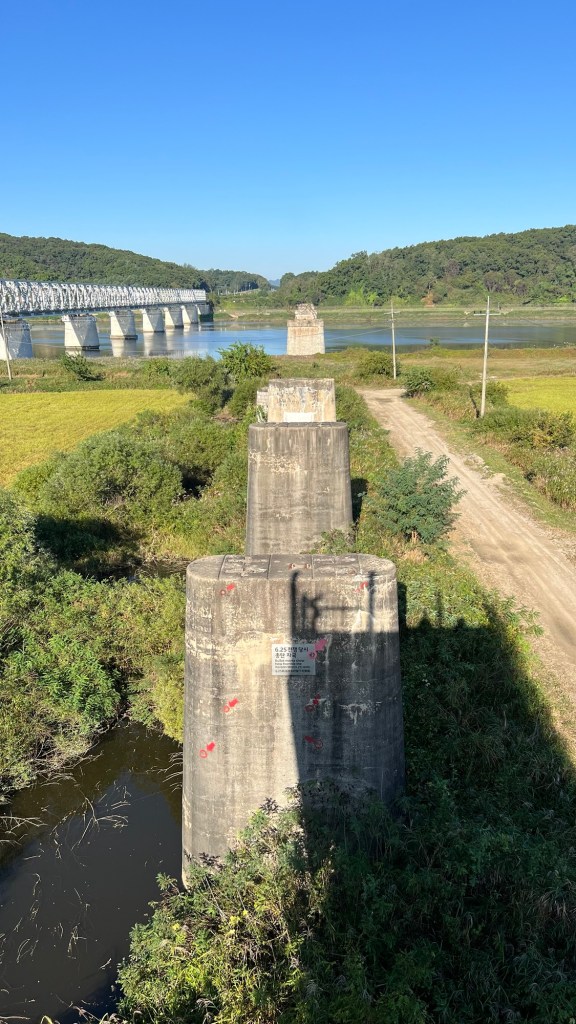
After the end of the hostilities with North Korea, the POW returning to South Korea final steps took them across the ‘Bridge of Freedom’.
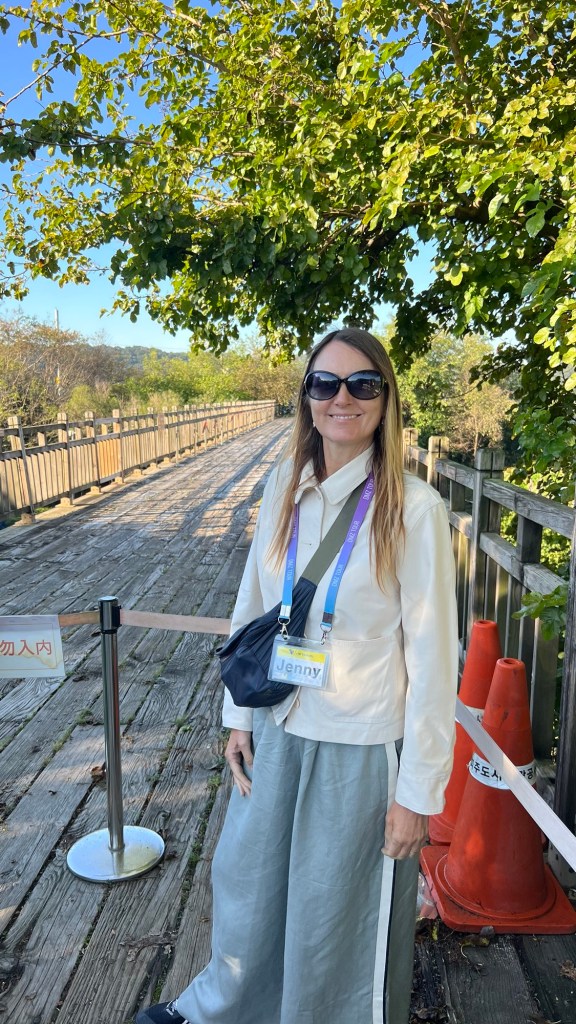
From the park we were able to walk out to viewing platforms to look out into the DMZ, a neutral area still within South Korea which borders the North. Here the former bridges linking to the lands have been closed or removed/destroyed.
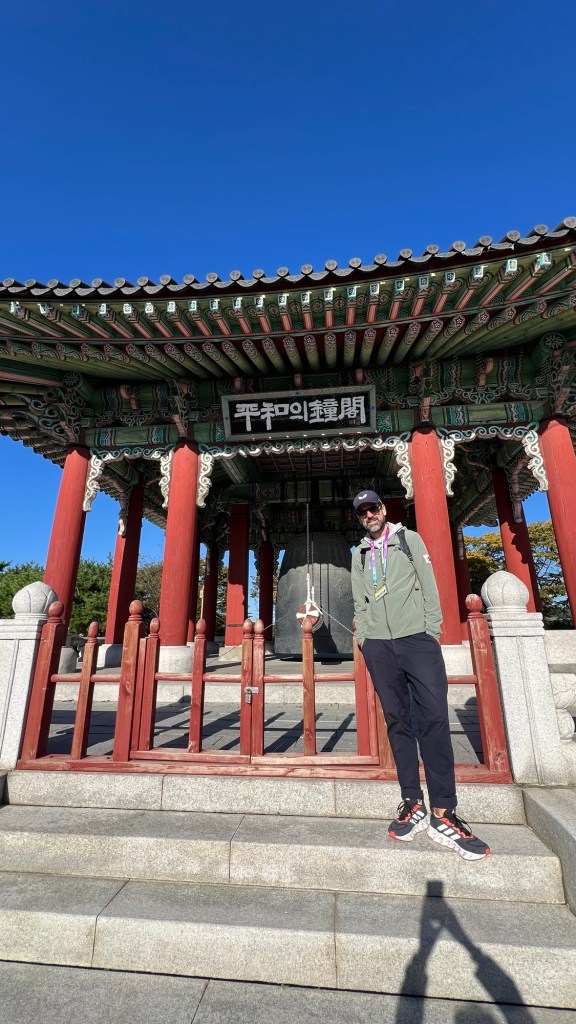
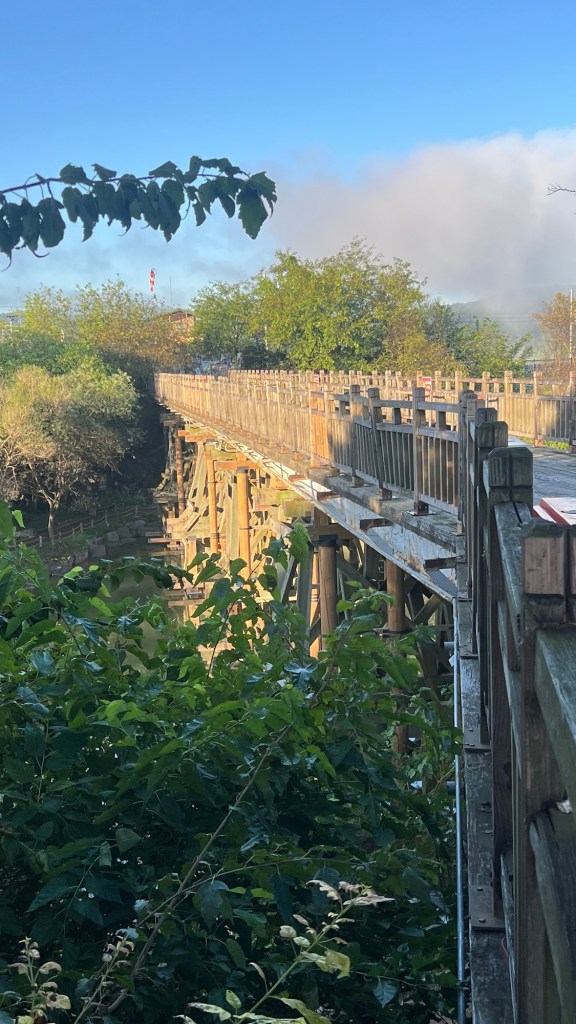
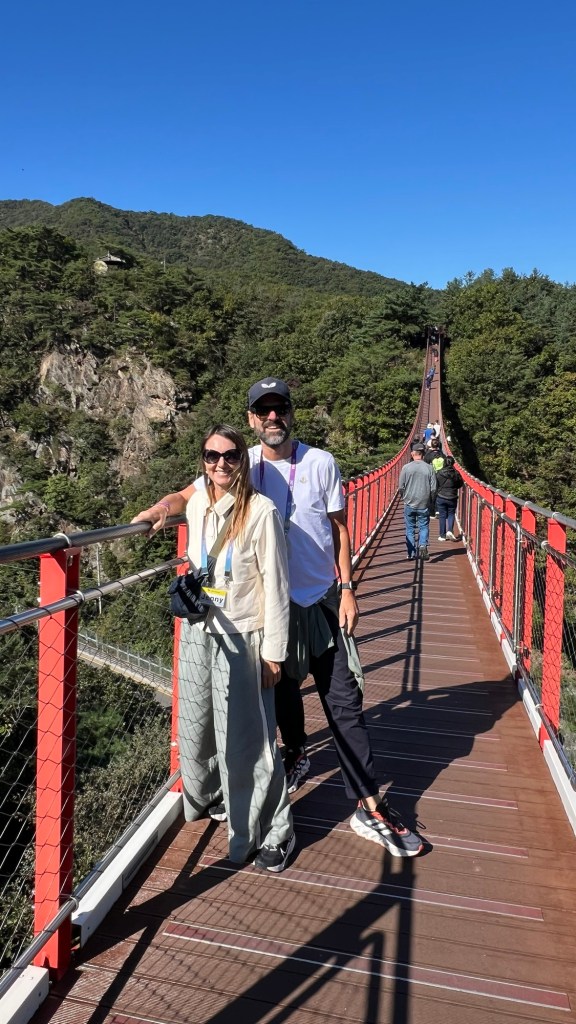
From there we moved to Red Suspension Bridge, built by the British Gloucester Battalion who lost 500 personnel during heavy fighting with the North Korean and Chinese armies during the hostilities in the Korean War.
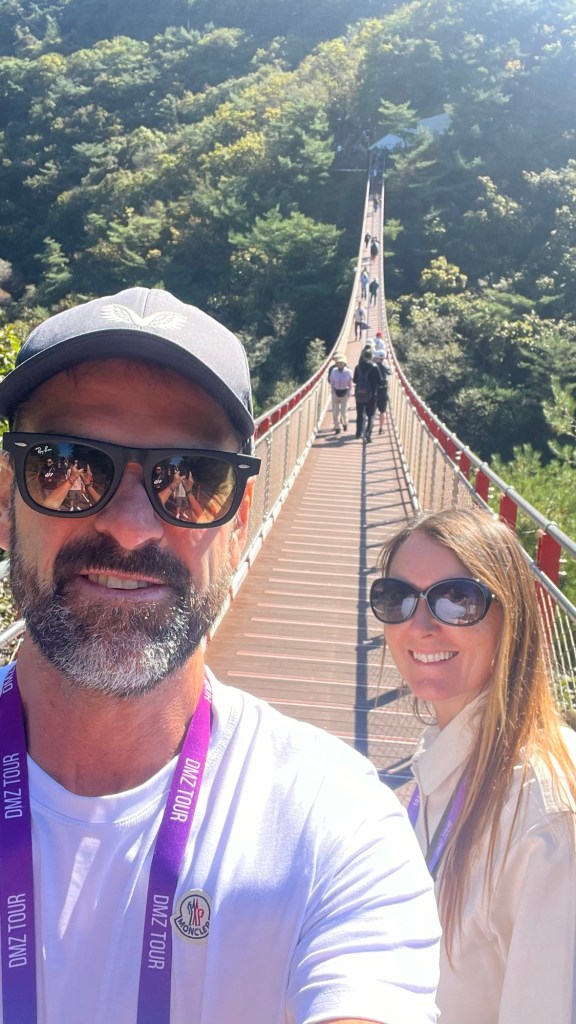
The sun made the bridge light up with a red glow as we walked from one side and back allowing us to take in the beautiful scenery.
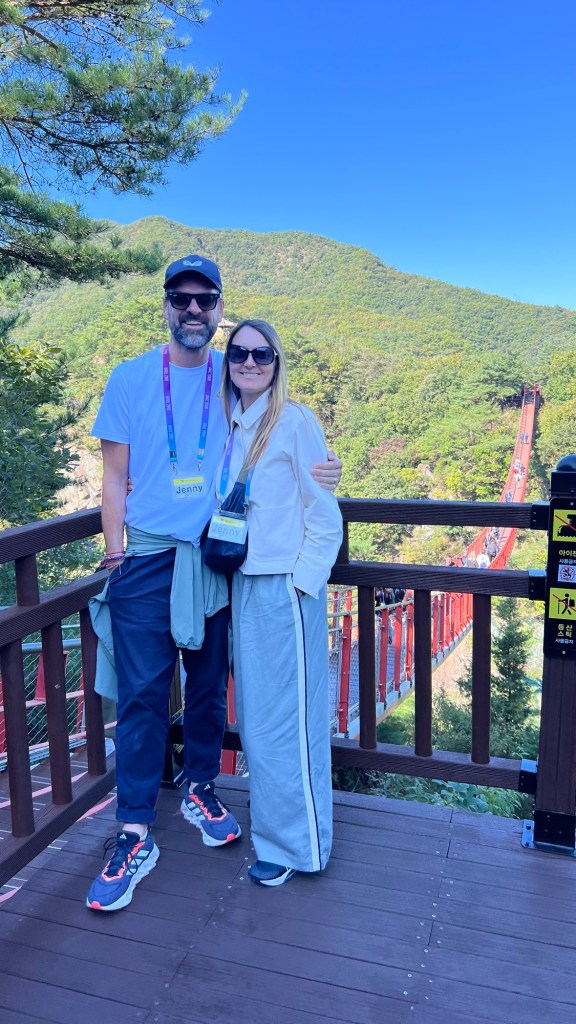
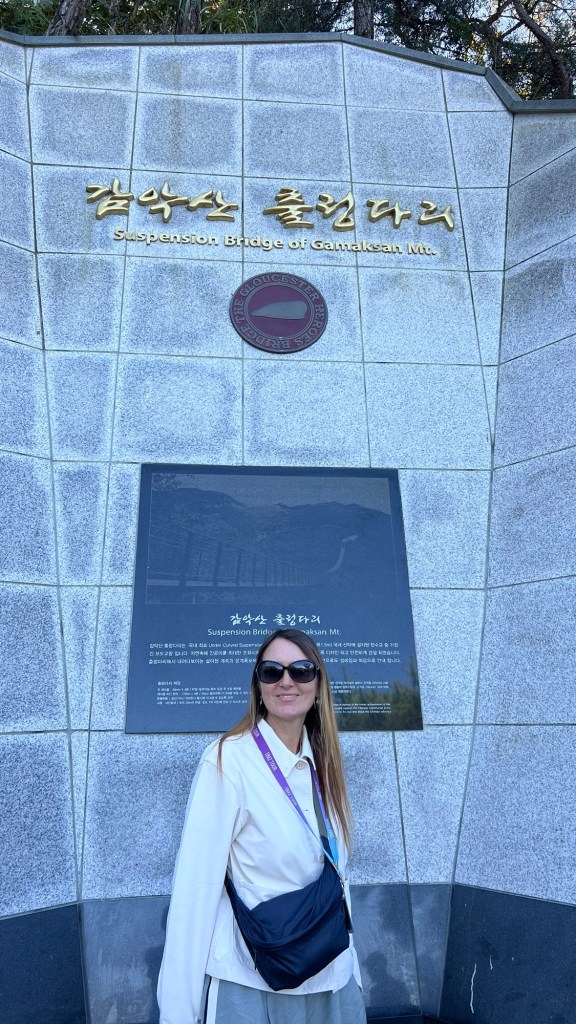

Crossing the bridge at it swayed side to side was an interesting experience, but made for some great views and photos.

After leaving the suspension bridge we returned by coach to the Dora Observatory where we were able to fully observe North Korea for the first time within the DMZ.
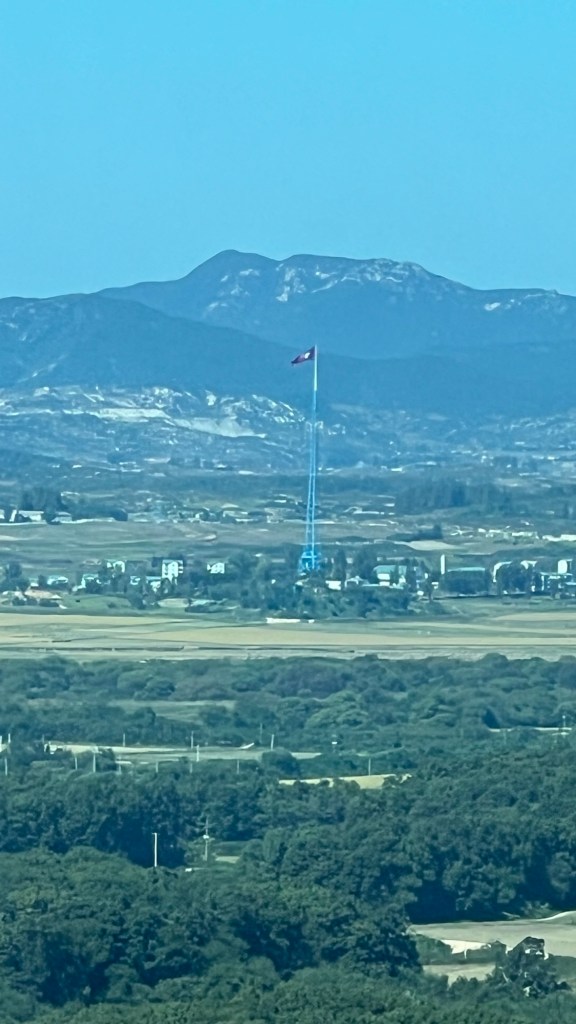
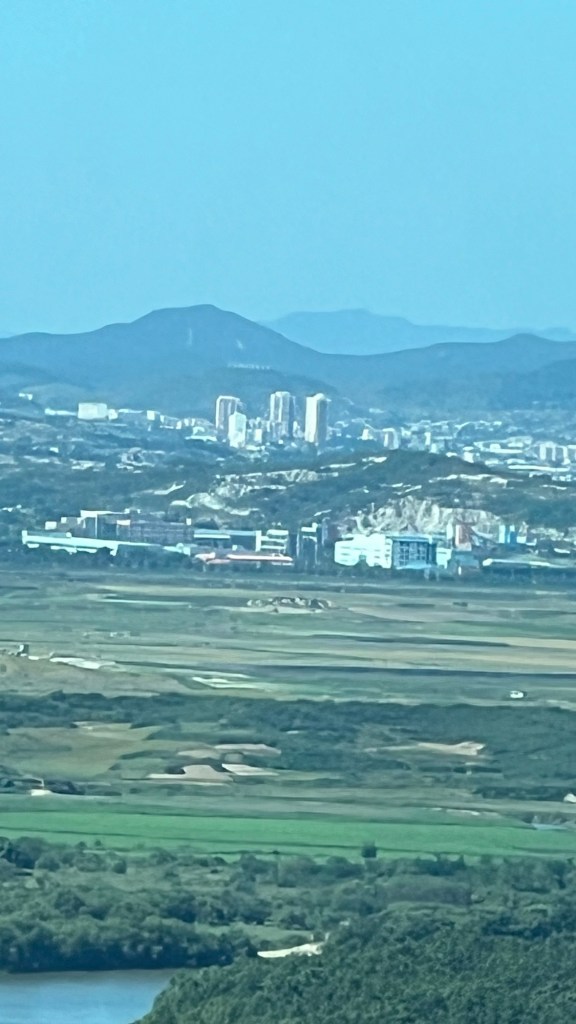
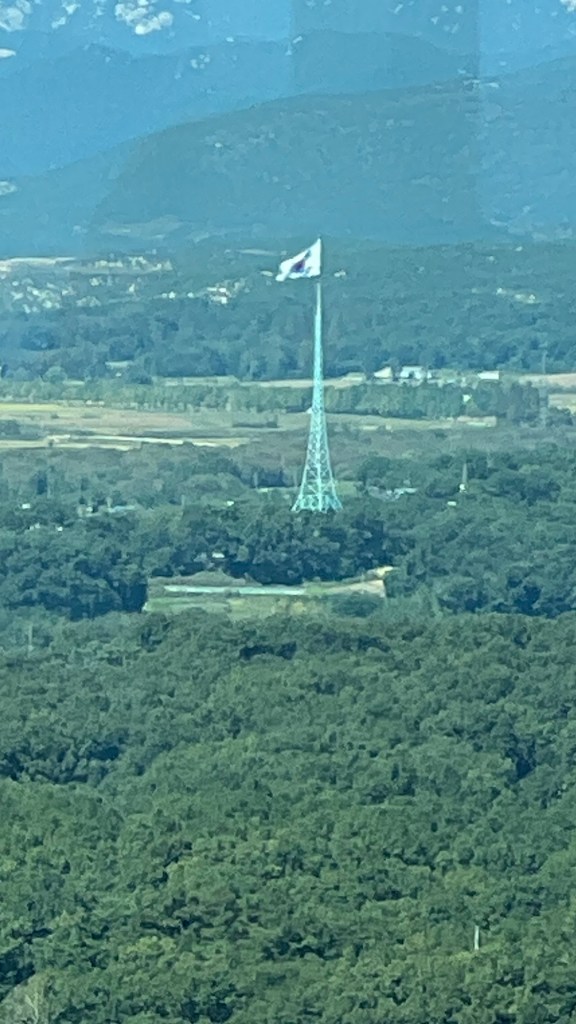
After visiting the observatory to look out over North Korea, our final trip involved visiting one of the tunnels discovered by South Korean, that were dug using explosives by the North Koreans.
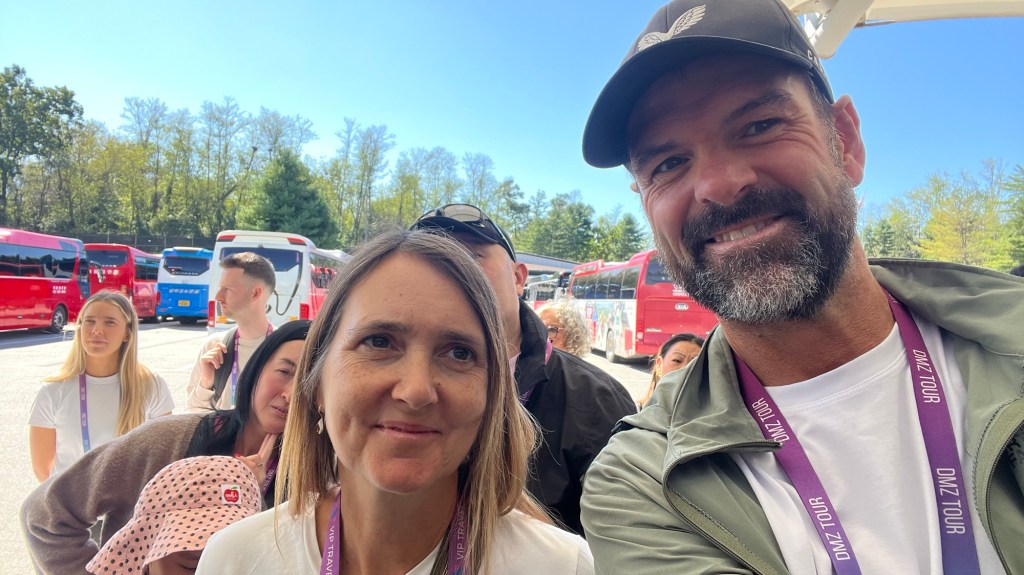
The tunnel in question was discovered in 1978 and is located 70m below the surface and stretches over the 1.6km from the north into South Korea. This is one of four tunnels discovered, although it’s thought there are up to ten in existence, dug to assist with a planned invasion by the Northern Korean Army. Fortunately no such attack has occurred and the last tunnelling was thought to date back to the late 1970’s.
The South Korean government have quite cleverly turned the discovery of the tunnels into a tourist attraction, having closed them off and created an access down for visitors to see and experience the conditions in the tunnel. Andy walked down with a number of our tour group and said that the height of the tunnel was only 1.4m, meaning you had to bend down throughout to walk along the 300m section open to the paying public.
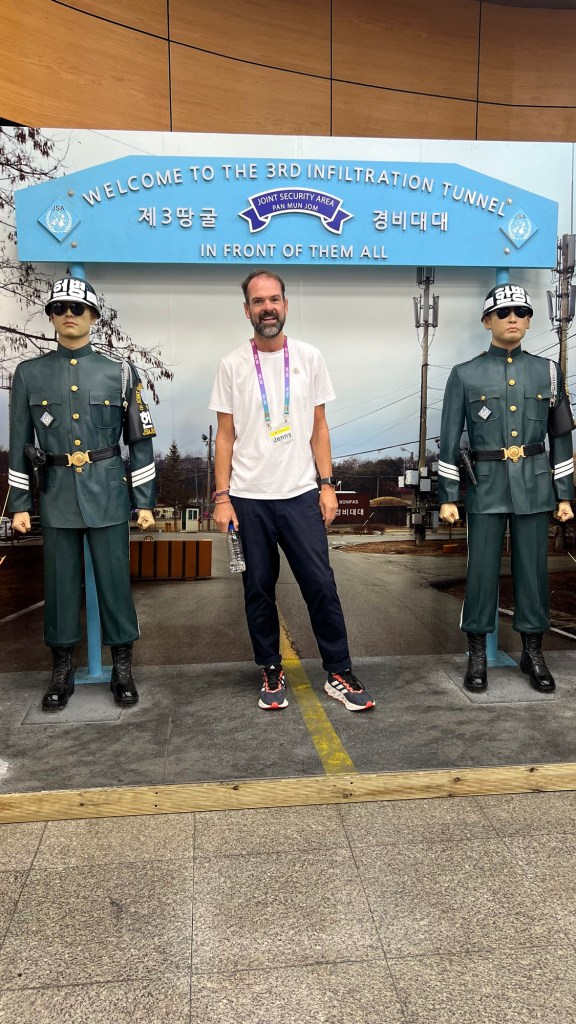
Once out of the tunnel we were able to get some photos of ‘mock’ crossings between North and South Korea.
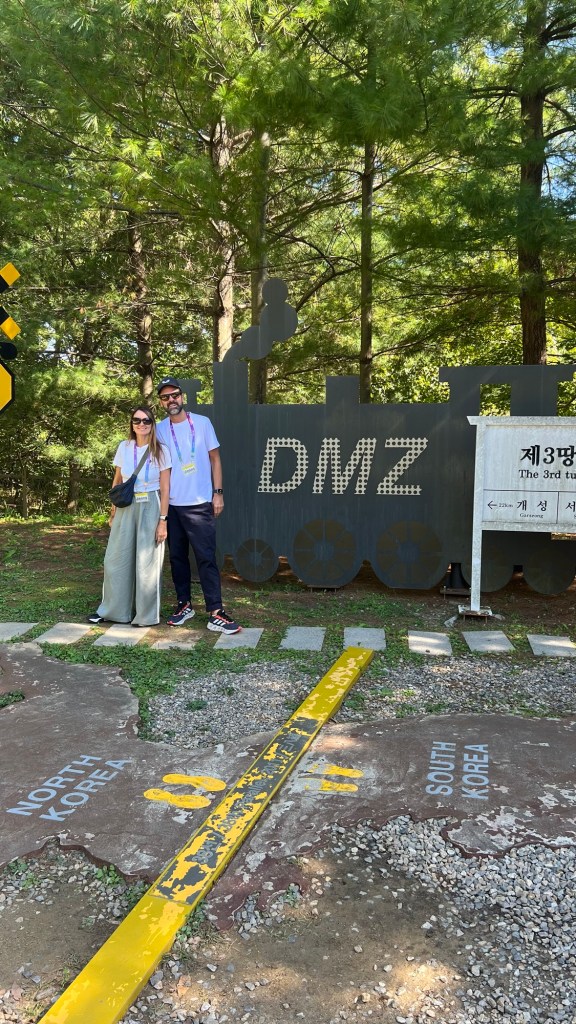
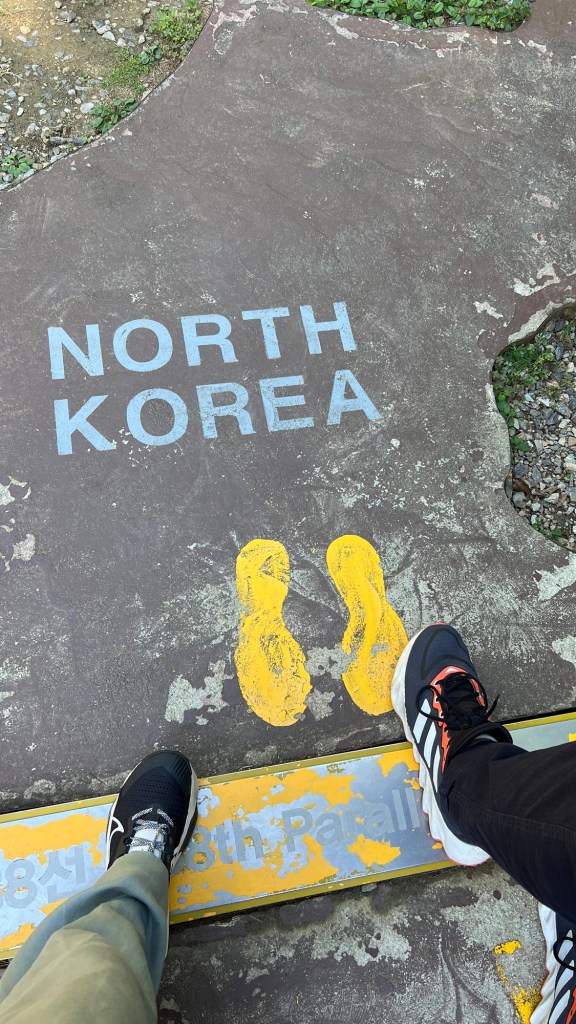
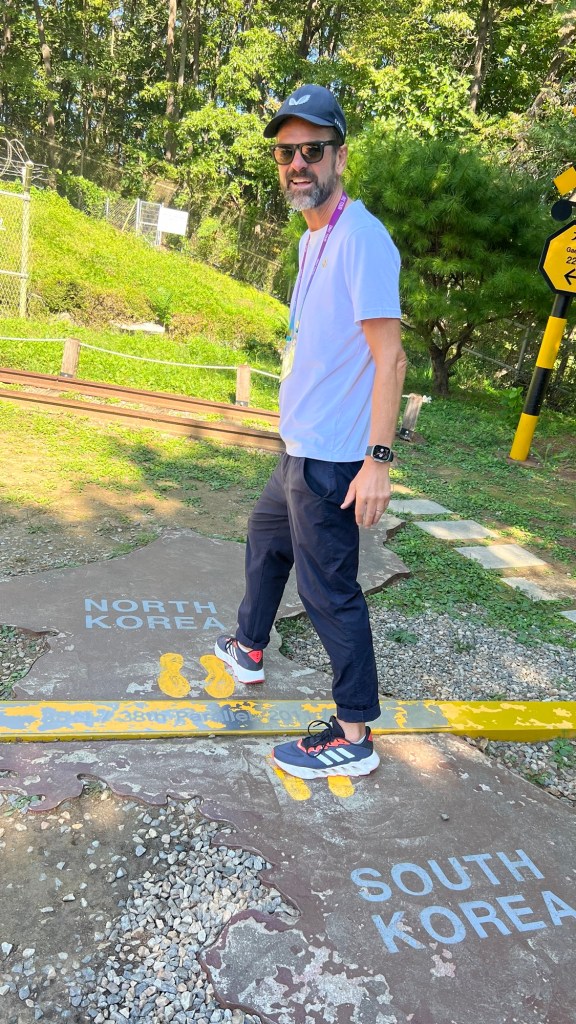
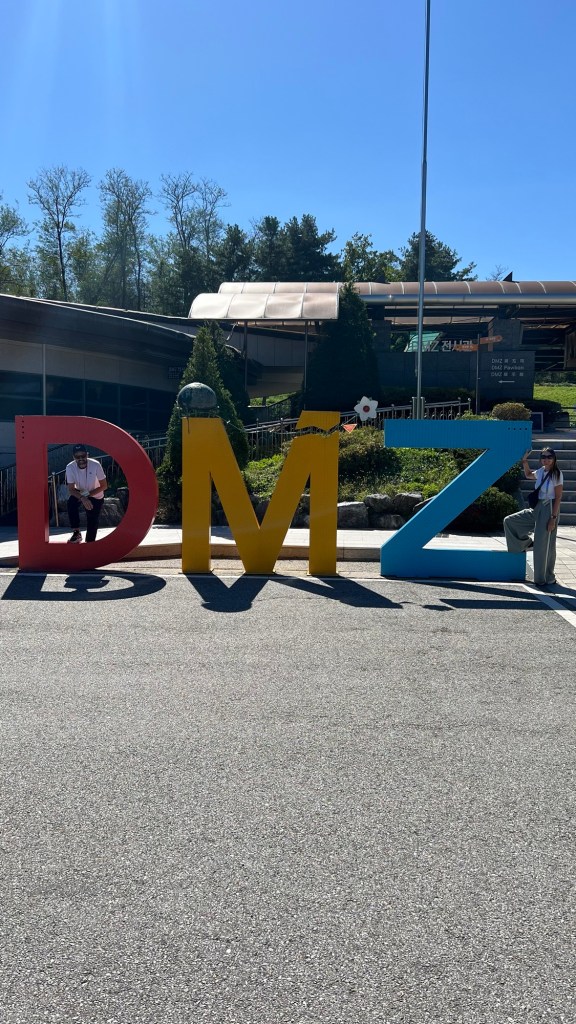
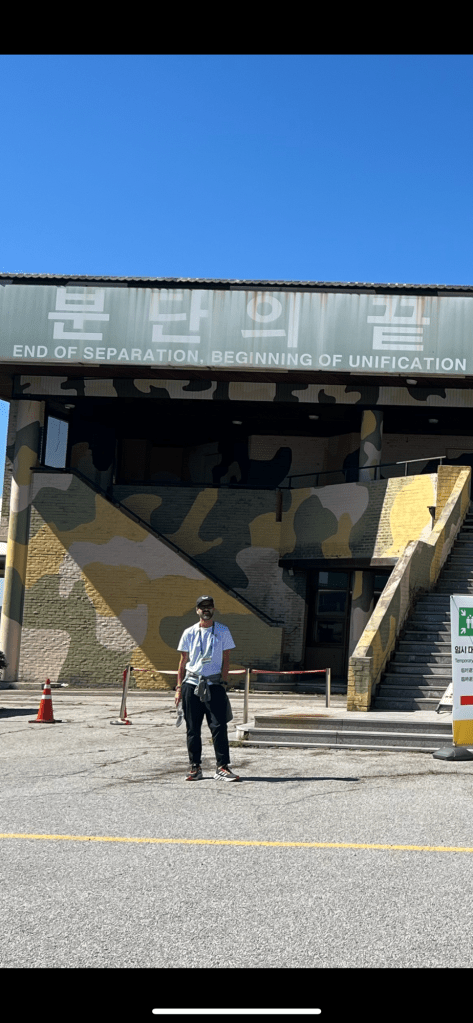
It’s still hoped by the Korean that unification of the country will happen within their lifetime, however from today’s evidence we think that’s an optimistic view.
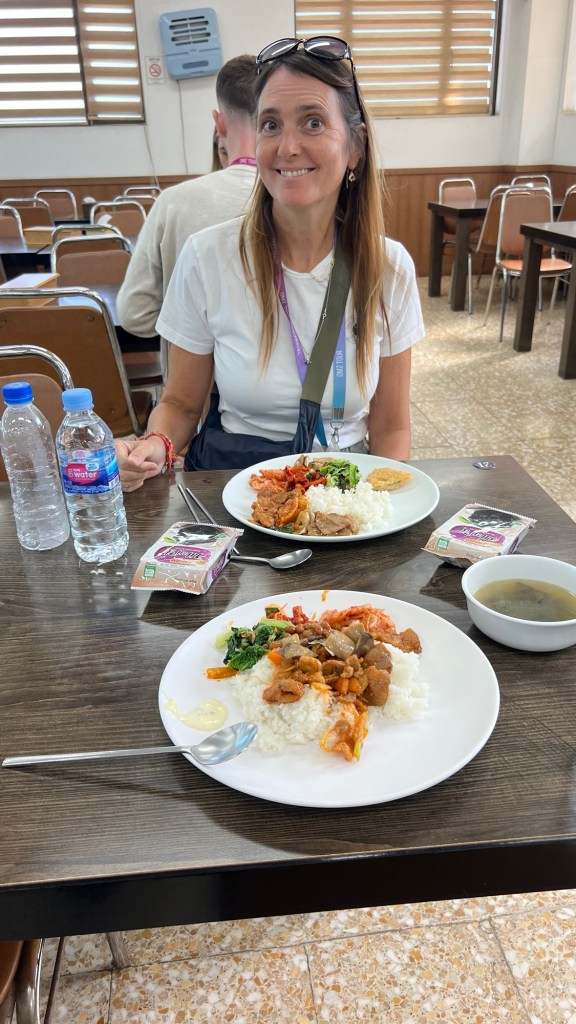
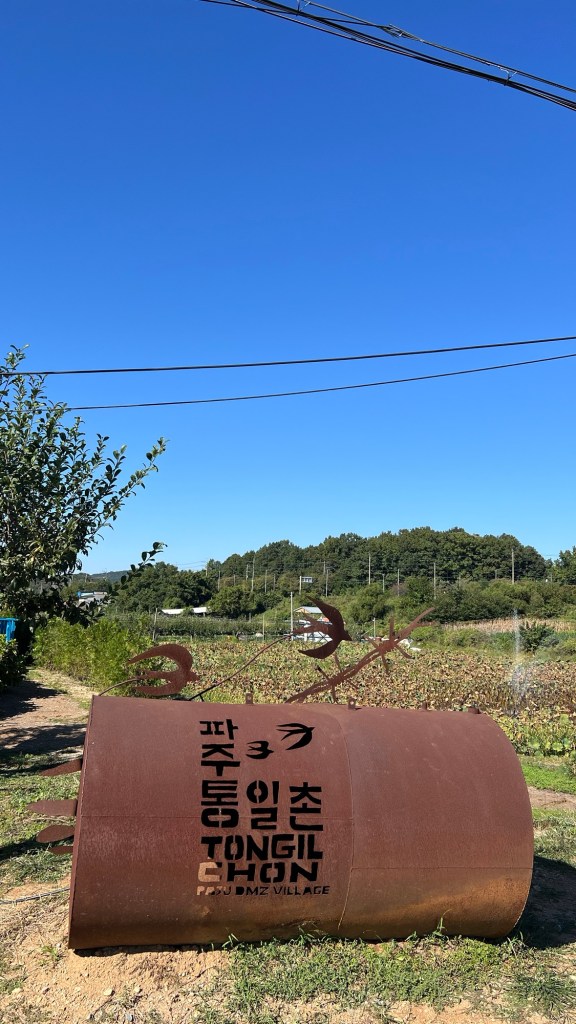
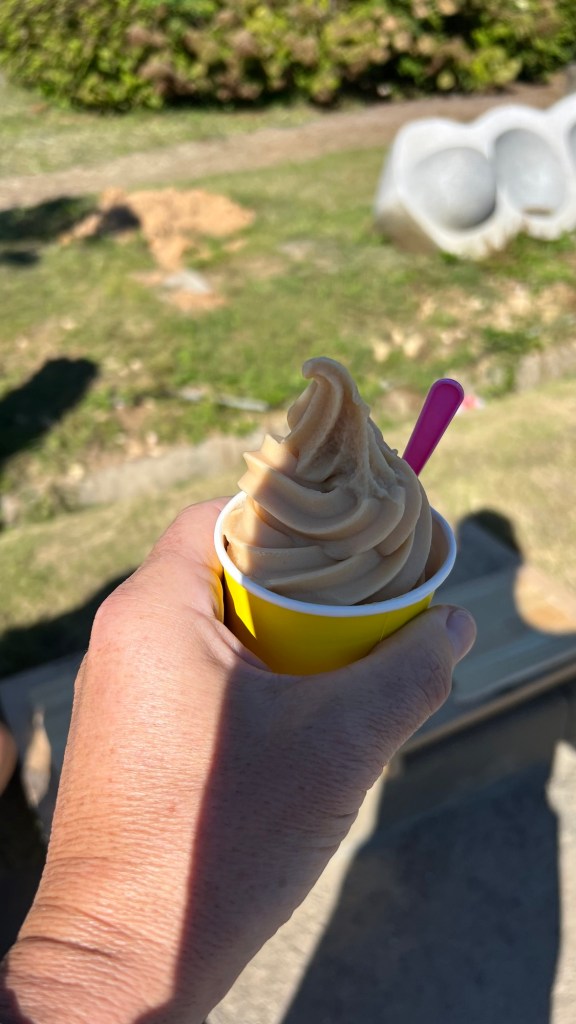
Before we headed back to Seoul we stopped in Chorigol-gil village within the DMZ for lunch. This was an opportunity to eat some local dishes of pork & rice with fish and kimchi.
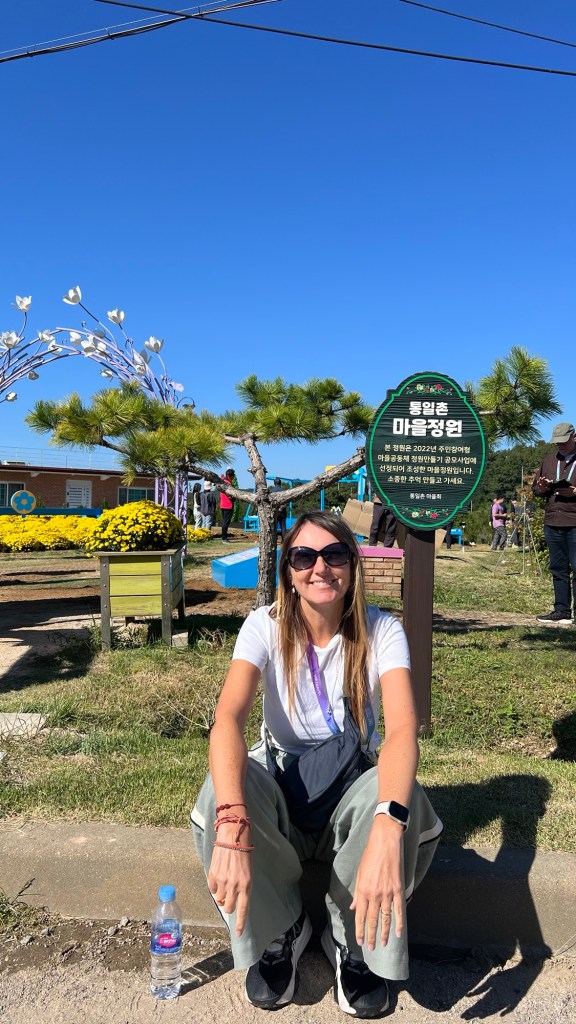
From there it was a 1hr drive back to Seoul and the end of a wonderful day at the DMZ, a truly amazing experience.
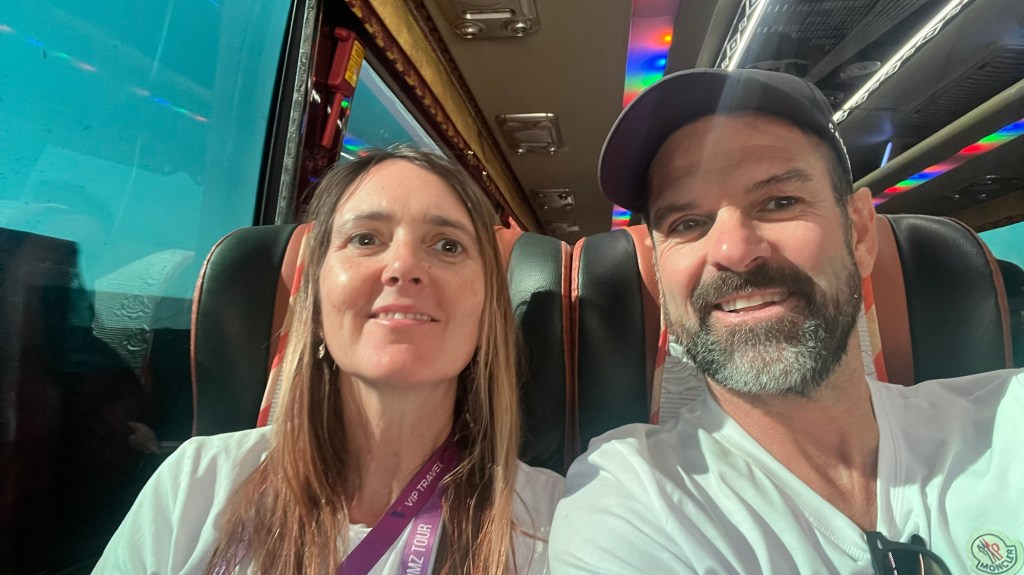
With the late afternoon sunshine in full glow, we headed up to Jongno district, past the Open Songhyeon Green Plaza and into the quaint Insadong area, where there is a huge selection of beautiful cafes and art galleries, as well as craft stores.
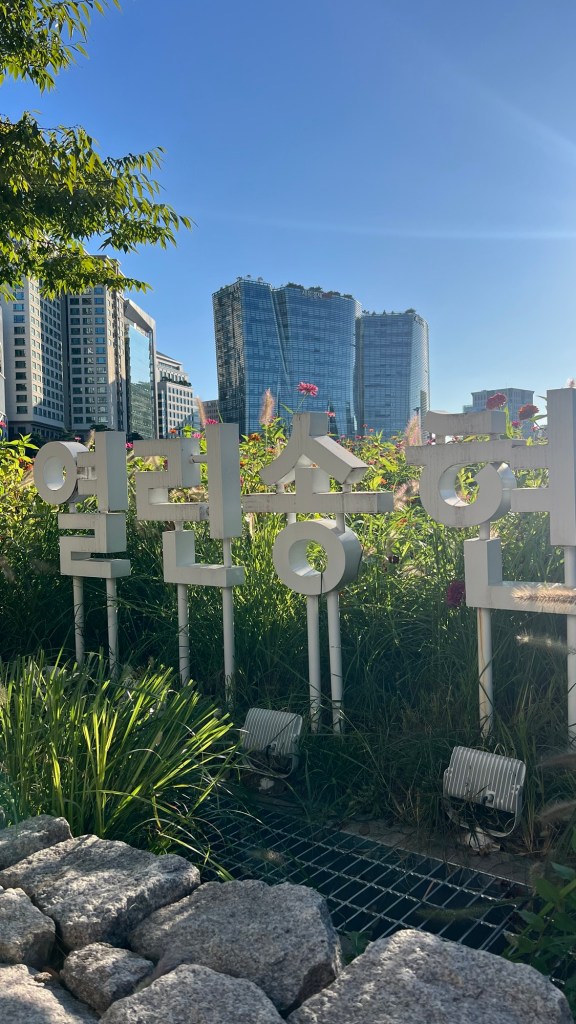
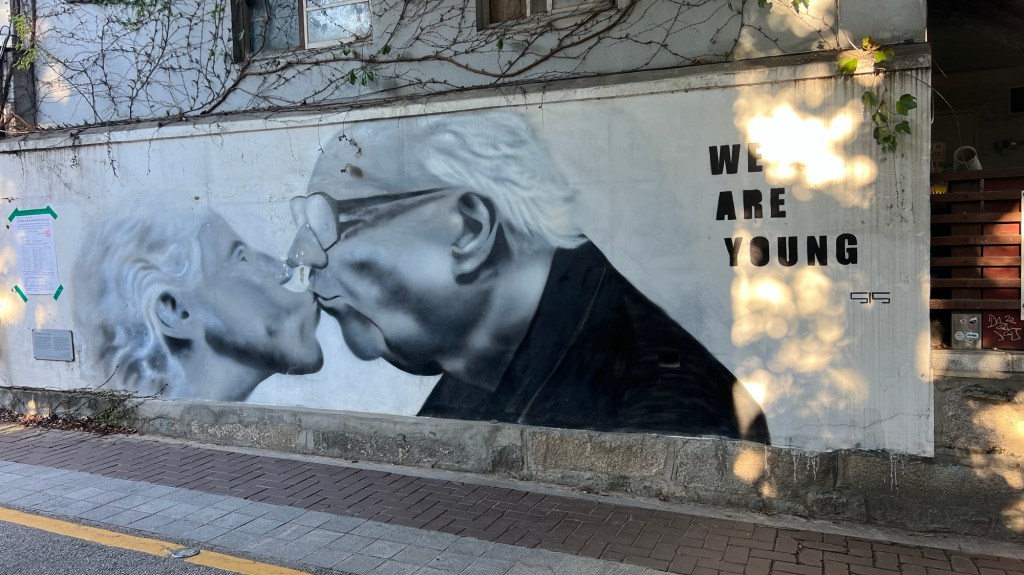
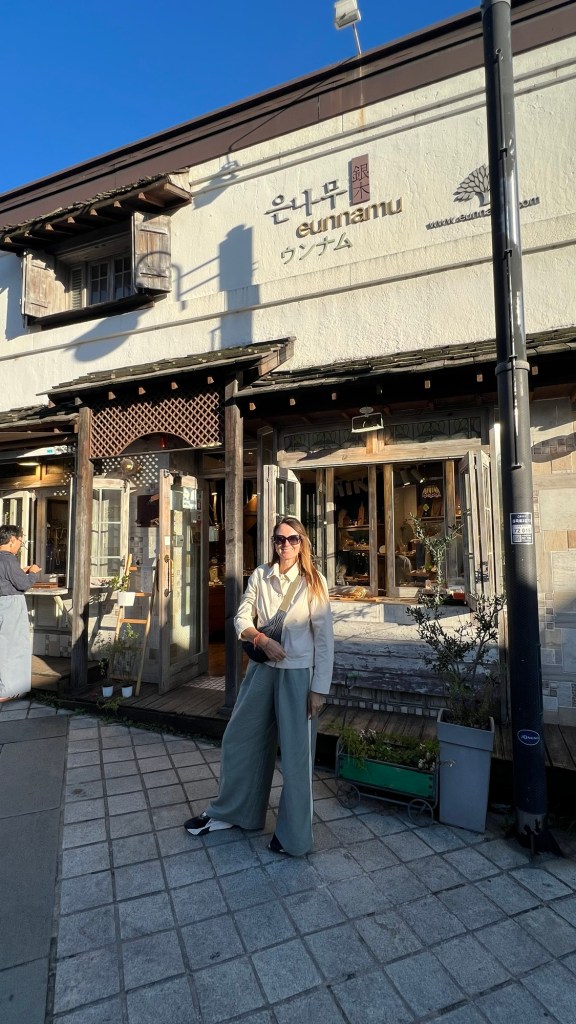
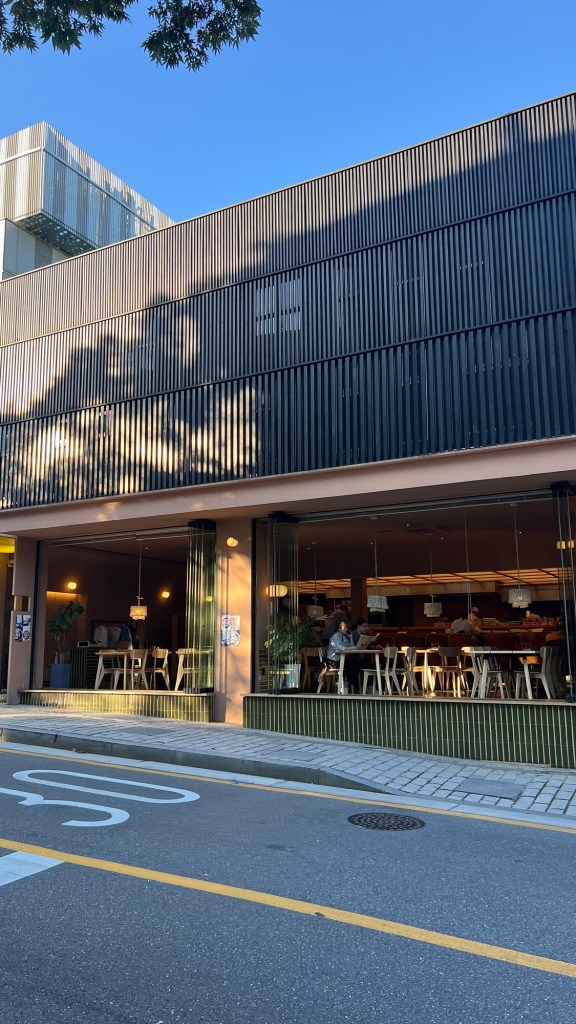
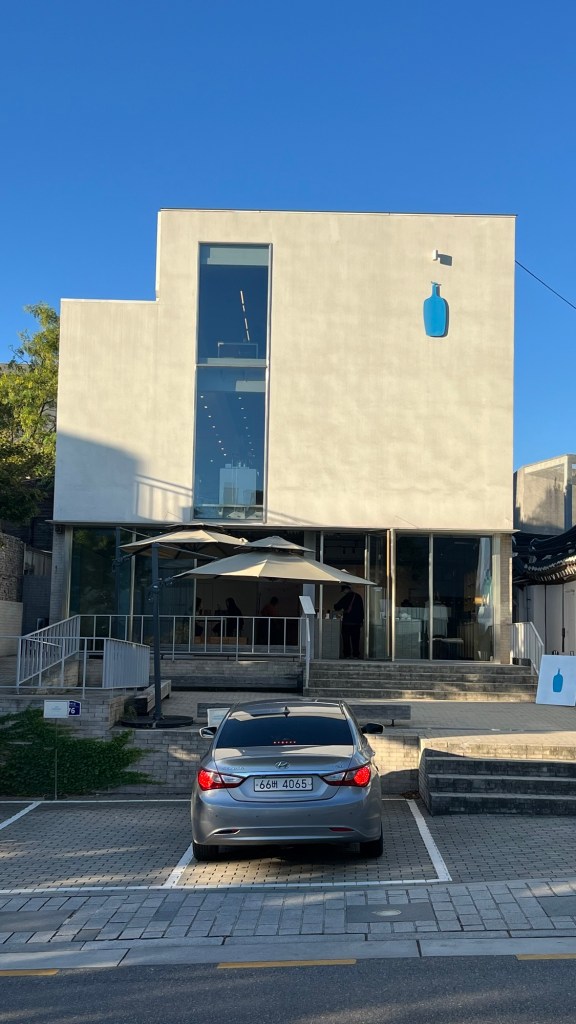
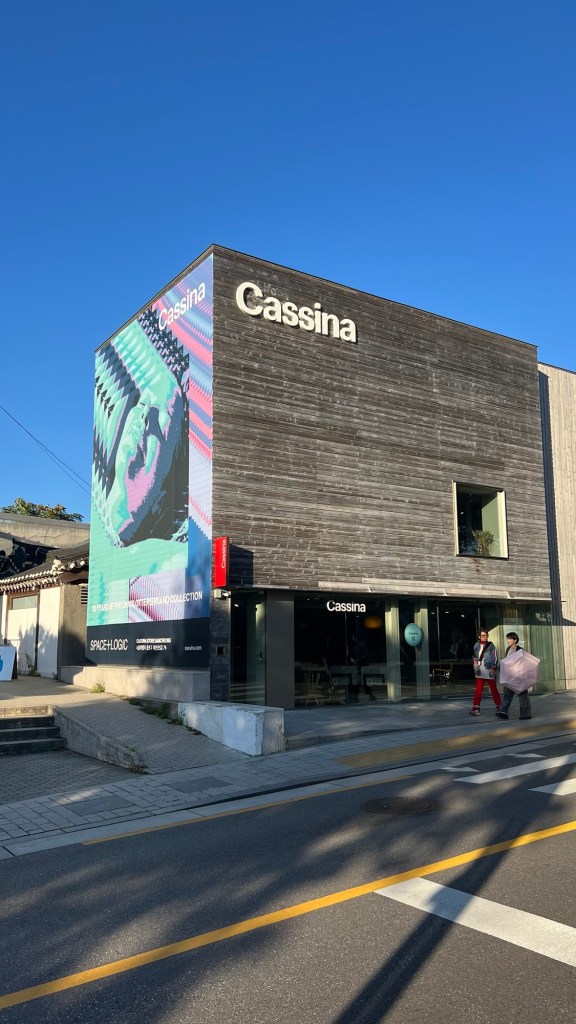
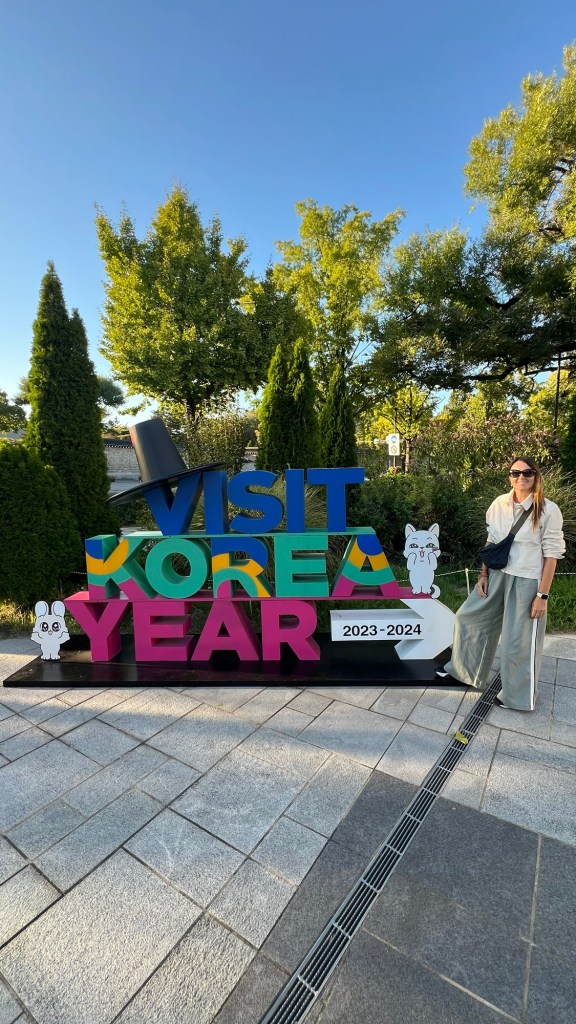
After working up an appetite we decided to stop and enjoy the late afternoon with a coffee and a cake and take in the views.
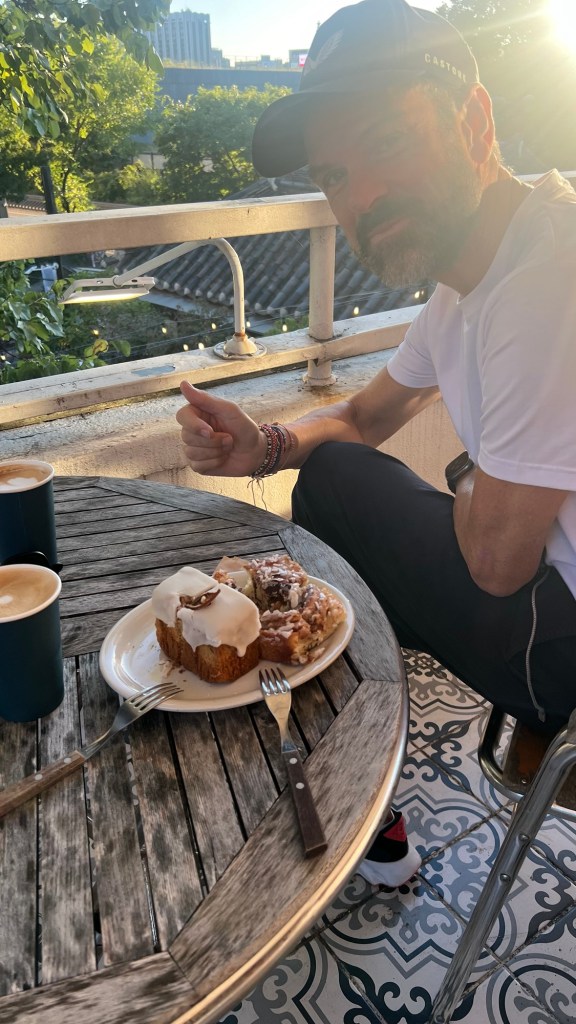
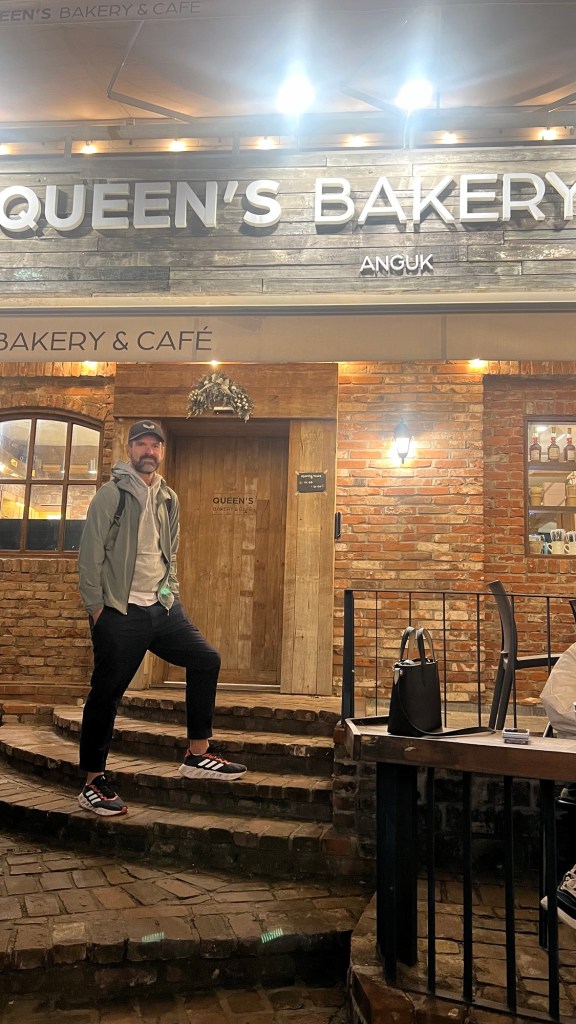
After our cake treat, we decided to walk off the calories and headed down to our hotel via the Insadong district passing numerous independent stores selling beautiful craft & jewellery products.
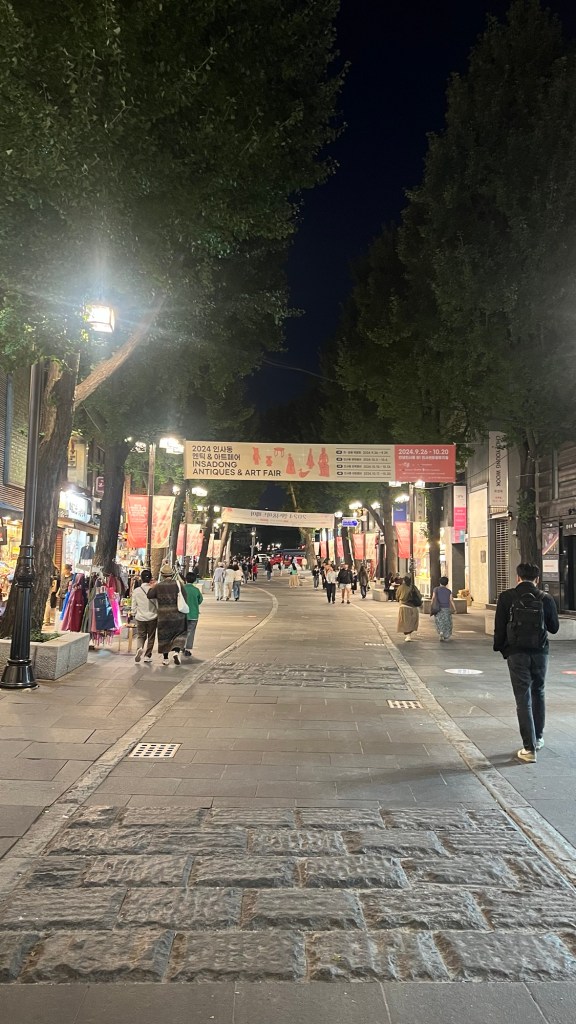
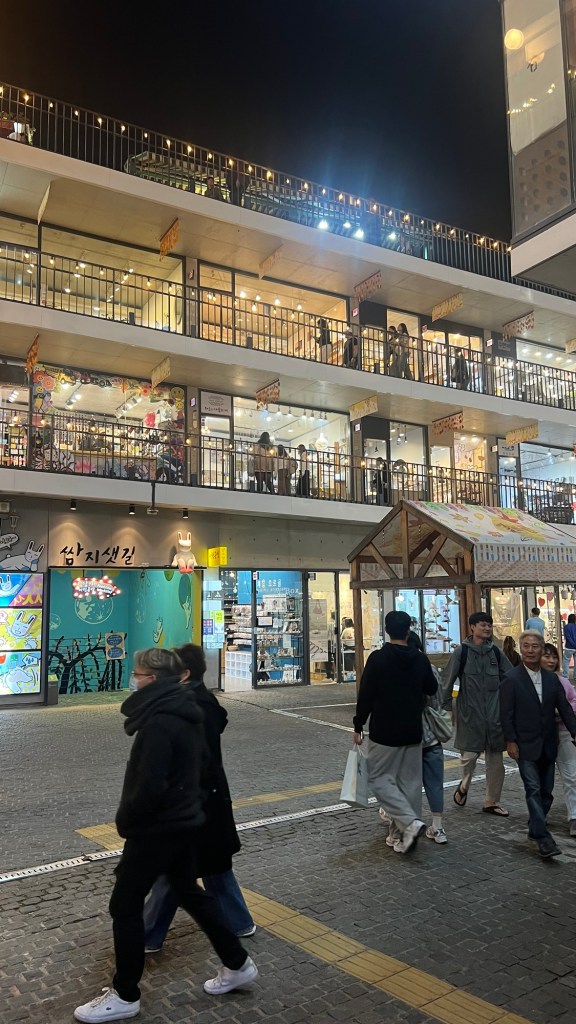
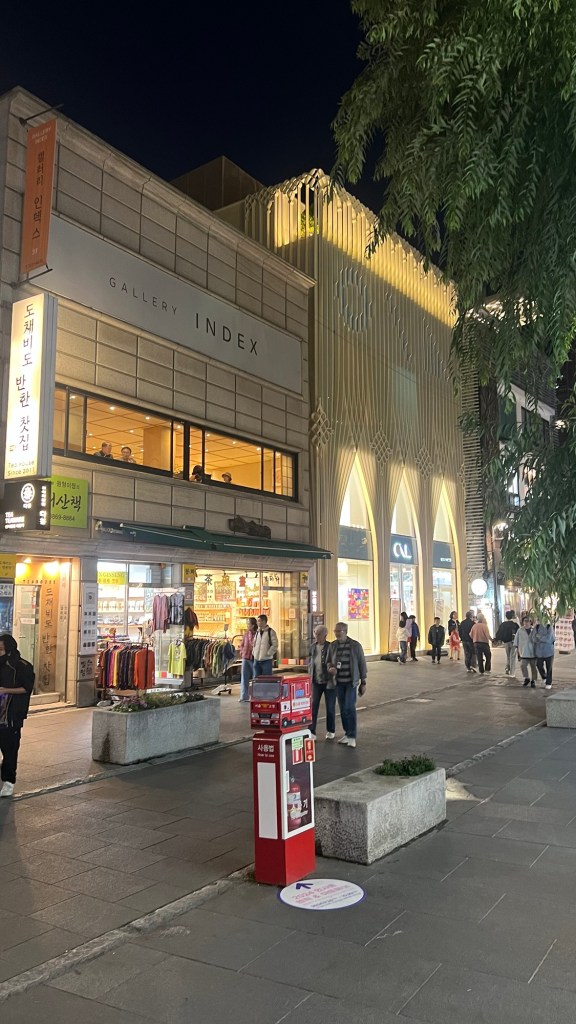
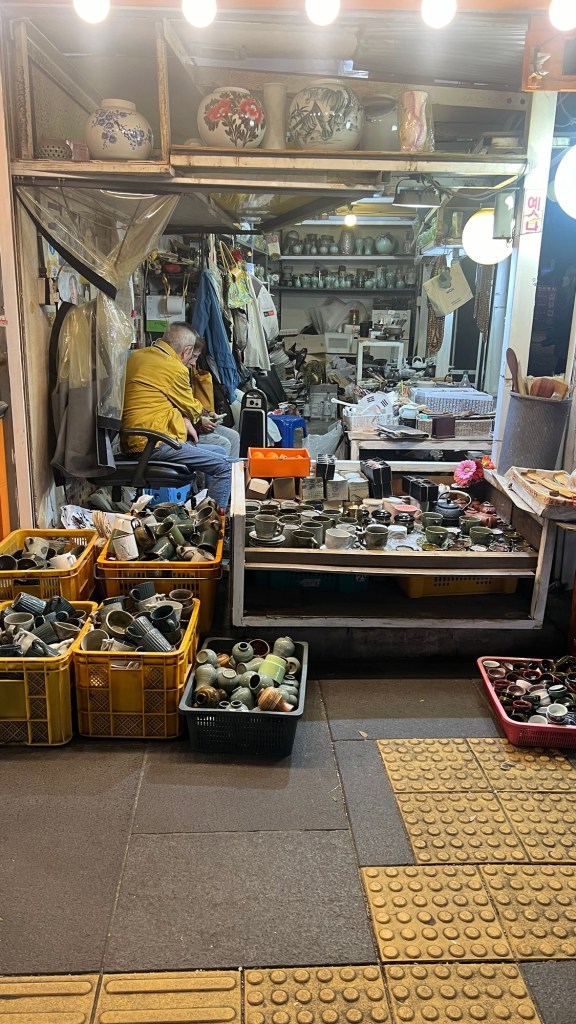
By the time we returned to our hotel, we had been out and about for over 14hrs and experienced another interesting day in Seoul and the DMZ. It’s a wonderful city and one we will definitely return to in the future.
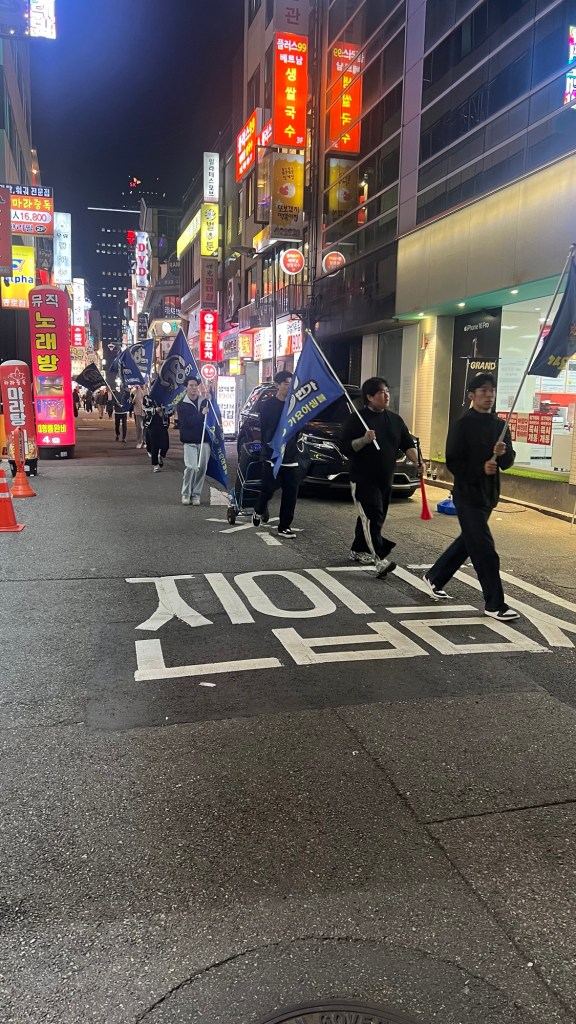
Tomorrow it’s another national holiday in South Korea and we have decided to pay a visit to the nearby city of Suwon, a hour city of Seoul.
Traditionally known as the ‘City of Filial Piety’, modern Suwon retains a variety of historical landmarks. As a walled city, it is a popular destination for day-trippers, notably visits to Hwaseong Fortress.
Suwon also plays an important economic role as it is home to Samsung, Korea’s largest and most profitable company where you can visit their campus and experience their ideas for future technology.
 @travellingwiththeateam