Early morning start today, with an internal flight from Kobe to Nagasaki with Sky Airlines.
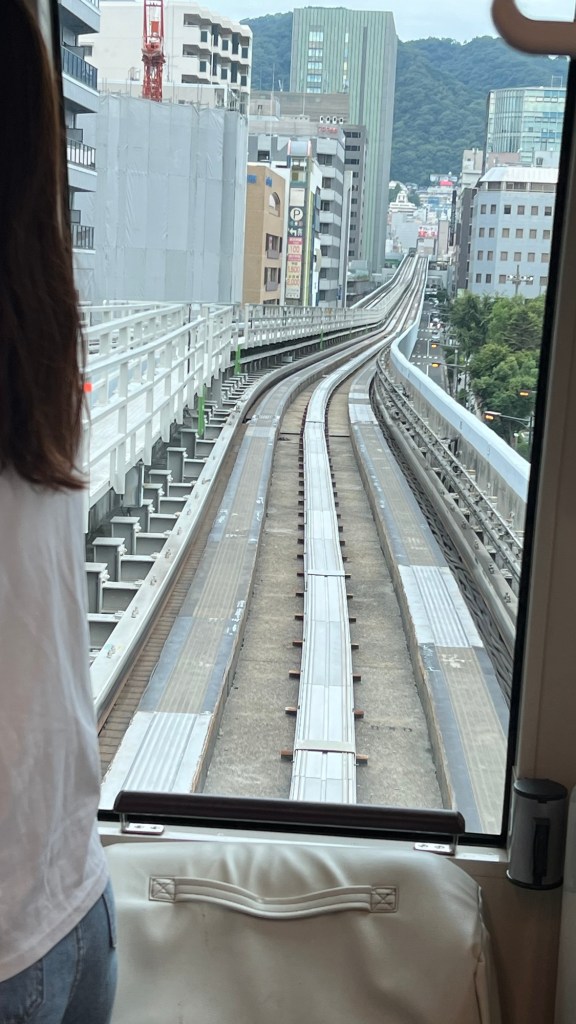
All went very smoothly with our transport on the Port Liner, an automated rapid transit system that links Kobe Airport and destinations on Port Island with Sannomiya Station in central Kobe.
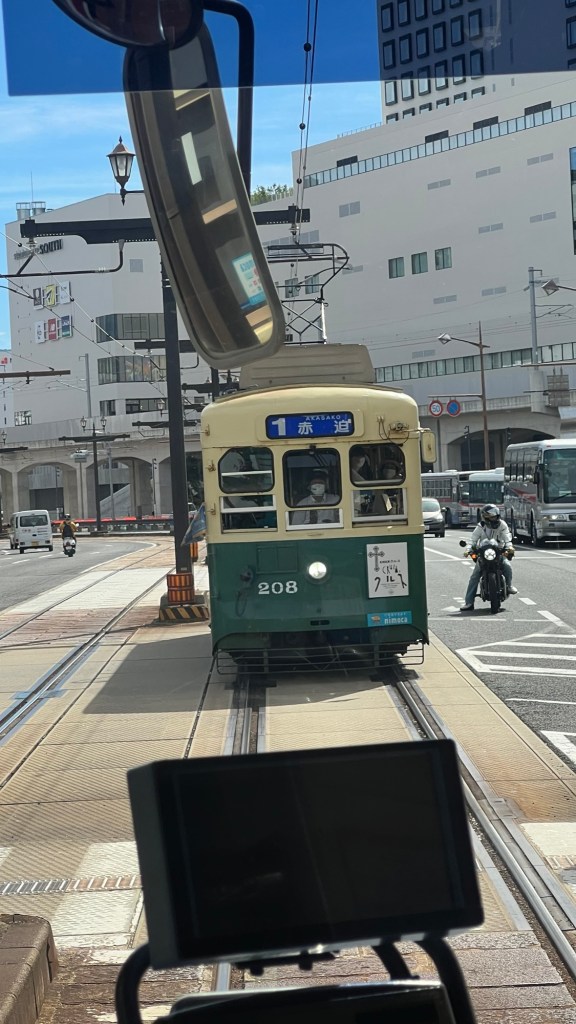
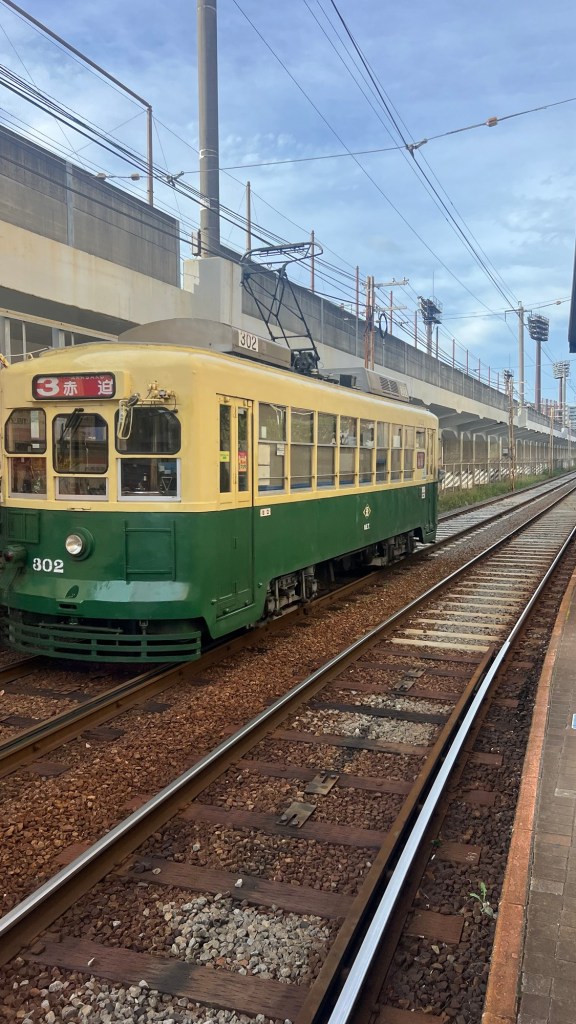
After a 1hr flight and a 30min bus station to central Nagasaki, we headed out on the local tram to visit the famous Atomic Bomb Museum and the Peace Park next door.
The Atomic Bomb Museum offered detailed exhibits on the bombing and its aftermath, providing a powerful reflection on the city’s resilience.
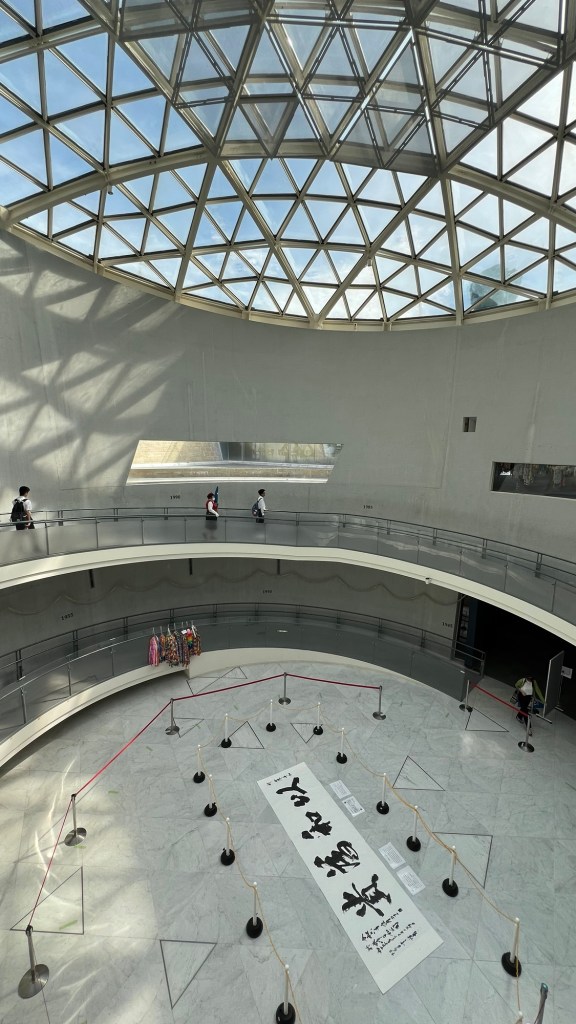
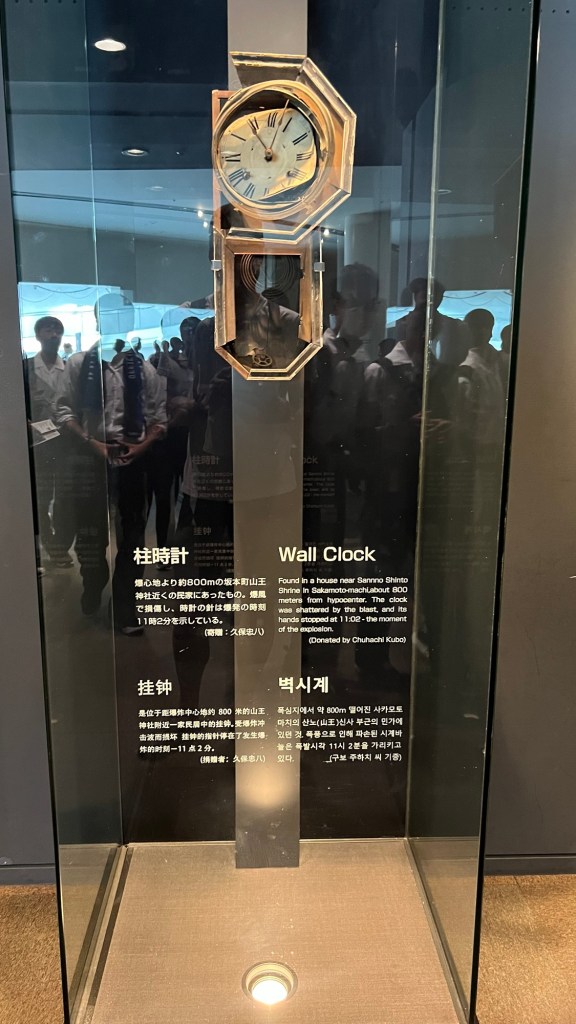
The first message on display was the most powerful and poignant, stating that Nagasaki must be the last place exposed to an atomic bomb.

The bomb dropped on the city followed on from Hiroshima 3 days prior, and was only chosen when the original target Kokura Arsenal was covered in cloud when the flight bomber passed over on the 9th and instead redirected to Nagasaki.
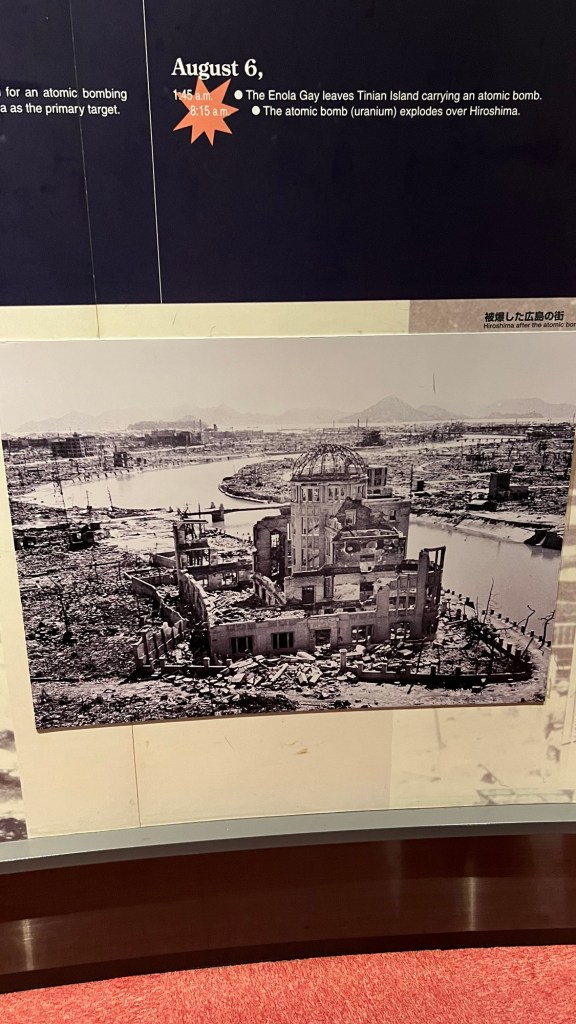
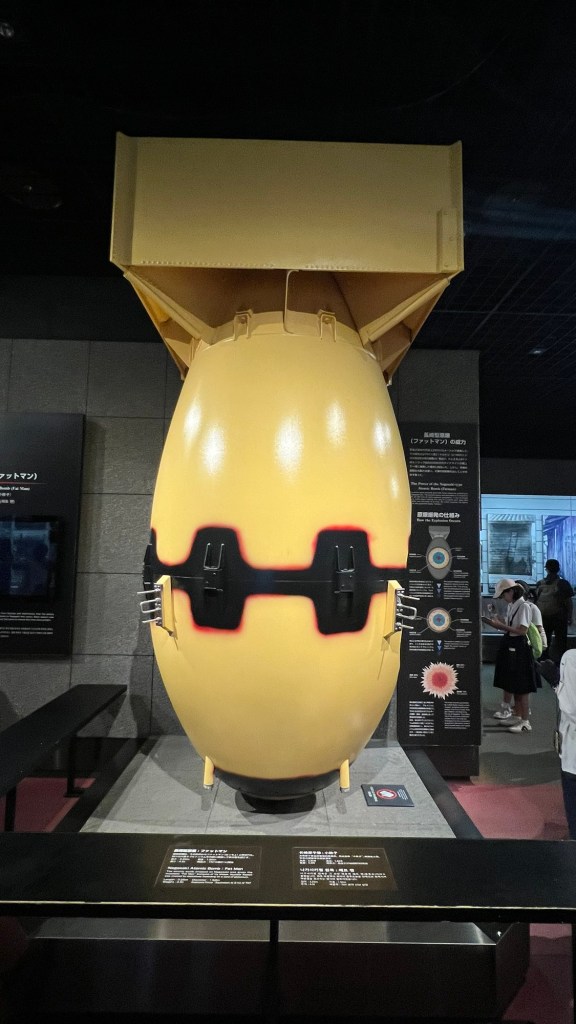
The scenes shown in the museum didn’t pull any punches, and showed the dead men, women and children who were killed instantly within the 2k perimeter of the drop zone.
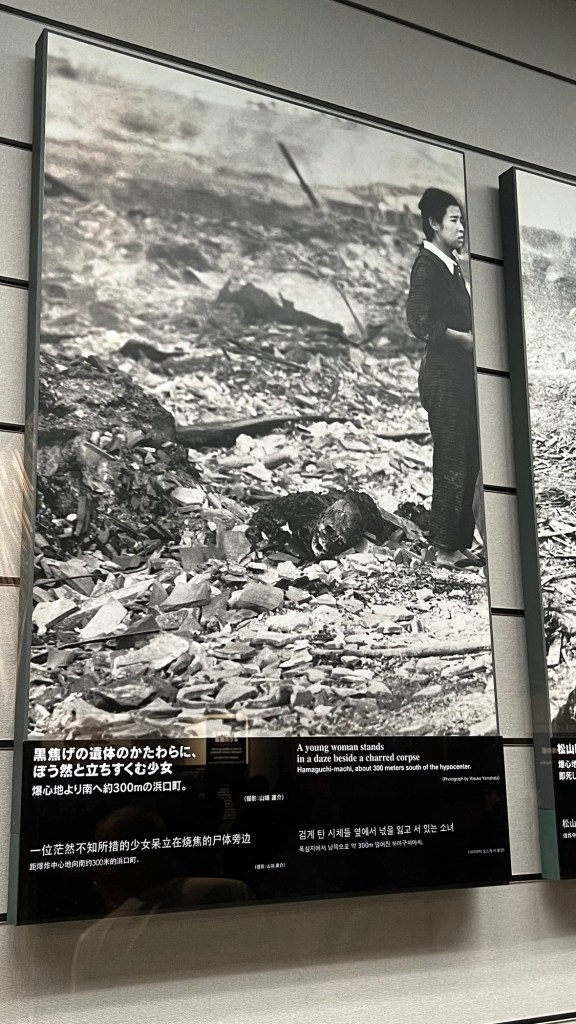
The impact of the atomic bomb was devastating and it brings into question the reasoning for the decision taken without prior warning to the Japanese authorities.
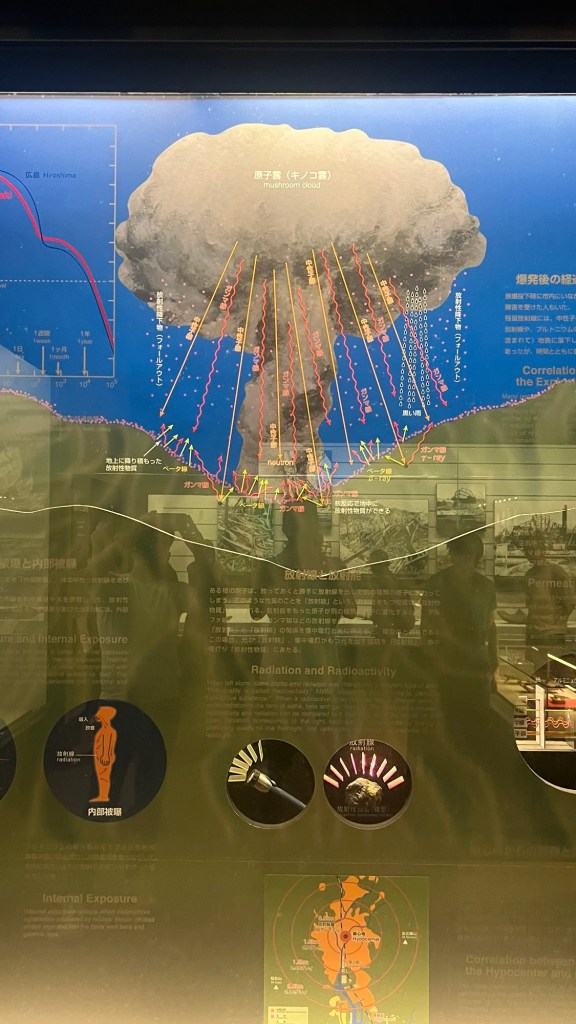
The atomic bomb killed 85,000 in the city, along with the 160,000 in Hiroshima and has led to a Japanese and worldwide view that the world should be free of nuclear weapons.
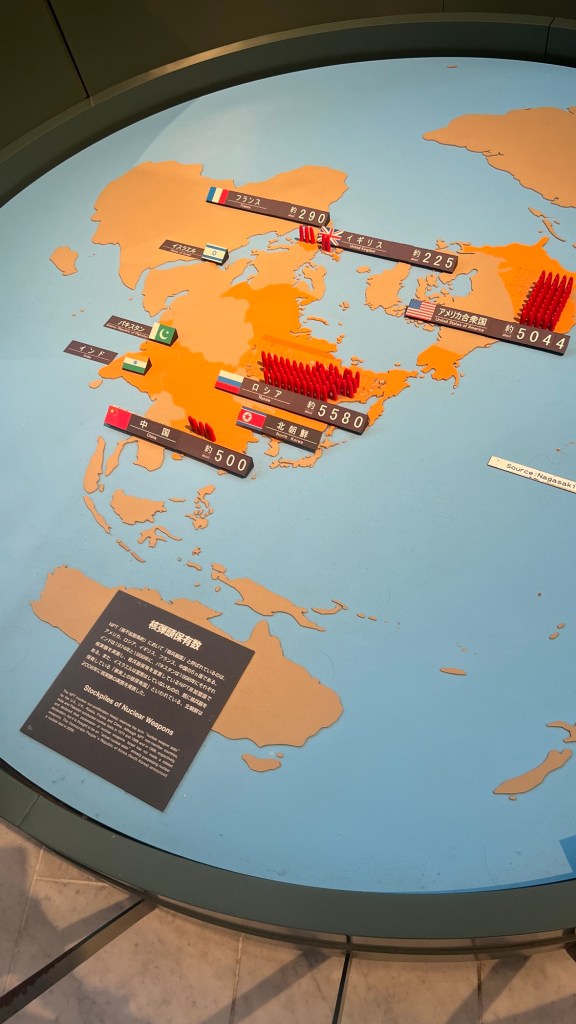
Unfortunately as matters stand there are nine notable countries with nuclear might, Russia, USA, UK, France, India, Pakistan, Israel, North Korea and China. After seeing the photos of the devastation a bomb of this strength can cause it’s unfathomable why we should ever consider this an option in the future.
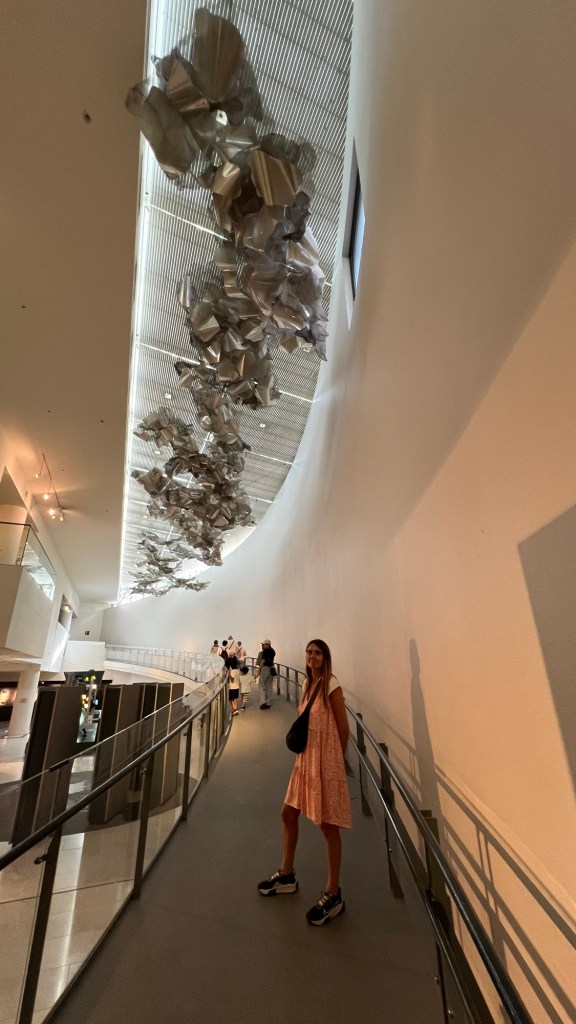
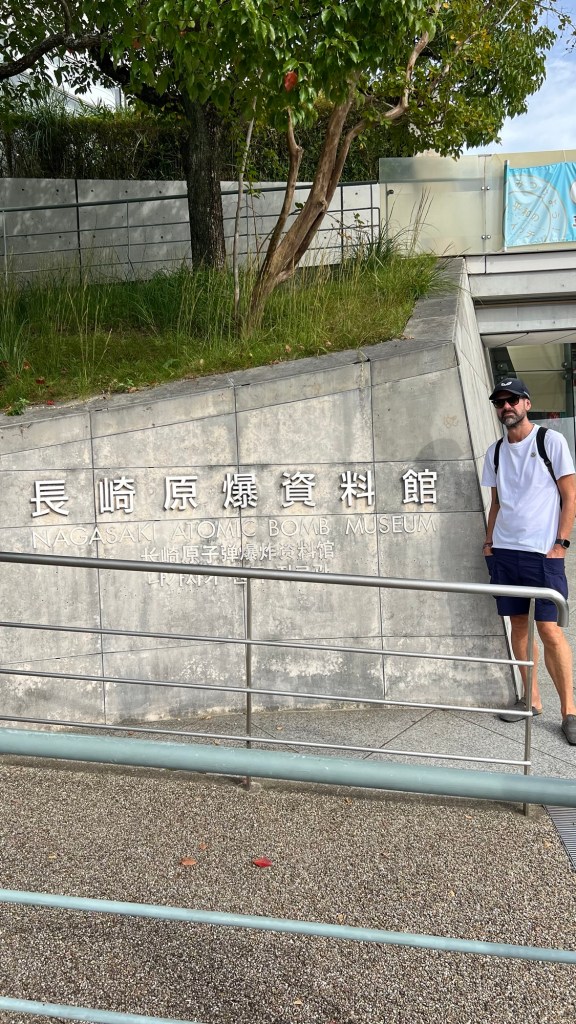
We then moved on to Peace Park, which commemorates the tragic atomic bombing of 1945.
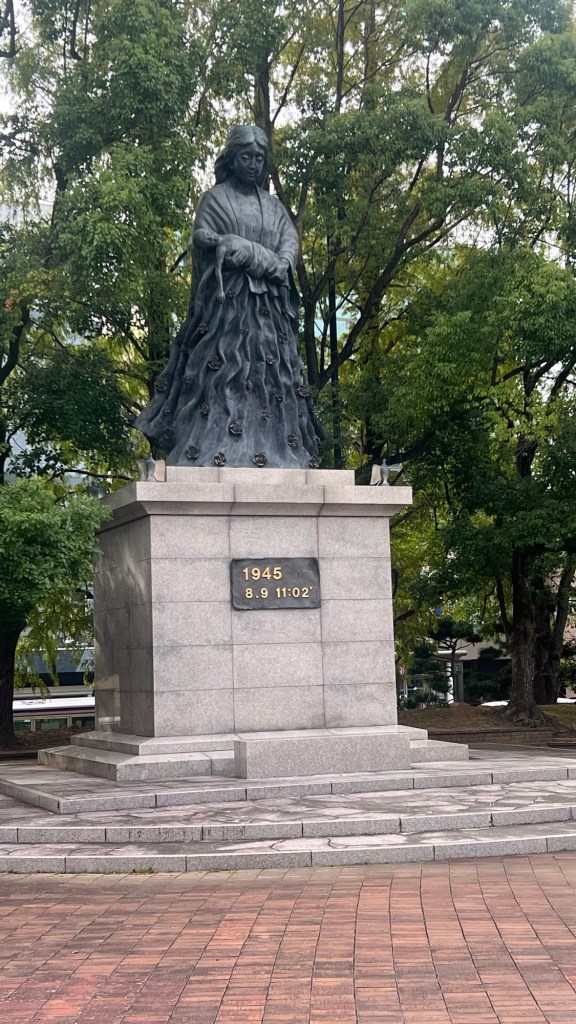
The park is filled with monuments and statues promoting peace.
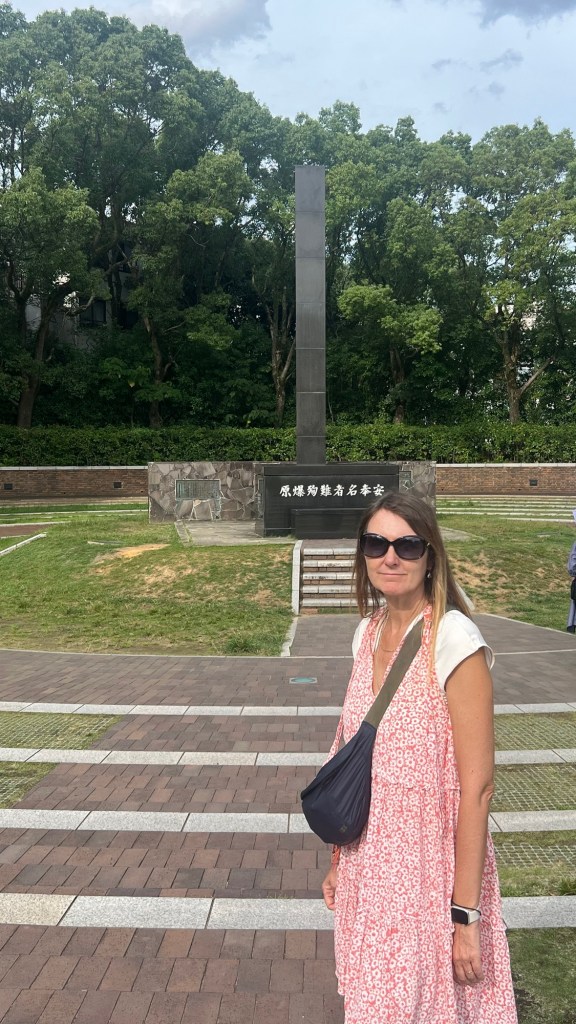
We also visited the Nagasaki Hypocentre marking the exact location of the atomic bombs detonation.
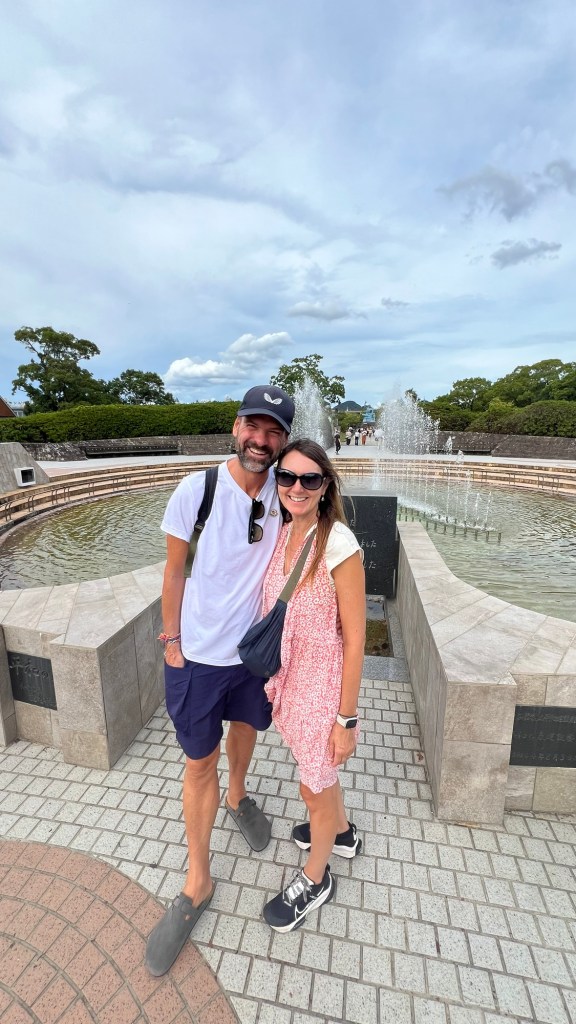
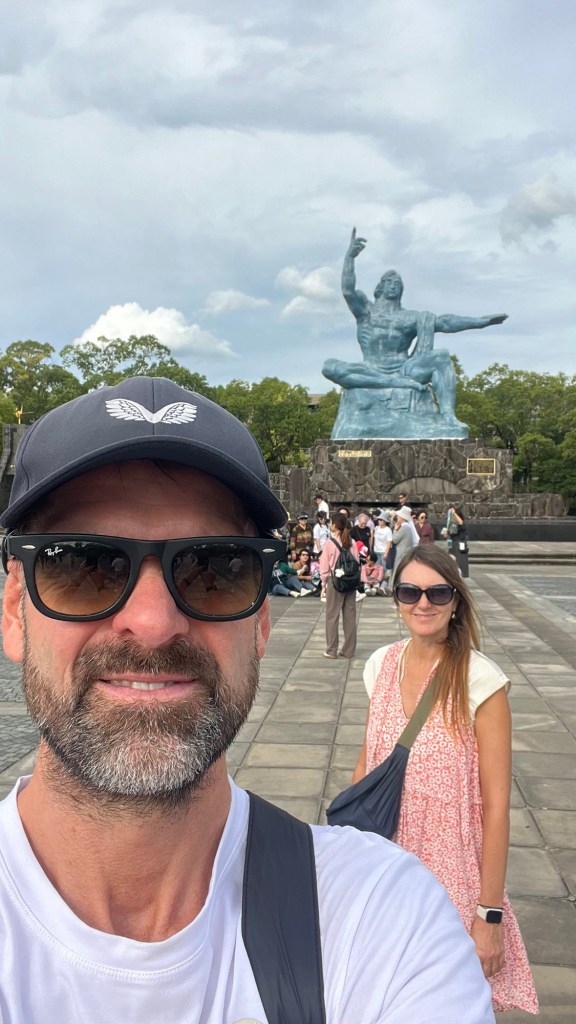
After paying our respects in the Peace Park and viewing the many monuments donated from other countries, it was time for a break and some downtime.

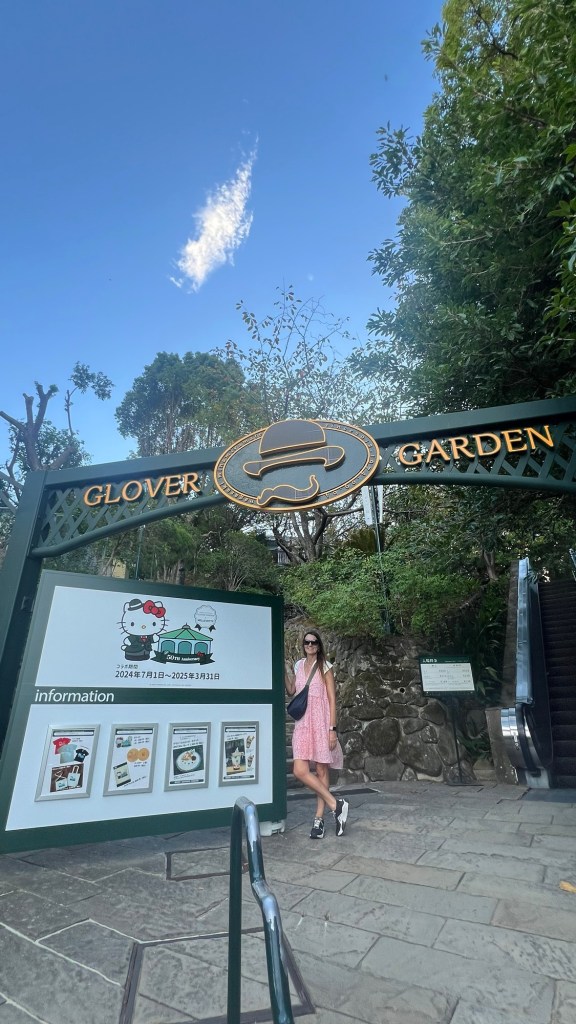
We then jumped on a tram back into the city to visit Glover Garden and Oura Cathedral.

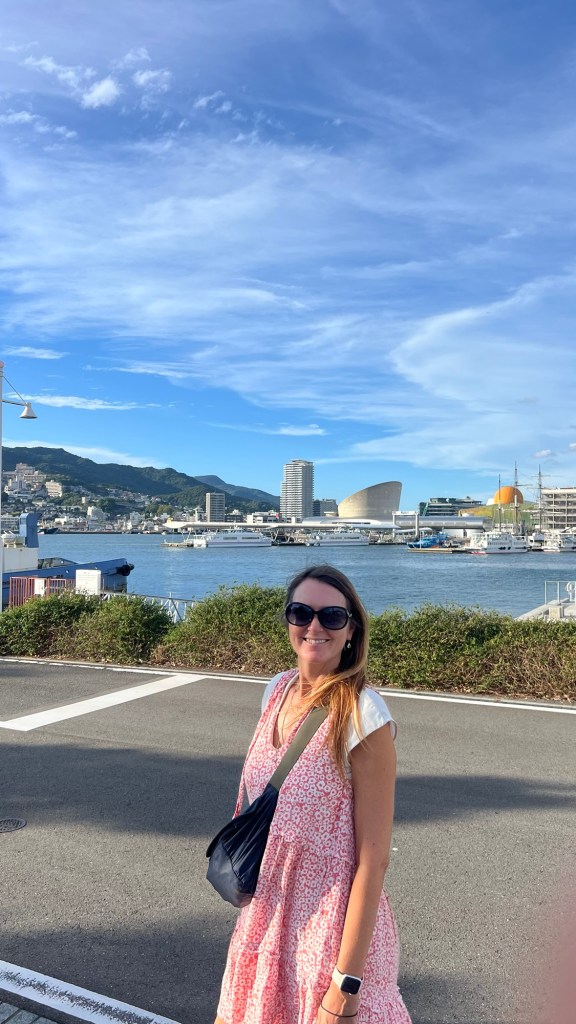
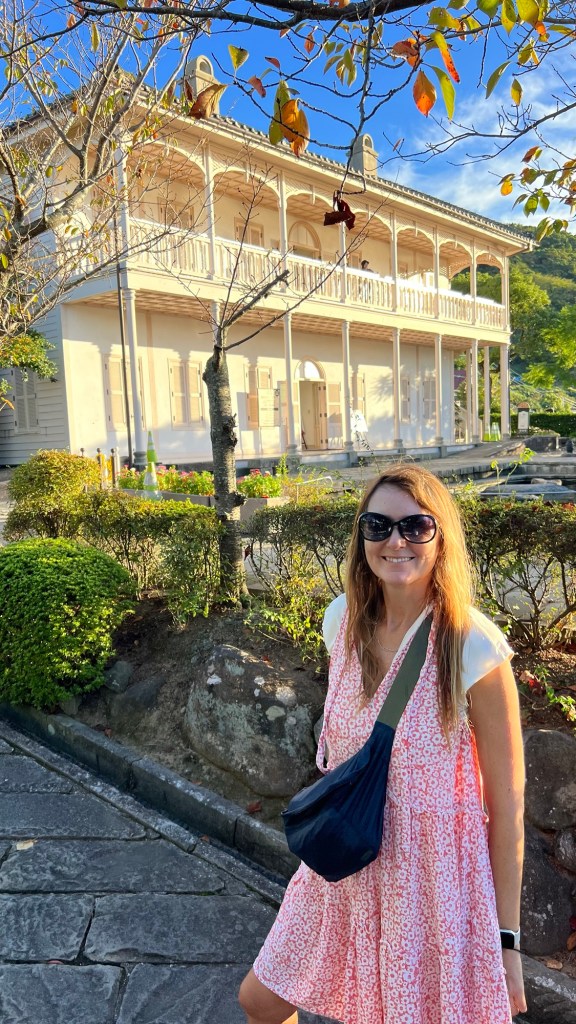
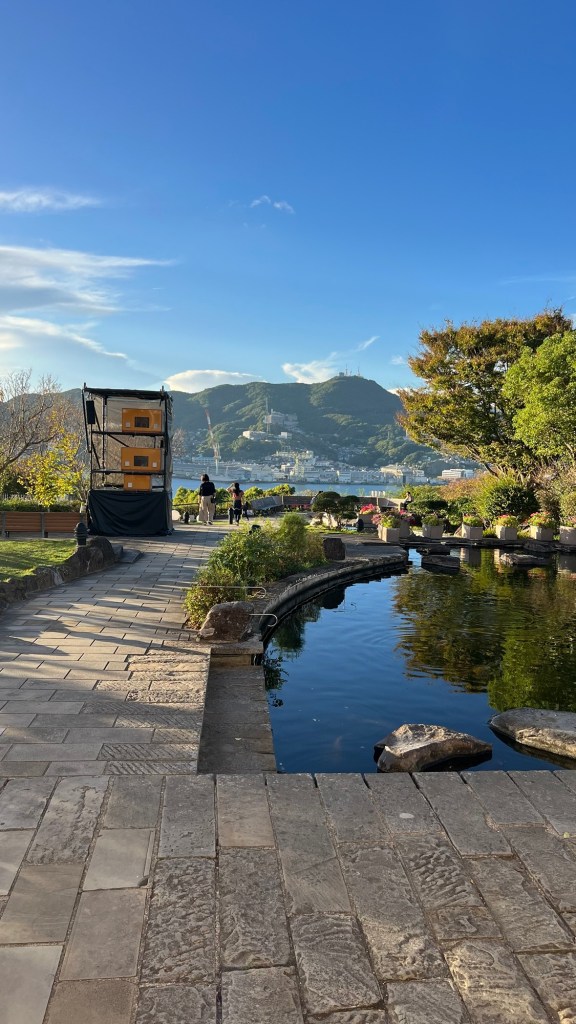
Glover Park is an open air museum with Western style mansions dating back from the 19th century. These buildings once housed foreign merchants and is set on a hill with glorious views of the city and Nagasaki Harbour.
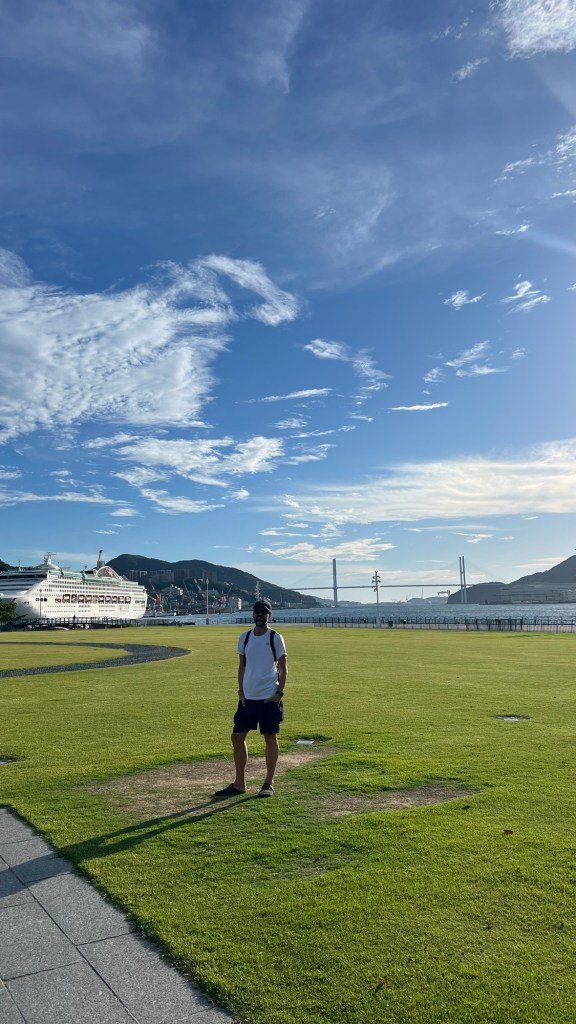
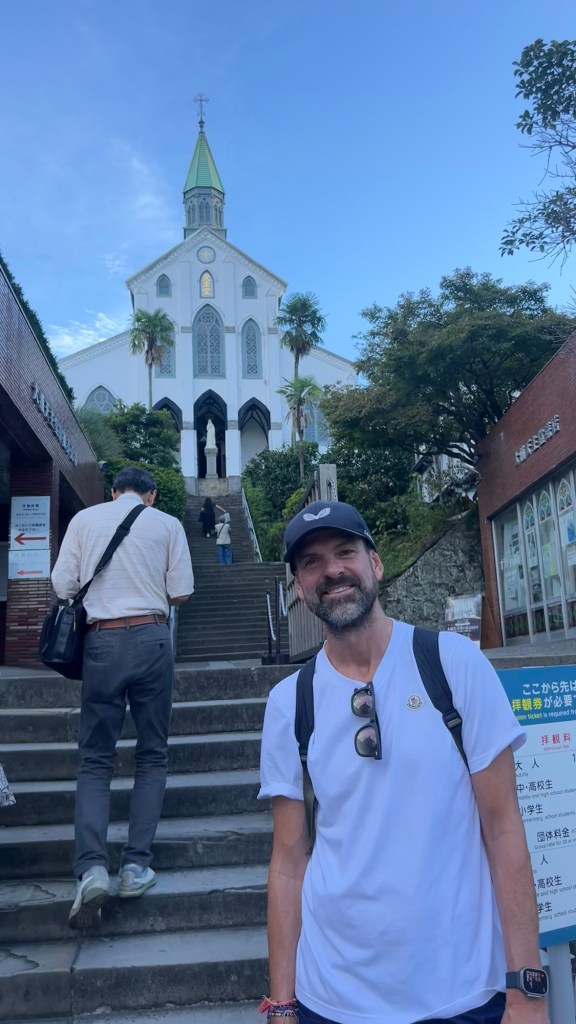
We also visited Oura Cathedral, Japans oldest Christian church, a UNESCO World Heritage site, reflecting Nagasaki’s role as a key centre of Christianity in Japan.


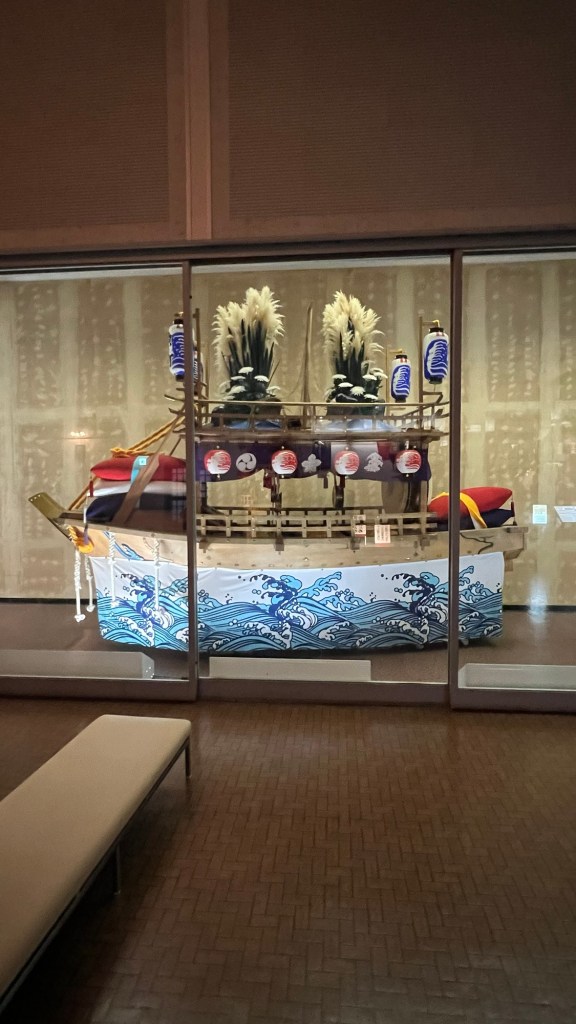
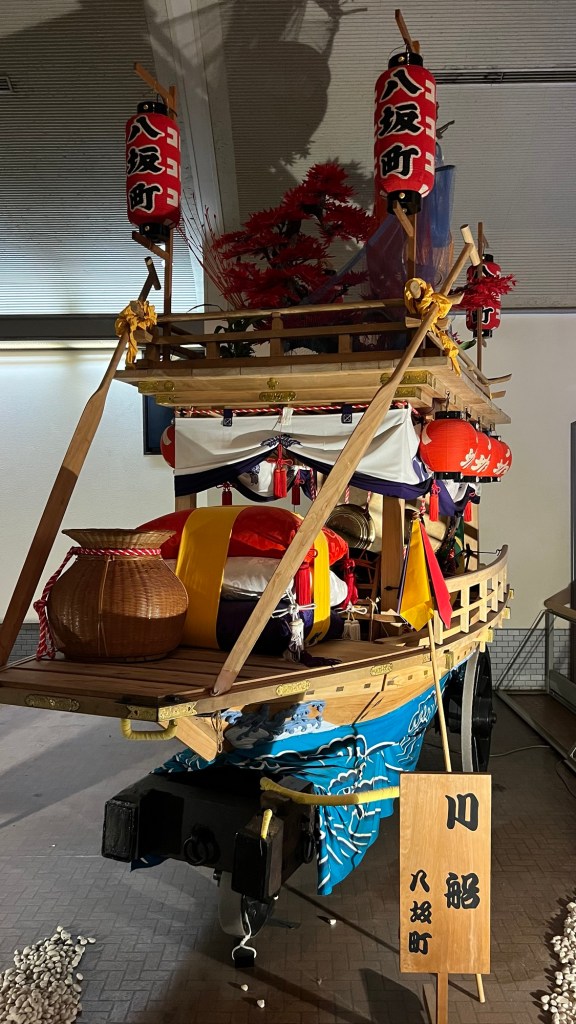
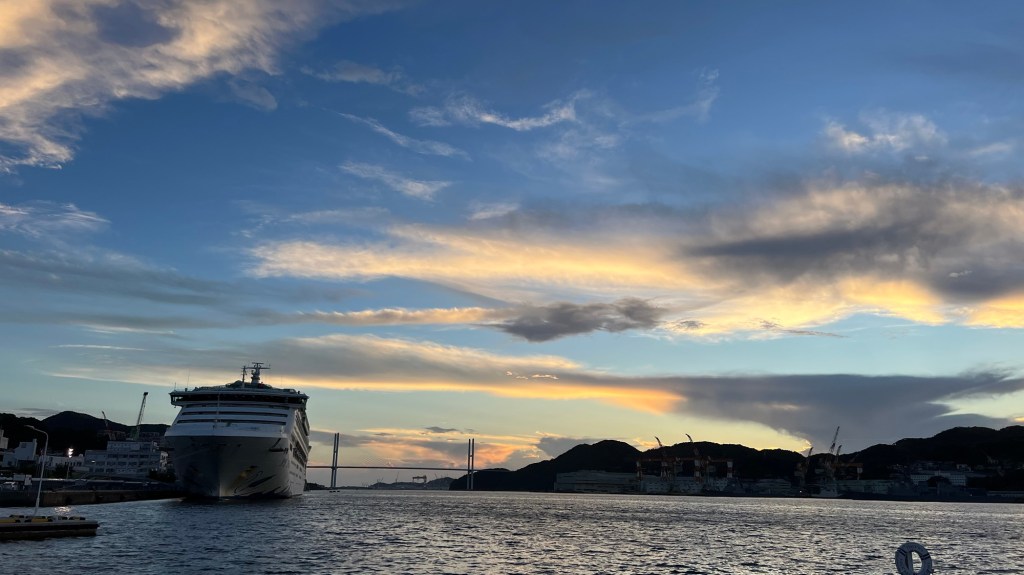
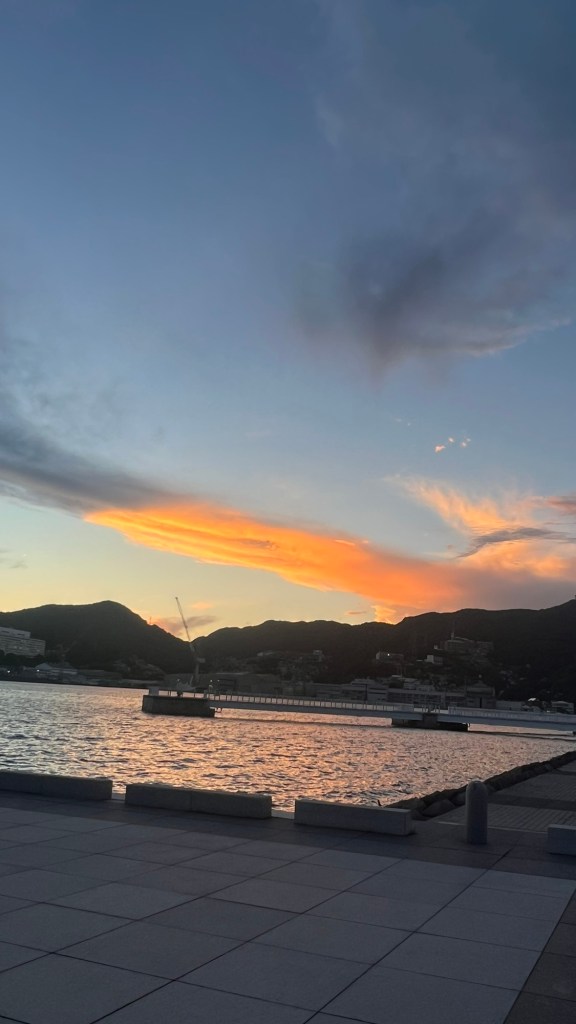
We then went to explore Dejima, the former Dutch trading post. The site has since been redeveloped and with its waterfront position was an ideal spot for our Friday evening treat of pizza and a Caesar salad.
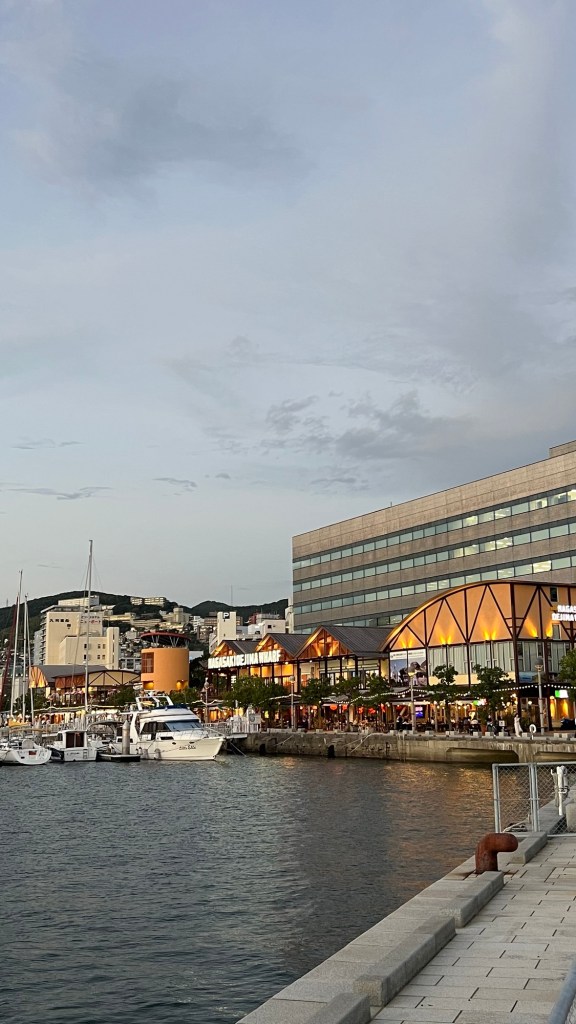
We’ve been in Nagasaki for less than a day, but are already taken by the place and can see the attraction of this beautiful city on the sea, with its large parks and waterfront and all round friendly feel. We are sorry to not be staying longer.

Tomorrow we are up early again for a 4hr coach journey cross country to the hot springs city of Beppu where we have 2 days to try and see as many of the 2,000 Onsens, famed for their nutrient-rich water, mud and sand.
 @travellingwiththeateam