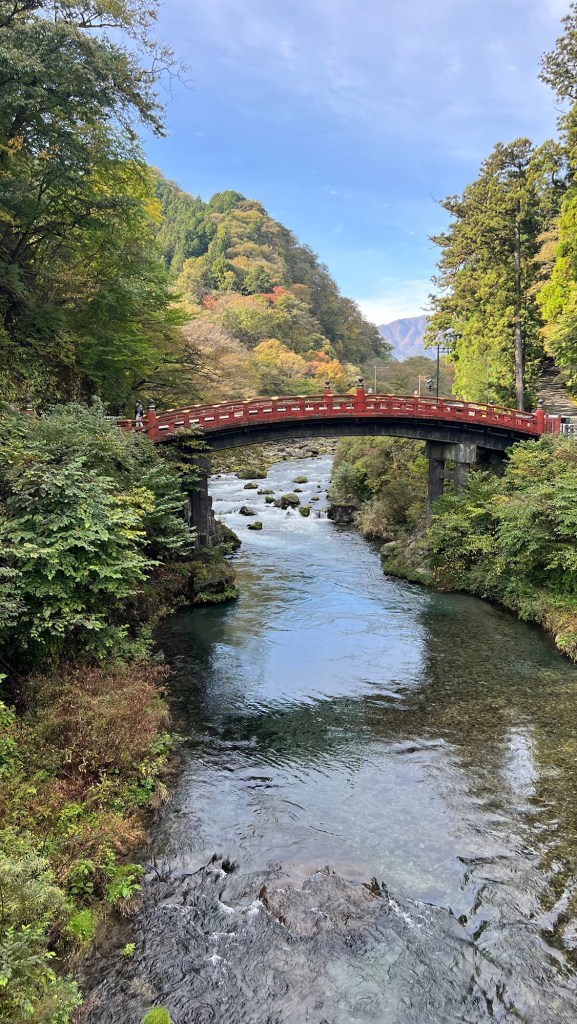
Today was all about the temples and the shrines of Nikko, although we did start our own walking tour at Shinkyo Bridge, a sacred red bridge which is one of the most iconic landmarks in Nikko.
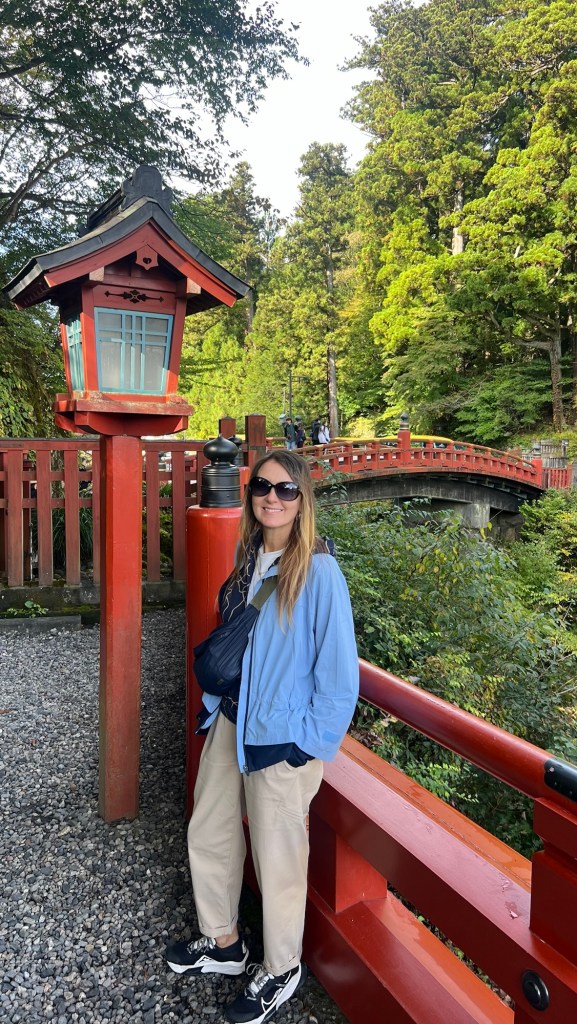
It’s considered to be one of Japan’s finest bridges and we managed to get some fantastic photos here both on and close by.
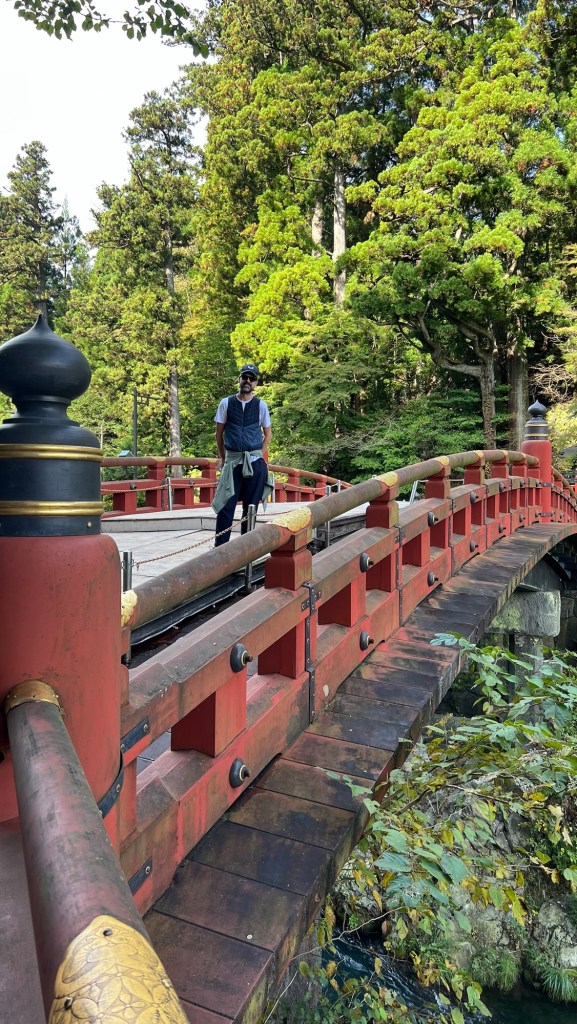
The black & red bridge is framed by dense forest surrounded by striking autumnal colours.
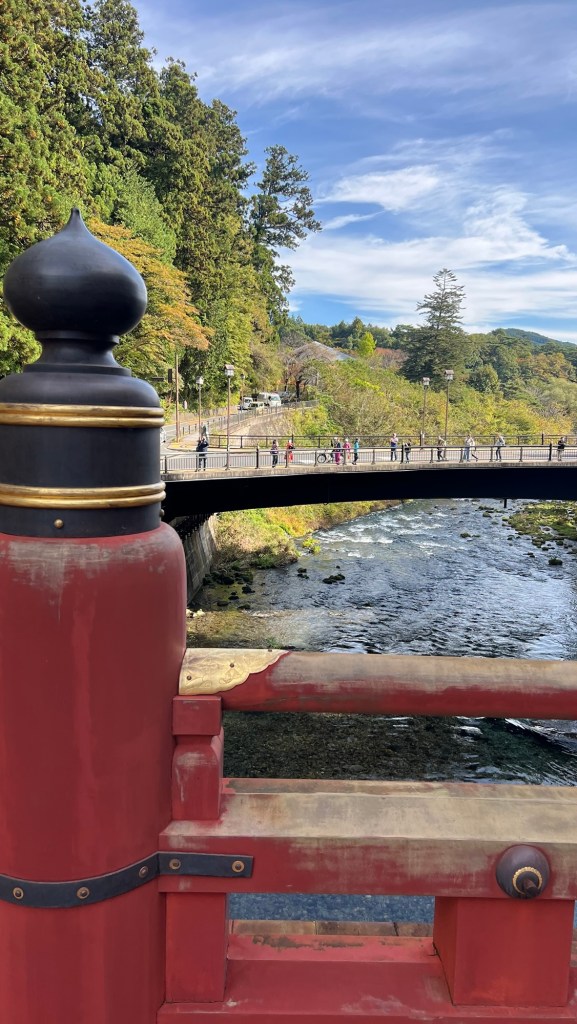
The big draw to visiting Nikko is that it combines World Heritage shrines and temples, traditional cuisine and crafts, and lush natural settings all within a compact area. Having visited the Lake Chuzenji and Kegon Falls yesterday, today we set our sights on Nikko Toshogu Shrine our next stop.
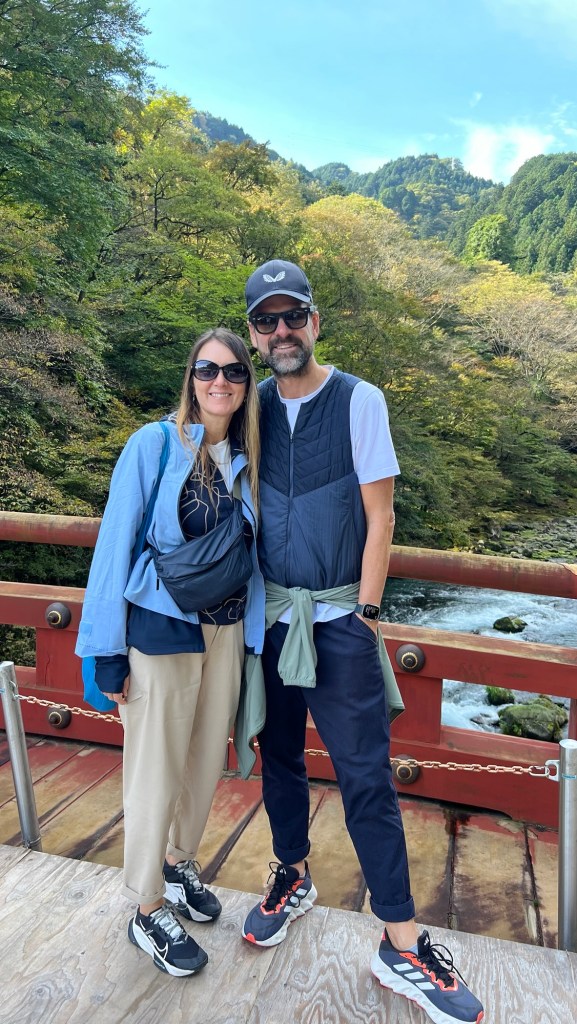
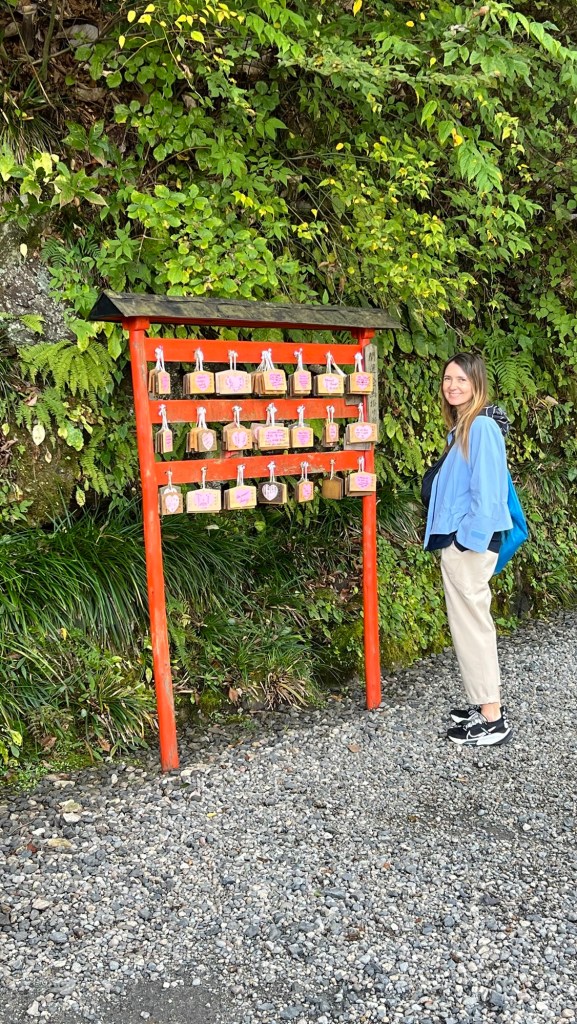
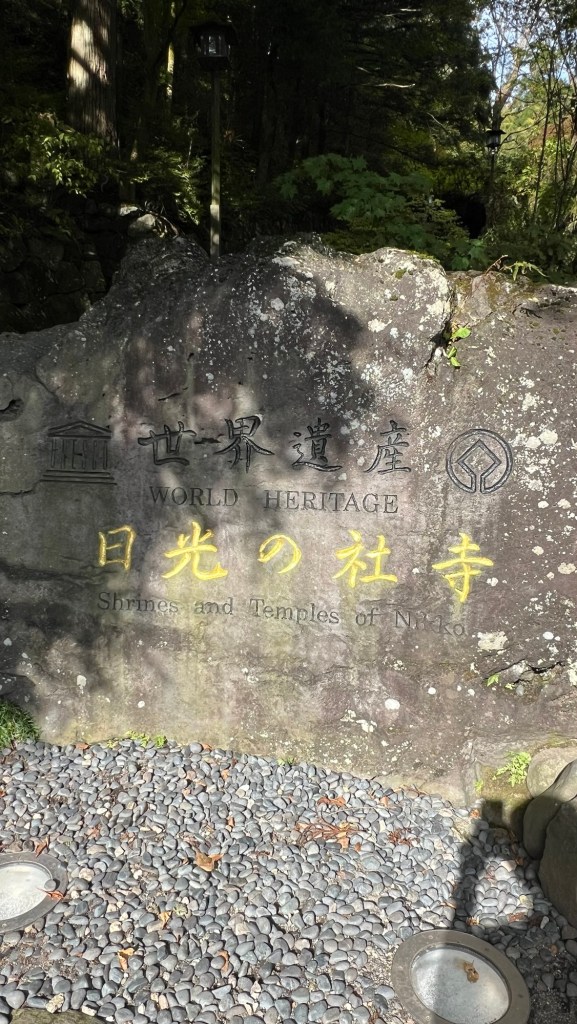
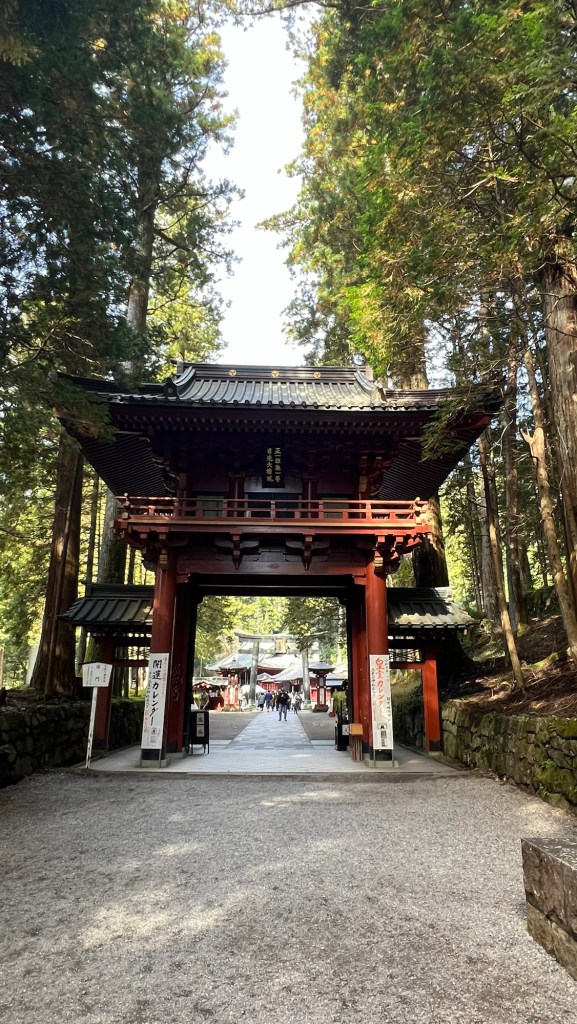
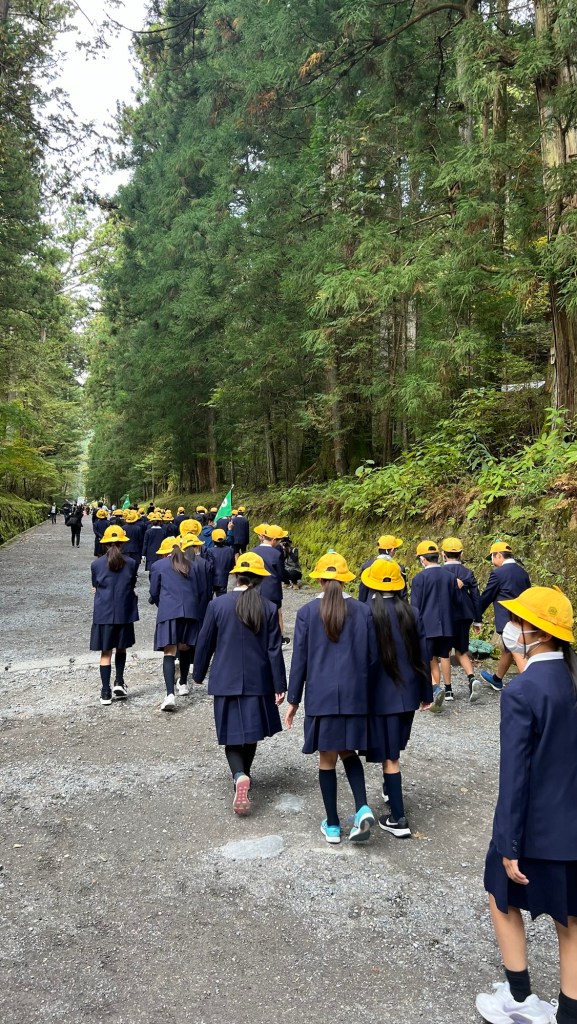
The entry point to Toshogu Shrine is recognised as a UNESCO World Heritage Site. It’s the final resting place of Tokugawa leyasu, the founder of the Tomugawa shogunate.
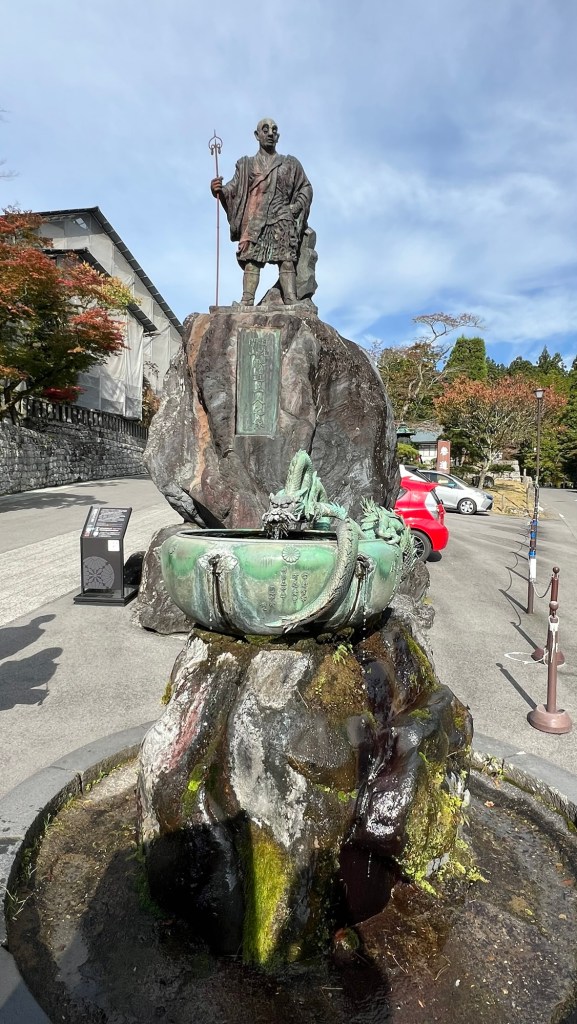
The complex is famous for its intricate wooden carvings and monuments to the monks who helped to establish the shrine.
Another UNESCO site, Rinnoji is the most important temple in Nikko, with its main building housing large golden statues of Buddhas.
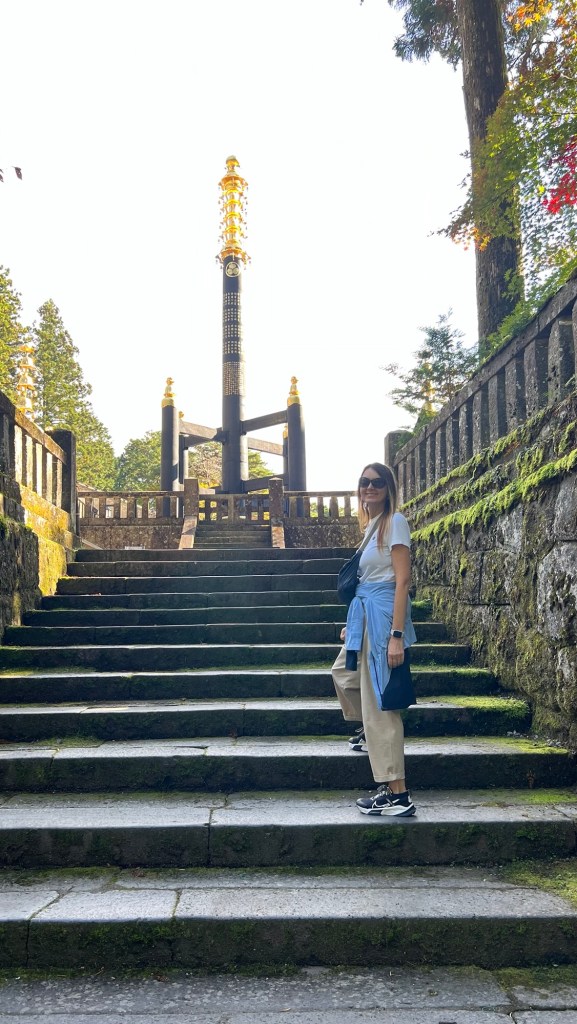
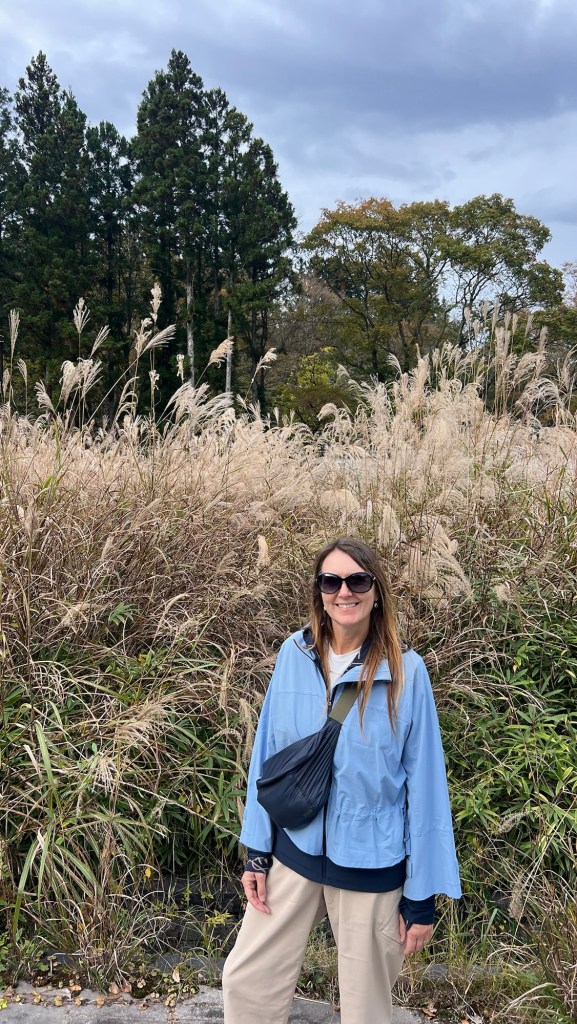
Like yesterday we were fortunate to get another mild sunny clear day and for the most part it was warm enough without jackets and even for us to pull out our sunnies!
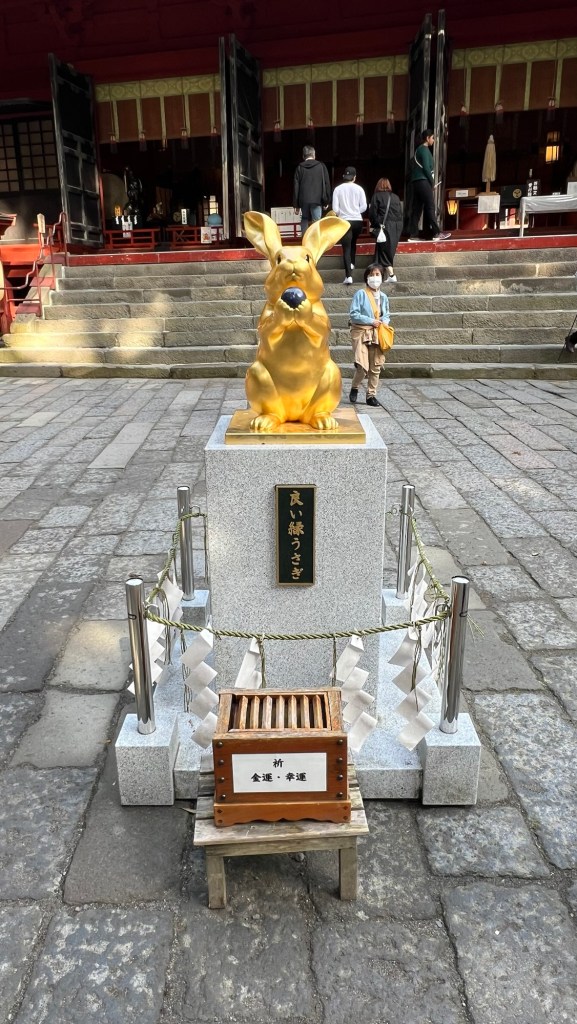
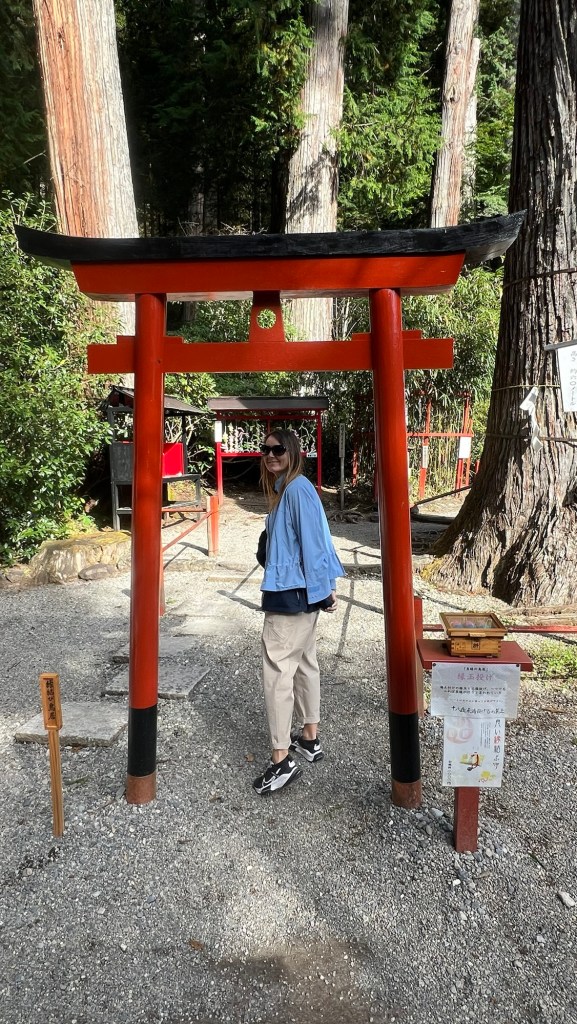
There were numerous Inari shrines surrounding the Komyoin Buddhist temples acting as ‘protection’. For over 1,000yrs Buddhism & Shinto were unified.
Inari is a Kam (god) of agriculture and is worshipped for success in business and material wealth! Rice was used as a currency until the 19th century and explains its association with financial success. Inari is also known as Dakiniten, that manifests as a goddess riding a fox!
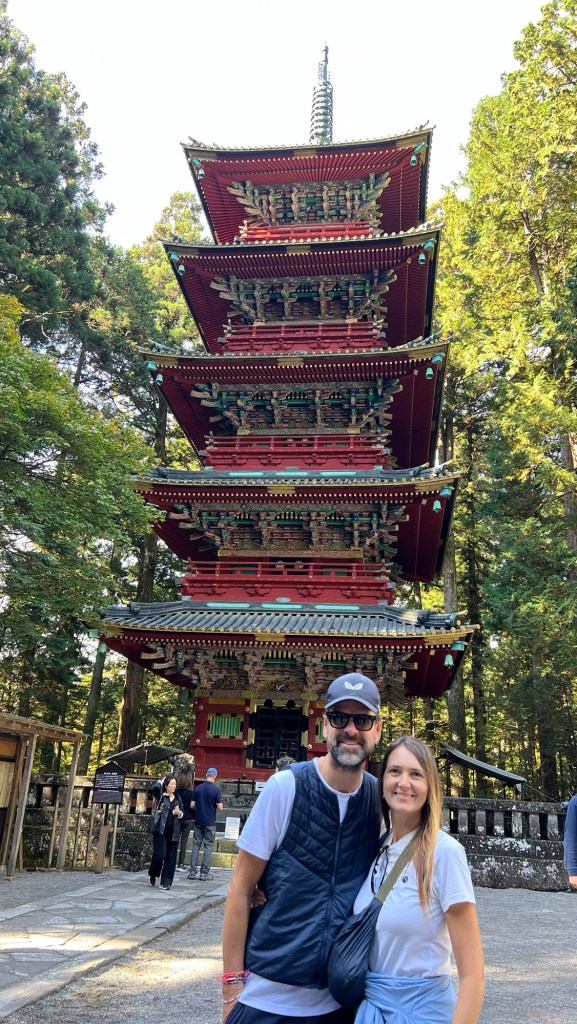
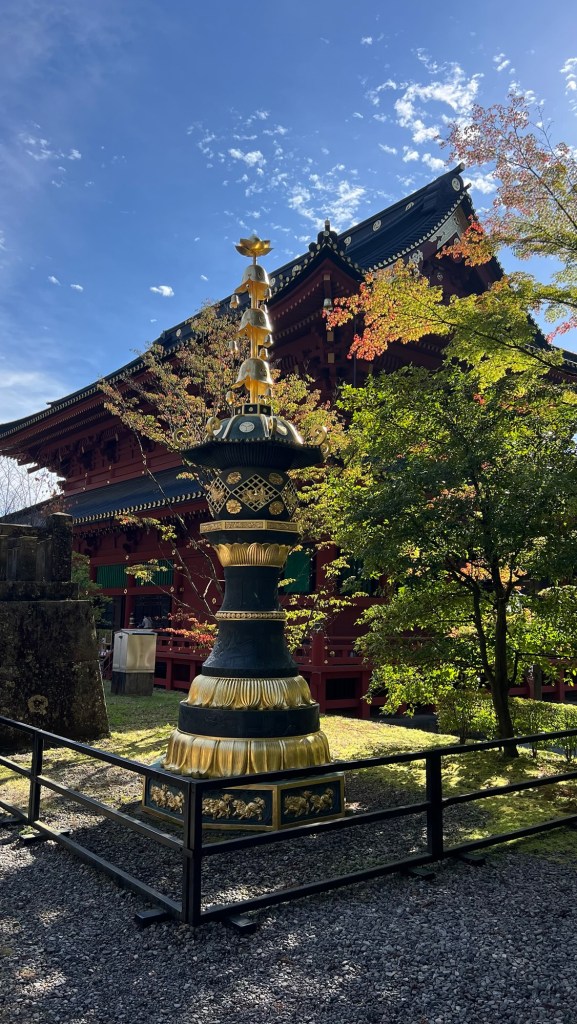
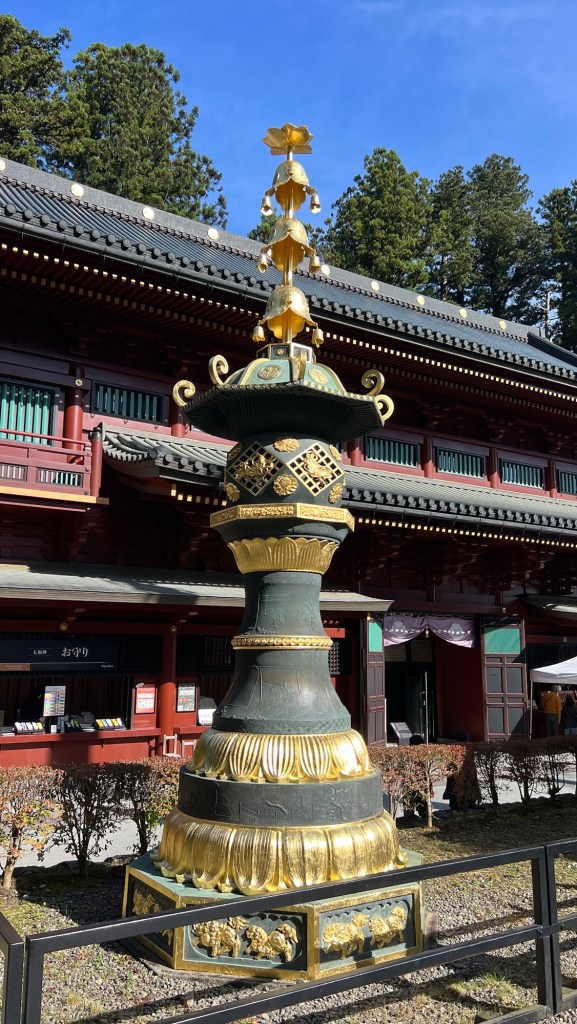
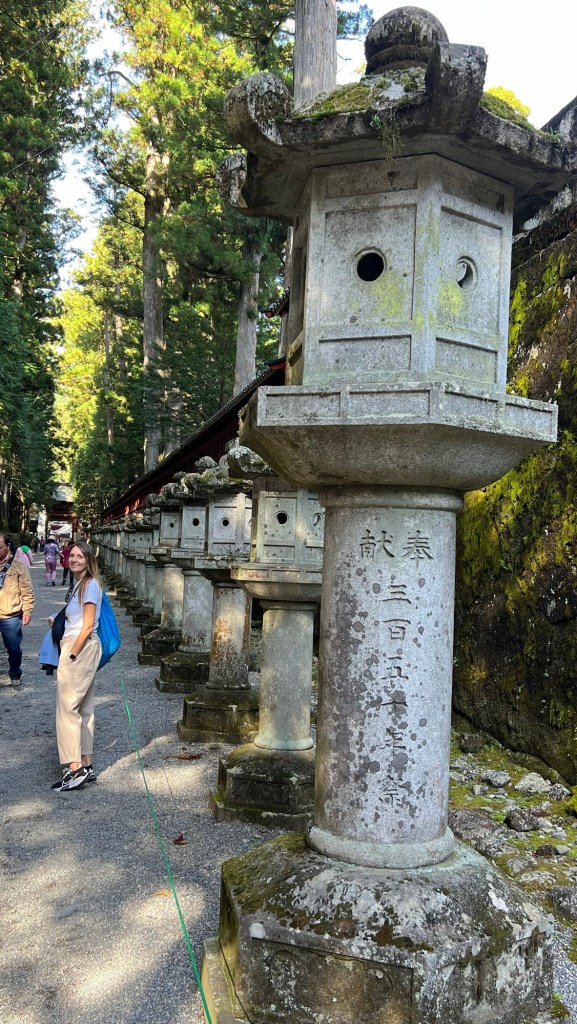
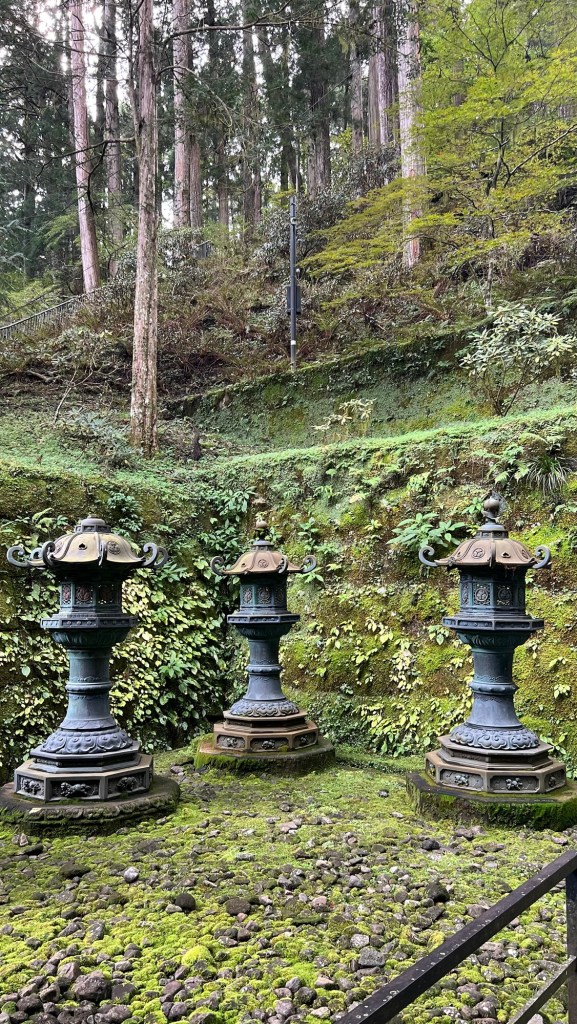
The whole temple complex offered a substantial number of temples, pagodas & lanterns gifted by the wealthy samurai to the ruling classes.
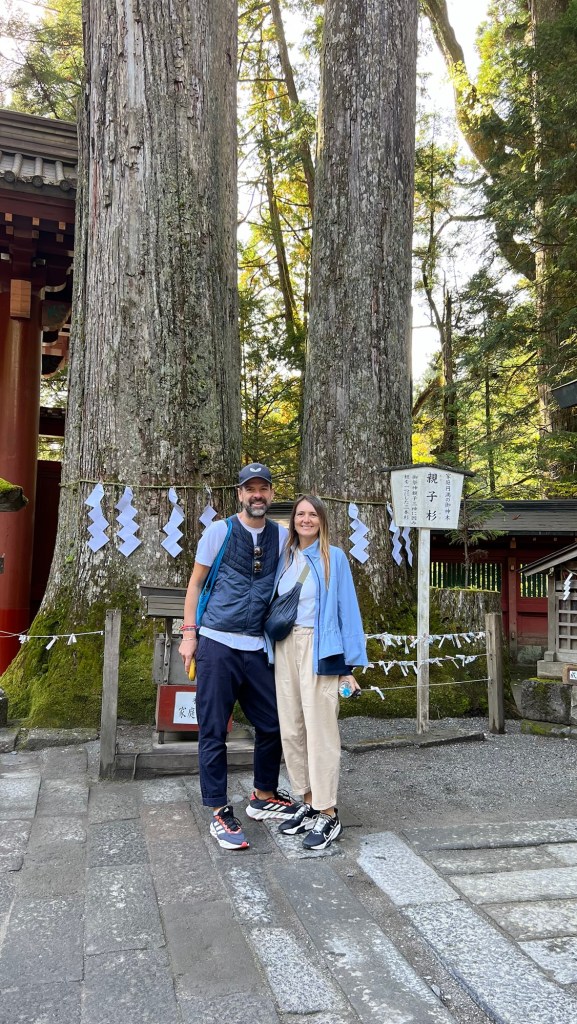
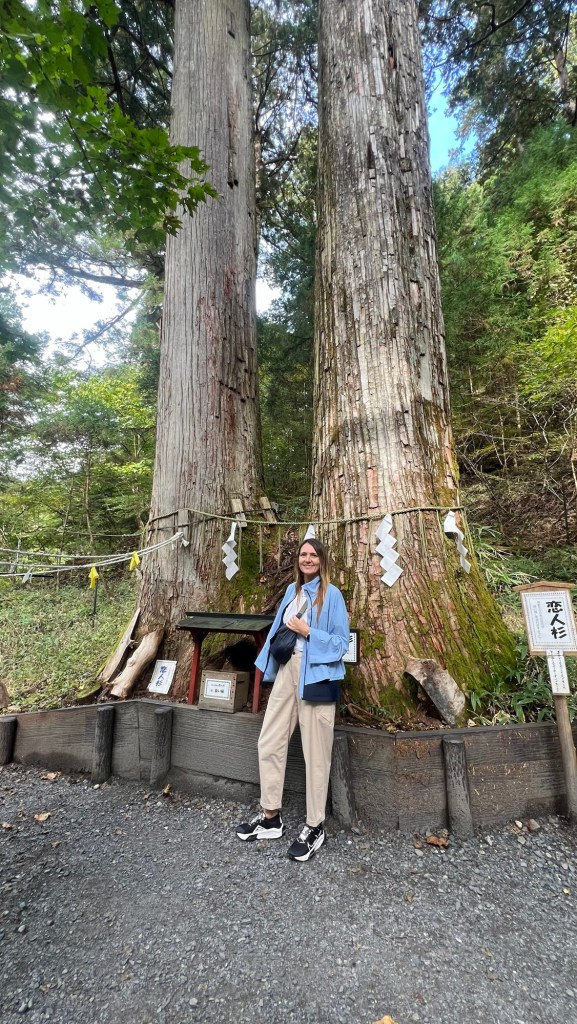
The main buildings of Futarasan-jinga are located close to the Toshogu shrine and are surrounded by many sacred trees. One tree is said to bring luck to a marriage – so we headed straight there to max out on any fortune that could be earned…!!
One pair of trees are joined at the base and are thought to bestow marital happiness and one with three trees at the base thought to grant a happy home life too. We covered all three to gain the maximum fortune for the Ainscough family!
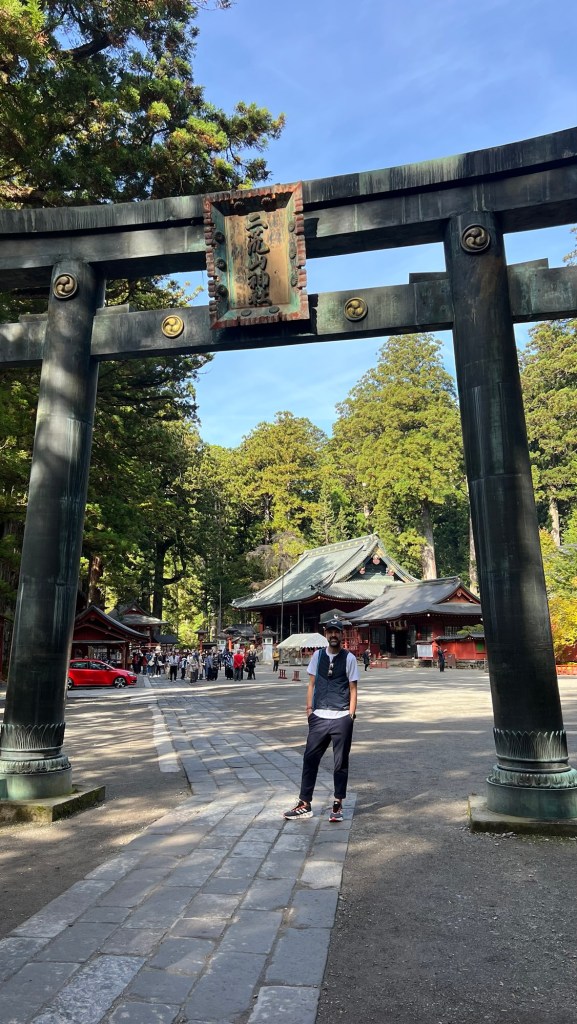
All of these buildings are designated UNESCO world heritage sites and in total this covers 29 cultural properties in the temple complex.
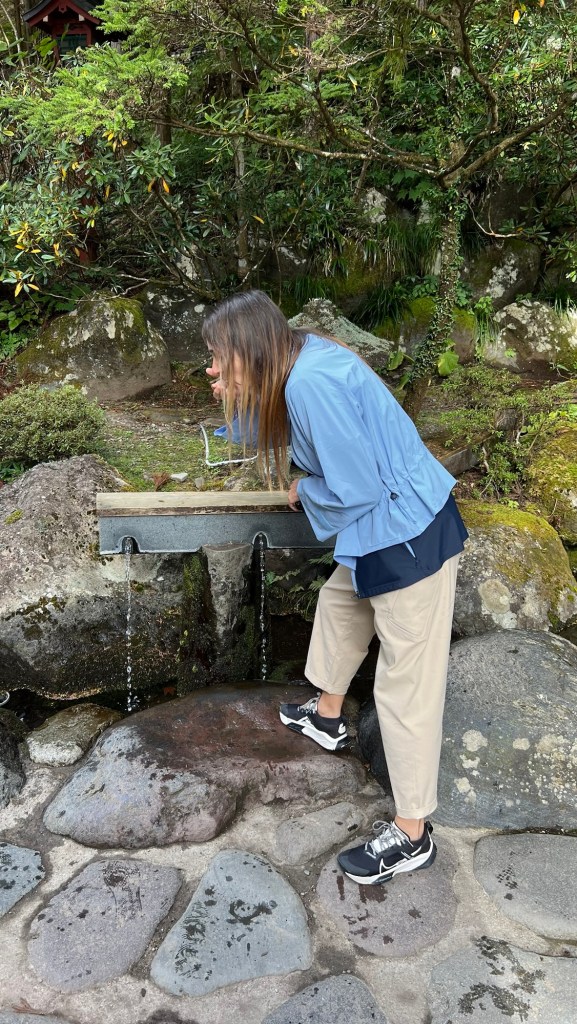
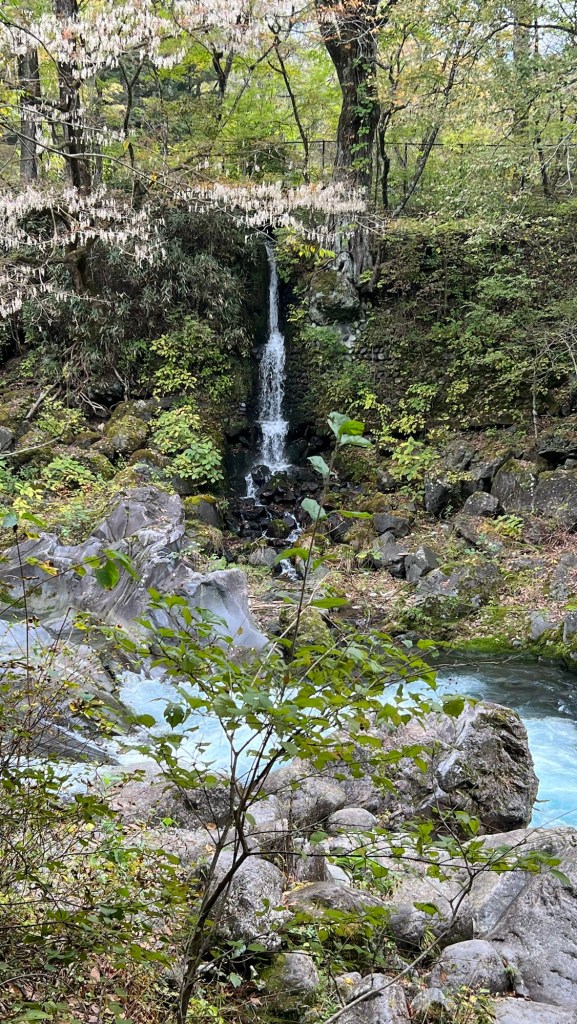
We then took a short woodland walk around the grounds of one of the smaller shrines and took in the holy water that is supposed to help heal people with eye infections as well as being used for making saki. A great combination.
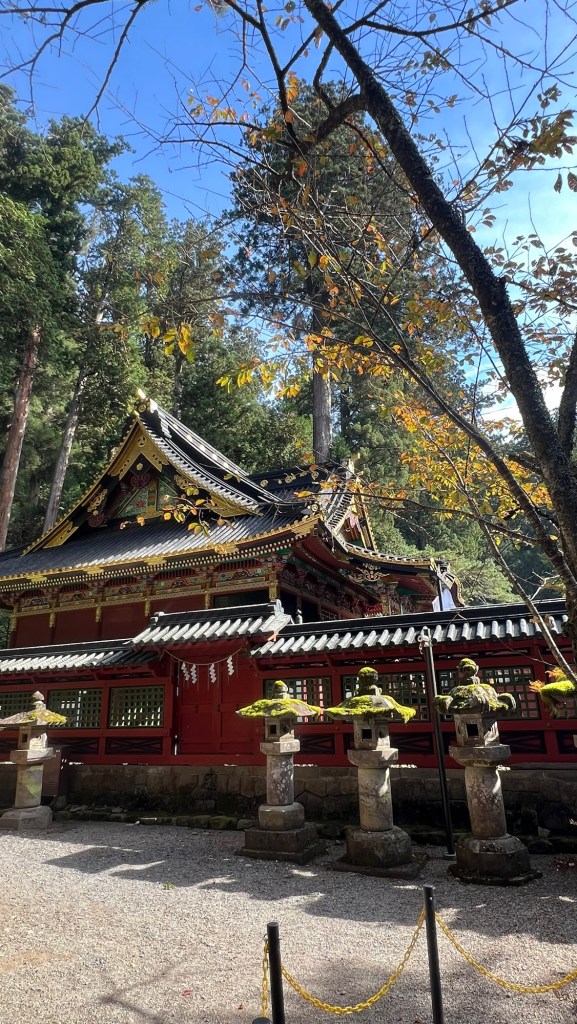


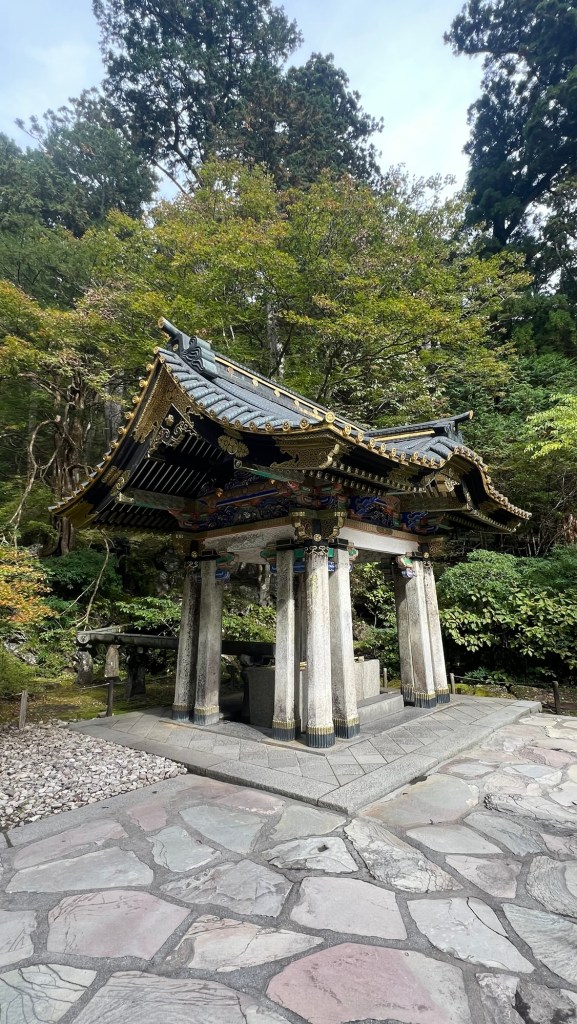
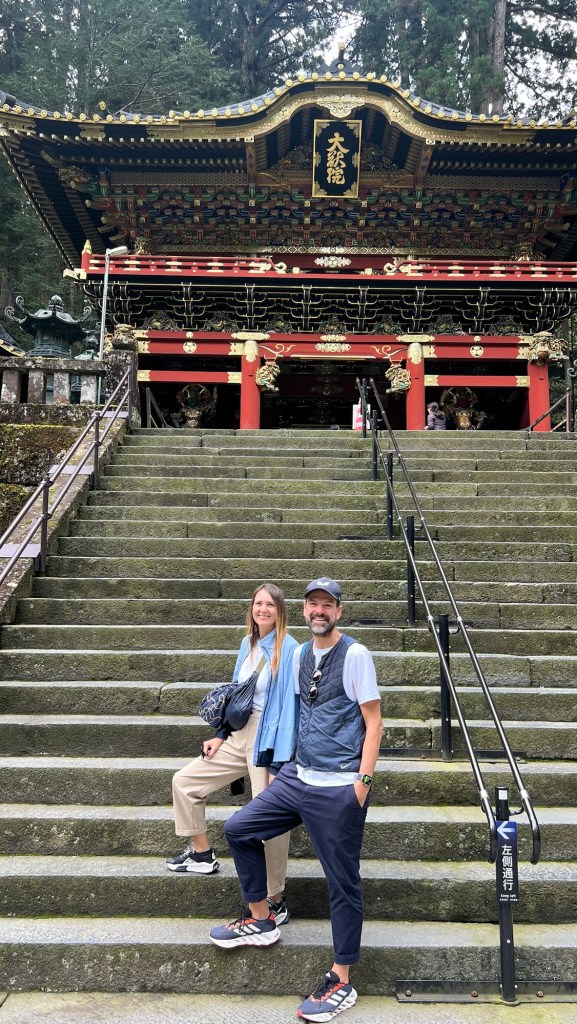
We managed a visit to the mausoleum of one of the key shogun rulers, whose resting place was on a magnificent scale.
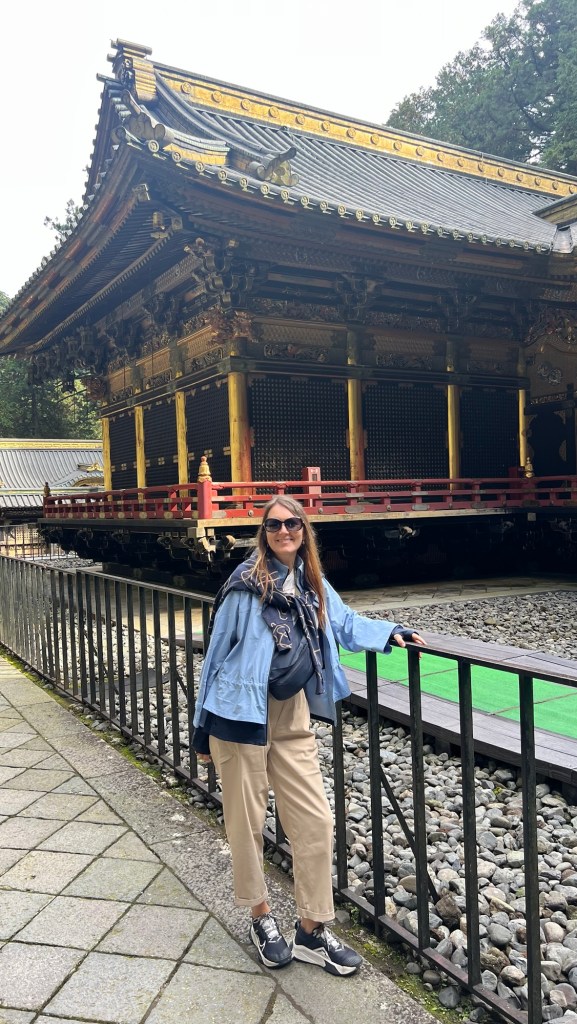
Numerous temples and shrines along with lanterns that celebrated the might of the shogun and all he achieved in his lifetime.
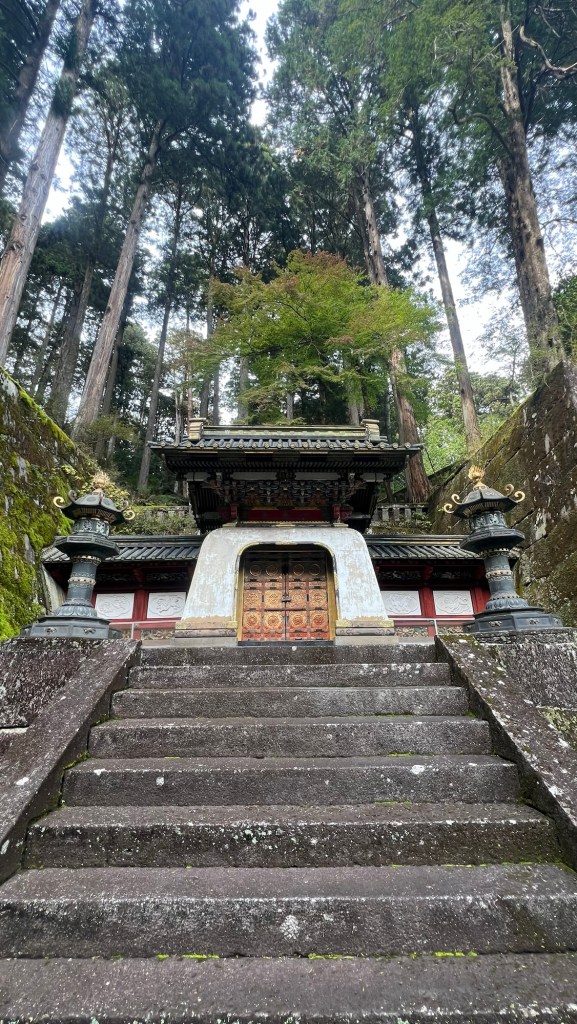
After visiting no less than 5 temples and numerous shrines and it was still not yet midday, we decided to take a break from the culture and nature and search out a coffee stop in the old town of Nikko.
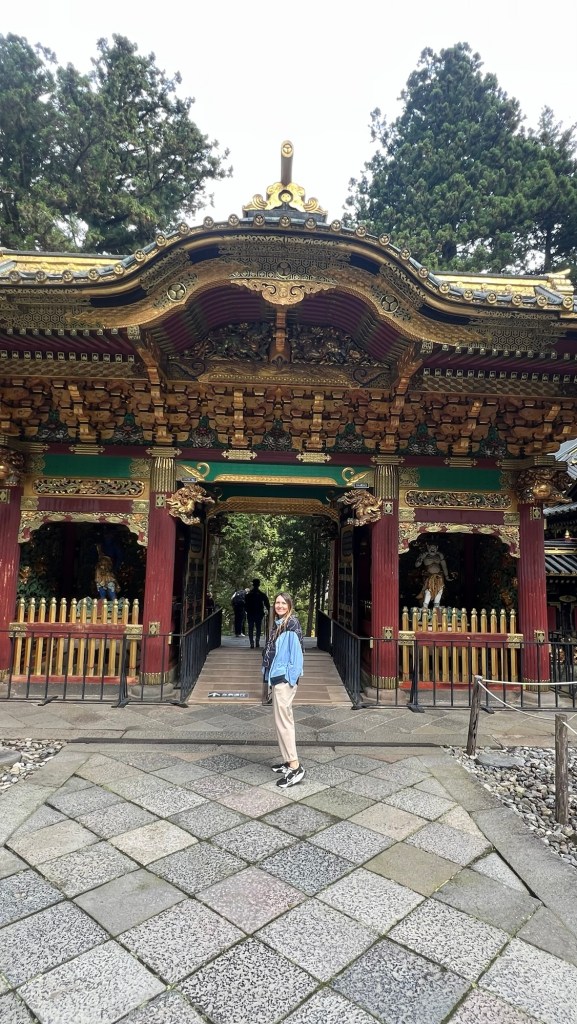
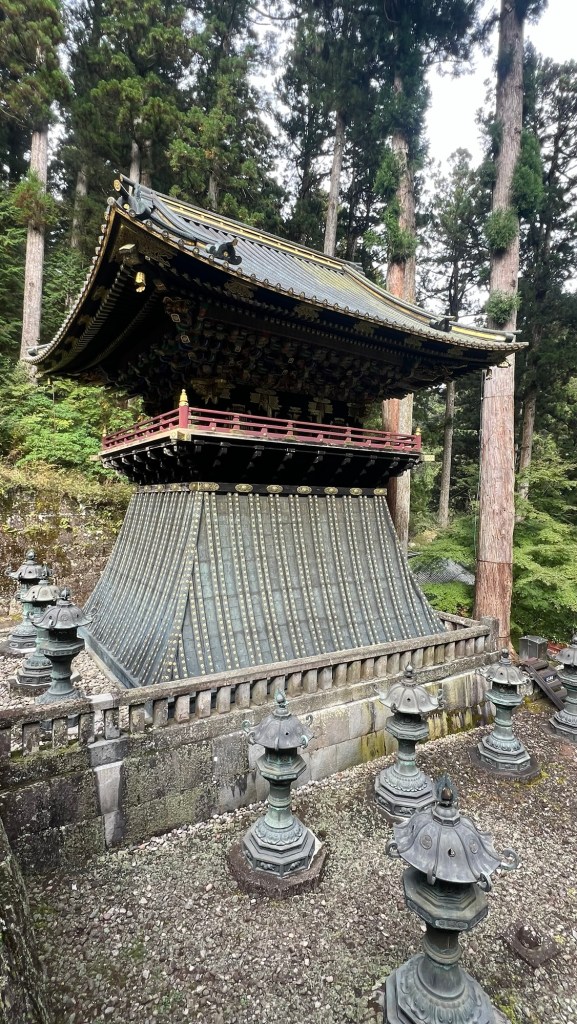
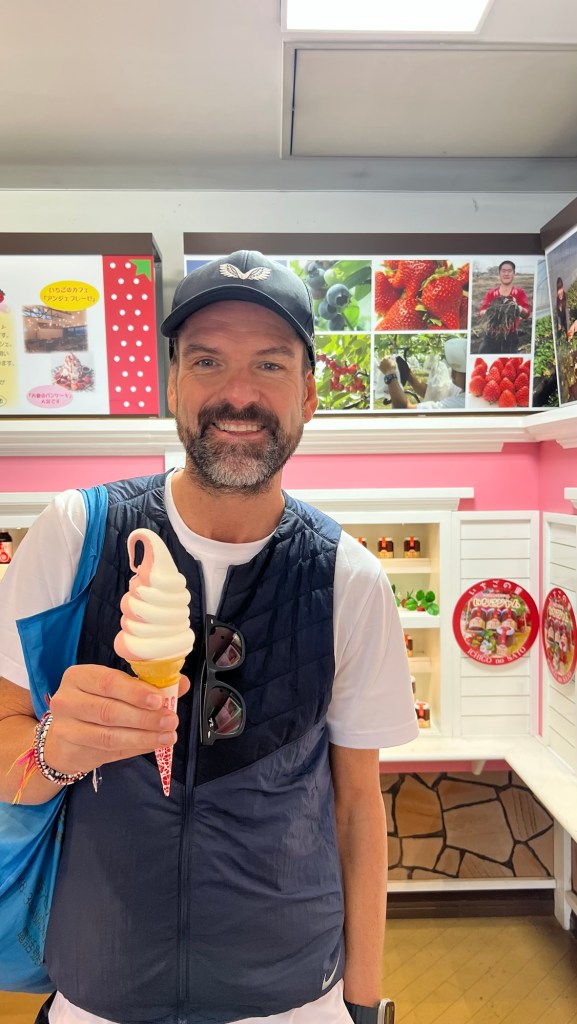
After a little googling we searched out the fantastic Nikko Coffee shop.

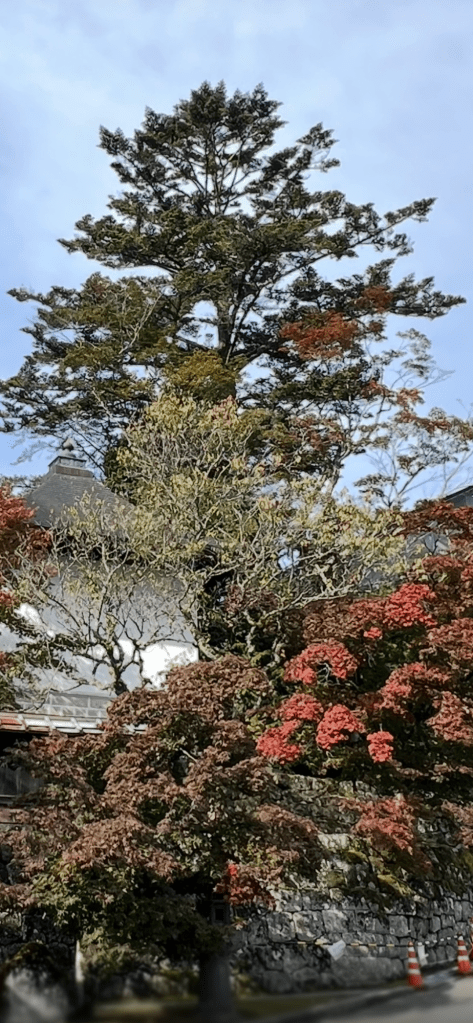

Our next stop was a visit to the Graves of the Martyrs comprising 24 graves of the Tokugawa, some include those who committed ritual suicide on the death of their lord, a practice known as junshi, in order to serve him in the next life. Loyalty is a hallmark of samurai culture, and junshi is perhaps its most extreme example.
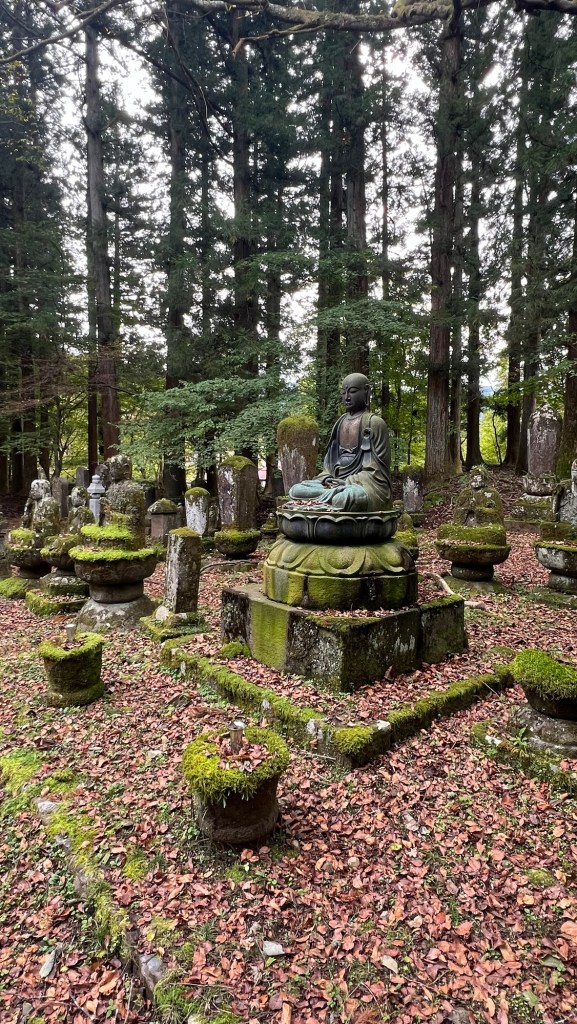
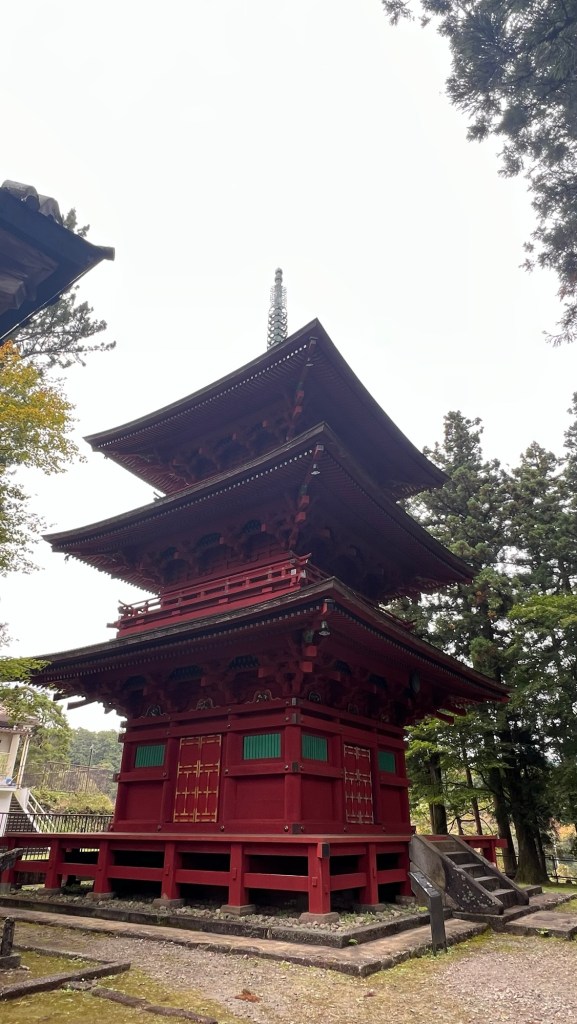
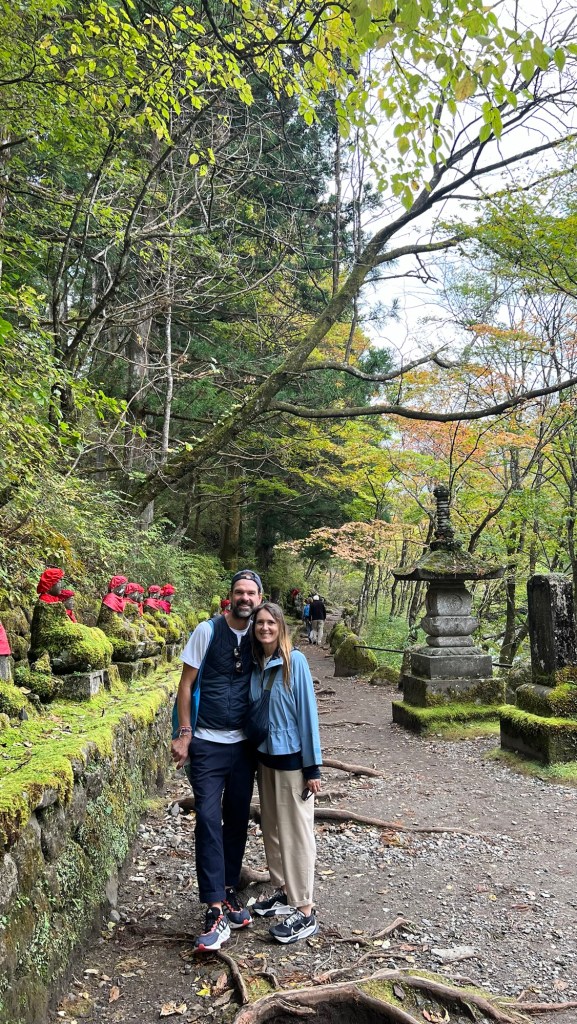
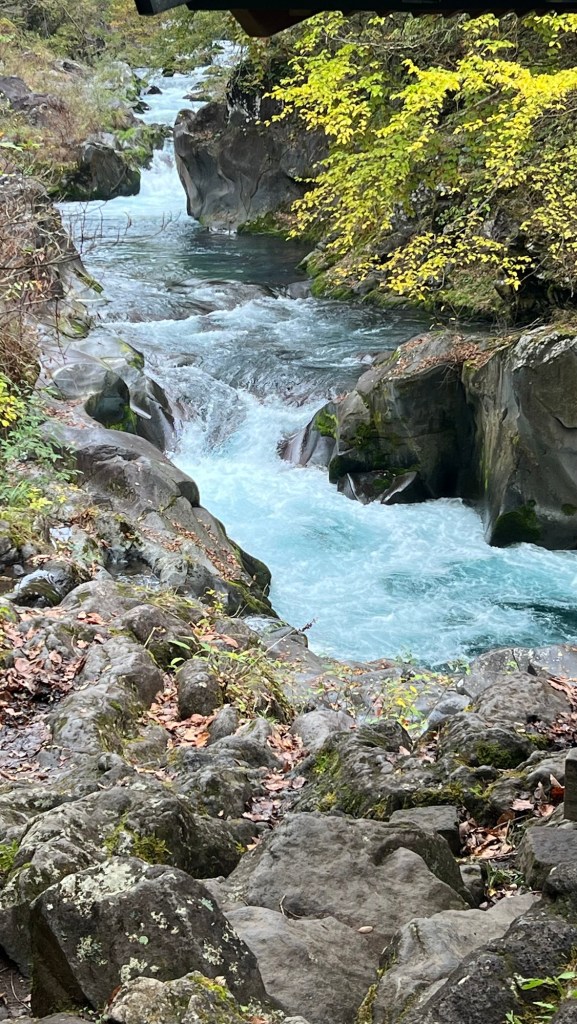
With a few hours left of the afternoon we decided to take a relaxing walk along the river to check out the Jiunji Hondo Buddhist temple in the depths of the Nikko National Park.
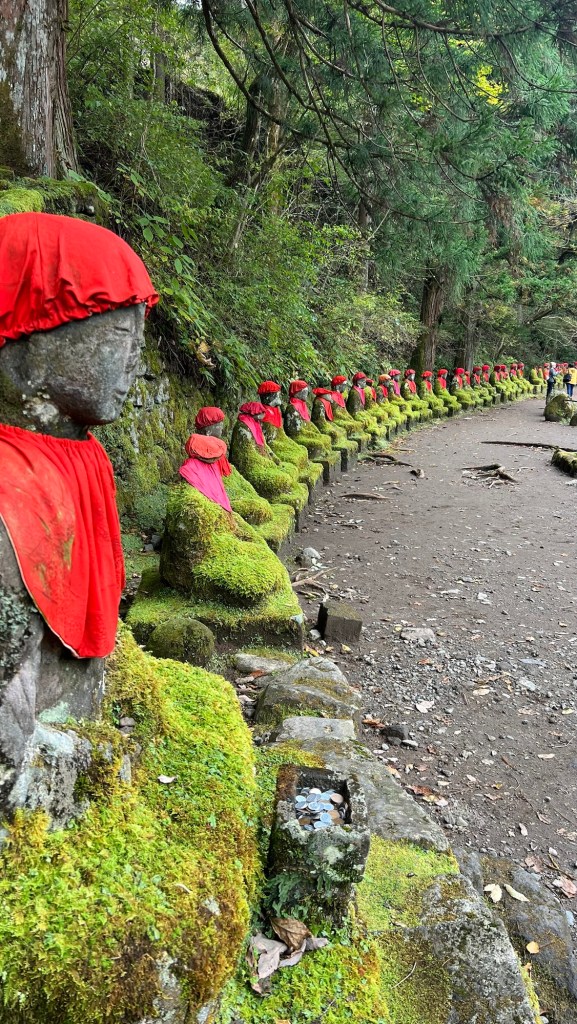
Here the Jizo Statues, the guardian deity of children, sit dressed by locals in red hats and red capes. Jizo statues can be found throughout Japan often near graveyards or roadsides and are seen as a permanent prayer for the souls of the dead children.

After all that walking and cultural diversity, we decided to have a relaxing evening and headed out for an early dinner at a local Italian restaurant (!) for nourishing pasta.
Tomorrow we return to the bright lights of the city, this time in Yokohama which we plan to use as a base as we explore the city as well as the southern coastline with visits to Kamakura and the island of Enoshima.
 @travellingwiththeateam